Image Source: Manoj Kumbhar
About Grishneshwar Jyotirlinga Temple
Nestled in the peaceful village of Verul in Maharashtra’s Aurangabad district, the Grishneshwar Jyotirlinga Temple stands as one of the most sacred shrines dedicated to Lord Shiva. Revered as the twelfth and final Jyotirlinga among the twelve holy Jyotirlingas of India, this temple attracts devotees, pilgrims, and history enthusiasts from across the country and beyond. Its spiritual significance, timeless legends, and remarkable architecture make it a truly unforgettable destination.
Located just 1 kilometer from the world-famous Ellora Caves and approximately 29 kilometers from Aurangabad city, Grishneshwar Temple is often included in pilgrimage and heritage tours of Maharashtra. The temple’s serene atmosphere, combined with centuries of devotion, creates an experience that feels both spiritually uplifting and historically rich.
The temple is known by several names, including Ghrushneshwar, Ghushmeshwar, Kusumeshwar, and Grishneshwar. Despite the variations in name, all refer to the same sacred Jyotirlinga that symbolizes Lord Shiva’s infinite divine presence and power.
Historical Significance of Grishneshwar Temple
The history of Grishneshwar Temple stretches back many centuries, reflecting periods of devotion, destruction, and restoration. Historical records suggest that the temple underwent several phases of reconstruction over time.
In the 16th century, the temple was restored under the patronage of Maloji Raje Bhosale, the grandfather of the great Maratha ruler Chhatrapati Shivaji Maharaj. His efforts played a major role in reviving the temple and preserving its spiritual legacy.
Later, during the 18th century, the temple received further restoration and support from Queen Ahilyabai Holkar of Indore, a ruler widely remembered for rebuilding and preserving many important Hindu pilgrimage sites across India. Her contribution helped restore the temple’s grandeur and ensured that future generations could continue worshipping at this sacred site.
Today, the temple stands not only as a place of worship but also as a living reminder of India’s enduring spiritual and cultural heritage.
The Legend Behind Grishneshwar Jyotirlinga
Like many ancient temples in India, Grishneshwar is deeply connected to a moving legend that continues to inspire devotees.
According to Hindu mythology, a Brahmin named Sudharma and his wife Sudeha lived near the Devagiri hills. Although devoted and virtuous, the couple struggled with childlessness. Distressed by their inability to have children, Sudeha encouraged her husband to marry her younger sister, Ghusma.
Ghusma was a deeply devoted follower of Lord Shiva. Every day, she would create 101 Shiva Lingas from clay, worship them with complete faith, and immerse them in a nearby lake after her prayers. Her unwavering devotion eventually bore fruit, and she was blessed with a son.
However, jealousy soon consumed Sudeha. Unable to bear Ghusma’s happiness, she committed a terrible act—she killed the child and threw his body into the same lake where Ghusma immersed the lingas.
Despite this tragedy, Ghusma did not abandon her devotion. She continued her prayers to Lord Shiva with complete faith and calmness. Moved by her extraordinary devotion and spiritual strength, Lord Shiva appeared before her, restored her son to life, and offered to punish the wrongdoer. Ghusma, however, displayed compassion and forgiveness, asking Shiva to spare Sudeha.
Deeply touched by her devotion and kindness, Lord Shiva manifested himself there as a Jyotirlinga and became known as Ghushmeshwar or Grishneshwar. This legend remains central to the temple’s spiritual identity and teaches timeless values of faith, forgiveness, and divine grace.
Architecture of Grishneshwar Jyotirlinga Temple
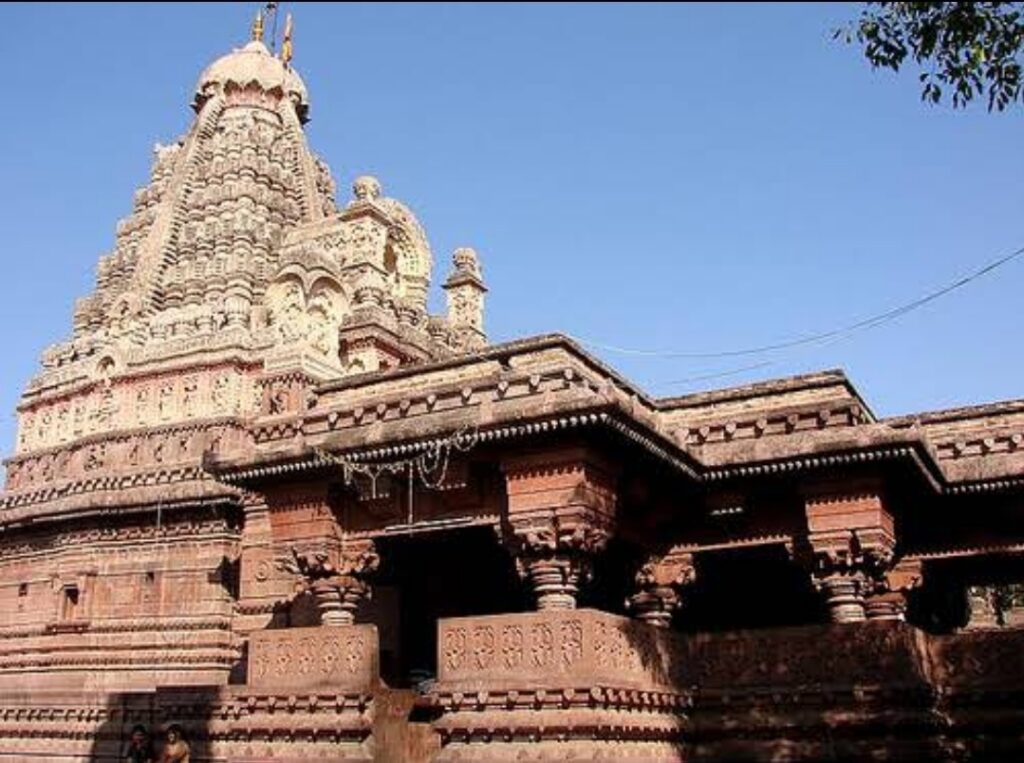
Grishneshwar Temple is admired not only for its spiritual importance but also for its striking architecture. Built primarily from red volcanic rock, the temple showcases traditional South Indian and medieval temple design elements.
The temple structure measures approximately 240 by 185 feet and immediately captures attention with its detailed craftsmanship. The five-tiered shikhara, or temple tower, rises gracefully above the shrine and is crowned with a golden kalasha that symbolizes sanctity and divine presence.
The walls and pillars are adorned with intricate carvings depicting Hindu deities, floral patterns, mythological scenes, and sacred motifs. These carvings reflect the artistic brilliance of ancient craftsmen and add to the temple’s majestic appearance.
Inside the temple, the sacred layout includes:
Garbhagriha (Sanctum Sanctorum):
This is the holiest chamber where the Jyotirlinga of Lord Shiva is enshrined. The spiritual energy within the sanctum creates a profound sense of peace and devotion.
Antarala (Vestibule):
Serving as a transitional passage between the sanctum and the prayer hall, the antarala maintains the temple’s traditional architectural flow.
Sabha Mandapa (Assembly Hall):
Supported by beautifully carved pillars, the Sabha Mandapa is where devotees gather for prayers and rituals. The hall’s design reflects both simplicity and sacred elegance.
One distinctive aspect of the temple is that devotees are traditionally allowed to approach the Shiva Lingam directly under specific customs and dress regulations, creating a deeply personal worship experience.
Spiritual Importance and Festivals
Grishneshwar Jyotirlinga holds immense spiritual significance for devotees of Lord Shiva. Pilgrims believe that visiting the temple and offering prayers here helps cleanse negative karma and brings blessings, inner peace, and spiritual fulfillment.
Among the various festivals celebrated here, Maha Shivaratri is the most prominent. During this sacred occasion, thousands of devotees gather at the temple to participate in prayers, devotional singing, and night-long worship dedicated to Lord Shiva.
The temple comes alive with spiritual energy, vibrant decorations, and an atmosphere of collective devotion. The festival offers visitors a chance to witness not just religious rituals but also the cultural richness and emotional depth of Shiva worship.
Apart from Maha Shivaratri, the holy month of Shravan also draws large numbers of devotees who visit to perform special prayers and seek divine blessings.
Visiting Grishneshwar Temple
A visit to Grishneshwar Temple is often combined with nearby attractions, making it a rewarding spiritual and cultural journey.
The temple’s close proximity to Ellora Caves, a UNESCO World Heritage Site famous for its ancient rock-cut architecture and the magnificent Kailasa Temple, adds to its appeal. Visitors often explore both destinations in a single trip.
The best time to visit is between October and March, when the weather remains pleasant and suitable for sightseeing and pilgrimage activities.
Temple Timings and Entry Details
Grishneshwar Temple welcomes devotees and visitors throughout the week.
Temple Timings:
5:30 AM to 9:30 PM.
Entry Fee:
Free of cost.
Visitors are encouraged to dress modestly and follow temple customs and guidelines while entering the premises, especially during worship hours and festivals.
How to Reach Grishneshwar Jyotirlinga Temple
Grishneshwar Jyotirlinga Temple is located in Verul (Ellora), about 30–35 km from Chhatrapati Sambhajinagar (formerly Aurangabad), Maharashtra. It is one of the twelve sacred Jyotirlingas dedicated to Lord Shiva and is situated very close to the famous Ellora Caves.
By Air
The nearest airport is Chhatrapati Sambhajinagar Airport, located around 35 km from the temple. Regular flights connect the city with major destinations such as Mumbai, Delhi, Hyderabad, and Pune. Taxis and cabs are readily available from the airport to Verul.
By Train
The nearest railway station is Aurangabad Railway Station, approximately 30 km away. Travelers can hire taxis, auto-rickshaws, or take MSRTC buses from the station to reach the temple.
By Road
Grishneshwar is well connected by road to Chhatrapati Sambhajinagar, Nashik, Pune, and Mumbai. Regular Maharashtra State Transport (MSRTC) buses operate between Chhatrapati Sambhajinagar and Ellora. Private taxis and self-drive vehicles are also convenient options. The drive from Chhatrapati Sambhajinagar takes around 45–60 minutes.
Nearby Attractions
Ellora Caves
Located just 1 km from the temple, this UNESCO World Heritage Site features 34 rock-cut Buddhist, Hindu, and Jain caves. The magnificent Kailasa Temple is the highlight of the complex.
Kailasa Temple
The largest monolithic rock-cut temple in the world, carved from a single rock and dedicated to Lord Shiva. It is considered one of India’s greatest architectural achievements.
Daulatabad Fort
Situated about 15 km from Grishneshwar, this historic hill fort is known for its impressive defense system, ancient architecture, and panoramic views.
Bhadra Maruti Temple
A revered temple dedicated to Lord Hanuman in his rare reclining posture. It is located in nearby Khuldabad and attracts devotees throughout the year.
Khuldabad
Known as the “Valley of Saints,” Khuldabad houses several Sufi shrines and the simple tomb of Mughal Emperor Aurangzeb.
Ajanta Caves
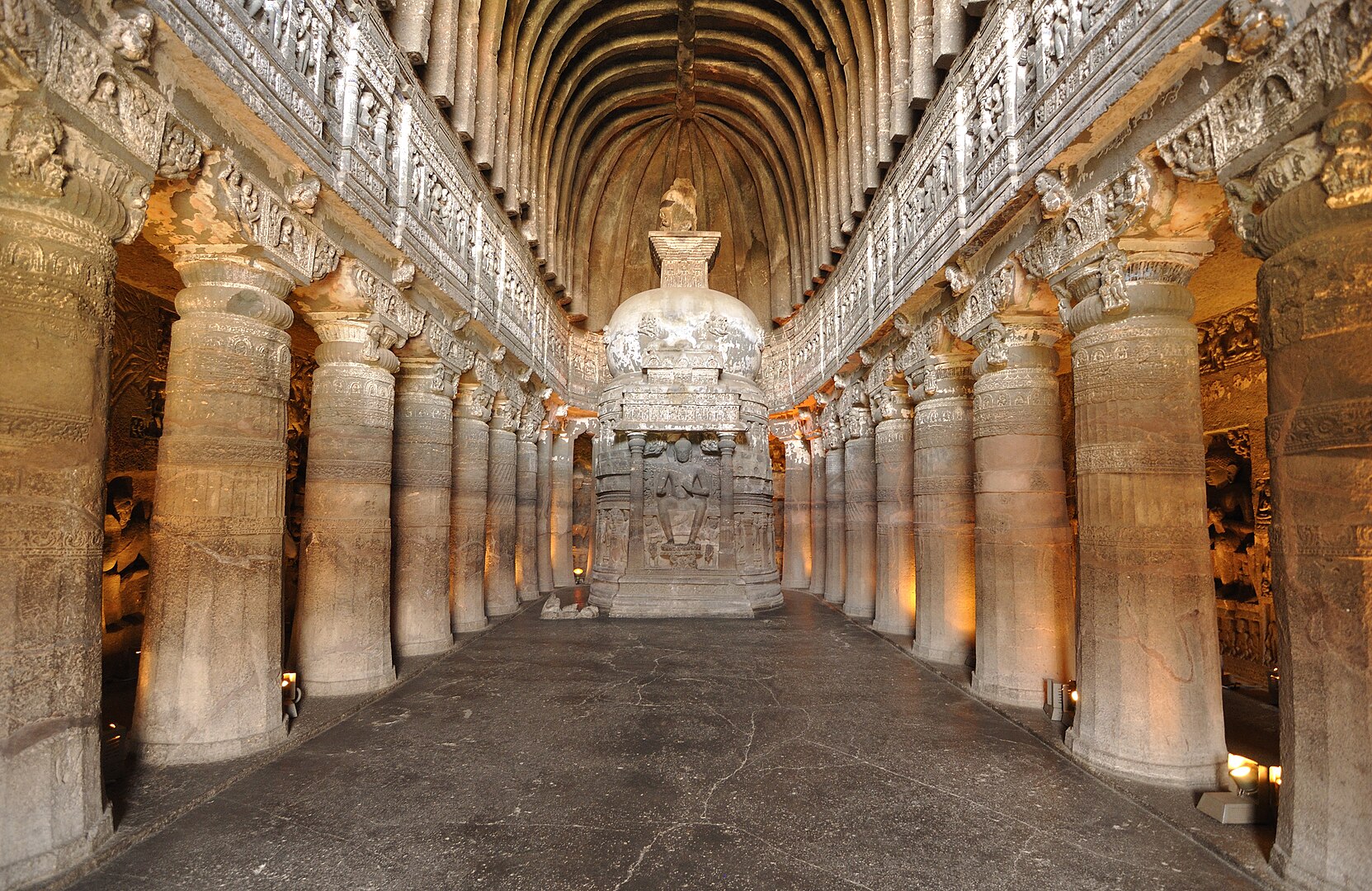
Located about 100 km away, these UNESCO-listed caves are famous for their ancient Buddhist paintings, sculptures, and rock-cut monasteries. They make an excellent day trip from Grishneshwar.
A visit to Grishneshwar Jyotirlinga is often combined with Ellora Caves, Daulatabad Fort, and Bhadra Maruti Temple, making for a fulfilling spiritual and heritage circuit in the Chhatrapati Sambhajinagar region.
Map
FAQs
1. Why is Grishneshwar Temple famous?
Grishneshwar Temple is famous for being one of the twelve sacred Jyotirlingas dedicated to Lord Shiva. It is considered the twelfth and final Jyotirlinga and holds immense religious significance among Hindu devotees.
2. Where is Grishneshwar Jyotirlinga Temple located?
The temple is located in Verul village near Ellora Caves in Maharashtra’s Aurangabad district, approximately 29 kilometers from Aurangabad city.
3. What are the temple timings?
The temple is open daily from 5:30 AM to 9:30 PM.
4. Is there an entry fee for Grishneshwar Temple?
No, entry to the temple is completely free for all visitors.
5. What is the best time to visit Grishneshwar Temple?
The ideal time to visit is from October to March, when the weather is cooler and more comfortable for travel and sightseeing.
6. Can visitors combine Grishneshwar Temple with Ellora Caves?
Yes. Since the temple is only about 1 kilometer from Ellora Caves, many travelers visit both places on the same trip.
7. Which festival is most important at Grishneshwar Temple?
Maha Shivaratri is the most significant festival celebrated at the temple, attracting thousands of devotees each year.
8. What is the spiritual meaning of a Jyotirlinga?
A Jyotirlinga represents the infinite and radiant form of Lord Shiva. Devotees believe these sacred shrines embody Shiva’s divine presence and spiritual power.