Image Source: ANOOSH CHOUDHARI
About Sri Kopeshwar Temple
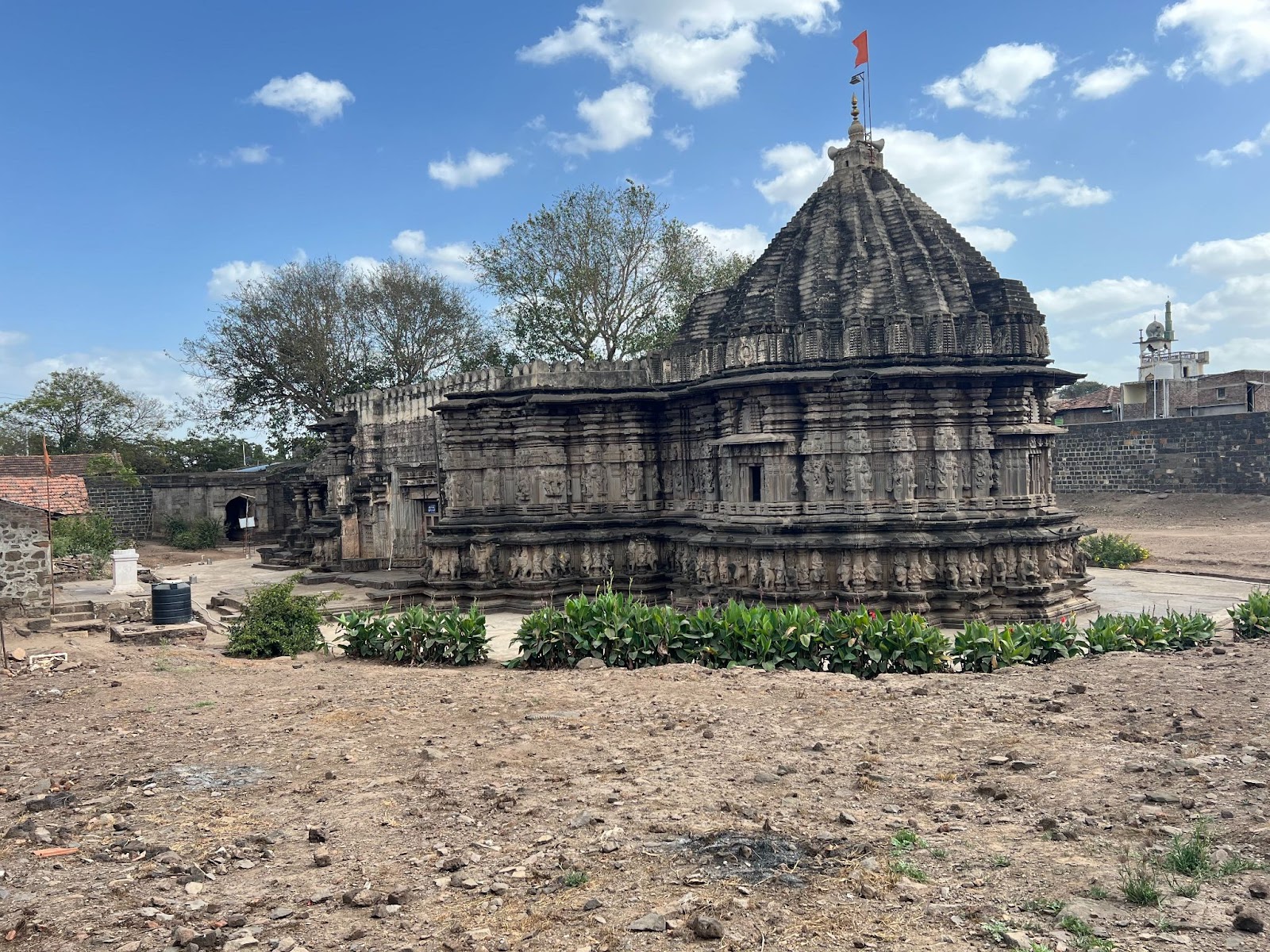
Nestled in the peaceful village of Khidrapur on the banks of the Krishna River, Sri Kopeshwar Temple is one of Maharashtra’s most remarkable ancient temples dedicated to Lord Shiva. Located around 40 km from Sangli and approximately 60 km from Kolhapur, this architectural gem attracts devotees, history lovers, and architecture enthusiasts alike.
Known for its intricate stone carvings, unique temple layout, and centuries-old legends, the temple stands as a shining example of India’s rich cultural and spiritual heritage. Surrounded by a serene rural landscape, Sri Kopeshwar Temple offers visitors a perfect blend of devotion, history, and artistic excellence.
History of Sri Kopeshwar Temple
The origins of Sri Kopeshwar Temple date back to the 7th century CE when it was initially built by the Badami Chalukyas. However, the temple remained incomplete for several centuries. Its construction was later continued and expanded by the Shilahara rulers during the 12th century, giving the temple much of the grandeur that visitors admire today.
Over the centuries, the temple has survived changing dynasties and historical events, preserving its spiritual significance and architectural beauty. Today, it is regarded as one of the finest examples of medieval temple architecture in Maharashtra.
The Legend of Kopeshwar
The name “Kopeshwar” comes from the Sanskrit word Kopa, meaning anger. According to Hindu mythology, Lord Shiva was deeply enraged after the self-immolation of Goddess Sati during the yajna conducted by her father, King Daksha.
To calm Shiva’s fury, Lord Vishnu is believed to have brought him to this sacred place. Shiva eventually regained his composure here, and the temple became known as Kopeshwar, meaning “The Angry Lord.” This fascinating legend adds a unique spiritual dimension to the temple and continues to inspire devotees who visit throughout the year.
Architectural Splendor
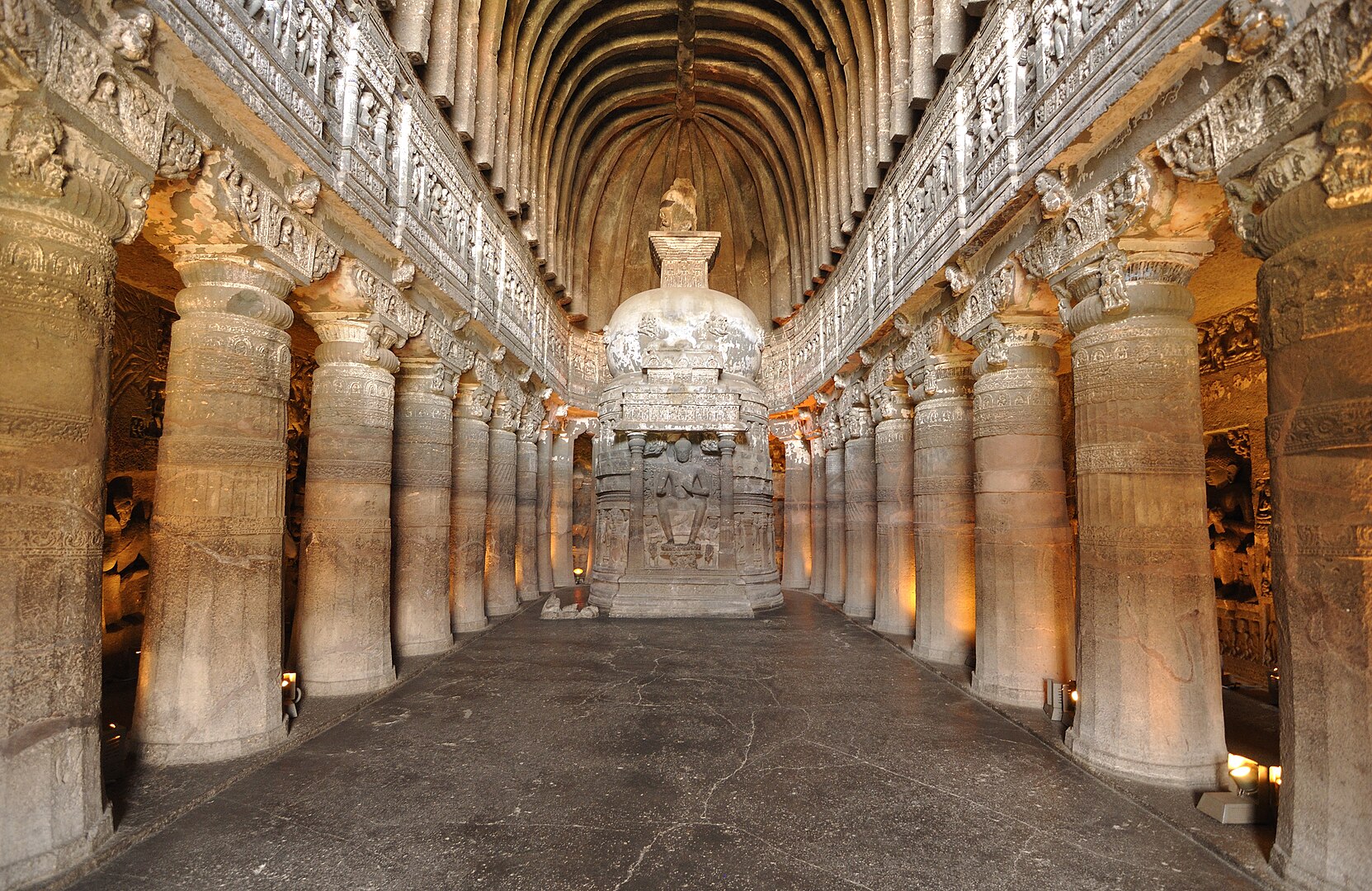
Built primarily from black basalt stone, Sri Kopeshwar Temple is celebrated for its exquisite Chalukyan-style architecture. Every pillar, wall, and ceiling reflects exceptional craftsmanship and artistic detail. The temple is divided into four distinct sections, each carrying its own architectural and spiritual significance.
Swarga Mandap
The Swarga Mandap, or “Hall of Heaven,” is one of the most striking parts of the temple. It features 48 beautifully carved pillars arranged in a circular pattern. The open circular roof allows sunlight to stream into the hall, creating a divine atmosphere. The surrounding walls are adorned with sculptures of various deities, celestial beings, and intricate decorative motifs.
Sabha Mandap
Connected to the Swarga Mandap is the Sabha Mandap, a spacious assembly hall supported by 60 elaborately carved pillars. The carvings depict scenes from Hindu epics such as the Ramayana, Mahabharata, and Panchatantra stories. The detailed artwork showcases the extraordinary skill of the craftsmen who built the temple centuries ago.
Antarala
The Antarala serves as the transitional chamber between the assembly hall and the sanctum. This sacred passage is guarded by imposing Dwarapalas (gatekeepers), symbolizing protection and reverence before entering the inner shrine.
Garbhagriha
The Garbhagriha, or sanctum sanctorum, houses the revered Shiva Lingam worshipped as Kopeshwar. Interestingly, the temple also contains a Vishnu Lingam, reflecting the harmonious worship of both Lord Shiva and Lord Vishnu. Beautiful carvings, decorative motifs, and sculpted elephants enhance the sanctity and grandeur of this sacred space.
Adjacent Jain Temple
Close to the main temple stands an ancient Jain temple built in the Hemadpanti architectural style. Dedicated to Bhagwan Adinath, the first Jain Tirthankara, the temple attracts devotees and history enthusiasts alike. The presence of both Hindu and Jain places of worship in the same complex highlights the region’s rich cultural and religious diversity.
Mahashivratri Celebrations
Mahashivratri is the most important festival celebrated at Sri Kopeshwar Temple. During this auspicious occasion, thousands of devotees gather to offer prayers, perform rituals, and seek blessings from Lord Shiva. The temple premises come alive with devotional chants, religious ceremonies, and a vibrant spiritual atmosphere that makes the festival a memorable experience for visitors.
Visitor Information
Sri Kopeshwar Temple is generally open daily from 5:30 AM to 8:00 PM. Entry is free for all visitors. Early mornings and evenings are particularly peaceful, making them ideal times for prayer, meditation, and exploring the temple’s intricate carvings.
Visitors are encouraged to spend time admiring the remarkable architecture and soaking in the tranquil surroundings along the Krishna River.
How to Reach Sri Kopeshwar Temple
By Road
Khidrapur is well connected by road to Kolhapur, Sangli, and nearby towns. Regular buses and private taxis are available from Kolhapur, Jaysingpur, and Sangli. The drive through the countryside offers scenic views of farmlands and river landscapes.
By Rail
The nearest railway station is Jaysingpur Railway Station, located about 15 km from the temple. It is well connected to Kolhapur, Pune, Mumbai, and other major cities. Taxis and auto-rickshaws are readily available from the station.
By Air
The nearest airport is Kolhapur Airport, approximately 55 km away. Visitors can hire taxis from the airport to reach the temple comfortably.
Nearby Attractions
Narsobawadi
Located around 15 km away, Narsobawadi is a famous pilgrimage destination dedicated to Shri Dattatreya. Situated on the banks of the Krishna River, it attracts thousands of devotees every year.
Bahubali Hill Temple
A peaceful Jain pilgrimage site near Kumbhoj, known for its towering statue of Bahubali and panoramic views of the surrounding countryside.
Rankala Lake
One of Kolhapur’s most popular attractions, Rankala Lake offers scenic views, boating opportunities, and a pleasant lakeside promenade.
Mahalakshmi Temple, Kolhapur
Dedicated to Goddess Mahalakshmi, this historic temple is among the most revered Shakti Peethas in India and a must-visit for pilgrims.
Panhala Fort
A magnificent hill fort associated with Chhatrapati Shivaji Maharaj, offering stunning views and fascinating historical insights.
Maps
FAQs
What is Sri Kopeshwar Temple famous for?
The temple is renowned for its unique Chalukyan architecture, intricate stone carvings, Swarga Mandap, and its association with the legend of Lord Shiva’s anger and Lord Vishnu’s intervention.
Where is Sri Kopeshwar Temple located?
The temple is situated in Khidrapur village near the Maharashtra–Karnataka border, approximately 60 km from Kolhapur and 40 km from Sangli.
Is there an entry fee for visiting the temple?
No, entry to Sri Kopeshwar Temple is completely free.
What is the best time to visit?
The months between October and March offer pleasant weather for sightseeing. Mahashivratri is also an excellent time to experience the temple’s spiritual vibrancy.
How much time is needed to explore the temple?
Most visitors spend between one and two hours exploring the temple, admiring its architecture, and participating in prayers.
Can photography be done inside the temple?
Photography is generally allowed in the outer sections, but visitors should respect temple guidelines and seek permission where required.
Why is the temple called Kopeshwar?
The temple derives its name from the Sanskrit word Kopa (anger), referring to the legend of Lord Shiva’s fury following the death of Goddess Sati.