Image Source: Vishvaraj Mane
Overview
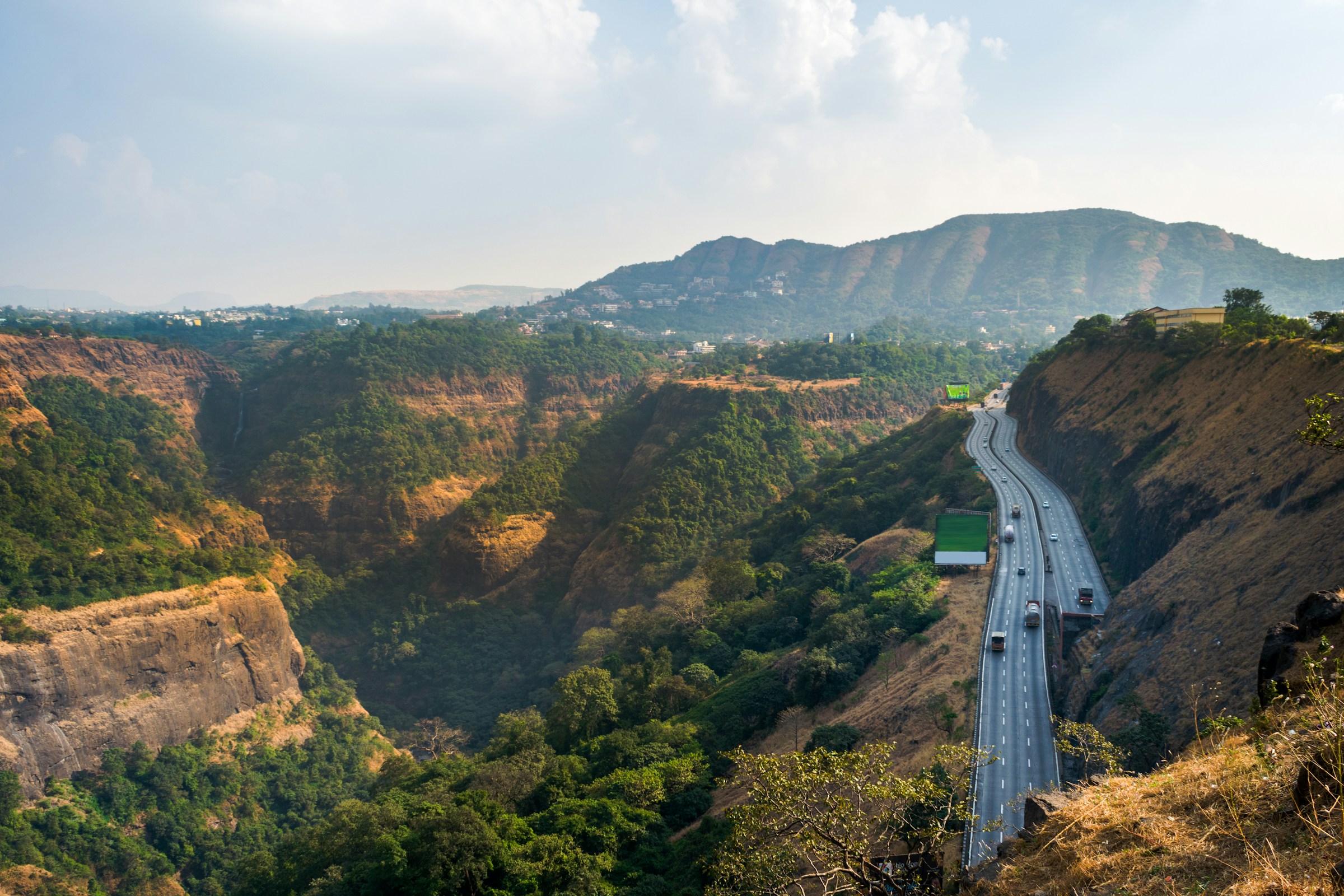
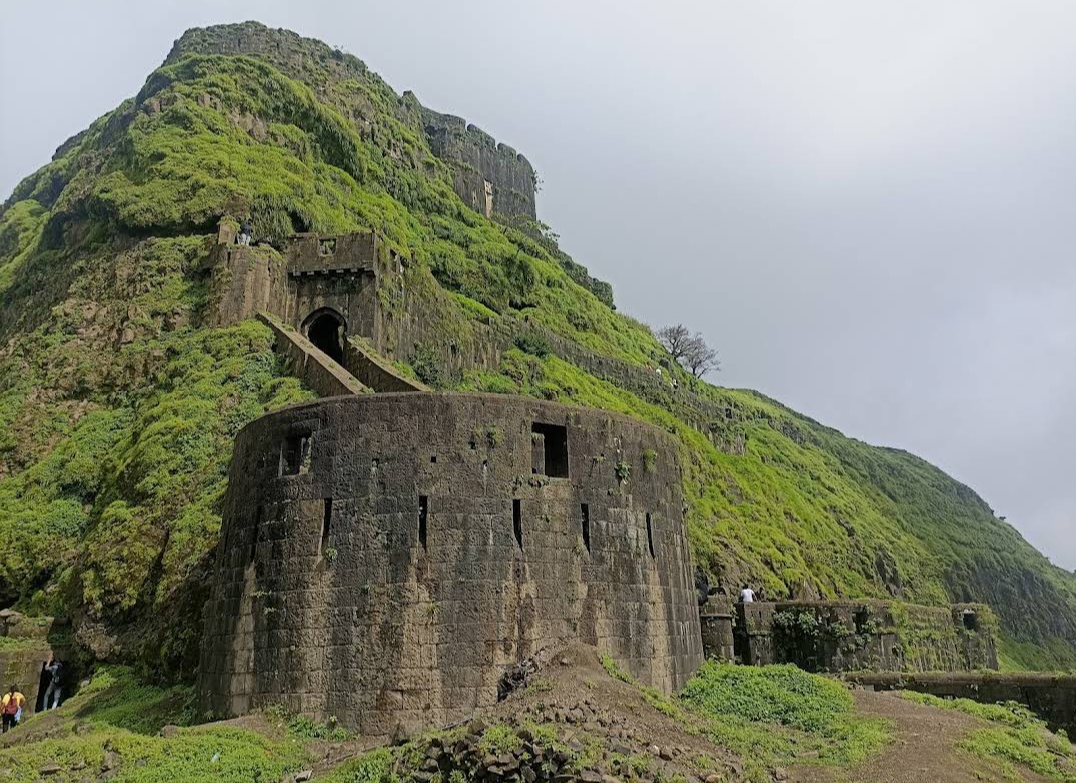
The Lohagad fort, meaning “Iron fort,” is one of the impressive hill forts just 90 km from Mumbai. It’s located in the Sahyadari range of the Western Ghats near Lonavala and Pawna Lake.
It’s believed the fort dates back over 2,000 years and was occupied by several dynasties, including the Satavahanas, Chalukyas, and Rashtrakutas. The fort was part of the Maratha Empire, especially under Chhatrapati Shivaji Maharaj, who used to store in this fort from his successful campaign.
History of Lohagad Fort
Lohagad Fort has a rich history that spans centuries. It was built in 1564 CE by Guru Govind Singh as a prison. But in 1648 CE, Shivaji Maharaj captured the fort. In 1665 CE, Lohagad came under the control of the Mughals through the Treaty of Purandar. In 1670 he recaptured the fort and started storing his wealth collected from Surat. It is believed by the locals that loot from the Surat campaign was stored in secret chambers within Lohagad.In the Peshwa era, various structures were constructed by the Nana Phadnavis, including a stepwell and a grand tank that still stands as a testament to his vision.
After the downfall of the Maratha Empire, the British took control of the fort in 1818.
Architecture of Lohagad Fort
Lohagad has four massive entrance gates:
Ganesh Darwaza
Narayan Darwaza
Hanuman Darwaza
Maha Darwaza
The gates are made in such a way that the enemy doesn’t advance at speed. Its dual fortification system provides defence against invasions. Secret tunnels and escape routes are perfect routes to escape during enemy sieges.
Water Reservoirs and Cisterns
To ensure a supply of water inside the fort, there are several ancient water tanks and cisterns that ensure a steady supply of water. During sieges, such reservoirs prove to be very helpful to store potable water.
Temples and Dargahs
There are small temples dedicated to Lord Shiva, Hanuman, and other deities. The fort also houses a dargah (shrine) of Sheikh Umar.
Trekking
A trek to Lohagad Fort starts from the base village of Bhaje or Malavali, which is located 7 km from Lonavala. It’s a relatively easy trek and takes around 1.5 to 2 hours to climb. The trek is ideal for beginners and families.
At the top of Lohagad Fort, visitors get captivating views of the Bhaja and Karla Caves, as well as the serene Pawna Lake. Another notable feature that is visible is the Vinchu Kata fortification, which looks like the tail of a scorpion.
Best Time to Visit
The best time to visit Lohagad is during the monsoon season (June to September), when the fort is covered in lush greenery, and the waterfalls nearby are at their peak.
Winter (November to February) is also a pleasant time for trekking.
Nearby Attractions
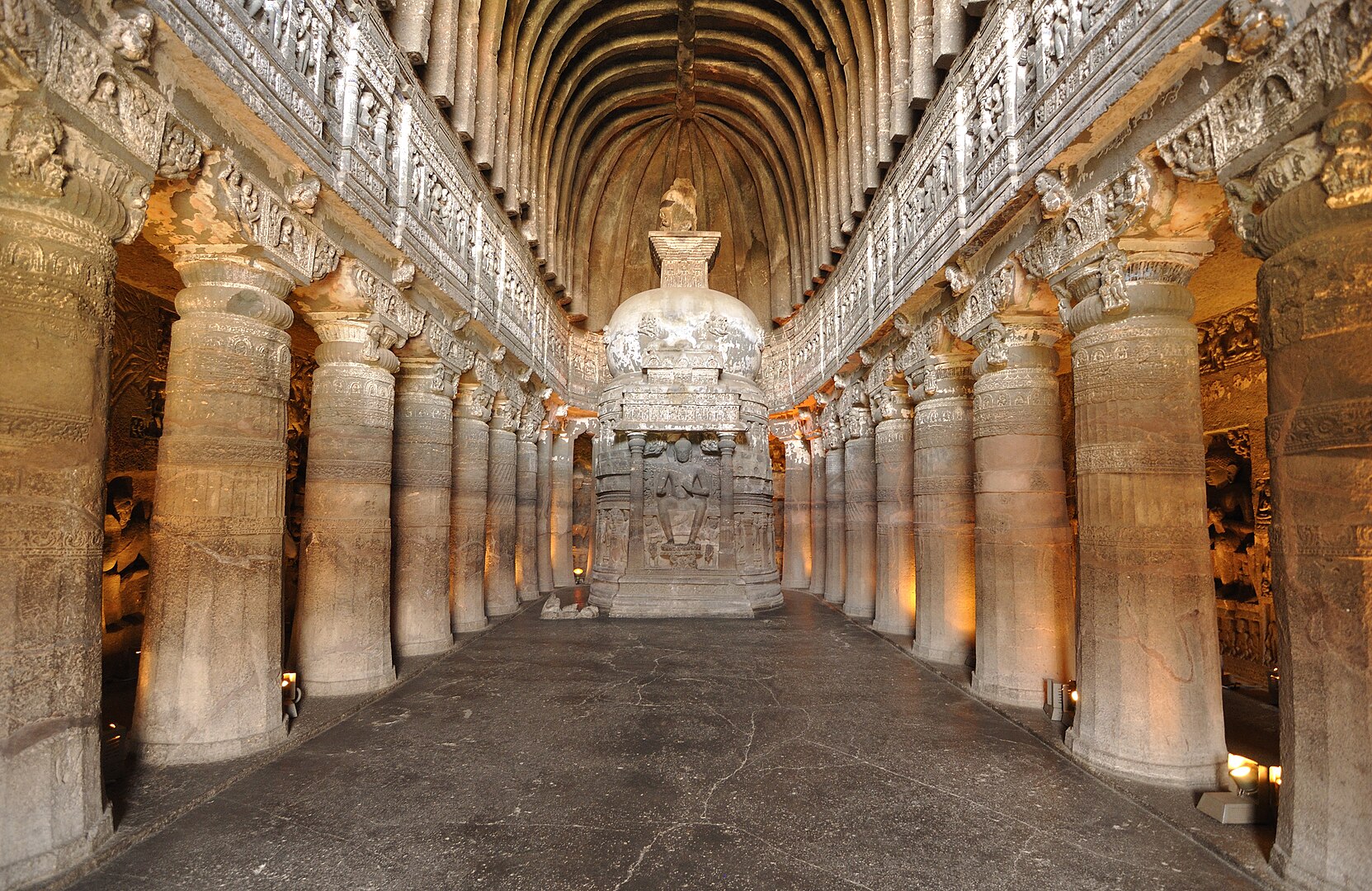
Bhaja Caves
Ancient Buddhist caves located near the base of Lohagad. They feature intricate carvings and stupas dating back to the 2nd century BCE.
Pawna Lake
A picturesque lake near Lohagad, popular for camping and picnics.
Visapur Fort
Located close to Lohagad, this fort is larger and offers more challenging trekking routes.
How to Reach
By Train: Malavali is the nearest railway station (10 km from the fort). From there, shared autos or taxis can take you to the base village.
By Road: Lohagad is well-connected by road and can be accessed from Pune or Lonavala via private vehicles or cabs.
Ticket Pricing and Visitor Information
Timings: 9 AM to 6 PM
Entry Fee: 25 INR for Indians and 200 for foreigners
Map and Location
FAQs
1. Where is Lohagad Fort located?
Lohagad Fort is situated near Malavli village in the Pune district of Maharashtra, about 52 km from Pune and around 100 km from Mumbai. It is one of the most popular trekking destinations in the Western Ghats.
2. What is the historical significance of Lohagad Fort?
Lohagad Fort has a rich history dating back over 2,000 years. It was controlled by several dynasties, including the Satavahanas, Chalukyas, Rashtrakutas, and Marathas. The fort gained prominence under Chhatrapati Shivaji Maharaj, who used it as a strategic military outpost.
3. What is the best time to visit Lohagad Fort?
The best time to visit is during the monsoon season (June to September) when the surrounding hills turn lush green. Winter (October to February) is also ideal due to pleasant weather and clear views.
4. How difficult is the trek to Lohagad Fort?
The trek is considered easy to moderate and is suitable for beginners, families, and children. Well-maintained stone steps lead to the fort, making the climb relatively comfortable.
5. How long does it take to reach the top?
Most visitors take around 45 minutes to 1.5 hours to reach the top from the base village, depending on their fitness level and pace.
6. Is there an entry fee for Lohagad Fort?
Generally, there is no entry fee to visit Lohagad Fort. However, parking charges or local fees may apply near the base area.
7. What are the main attractions inside the fort?
Major attractions include the Vinchu Kata (Scorpion’s Tail), Lohagad Darwaza, Hanuman Gate, Narayan Gate, Maha Darwaza, ancient water tanks, and panoramic views of the Sahyadri hills and Pawna Lake.
8. Can Lohagad Fort be visited during the monsoon?
Yes, the fort is especially popular during the monsoon because of its waterfalls, mist-covered trails, and green landscapes. Visitors should wear proper footwear as the steps can become slippery.
9. Is Lohagad Fort suitable for family trips?
Yes, Lohagad Fort is one of the most family-friendly forts in Maharashtra. The relatively easy trek and scenic surroundings make it a great destination for families, groups, and first-time trekkers.
10. Are food and accommodation facilities available near Lohagad Fort?
Several small eateries, tea stalls, homestays, and hotels are available in Malavli, Lonavala, and nearby villages. Lonavala, located a short distance away, offers a wide range of accommodation options for all budgets.