Overview
Nestled in the rugged hills of the Sahyadri range, Kamalgad Fort is one of the lesser-known yet fascinating forts of Maharashtra. Also known as Bhejana Fort or Kattalgad, this secluded hill fort stands near Wai in Satara district and offers a unique blend of history, adventure, and breathtaking scenery. Located about 41 km from Panchgani and 59 km from Mahabaleshwar, Kamalgad is a perfect destination for trekkers, history enthusiasts, and nature lovers looking to explore beyond the region’s more popular attractions.
Unlike many famous Maratha forts adorned with massive gateways and fortification walls, Kamalgad has a stark and mysterious character. Its isolated location, steep cliffs, and unusual geological features make it one of the most intriguing forts in the Western Ghats.
History of Kamalgad Fort
The origins of Kamalgad Fort remain shrouded in mystery, as historical records do not clearly identify its builder. Over the centuries, the fort changed hands several times and played an important role in the region’s defensive network.
During the Maratha period, Kamalgad and the nearby Pandavgad Fort were administered by a Mokasaddar from Bijapur. Historical documents written in the Modi script of Marathi refer to the fort by the name “Kattalgad,” suggesting that it was known by different names throughout its history.
In April 1818, during the final phase of the Third Anglo-Maratha War, British forces led by Major Thatcher captured the fort. After gaining control, the British reportedly used Kamalgad for detention purposes. Local legends and historical accounts suggest that prisoners were sometimes confined within the fort’s deep rock-cut well, giving the site a dark and haunting reputation.
Today, the fort stands silent, preserving stories of warfare, imprisonment, and centuries of regional history.
Architecture and Features
Kamalgad Fort stands at an elevation of approximately 4,511 feet (1,375 meters) above sea level. The fort occupies around 3 to 4 acres of land and is naturally protected by steep cliffs on all sides, making it difficult to access.
One of the most unusual aspects of Kamalgad is the absence of traditional fort structures. Visitors will not find grand entrance gates, bastions, defensive walls, or large ruins commonly seen at other Maratha forts. Instead, the fort relies heavily on its natural defenses.
The most remarkable feature of the fort is the famous rock-cut well known locally as “Geruchi Vihir.” This cylindrical pit descends nearly 20 feet into the rock and can be accessed by a narrow staircase carved into its interior walls. Historians believe it served as a water source, while local folklore associates it with the imprisonment of criminals and prisoners of war.
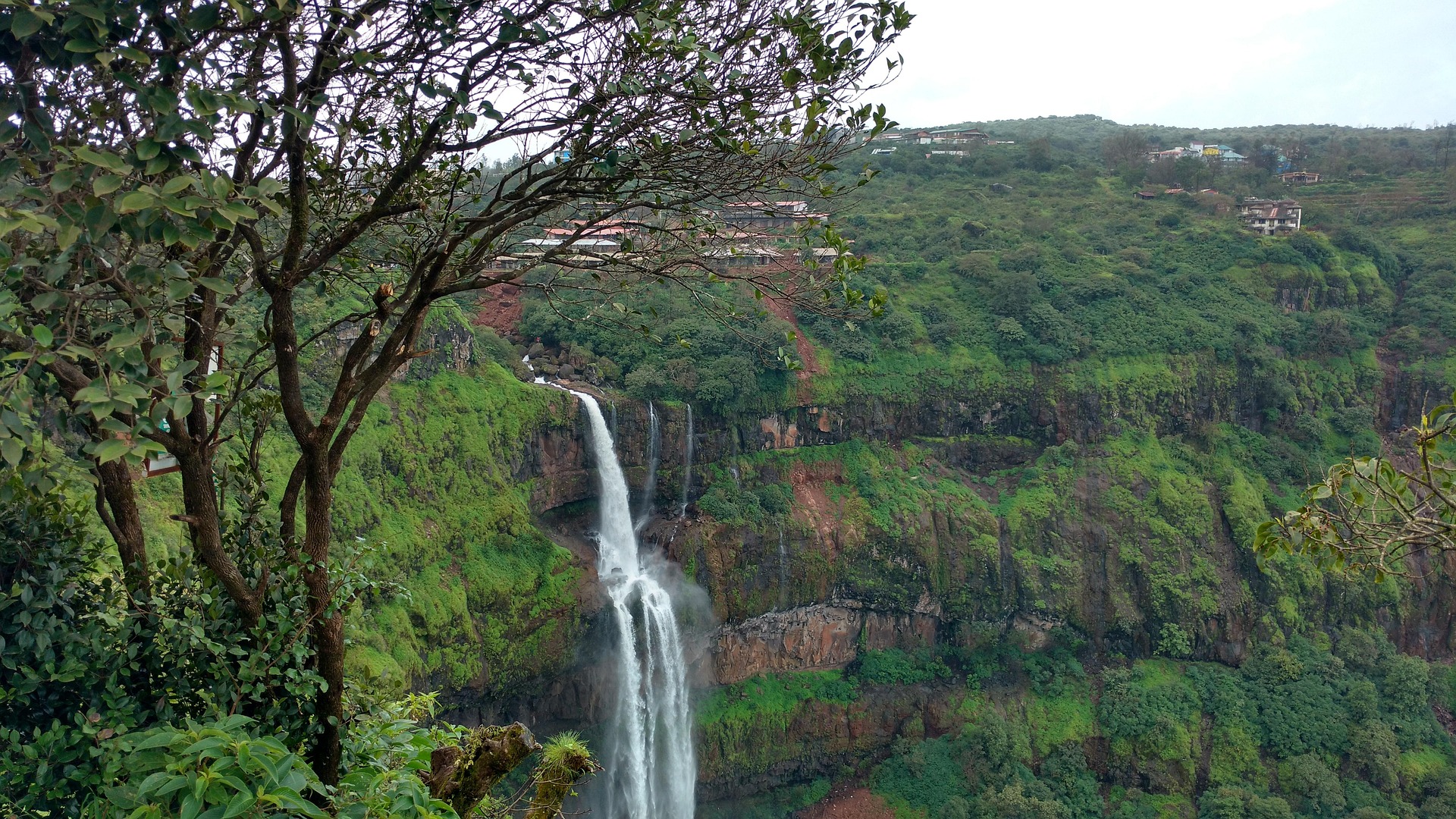
The summit offers spectacular panoramic views of the surrounding valleys, the vast waters of Dhom Dam, the Krishna River basin, and neighboring forts scattered across the Sahyadri mountains. During the monsoon and post-monsoon seasons, the landscape transforms into a lush green paradise covered with wildflowers and mist.
Trekking Experience
The trek to Kamalgad is moderately challenging and rewards visitors with solitude and stunning natural beauty. Unlike popular trekking destinations that attract large crowds, Kamalgad remains relatively untouched, making it ideal for those seeking a peaceful outdoor experience.
The trail passes through small villages, cultivated fields, dense patches of vegetation, and rocky terrain. As trekkers climb higher, they are treated to magnificent views of the surrounding countryside and the towering cliffs of the fort. The final ascent requires careful footing, especially during the rainy season when rocks can become slippery.
Since signboards are limited in some sections, first-time visitors often benefit from hiring a local guide or seeking directions from villagers and shepherds familiar with the route.
How to Reach Kamalgad Fort
Kamalgad Fort is located near Wai in Satara district of Maharashtra and can be reached through several routes.
By Road
Wai serves as the primary gateway to Kamalgad Fort. The town is well connected by road to Pune, Satara, Mahabaleshwar, and Mumbai.
- Pune to Kamalgad: Approximately 110 km
- Satara to Kamalgad: Approximately 45 km
- Mahabaleshwar to Kamalgad: Approximately 59 km
- Panchgani to Kamalgad: Approximately 41 km
From Wai, travelers can drive to either Nandgane or Vasole village, which serve as the main trekking base villages.
By Rail
The nearest railway station is Satara Railway Station, located about 50 km away. From Satara, taxis and buses are available to Wai and the nearby villages.
By Air
The nearest airport is Pune International Airport, approximately 120 km from the fort. Visitors can hire a taxi or travel by bus to Wai and continue onward to the trekking base.
Trek Route
Most trekkers begin their journey from Nandgane Village. The trail initially passes through farmlands and village pathways before gradually ascending through hilly terrain. The trek typically takes 2.5 to 4 hours depending on the route, weather conditions, and trekking pace.
Best Time to Visit
The ideal time to visit Kamalgad Fort is between June and February.
- Monsoon (June to September): Lush greenery, waterfalls, and misty landscapes.
- Post-Monsoon (October to November): Clear views and blooming wildflowers.
- Winter (December to February): Pleasant weather and excellent trekking conditions.
Summer visits are possible but can be challenging due to high temperatures and limited shade.
Nearby Attractions
Dhom Dam
Located close to the fort, Dhom Dam is one of the most scenic reservoirs in the region. Its expansive waters surrounded by hills create excellent photography opportunities.
Wai
Often referred to as the “Dakshin Kashi” of Maharashtra, Wai is known for its ancient temples, river ghats, and historical significance along the Krishna River.
Pandavgad Fort
A nearby hill fort offering panoramic views and a rewarding trekking experience. It shares historical connections with Kamalgad.
Panchgani
This popular hill station is famous for Table Land, scenic viewpoints, strawberry farms, and pleasant weather throughout the year.
Mahabaleshwar
One of Maharashtra’s most famous hill stations, Mahabaleshwar offers stunning viewpoints, waterfalls, boating, and lush forests.
Menavali Ghat
A historic riverside ghat near Wai featuring ancient temples and traditional Maratha-era architecture. Several Bollywood films have been shot here.
Map
FAQs
Is Kamalgad Fort suitable for beginners?
The trek is moderately difficult. Beginners with reasonable fitness can complete it, though some sections may be challenging during the monsoon.
How much time is required for the trek?
A round trip generally takes 5 to 7 hours, depending on the chosen route and time spent exploring the summit.
What is Kamalgad Fort famous for?
The fort is best known for its mysterious rock-cut well called Geruchi Vihir, its dramatic cliffs, and panoramic views of Dhom Dam and the surrounding Sahyadri mountains.
Is a guide necessary?
While not mandatory, hiring a local guide is recommended, especially for first-time visitors, as some trail sections may be difficult to navigate.
Can Kamalgad be visited during the monsoon?
Yes. The monsoon season offers spectacular scenery, but trekkers should exercise caution due to slippery trails and reduced visibility.
Are food and water available on the fort?
There are no food stalls or permanent facilities on the fort. Visitors should carry sufficient drinking water and snacks.
Is camping allowed at Kamalgad Fort?
Camping may be possible in nearby villages or open areas, but visitors should seek local permission and follow responsible camping practices.