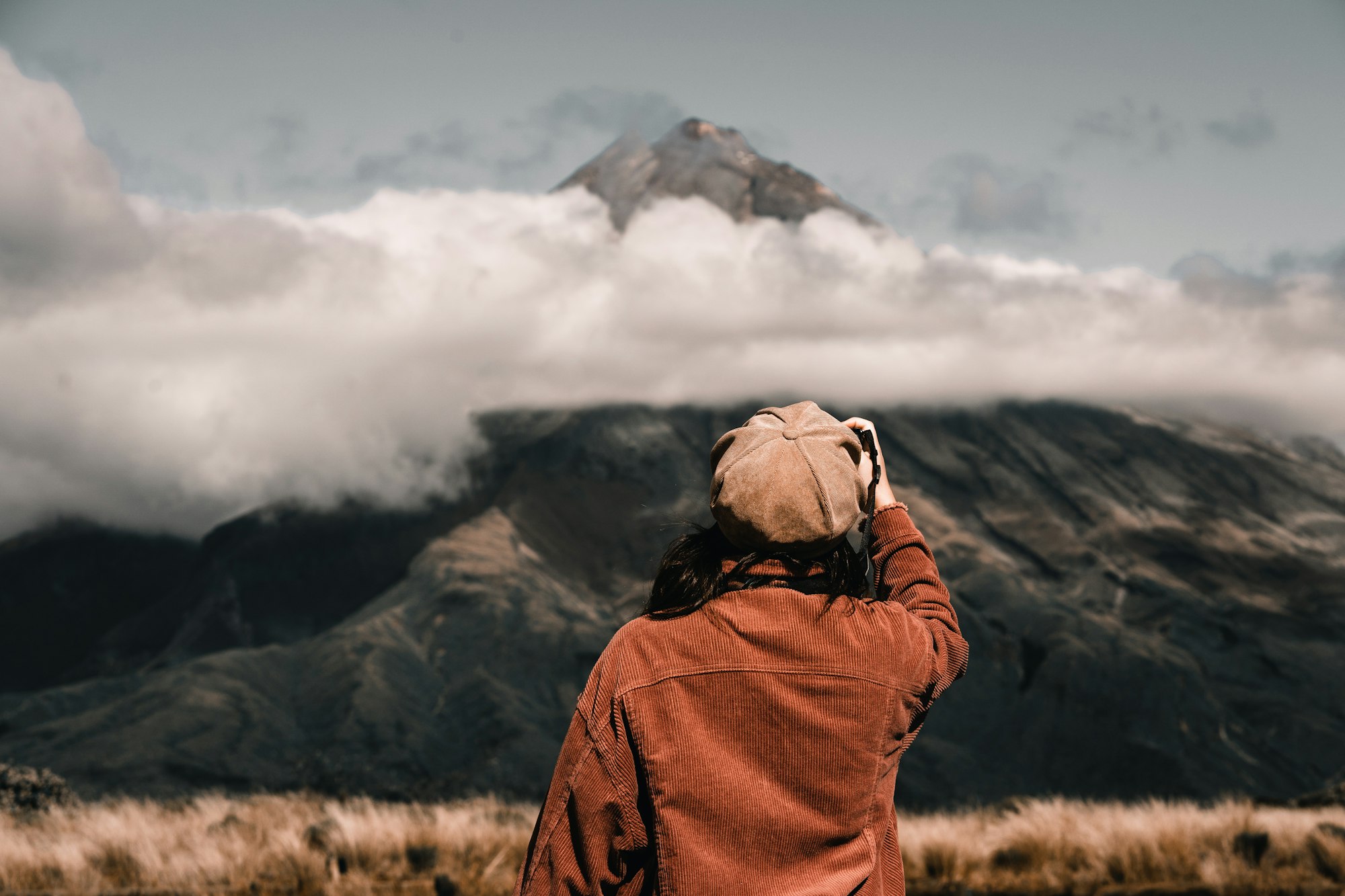
Image Source: Awaara Insaan
About Kalsubai Harishchandragad Wildlife Sanctuary
Spread over an area of 361.16 square kilometres, the Kalsubai Harishchandragad Wildlife Sanctuary is nestled in the Western Ghats of Maharashtra. It was established in 1986 across the Akole and Sangamner talukas of Ahmednagar district. The sanctuary encompasses some of the highest peaks in Maharashtra, including Mount Kalsubai (1,646 meters) and the historic Harishchandragad Fort.
Biodiversity: The sanctuary boasts a rich variety of flora and fauna, including species like leopards, hyenas, wolves, jackals, and various deer species. It is also a paradise for birdwatchers, with sightings of the crested serpent eagle, peregrine falcon, and many endemic species.
Mount Kalsubai: It is the highest peak in Maharashtra, standing at 1,646 meters. The summit hosts a small temple dedicated to the local deity, Kalsubai. Trekking to the peak offers a panoramic view of the Western Ghats.
Harishchandragad Fort: The fort is known for its ancient temples and caves. Konkan Kada (Konkan Cliff) is a popular spot for trekkers.
Best Time to Visit
October to February: The best time to visit the sanctuary is from October to February, when the weather is suitable for wildlife spotting, trekking, and camping.
June to September: During the monsoon seasons, the sanctuary changes into a lush green landscape with cascading waterfalls, making it ideal for nature lovers. However, be careful about slippery trails.
How to Reach
By Air: The nearest airport is Nashik Airport, approximately 90 kilometres away.
By Rail: Igatpuri Railway Station is the closest major railhead, about 45 kilometres from the sanctuary.
By Road: The sanctuary is well connected by road. It is about 185 kilometres from Mumbai and 155 kilometres from Ahmednagar. State transport buses and private taxis are available from these cities.
Nearby Attractions
- Kalsubai Peak – The highest peak in Maharashtra, offering spectacular trekking opportunities and panoramic views of the Sahyadri ranges.
- Harishchandragad Fort – A historic hill fort famous for its ancient caves, temples, and the breathtaking Konkan Kada cliff.
- Konkan Kada – A dramatic cliff edge known for mesmerizing sunsets, cloud formations, and sweeping valley views.
- Ratangad Fort – A popular trekking destination renowned for its ancient fortifications and the famous Nedhe (natural rock cavity).
- Sandhan Valley – Often called the “Valley of Shadows,” this unique canyon is famous for rappelling, camping, and adventure activities.
- Bhandardara Dam – A picturesque reservoir surrounded by mountains, waterfalls, and lush landscapes.
- Arthur Lake – A serene lake ideal for boating, photography, and nature walks.
- Randha Falls – One of Maharashtra’s most impressive waterfalls, especially during the monsoon season.
- Amruteshwar Temple – An ancient Hemadpanti-style Shiva temple known for its intricate stone carvings.
- Umbrella Falls – A seasonal waterfall that becomes a major attraction during and after the monsoon.
- Ghatghar Dam – A scenic location offering beautiful views of forests, valleys, and the surrounding hills.
- Pabargad Fort – A lesser-known fort attracting trekkers seeking offbeat adventures.
Accommodation
Nearby towns like Bhandardara or Igatpuri have multiple options for accommodations. The options within the sanctuary are limited to the Forest Department’s rest houses.
Activities
Trekking: Kalsubai Peak Trek and Harishchandragad Trek are famous for breath-taking views of the western ghats. There are other treeking routes, from moderate to difficult.
Birdwatching: A hotspot for birdwatchers, the sanctuary is home to a diverse avian population. ‘
Travel Tips
Permits: Necessary permission is required from the forest department for trekking and wildlife exploration.
Guides: Do opt for a local guide to have a safer and more informative experience.
Preparation: Carry adequate water, snacks, and first-aid supplies. Wearing sturdy footwear is essential for trekking.
Maps and Location
FAQs
1. Where is Kalsubai Harishchandragad Wildlife Sanctuary located?
The sanctuary is located in the Western Ghats of Maharashtra, spread across parts of Ahmednagar, Nashik, and Thane districts. It is one of the largest protected forest areas in the state.
2. Why is the sanctuary famous?
The sanctuary is known for its rich biodiversity, dense forests, mountain landscapes, trekking trails, and iconic attractions such as Kalsubai Peak, Harishchandragad Fort, and Sandhan Valley.
3. What is the best time to visit the sanctuary?
The best time to visit is from October to February when the weather is pleasant. The monsoon season (June to September) offers lush greenery and waterfalls but can make trekking routes slippery.
4. Which animals can be spotted in the sanctuary?
The sanctuary is home to leopards, barking deer, sambar deer, Indian giant squirrels, wild boars, civets, hyenas, and various species of reptiles and birds.
5. Is trekking allowed inside the sanctuary?
Yes, trekking is one of the major attractions. Popular treks include Kalsubai Peak, Harishchandragad Fort, Ratangad Fort, and Sandhan Valley.
6. Is permission required to visit the sanctuary?
For general sightseeing, permission is usually not required. However, certain trekking routes, camping activities, or organized adventure programs may require prior approval from forest authorities.
7. How difficult is the Kalsubai trek?
The Kalsubai trek is considered moderately challenging. Iron ladders installed along the route help trekkers reach the summit safely.
8. Can visitors camp inside the sanctuary?
Camping is permitted only in designated areas and is subject to forest department regulations. Visitors should check current rules before planning an overnight stay.
9. How much time is needed to explore the sanctuary?
A single-day visit is sufficient for nearby attractions, but adventure enthusiasts often spend 2–3 days exploring multiple trekking routes, forts, and natural attractions within the sanctuary.
10. Is the sanctuary suitable for families?
Yes, families can enjoy nature walks, sightseeing, birdwatching, and visits to nearby attractions such as Bhandardara, Arthur Lake, and Randha Falls. However, challenging treks may be more suitable for experienced hikers.