Image Source: SANTHOSH KUMAR J
About Kumbhe Waterfall
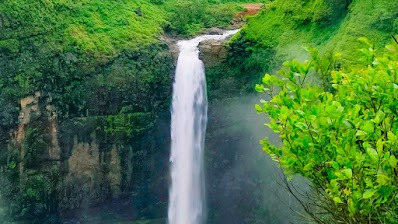
Tucked away in the scenic Raigad district of Maharashtra, Kumbhe Waterfall is one of those offbeat spots that still feels refreshingly untouched. Cascading from a height of about 178 feet, the waterfall is located near the small village of Kumbhe in Mangaon taluka, making it a perfect quick getaway from both Mumbai and Pune.
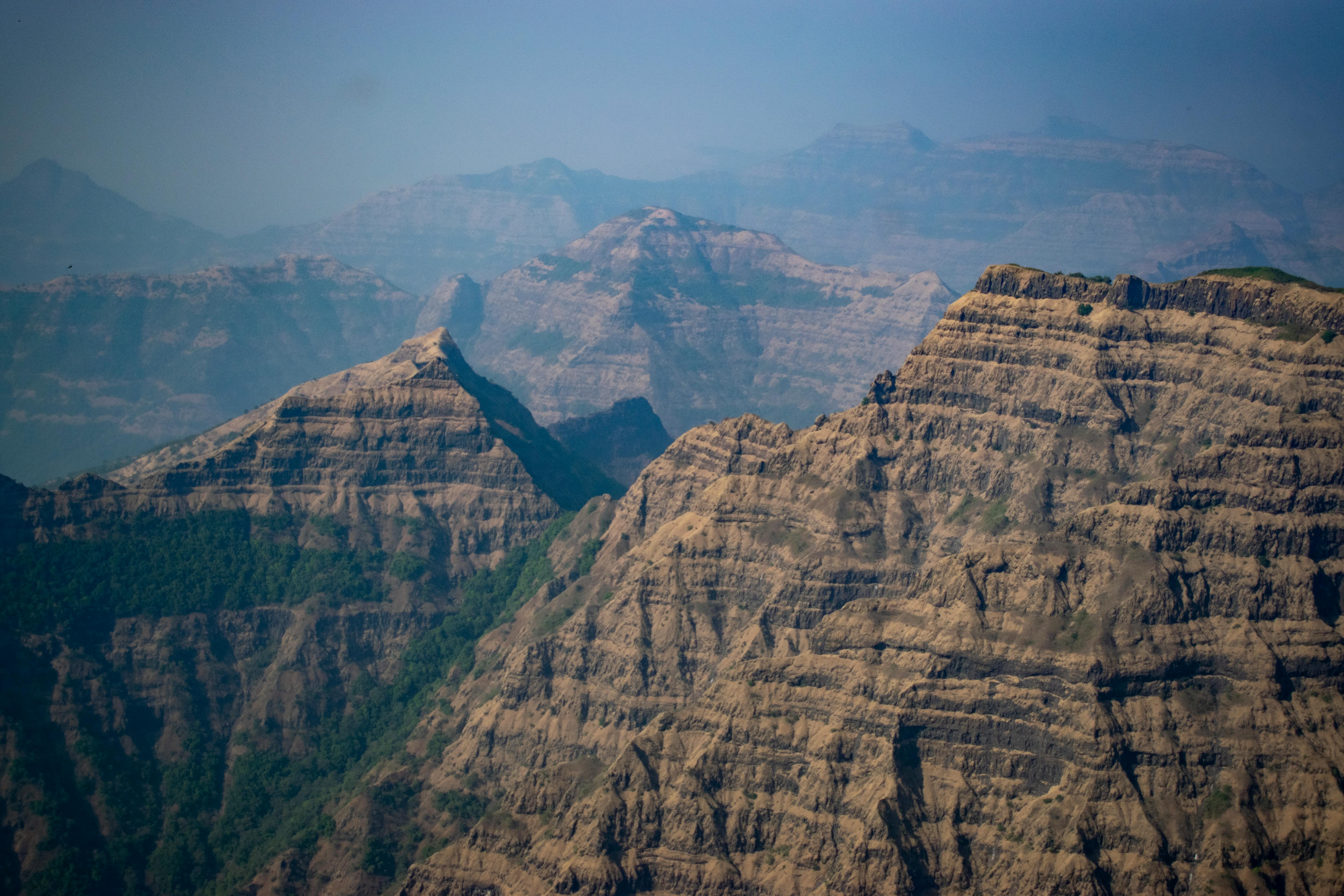
Surrounded by the lush green folds of the Sahyadri Range, the waterfall offers a peaceful escape into nature. With mountains on three sides and fresh, cool air all around, it’s an ideal destination for nature lovers, photographers, and anyone looking to unwind away from the city’s chaos.
Natural Beauty and Experience
What makes Kumbhe Waterfall special is its raw, unspoiled charm. Unlike many commercialized tourist spots, this place still retains a quiet, almost hidden feel.
During the monsoon and just after, the waterfall comes alive with full force, gushing down the rocky cliffs while the surrounding landscape turns a vibrant green. The sound of flowing water, chirping birds, and rustling leaves creates a calming, immersive experience.
It’s also a great place for light trekking, photography, and simply sitting back to enjoy nature at its best.
How to Reach
From Mumbai
- By Road: The most convenient way is to drive. The route typically goes via Panvel → Pen → Nagothane → Kolad → Kumbhe.
Distance: Around 145–165 km
Travel time: 4–5 hours - By Train: The nearest station is Mangaon Railway Station, about 25 km away. From there, you can hire a local taxi.
From Pune
- By Road: Kumbhe Waterfall is about 115 km from Pune and takes roughly 4 hours by car.
- By Train: There’s no direct train option, so road travel is the best choice.
Best Time to Visit
The ideal time to visit Kumbhe Waterfall is during the monsoon and post-monsoon seasons (July to October). This is when the waterfall is at its most powerful and the surroundings are lush and green.
However, avoid visiting during extremely heavy rainfall, as the trails can become slippery and unsafe. In summer, the water flow reduces significantly, and the experience isn’t as impressive.
Viewpoints at Kumbhe Waterfall
Kumbhe offers a few great vantage points, each with a different perspective:
Top Viewpoint
This is the first view you get as you begin your walk. Watching the water tumble down from above gives you a dramatic introduction to the waterfall.
Main Waterfall Viewpoint
Located about 10 minutes from the starting point, this spot offers the clearest and most iconic view. Most photos and videos of Kumbhe Waterfall are taken from here.
Ridge Viewpoint
This is the most adventurous option. Reaching this point involves a more challenging trek along a ridge, making it suitable only for experienced trekkers. The view, however, is worth the effort, offering a sweeping perspective of the entire valley.
Places to Visit Nearby
If you’re planning a longer trip, you can explore a few nearby attractions:
- Gaganbawda – Known for its peaceful atmosphere and panoramic views of the Sahyadris.
- Panhala Fort – A historic fort with strong ties to Maratha history.
- Vishalgad Fort – A popular trekking destination with historical significance.
- Amboli Ghat – Famous for misty landscapes, waterfalls, and biodiversity.
- Dajipur Wildlife Sanctuary – A great spot for wildlife enthusiasts, home to species like Indian bison.
Travel Tips
- Wear sturdy shoes with good grip, especially during monsoon.
- Carry water and light snacks—facilities are limited.
- Avoid venturing too close to the edge, especially during heavy flow.
- Travel in a group if you plan to explore the ridge viewpoint.
- Keep the area clean—carry back any waste.
Maps and Location
FAQs
1. How high is Kumbhe Waterfall?
The waterfall drops from a height of approximately 178 feet.
2. Is Kumbhe Waterfall suitable for beginners?
Yes, the main viewpoint is easily accessible. However, the ridge viewpoint is more challenging and suited for experienced trekkers.
3. Can I swim at Kumbhe Waterfall?
It’s not recommended, especially during monsoon, due to strong currents and slippery rocks.
4. Is there an entry fee?
Generally, there is no official entry fee, but local charges may apply for parking or access.
5. How much time is needed for the visit?
A half-day trip is usually enough to explore the viewpoints and enjoy the surroundings.
6. Is it crowded?
It’s becoming popular, especially on weekends during monsoon, but still less crowded than many other waterfalls near Mumbai and Pune.