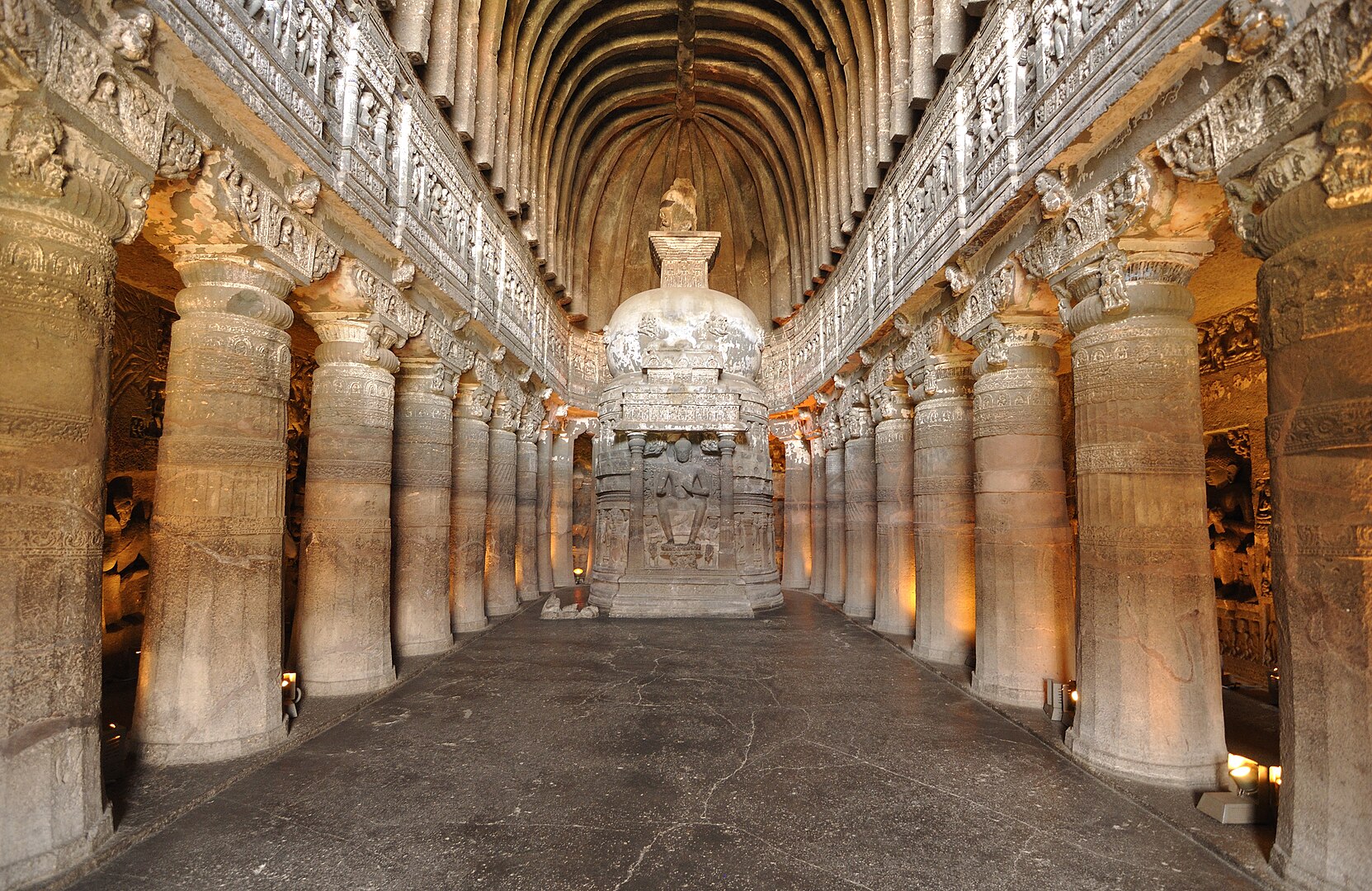
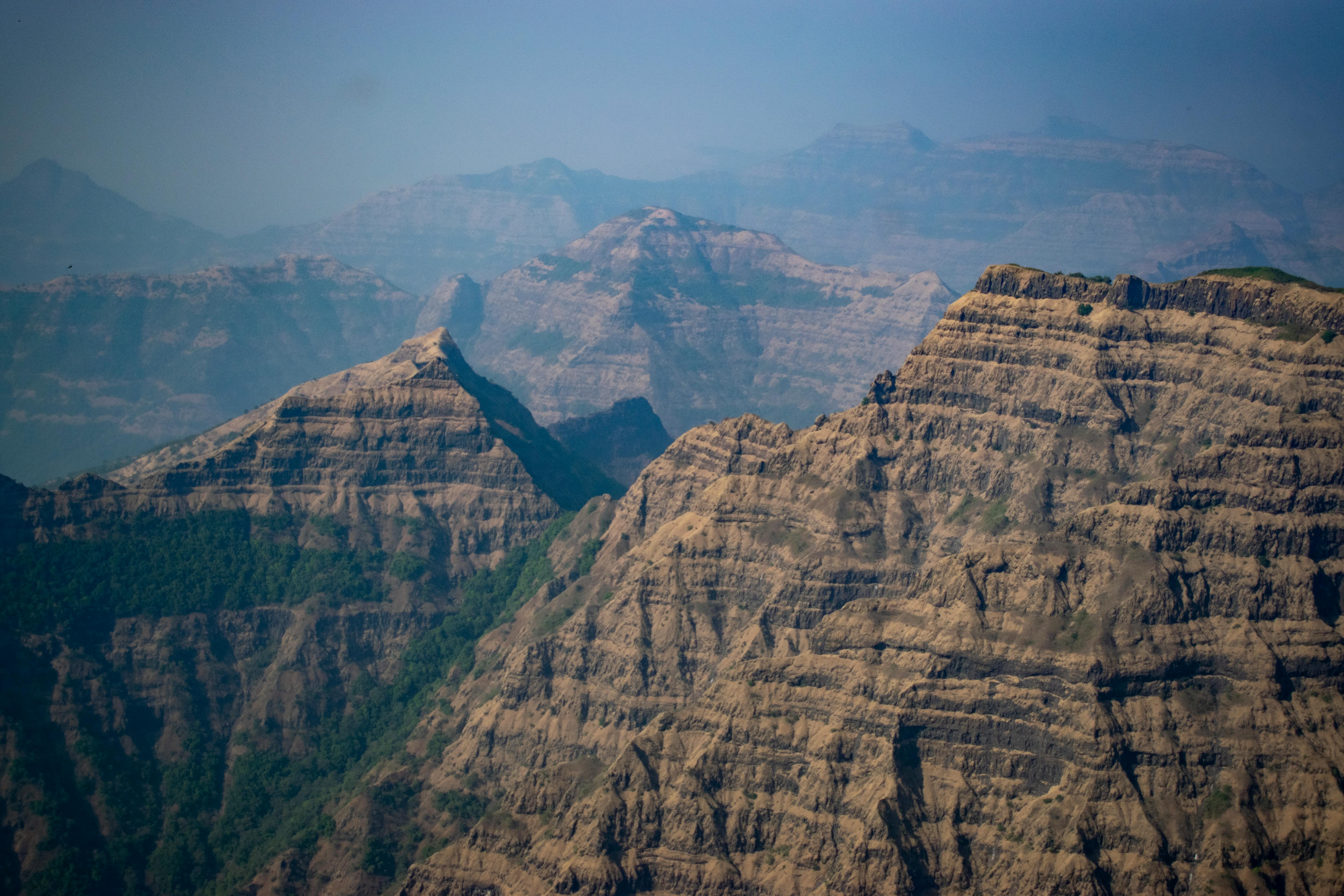
Image Source: siddesh koli
About Kurdugad Fort
Kurdugad Fort, also known as Vishramgad, is a lesser-known hill fort tucked away in the scenic Sahyadri ranges of Maharashtra. Though smaller in size compared to some of the state’s grand forts, Kurdugad carries significant historical importance. The fort was constructed during the reign of Chhatrapati Shivaji Maharaj and served as a strategic watchpoint over the Tamhini Ghat region and nearby trade routes. Its location allowed the Marathas to monitor movements through the dense valleys and mountain passes of the Western Ghats.
The fort derives its name from Goddess Kurdai, the local deity worshipped by villagers in the region. At the base of the fort lies the ancient Kurdai Temple, which remains an important spiritual site for nearby communities. Surrounded by forests, rocky cliffs, and seasonal waterfalls, Kurdugad offers a perfect blend of history, mythology, and natural beauty.
Unlike crowded trekking destinations, Kurdugad still retains a raw and untouched charm. The journey to the fort takes trekkers through thick forests, narrow village trails, rocky patches, and peaceful hamlets, making it an ideal destination for adventure seekers and nature lovers looking for an offbeat experience near Pune and Mumbai.
Historical Significance of Kurdugad Fort
Kurdugad Fort played a defensive role during the Maratha period. Due to its elevated location, the fort acted as a surveillance point for monitoring the routes connecting the Konkan region to the Deccan plateau. The surrounding valleys and passes, especially the Tamhini Ghat route, were strategically important during medieval times.
Although much of the original fort structure has now fallen into ruins, remnants of fortification walls, water cisterns, and rocky pathways still reflect its military importance. The fort may not have massive bastions like Rajgad or Raigad, but its geographical positioning made it valuable for communication and defense during the Maratha era.
How to Reach Kurdugad Fort
From Pune
Travel from Pune towards Tamhini Ghat via Mulshi. Continue the journey through Dhamanwal village to reach the plateau area near the base of the fort. The route is extremely scenic, especially during the monsoon season when the entire region becomes covered in mist, waterfalls, and lush greenery.
From Jite Village
Another popular trekking route begins from Jite village. The trail follows a small water stream and gradually enters a forested region. Trekkers will notice a rock patch with an idol carved into it; from here, a left turn leads towards the main trail. The route then passes through farms, steep ascents, and village paths before eventually reaching Pethwadi village.
Nearest Railway Station
The nearest major railway station is Mangaon, located in the Raigad district. From there, local transport or private vehicles can be hired to reach the base villages.
Trekking Route to Kurdugad Fort
The trek to Kurdugad Fort is relatively short compared to many Sahyadri treks, but the terrain can be moderately challenging due to steep climbs and forest sections.
Dhanamhole Village Route
This is one of the common approaches to the fort. The trek starts with crossing a small hillock followed by a descent along a rocky trail. Trekkers then enter a dense forest section where the path becomes narrow and uneven. During monsoon, the forest appears incredibly beautiful with moss-covered rocks and flowing streams.
The final climb from the base to the fort usually takes around 30 minutes. Though short, the ascent can be steep in certain sections and requires careful footing.
Jite to Pethwadi Route
This trail is slightly longer and takes approximately 1.5 hours to complete. The route involves several turns through village trails and forest patches. On reaching Pethwadi village, trekkers can visit the Kurdai Temple and nearby water tank before beginning the final ascent.
The climb from the temple towards the fort becomes steeper but rewards trekkers with breathtaking views of valleys, hills, and surrounding Sahyadri peaks.
What to See at Kurdugad Fort
Although the fort is partially ruined, several attractions make the trek worthwhile:
- Ancient rock-cut water cisterns.
- Remains of fort walls and structures.
- Dense Sahyadri forests.
- Scenic valley viewpoints.
- Kurdai Temple near Pethwadi.
- Monsoon waterfalls and mist-covered hills.
The summit offers panoramic views of the surrounding mountain ranges and nearby villages. During clear weather, the landscape appears incredibly dramatic and photogenic.
Best Time to Visit Kurdugad Fort
Monsoon (July to September)
Monsoon is the most beautiful time to visit Kurdugad Fort. The entire region transforms into a green paradise filled with clouds, waterfalls, blooming plants, and misty landscapes. The forest trails become magical during this season. However, trekkers should remain cautious because the paths can become slippery and muddy.
Winter (November to February)
Winter is considered one of the best seasons for trekking to Kurdugad Fort. The weather remains cool and pleasant, making the climb comfortable and enjoyable. Clear skies during winter also provide better mountain views.
Summer (March to May)
Summer is generally not recommended for trekking here. The region becomes hot and humid during the daytime, and the exposed sections of the trail can feel exhausting. If visiting in summer, start the trek early in the morning.
Things to Keep in Mind Before Trekking
- Wear trekking shoes with good grip.
- Carry sufficient drinking water and snacks.
- Avoid trekking alone during heavy monsoon conditions.
- Start early to avoid trekking after dark.
- Respect local villages and temple areas.
- Carry rain protection during monsoon months.
Why Kurdugad Fort is Worth Visiting
Kurdugad Fort is perfect for travelers who enjoy hidden historical sites and peaceful trekking experiences away from commercial tourist crowds. The combination of Maratha history, dense forests, ancient temple traditions, and scenic Sahyadri landscapes creates a memorable experience for both beginner and experienced trekkers.
The fort may not be heavily developed for tourism, but that untouched atmosphere is exactly what makes it special. Whether you visit for photography, trekking, history, or simply to experience the beauty of the Western Ghats, Kurdugad offers a refreshing escape into nature.
Maps and loaction
FAQs
Is Kurdugad Fort suitable for beginners?
Yes, the trek is suitable for beginners with basic fitness levels. However, some sections can become slippery during monsoon.
How long does the trek take?
Depending on the route chosen, the trek usually takes between 1.5 to 3 hours to reach the fort.
Is camping allowed at Kurdugad Fort?
Camping is possible near the base villages or plateau areas, but trekkers should confirm with locals before setting up camps.
What is the height of Kurdugad Fort?
Kurdugad Fort stands at an elevation of around 3,200 feet above sea level.
Are food and water available during the trek?
Basic food may be available in nearby villages, but it is advisable to carry your own water and snacks.
Is Kurdugad Fort safe during monsoon?
Yes, but trekkers should be careful because the forest trails and rocky patches become slippery during heavy rainfall.
Can the fort be visited in one day from Pune?
Yes, Kurdugad Fort is suitable for a one-day trip from Pune or nearby regions.