Image Source: ASSAM INSTITUTE OF RESEARCH
About Hmar Tribal Villages
Hidden among the mist-covered hills of Manipur, the Hmar tribal villages offer a glimpse into a way of life that has remained deeply connected to tradition, community, and nature. Found mainly in the northern and western hill regions of the state, especially around areas bordering Mizoram and Assam, these villages are known for their peaceful surroundings, warm hospitality, and strong cultural identity. Life here moves at a slower pace, far away from the noise of cities, making the villages an ideal destination for travelers who want to experience the authentic spirit of Northeast India.
The journey to many Hmar settlements itself is memorable. Winding mountain roads pass through dense forests, bamboo groves, and rolling green hills that seem untouched by time. During the monsoon season, clouds drift low across the valleys, while winter mornings often begin with a soft blanket of mist covering the landscape. The scenery around the villages changes beautifully throughout the year, giving visitors a chance to witness the natural beauty of Manipur in different moods and colors.
Cultural Heritage and Traditions
The Hmar community has a rich cultural heritage that is preserved through songs, folklore, oral history, and traditional customs. Elders in the villages continue to pass down stories of ancestral migrations, warrior legends, and spiritual beliefs through storytelling gatherings that often take place during evenings around the hearth. These oral traditions remain an important part of community life and help younger generations stay connected to their roots.
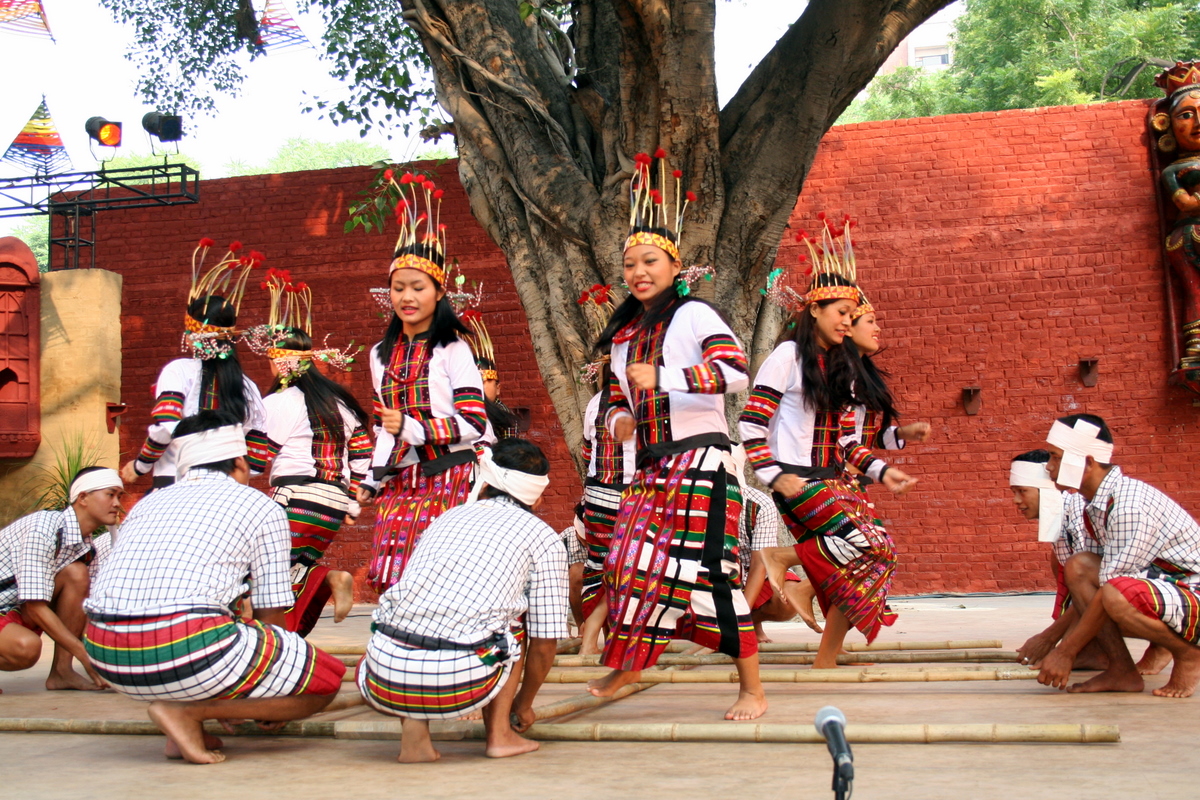
Festivals hold special importance among the Hmar people, bringing entire villages together in celebration. One of the most significant festivals is Sikpui Ruoi, a traditional harvest and thanksgiving festival marked by music, dance, community feasts, and rituals. Men and women dressed in colorful traditional attire perform folk dances accompanied by drums, gongs, and bamboo instruments, creating an atmosphere filled with energy and joy. Visitors who arrive during festival periods often get a rare opportunity to witness the vibrant cultural life of the hills firsthand.
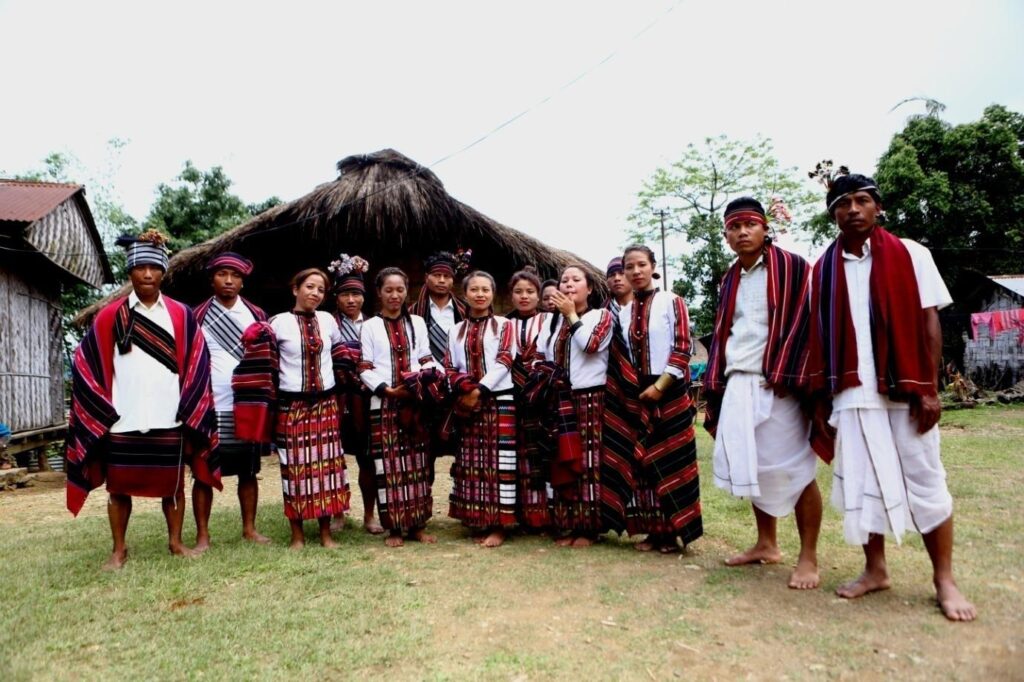
Handloom weaving is another treasured tradition in Hmar villages. Women skillfully weave beautiful shawls, wraps, and traditional garments using patterns that reflect tribal identity and heritage. The designs are not merely decorative but often carry cultural meanings connected to clan history and local beliefs. Handmade bamboo crafts, baskets, and household items are also commonly seen in village homes and markets.
Architecture and Village Lifestyle
The architecture of Hmar villages reflects a close understanding of the hilly environment. Traditional homes are usually built using bamboo, timber, cane, and locally available materials. Many houses stand on stilts, a design that protects against heavy rains, uneven terrain, and wild animals. Sloping roofs help drain rainwater quickly during the long monsoon season, while open verandas serve as gathering spaces where families relax, weave, or share conversations with neighbors.
Community bonds are extremely strong in village life. People often work together during farming seasons, house construction, and festivals. Hospitality is deeply valued, and visitors are usually welcomed with warmth and simple home-cooked meals. Traditional Hmar cuisine includes rice, smoked meat, fermented bamboo shoots, boiled vegetables, and locally grown herbs. Meals are generally mild yet flavorful, reflecting the community’s connection with natural ingredients from the forests and farms.
Agriculture remains the backbone of the local economy. Many villagers practice jhum cultivation, also known as shifting cultivation, while terrace farming is also common in certain areas. Rice, maize, ginger, chili, and seasonal vegetables are widely cultivated on the hill slopes. In addition to farming, livestock rearing and gathering forest produce contribute to daily life and sustenance.
Natural Beauty and Local Surroundings
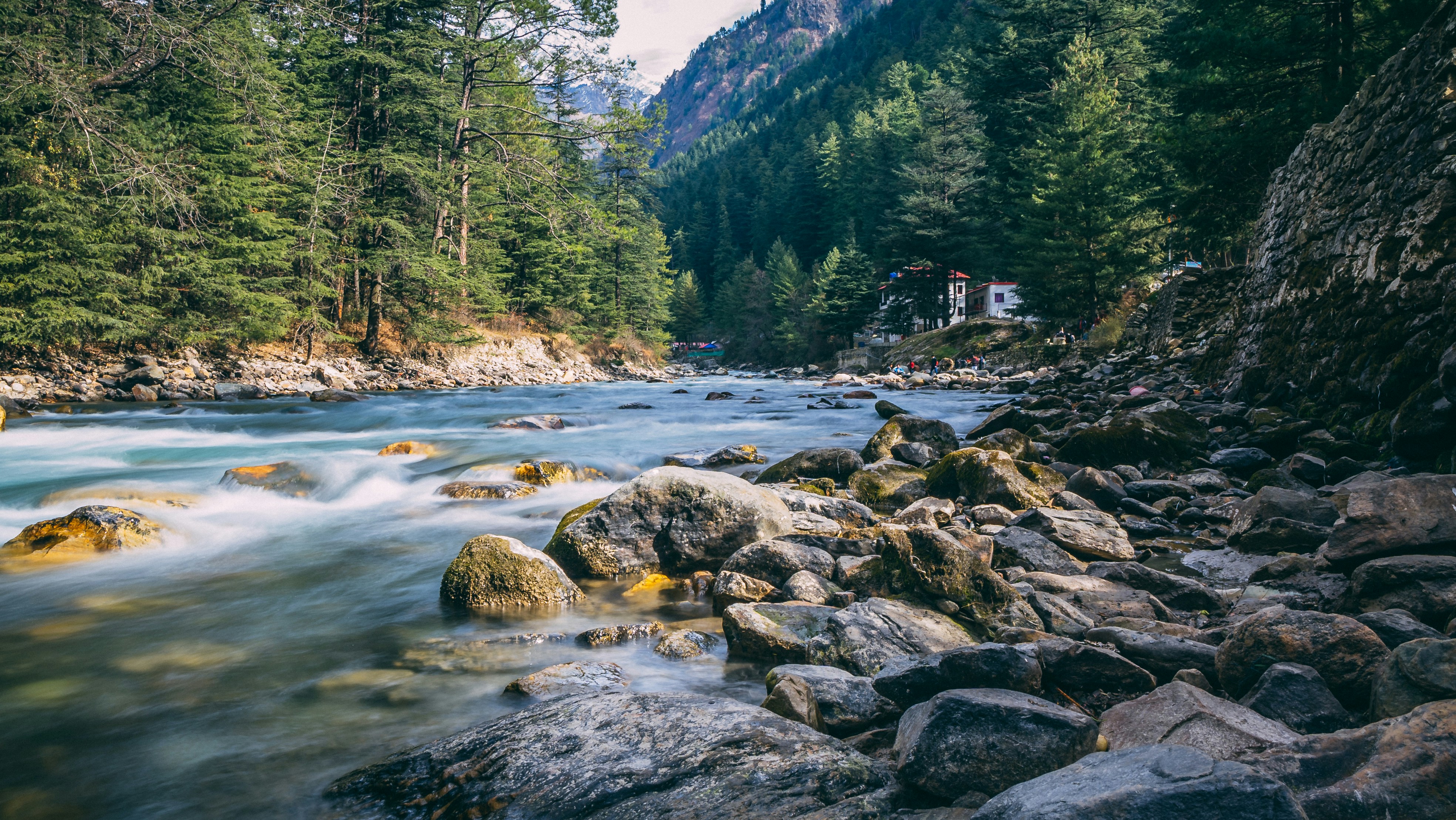
The surroundings of Hmar villages are among their greatest attractions. Thick bamboo forests, sparkling streams, hidden waterfalls, and panoramic hill views create an atmosphere of remarkable peace and beauty. Birdsong echoes through the valleys in the early mornings, while cool mountain breezes make even simple walks through the village refreshing and memorable.
Nature lovers and photographers often find these villages particularly rewarding. Narrow foot trails connect settlements through forests and hills, offering scenic trekking opportunities and stunning viewpoints. During spring and early summer, wildflowers bloom across the slopes, adding vibrant colors to the landscape. In some areas, orange orchards and small patches of flowering plants brighten the hillsides, especially after the rains.
Several Hmar settlements also lie close to important ecological zones of Manipur, where travelers can observe rare flora, butterflies, and mountain bird species. The untouched environment and low levels of commercial tourism make the region feel raw, peaceful, and deeply authentic compared to more crowded tourist destinations.
Local Experiences for Visitors
Visiting a Hmar village is less about sightseeing and more about experiencing a different rhythm of life. Guests can spend time learning traditional weaving techniques, tasting local food, participating in cultural gatherings, or simply enjoying conversations with villagers. Homestays in some villages allow travelers to experience daily life closely, from cooking over firewood to waking up to sunrise views across the hills.
Travelers interested in responsible and cultural tourism often appreciate the simplicity and sincerity of these communities. Respect for local customs, modest dressing, and permission before photographing people are generally appreciated by villagers. Since many settlements are located in remote hill areas, carrying essentials and planning travel carefully is recommended.
Best Time to Visit
The best time to visit Hmar tribal villages is between October and April, when the weather remains cool and pleasant. The post-monsoon months bring lush greenery and clear skies, making the hills especially beautiful. Winter mornings can be chilly, but the crisp mountain air and scenic views create a peaceful atmosphere ideal for exploration and cultural experiences.
How To Reach
By Air
The nearest major airport is Imphal International Airport, located in the capital city of Manipur. Imphal is well connected with cities such as Delhi, Kolkata, Guwahati, and Shillong through regular flights. From Imphal, travelers can continue their journey to Hmar-inhabited hill regions by road.
By Train
Manipur does not yet have extensive railway connectivity in the hill districts, so the nearest major railway stations are Silchar in Assam and Dimapur in Nagaland. Silchar is commonly used by travelers heading toward the western hill regions where several Hmar settlements are located. From the railway station, taxis and shared vehicles are available for onward travel.
By Road
Road travel is the most important way to reach the Hmar villages. From Imphal, travelers can hire private taxis, SUVs, or use shared sumo services that operate toward hill districts and border areas. Roads pass through winding mountain routes, dense forests, and small villages, making the journey scenic but sometimes slow due to hilly terrain.
Villages in districts such as Churachandpur and nearby hill regions are among the more accessible Hmar settlements. Some remote villages may require short treks or travel on narrow rural roads after the main highway ends.
Local Transport
In the hill regions, local shared jeeps and sumo vehicles are commonly used by residents for transportation between villages and nearby towns. Private vehicles are often the most convenient option for travelers because public transport frequency can be limited in remote areas.
Travel Tips
Travelers are advised to begin their journey early in the day, as hill roads can become difficult to navigate after dark or during heavy rainfall. Carrying essentials such as warm clothing, medicines, snacks, and cash is recommended because facilities in remote villages may be limited. Mobile network connectivity can also be weak in some hill areas.
Nearby Attractions to Hmar Tribal Villages
Tamdil Lake
A beautiful natural lake surrounded by lush forests, popular for boating, picnics, and enjoying Mizoram’s serene landscapes.
Reiek
A picturesque hill destination offering panoramic views of the surrounding valleys and an opportunity to experience traditional Mizo village life.
Vantawng Falls
The highest waterfall in Mizoram, known for its spectacular scenery and dense green surroundings.
Phawngpui National Park
Also known as the Blue Mountain National Park, this protected area is home to diverse wildlife, rare orchids, and stunning mountain views.
Aizawl
The capital city of Mizoram, featuring local markets, cultural centers, churches, and excellent viewpoints overlooking the hills.
Durtlang Hills
A scenic viewpoint offering breathtaking vistas of Aizawl and the surrounding mountain ranges.
Mizo Hlakungpui Mual
A cultural complex that showcases the traditions, customs, and heritage of the Mizo people through exhibits and performances.
Lengteng Wildlife Sanctuary
A biodiversity-rich sanctuary known for its forests, birdlife, and trekking opportunities.
Champhai Valley
Often called the “Rice Bowl of Mizoram,” this scenic valley is famous for its rolling fields and beautiful landscapes near the Myanmar border.
Sialsuk
A charming hill village offering scenic viewpoints, traditional Mizo culture, and a peaceful rural atmosphere.
Google Maps
FAQ’s
Hmar tribal villages are mainly found in the hill districts of Manipur, particularly in regions bordering Mizoram and Assam. Some settlements are located in remote mountainous areas surrounded by forests and valleys.
2. What is the Hmar community known for?
The Hmar people are known for their rich traditions, folk music, colorful festivals, storytelling culture, handloom weaving, and strong community lifestyle rooted in the hills.
3. What is Sikpui Ruoi festival?
Sikpui Ruoi is one of the major festivals celebrated by the Hmar community. It is a harvest and thanksgiving festival marked by traditional dances, songs, feasts, and community celebrations.
4. Can tourists stay in Hmar villages?
Yes, in some villages visitors can stay in homestays and experience local life, traditional food, and cultural activities. However, facilities may be simple due to the remote location of many settlements.
5. What is the best time to visit Hmar tribal villages?
The ideal time to visit is from October to April, when the weather is pleasant and the hills are lush and scenic after the monsoon season.