Image Source: Diamond Oina
About Langthabal Palace
Nestled on the outskirts of Imphal, Langthabal Palace, locally known as Langthabal Konung, stands as one of Manipur’s most intriguing historical landmarks. Although much of the palace now lies in ruins, the site still preserves the atmosphere of a once-glorious royal settlement that played an important role in the history of the Manipuri kingdom. Located close to the present-day Manipur University campus, Langthabal was once a vibrant center of royal life, governance, culture, and ceremonial activities.
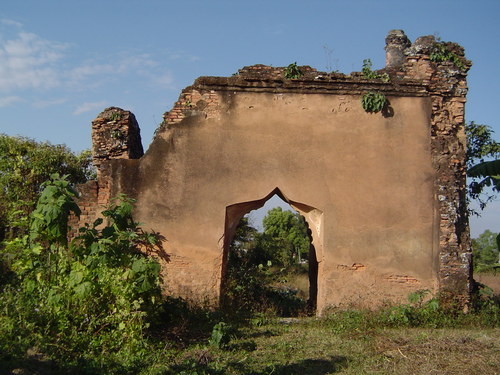
Today, visitors encounter scattered brick remains, weathered walls, old platforms, and traces of traditional Manipuri architectural styles hidden amid greenery. The quiet surroundings, rolling hills, and open landscapes give the place a timeless quality, allowing travelers to imagine the grandeur that once existed here. Far from being just an archaeological site, Langthabal Palace reflects the political, cultural, and artistic legacy of Manipur’s royal era.
History
Langthabal Palace holds deep historical importance in the story of Manipur. The site became especially significant during the reign of Maharaja Gambhir Singh in the early nineteenth century, though the region itself had royal associations long before that. Over time, several rulers expanded and developed the palace complex, turning it into an important royal residence and administrative headquarters.
The location was carefully chosen due to its elevated terrain and commanding views of the surrounding valley. In earlier times, such strategic positioning was essential for defense, surveillance, and communication. At the same time, the peaceful environment and scenic beauty made it suitable for royal living.
Langthabal also witnessed many major political developments in Manipur’s history. During the Anglo-Manipur War of 1891, the palace area became connected with military planning and political tensions involving the Manipuri kingdom and the British Empire. The conflict marked a turning point in the history of Manipur, eventually leading to British control over the region. Even though the palace suffered decline afterward, its ruins continue to symbolize the resilience and identity of the Manipuri people.
Architecture and Ruins
Although only fragments of the palace survive today, the ruins still reveal glimpses of its former magnificence. The remaining brick structures suggest that the palace complex once included royal halls, courtyards, gateways, residential quarters, and ceremonial spaces. Traditional Manipuri construction techniques can still be observed in some of the surviving foundations and wall sections.
Unlike the massive stone forts seen in other parts of India, Langthabal Palace reflected the architectural style suited to Manipur’s climate and geography. The use of locally available materials, spacious layouts, and harmony with the surrounding landscape were important features of traditional Manipuri royal architecture.
Nature has slowly reclaimed parts of the palace over the years. Trees, grass, and climbing plants now surround many of the ruins, creating a unique blend of history and natural beauty. This combination gives the site a calm and almost mystical atmosphere, especially during the early morning or evening hours.
Cultural Importance
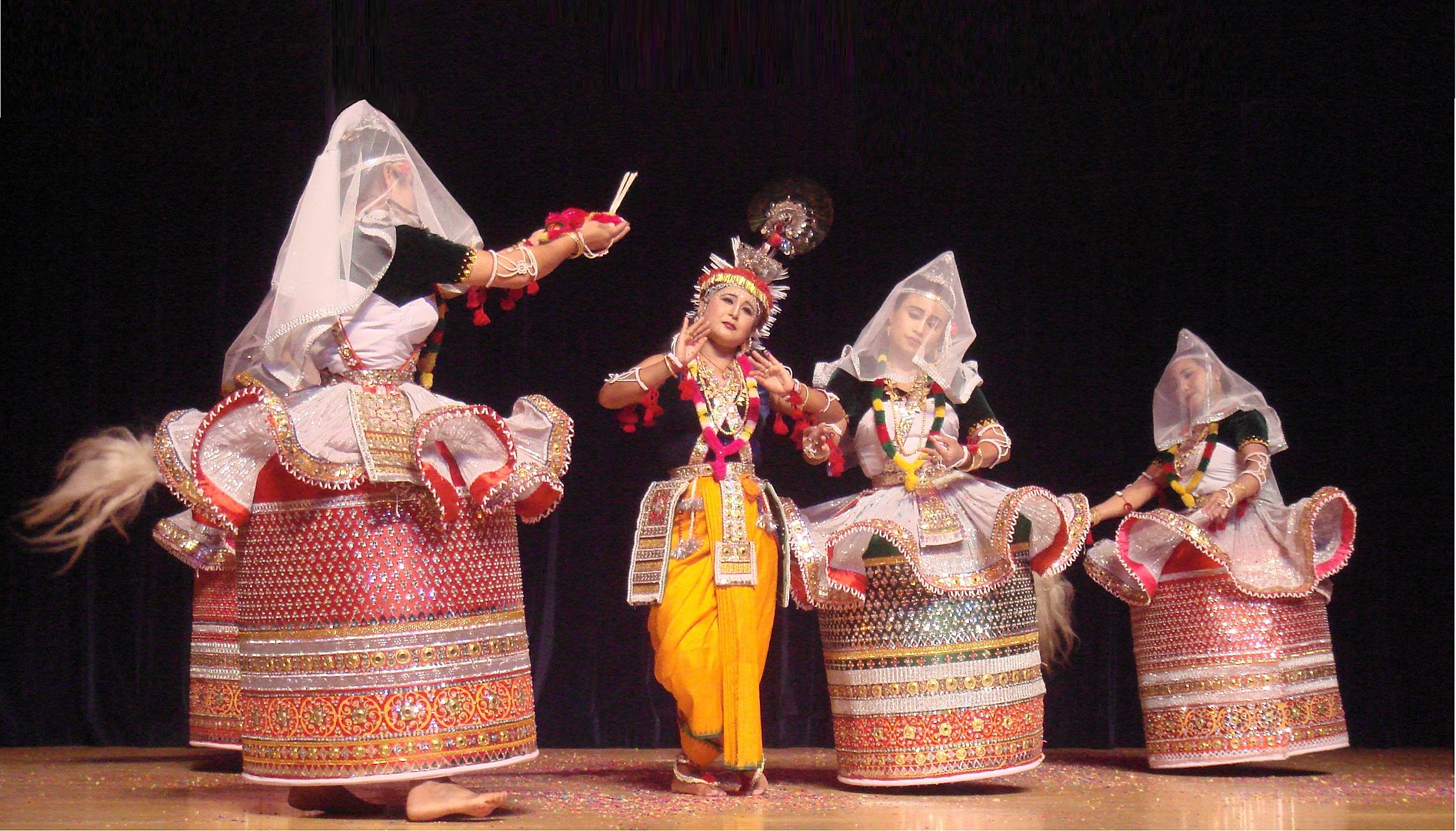
Langthabal Palace is not only historically important but also culturally meaningful for the people of Manipur. It represents an era when the Manipuri kingdom flourished through art, dance, governance, literature, and indigenous traditions. The palace grounds were once associated with royal ceremonies, cultural gatherings, and administrative functions that shaped the region’s identity.
For locals, the site serves as a reminder of Manipur’s independent royal heritage before colonial influence reshaped the political landscape. Historians and researchers continue to study the palace ruins to better understand the social and architectural traditions of the kingdom.
The nearby presence of Manipur University also gives the area an intellectual atmosphere, attracting students, historians, and travelers interested in the state’s cultural roots.
Visitor Experience at Langthabal Palace
A visit to Langthabal Palace offers a peaceful and reflective experience rather than a typical crowded tourist attraction. Travelers can walk through the open ruins, observe the remaining brickwork, and explore the quiet pathways that weave through the historical site.
The palace surroundings are especially appealing for photography enthusiasts. The contrast between ancient ruins and green landscapes creates striking visual scenes, particularly during sunrise and sunset when soft light falls across the old structures. The nearby hills add further scenic beauty to the area.
History lovers often find the site fascinating because it allows them to connect imagination with reality. Standing among the remnants of old walls and gateways, one can almost picture the royal courts, soldiers, ceremonies, and daily life that once animated the palace grounds centuries ago.
The peaceful environment also makes Langthabal an ideal spot for travelers seeking a break from the busier parts of Imphal.
Best Time to Visit
The best time to visit Langthabal Palace is between October and March, when the weather in Manipur remains cool and pleasant. During these months, the greenery surrounding the ruins appears especially vibrant, and sightseeing becomes more comfortable.
The monsoon season, from June to September, brings heavy rainfall to the region. While the landscape becomes lush and beautiful, slippery paths and wet conditions can make exploration difficult.
Morning and late afternoon are considered the best times of day for visiting because the temperatures remain mild and the lighting enhances the beauty of the ruins.
How to Reach Langthabal Palace
By Road
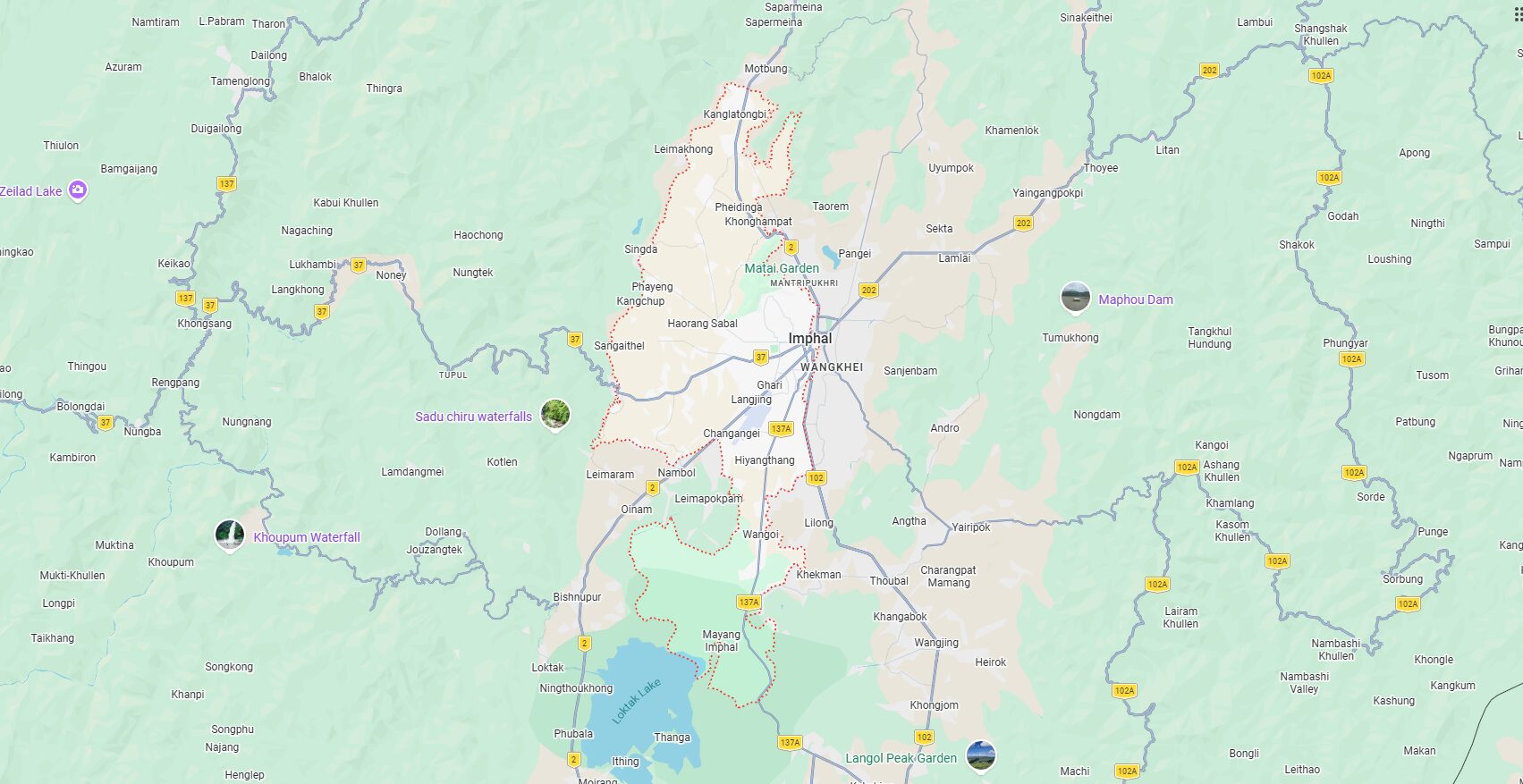
Langthabal Palace is located around 7 kilometers from the center of Imphal and is easily accessible by road. Visitors can travel via NH-2 or local roads leading toward Manipur University. Taxis, auto-rickshaws, and private vehicles are commonly available in Imphal.
By Air
The nearest airport is Bir Tikendrajit International Airport, situated approximately 12 kilometers away from the palace. From the airport, travelers can hire taxis to reach the site conveniently.
By Public Transport
Shared vans, local buses, and small passenger vehicles regularly operate through the Langthabal area, making it an easy half-day or day-trip destination for visitors staying in Imphal.
Nearby Attractions
Travelers exploring Langthabal Palace can also visit several nearby attractions around Imphal and Manipur, including:
Kangla Fort.
Loktak Lake.
Shree Govindajee Temple.
Manipur University.
INA Memorial Complex.
These places together offer a deeper understanding of Manipur’s culture, history, and natural beauty.
Google Maps
FAQs
1. What is Langthabal Palace?
Langthabal Palace is a historic royal palace complex located in Manipur. It served as one of the residences of the former Meitei kings and is an important symbol of the state’s royal heritage.
2. Where is Langthabal Palace located?
The palace is situated in Langthabal, near Canchipur, approximately 10 km from Imphal city in Manipur.
3. Who built Langthabal Palace?
The palace is associated with Maharaja Bhagyachandra and later rulers of the Manipur Kingdom, who used the site as a royal residence and administrative center.
4. Why is Langthabal Palace historically important?
The palace played a significant role in the history of the Manipur Kingdom and reflects the region’s royal traditions, architecture, and cultural legacy.
5. What can visitors see at Langthabal Palace?
Visitors can explore the palace ruins, old brick structures, historical remains, scenic surroundings, and viewpoints overlooking the nearby valley.
6. Is there an entry fee to visit Langthabal Palace?
Entry policies may vary over time. Visitors should check local tourism authorities for the latest information before planning their visit.
7. What is the best time to visit Langthabal Palace?
The best time to visit is from October to April when the weather is pleasant and suitable for sightseeing.
8. How much time is needed to explore Langthabal Palace?
Most visitors spend around 1 to 2 hours exploring the palace grounds and learning about its history.
9. Can photography be done at Langthabal Palace?
Yes, photography is generally allowed, and the site is popular among history enthusiasts and photographers due to its heritage structures and scenic setting.
10. What are the nearby attractions to Langthabal Palace?
Nearby attractions include Canchipur, Manipur University, Kangla Fort, Shree Govindajee Temple, Imphal War Cemetery, Manipur State Museum, and Loktak Lake.