Image Source: utsav.gov.in
About Sangai Festival
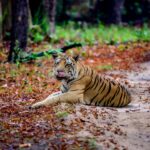
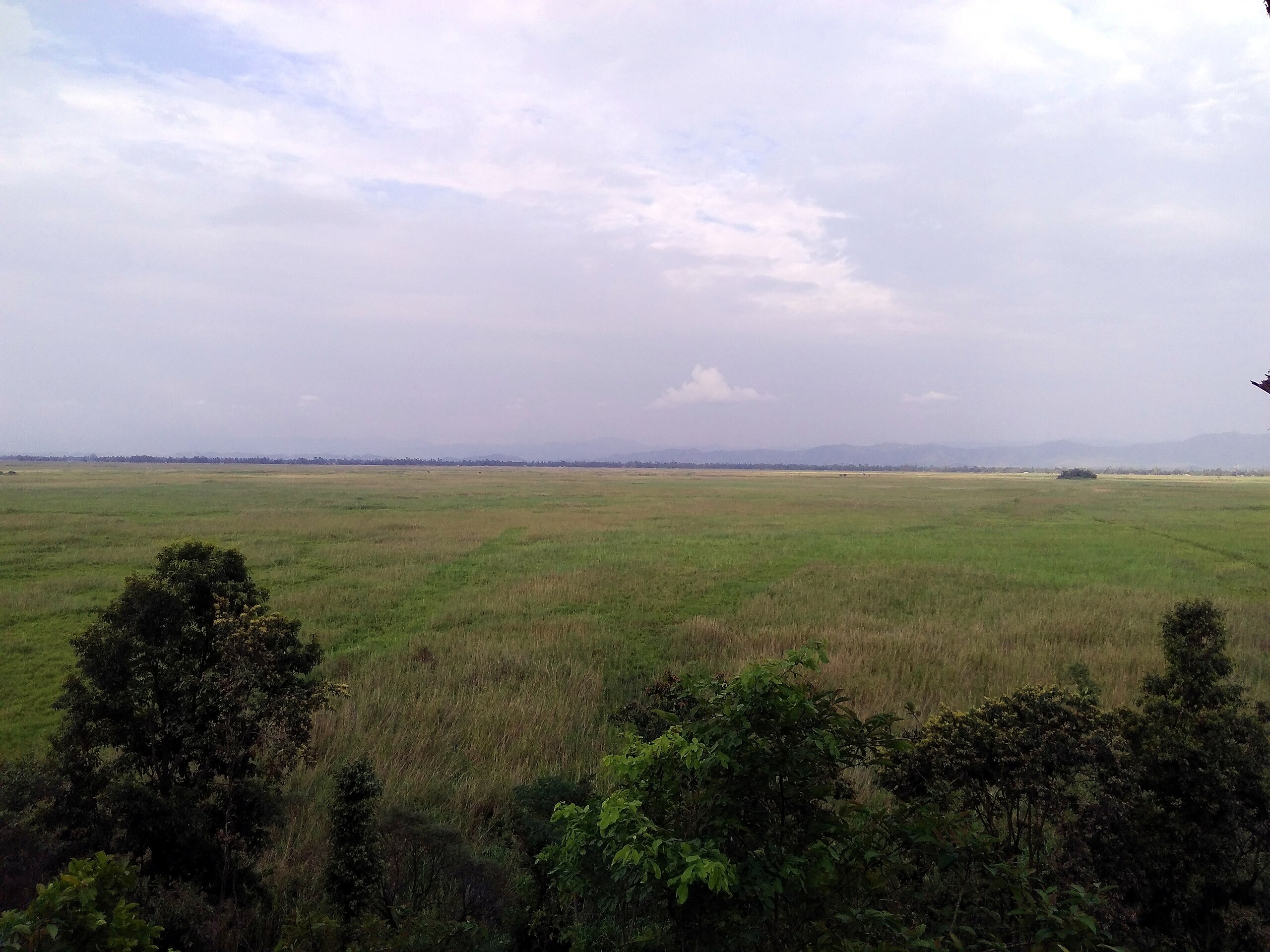
The Sangai Festival is the biggest cultural celebration in Manipur and one of the most vibrant festivals in Northeast India. Held every year in November, the festival beautifully showcases the traditions, art, food, music, and natural beauty of the state. It is named after the rare and graceful Sangai deer, often called the “dancing deer,” which is found only in the floating marshlands of Keibul Lamjao National Park near Loktak Lake.
More than just a tourism event, the festival reflects the spirit and identity of Manipur. During these days, the entire state comes alive with colorful performances, local markets, traditional games, and cultural gatherings. Tourists from across India and abroad visit Manipur to experience its rich heritage and warm hospitality.
Organized by the Manipur Tourism Department, the Sangai Festival has gradually become an important cultural platform that promotes local artisans, indigenous communities, eco-tourism, and adventure tourism.
History and Cultural Importance
The Sangai Festival was first launched in 2010 with the aim of introducing Manipur’s unique culture and tourism potential to the world. Over the years, it has grown into an internationally recognized festival that highlights the diversity of the state’s many ethnic communities.
The name “Sangai” itself carries deep emotional significance for the people of Manipur. The Sangai deer is considered a symbol of harmony between humans and nature. Since the animal is found nowhere else in the world except Manipur, it represents the state’s ecological uniqueness and cultural pride.
The festival also serves as a bridge between different tribal and Meitei communities. Through dance, music, food, and sports, people from various backgrounds come together to celebrate their shared traditions and cultural identity.
Main Festival Venues
Although the main celebrations usually take place in Imphal, the festival spreads across several beautiful locations in the state. Different venues allow visitors to explore both the cultural and natural attractions of Manipur.
Imphal
Imphal, the capital city, hosts the major cultural programs, concerts, exhibitions, and food festivals. Places like Hapta Kangjeibung and Palace Compound often become the centre of celebrations during the event.
Loktak Lake
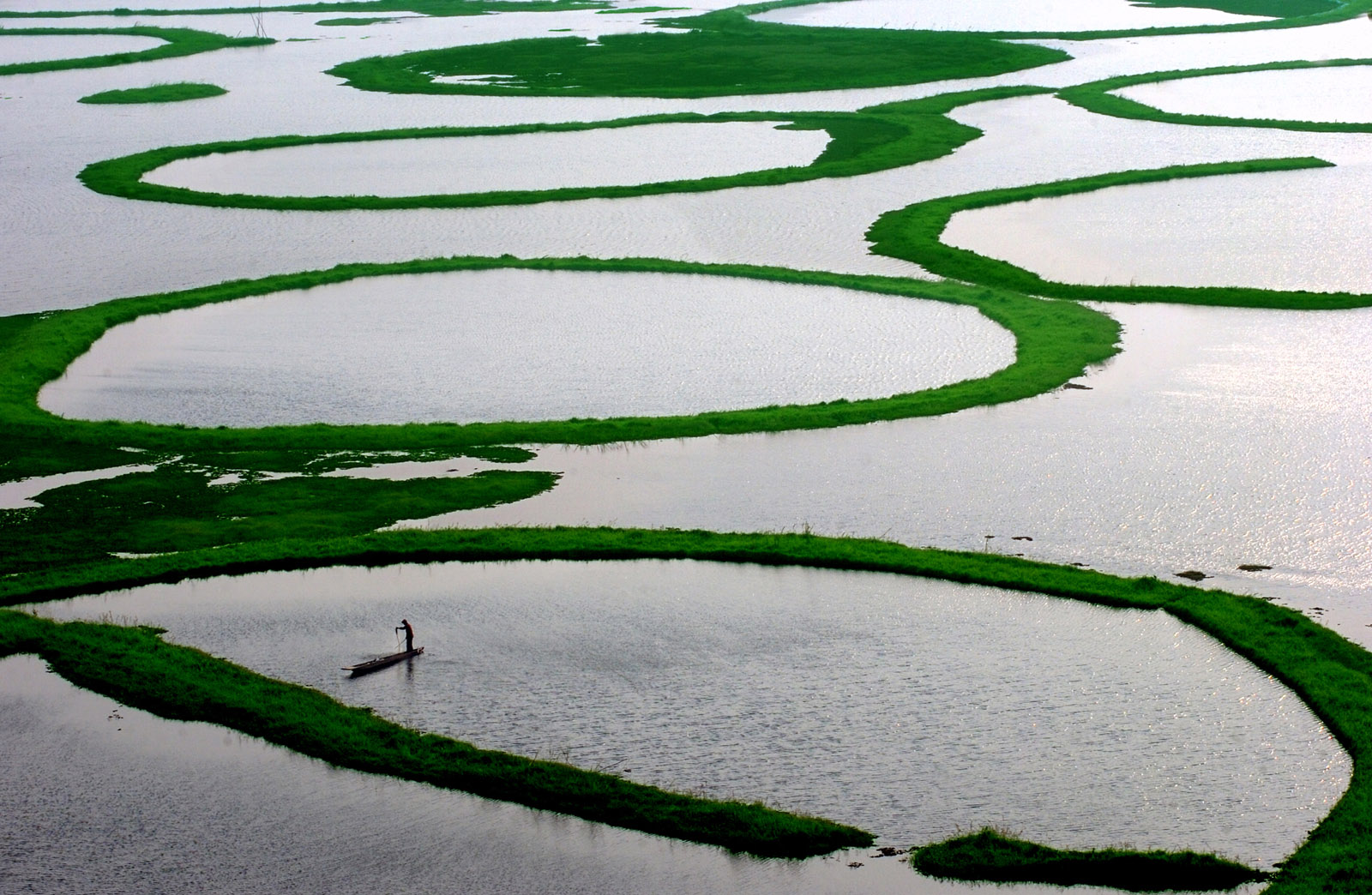
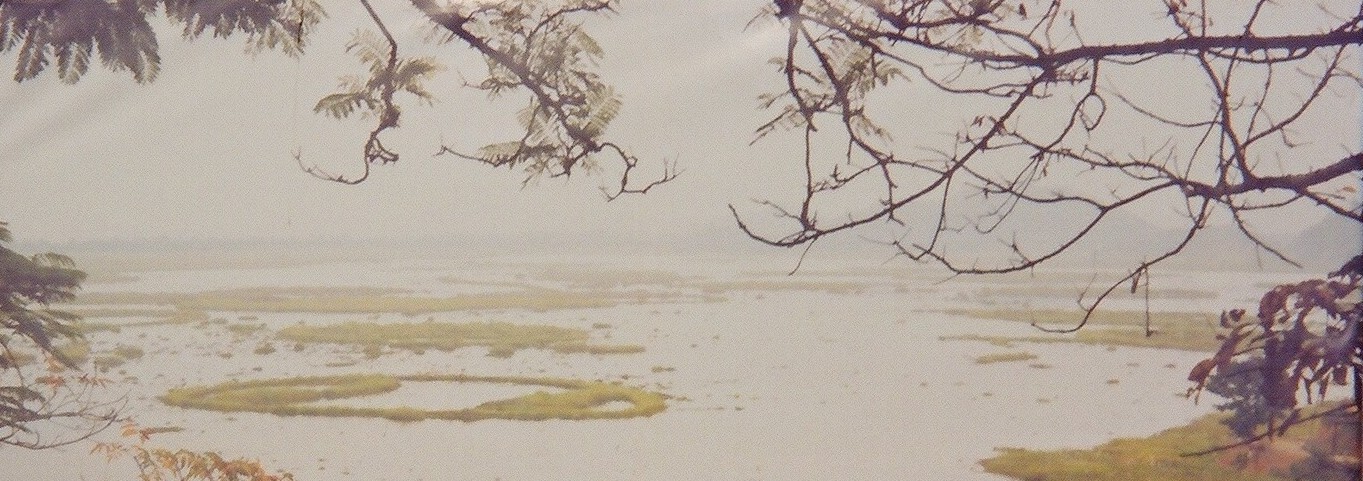
Loktak Lake, the largest freshwater lake in Northeast India, becomes one of the most attractive festival destinations. Visitors can enjoy boating, photography, and breathtaking views of the floating phumdis — unique circular masses of vegetation floating on the lake.
Keibul Lamjao National Park
This national park is famous for being the world’s only floating national park and the natural habitat of the endangered Sangai deer. During the festival, eco-tourism activities and wildlife tours are organized for visitors interested in nature and birdwatching.
Moirang
Moirang is known for its historical importance and scenic surroundings. The town is closely linked with the Indian National Army movement led by Netaji Subhas Chandra Bose and also serves as a gateway to Loktak Lake.
Cultural Performances and Traditional Arts
One of the most exciting parts of the Sangai Festival is the variety of traditional performances held every evening. The cultural programs offer visitors a chance to experience the artistic soul of Manipur.
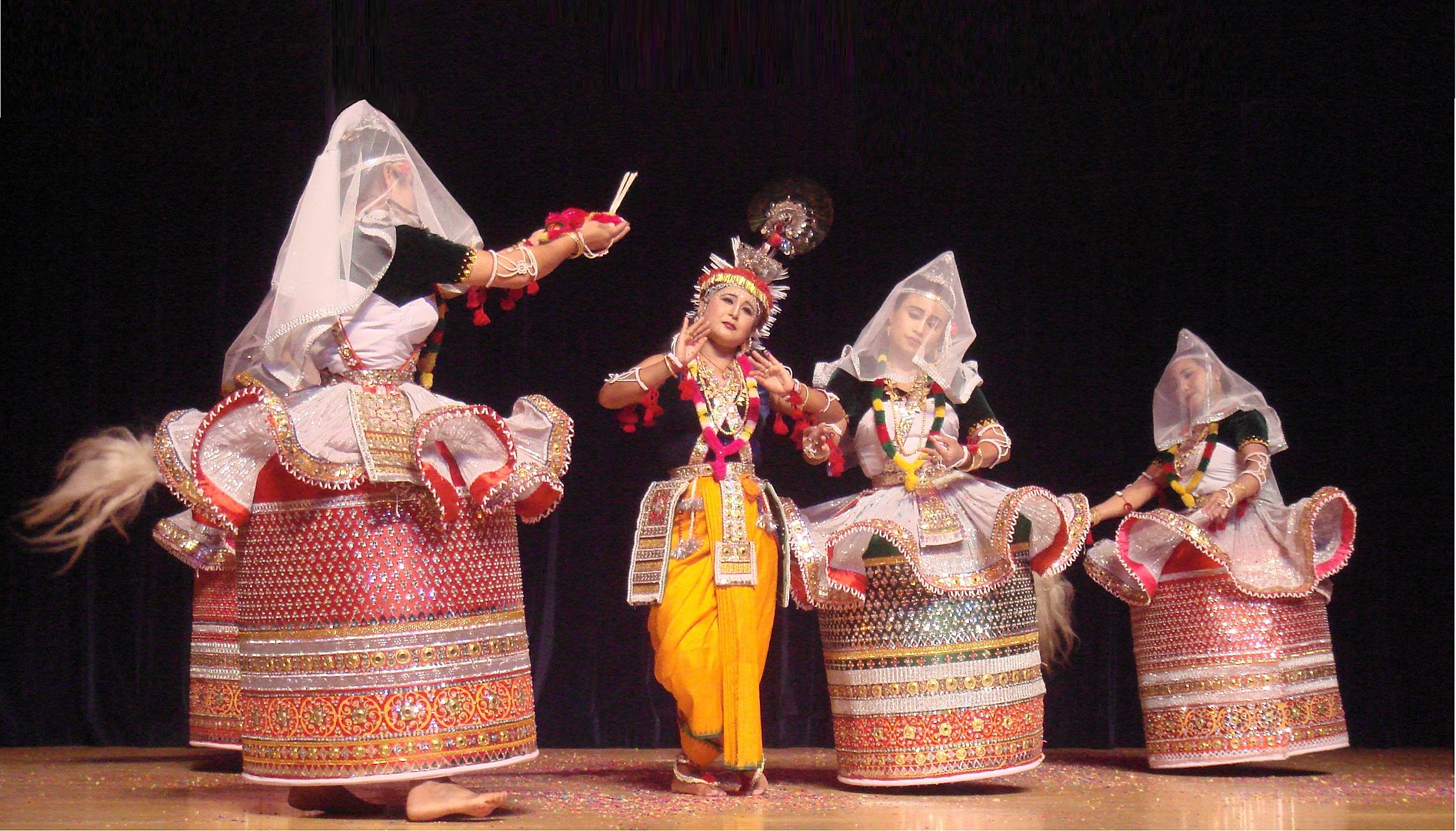
Classical dance forms such as Ras Leela captivate audiences with graceful movements and devotional storytelling. Pung Cholom, the energetic drum dance performed by male artists, creates an electrifying atmosphere with acrobatic spins and rhythmic beats.
The martial art form Thang-Ta showcases the ancient combat traditions of Manipur through sword and spear performances. Folk dances by tribal communities such as Tangkhul, Mao, Kuki, and Paite tribes add even more color and diversity to the celebrations.
Apart from dance and music, local theatre performances and modern fusion concerts are also organized, attracting younger audiences and tourists.
Handloom, Handicrafts, and Local Markets
The festival is a paradise for shoppers interested in handmade products and traditional crafts. Manipur is well known for its rich handloom heritage, and local artisans proudly display their work during the event.
Beautifully woven Phaneks, Manipuri shawls, Moirang Phee textiles, bamboo products, cane crafts, and black pottery from Andro village are among the popular items sold at the festival markets.
Women-run markets such as Ima Keithel in Imphal also attract tourists during the festival season. Known as one of the largest all-women markets in Asia, it offers an authentic glimpse into the local lifestyle and economy of Manipur.
Traditional Food and Local Cuisine
Food lovers find the Sangai Festival especially memorable because of the wide variety of authentic Manipuri dishes available at the food stalls.
Popular local delicacies include Eromba, a spicy mashed vegetable dish; Singju, a refreshing Manipuri salad; Chakhao Kheer made from aromatic black rice; smoked fish preparations; and bamboo shoot curries.
Visitors can also try traditional tribal cuisines that use organic herbs, fermented ingredients, and locally grown vegetables. The food at the festival reflects the simplicity and rich flavors of Manipuri cooking traditions.
Adventure and Eco-Tourism Activities
The Sangai Festival is not limited to cultural events alone. Adventure and nature-based activities are also a major attraction.
Tourists can participate in cycling rallies, trekking programs, boating events, and camping activities organized around Loktak Lake and nearby hills. The surrounding landscapes of Manipur offer stunning opportunities for photography and outdoor exploration.
Birdwatching tours at Keibul Lamjao National Park are especially popular during this season, as migratory birds visit the wetlands in winter. Nature enthusiasts often consider this one of the best times to experience Manipur’s biodiversity.
Indigenous Sports and Traditional Games
Manipur has a deep sporting culture, and the Sangai Festival proudly highlights its indigenous games and martial traditions.
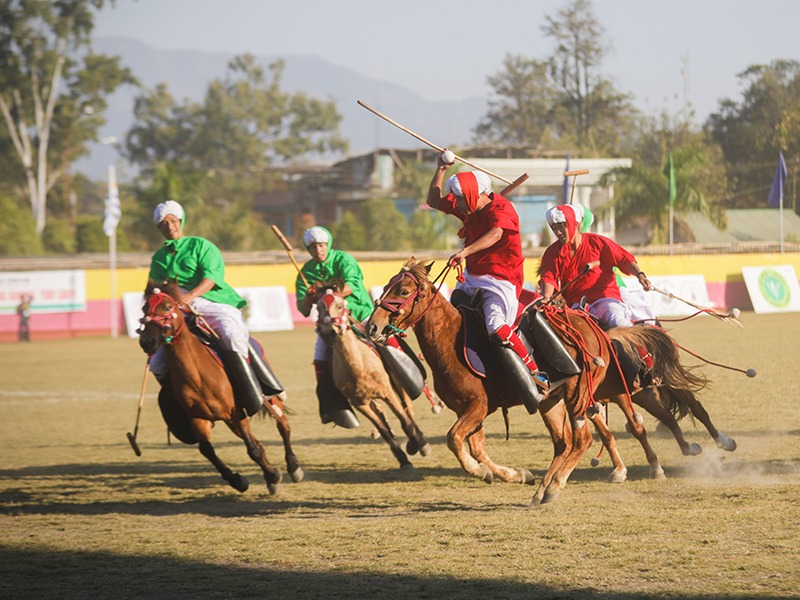
Sagol Kangjei, regarded as the traditional form of modern polo, is one of the most fascinating attractions. Visitors also enjoy watching Mukna, a traditional style of wrestling, and Yubi Lakpi, a rugby-like game played with a coconut.
These traditional sports provide insight into the history, discipline, and warrior traditions of the Manipuri people.
Best Time to Visit
The Sangai Festival is generally celebrated in the second half of November, when the weather in Manipur remains cool and pleasant. Daytime temperatures are comfortable for sightseeing and outdoor activities, making it one of the best seasons to visit the state.
Since thousands of tourists arrive during the festival, hotels and transport services in Imphal and nearby areas often get booked early. It is advisable to make travel and accommodation arrangements in advance.
How to Reach Sangai Festival
By Air
The nearest airport is Bir Tikendrajit International Airport in Imphal, which has regular flights connecting major Indian cities such as Delhi, Kolkata, Guwahati, and Bengaluru.
By Rail
Manipur currently does not have a fully operational railway network in the capital region. The nearest major railway station is Dimapur in Nagaland, located around 200 kilometers from Imphal. From Dimapur, visitors can hire taxis or take buses to reach Manipur.
By Road
Imphal is well connected by road with neighboring northeastern states through National Highways. Shared taxis, private cabs, and state transport buses regularly operate from Guwahati, Kohima, and Silchar.
FAQs
1. Why is the festival called the Sangai Festival?
The festival is named after the Sangai deer, a rare and endangered species found only in Manipur’s Keibul Lamjao National Park. The deer is considered a symbol of the state’s natural and cultural heritage.
2. When is the Sangai Festival celebrated?
The festival is usually organized every year in November and lasts for around 10 days.
3. What are the main attractions of the Sangai Festival?
The major attractions include cultural dance performances, indigenous sports, food festivals, handloom exhibitions, adventure activities, and eco-tourism tours around Loktak Lake and Keibul Lamjao National Park.
4. Is the Sangai Festival suitable for international tourists?
Yes, the festival is very popular among international tourists because it offers a complete cultural experience of Manipur along with opportunities to explore nature, local cuisine, and traditional arts.
5. Which is the nearest airport to the festival venue?
The nearest airport is Imphal International Airport, located close to the main festival venues in the capital city.
6. Can visitors see the Sangai deer during the festival?
Yes, tourists can visit Keibul Lamjao National Park during the festival season, where guided tours often provide opportunities to spot the Sangai deer in its natural habitat.