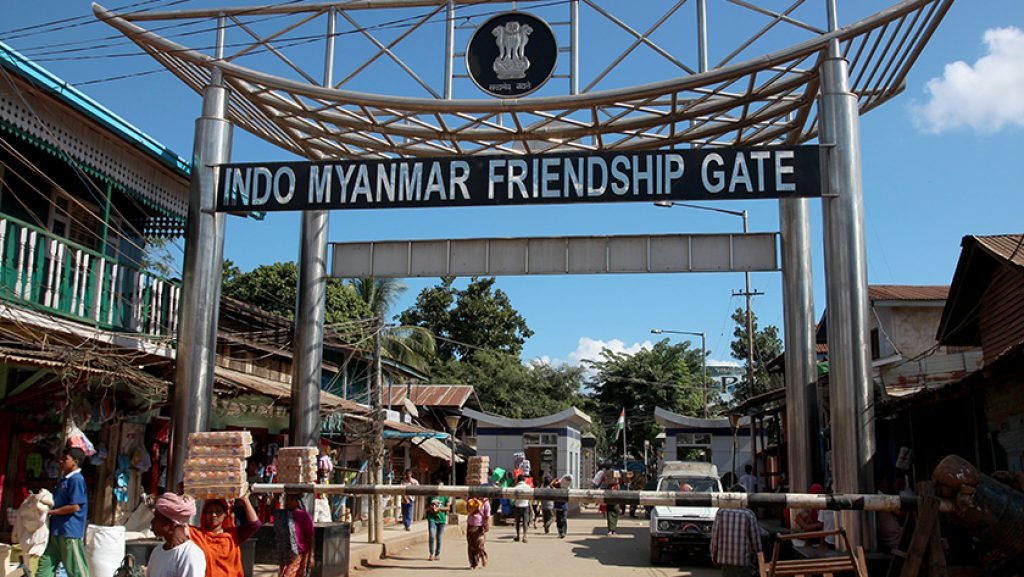
Image Source: tengnoupal.nic.in
Introduction to Moreh
Moreh is a lively border town located in the Tengnoupal district of Manipur. Nestled along National Highway 102 near the Indo-Myanmar border, Moreh acts as India’s main land gateway to Myanmar. Just across the border lies the Myanmar town of Tamu, and together these towns form an important corridor for trade, tourism, and cultural interaction between the two countries.
Despite being situated in a remote hilly region, Moreh has a surprisingly energetic and multicultural atmosphere. Over the years, traders and communities from different parts of India and Myanmar have settled here, giving the town a diverse identity. Meiteis, Kukis, Tamils, Punjabis, Nepalis, Burmese, and several tribal communities coexist here, making Moreh one of the most culturally mixed towns in Northeast India. Walking through its markets and streets, visitors can hear multiple languages, taste different cuisines, and experience traditions from both sides of the border.
Cultural and Economic Importance
Moreh is far more than a simple border checkpoint. It is one of the most important commercial centers in Northeast India and plays a major role in cross-border trade with Myanmar. The town gained prominence after the India-Myanmar border trade agreement, which encouraged legal trade and strengthened economic ties between the neighboring countries.
The local markets of Moreh are famous for their wide range of imported goods. Traders bring in Burmese textiles, electronics, dry fruits, handicrafts, traditional medicines, household items, and decorative products from Myanmar and Southeast Asia. Many visitors travel to Moreh specifically for shopping because the markets offer products that are difficult to find elsewhere in India.
The cultural diversity of Moreh is equally fascinating. Temples, churches, mosques, monasteries, and gurudwaras can all be found within the town, reflecting the harmony among different communities. Festivals from various cultures are celebrated enthusiastically, creating a colorful social environment. The blend of Indian and Burmese influences is visible in local food as well, where dishes often combine flavors from both countries.
Border Experience and Indo-Myanmar Friendship Gate
One of the most iconic landmarks in Moreh is the Indo-Myanmar Friendship Gate. This gate symbolizes the friendship and connectivity between India and Myanmar. It attracts tourists who wish to witness the unique experience of standing at an international border in the hills of Northeast India.
With proper permits and valid identification, travelers may also cross into Tamu for short visits. Exploring Tamu offers a glimpse into Myanmar’s culture, Buddhist traditions, local markets, and architecture. Many visitors enjoy purchasing Burmese products, tasting local delicacies, and visiting pagodas in the nearby region.
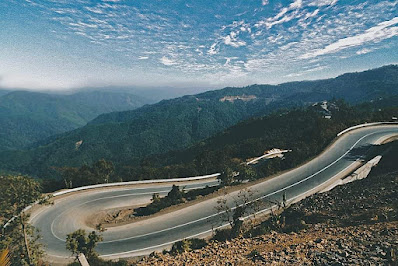
The drive from Imphal to Moreh is another memorable part of the journey. The route passes through scenic hills, forests, and valleys, offering beautiful landscapes along the way. Travelers often stop at viewpoints and roadside eateries to enjoy the natural beauty of Manipur.
Tourist Attractions Around Moreh
Although Moreh is primarily known for trade and border activities, there are several interesting places to explore in and around the town.
Local Markets
The bustling markets remain the biggest attraction in Moreh. Shops selling Burmese goods line the streets, creating a vibrant shopping atmosphere. Visitors can buy traditional fabrics, bamboo handicrafts, shoes, cosmetics, spices, and imported accessories at reasonable prices.
Buddhist Monasteries and Pagodas
The influence of Myanmar’s Buddhist culture can be seen in nearby monasteries and pagodas. These places provide a peaceful environment and showcase beautiful Southeast Asian architectural styles rarely seen elsewhere in India.
Scenic Highway Views
The journey between Imphal and Moreh is filled with scenic mountain landscapes. Dense forests, rolling hills, and winding roads make the drive visually rewarding, especially during winter and post-monsoon months.
Tamu Town in Myanmar
For travelers with the required permissions, visiting Tamu becomes an exciting international experience. The town’s markets, temples, and Burmese culture provide a completely different atmosphere just across the border.
Food and Local Cuisine
Moreh’s multicultural environment is reflected strongly in its food culture. Visitors can enjoy Manipuri dishes alongside Burmese and South Indian cuisine. Small eateries and roadside stalls serve noodles, rice dishes, fermented bamboo shoot preparations, momos, soups, and Burmese-style snacks. Tamil communities living in Moreh have also contributed to the availability of South Indian food in the town.
Tea stalls and local cafés are excellent places to interact with residents and traders while experiencing the everyday life of the border town.
Best Time to Visit Moreh
The best time to visit Moreh is between October and April. During these months, the weather remains pleasant, making road journeys comfortable and sightseeing enjoyable. Trade activity is also more active during this period, so the markets appear lively and vibrant.
Winter months offer clear skies and cooler temperatures, ideal for travelers exploring the Indo-Myanmar border region. The monsoon season, which generally lasts from June to September, can make travel difficult because of heavy rainfall, slippery roads, and occasional landslides in the hilly terrain.
How to Reach Moreh
By Road
Moreh is located approximately 110 kilometers from Imphal and can be reached in around 3 to 4 hours by road via National Highway 102. Shared taxis, private cabs, buses, and rented vehicles regularly operate between Imphal and Moreh. The route is scenic and passes through several hill settlements.
By Air
The nearest airport is Imphal International Airport, which is well connected to major Indian cities such as Delhi, Kolkata, and Guwahati. From the airport, travelers can hire taxis or board buses to reach Moreh.
By Rail
Moreh does not have a railway station. The nearest significant railhead is Jiribam Railway Station. From Jiribam, travelers must continue their journey by road to reach Imphal and then Moreh.
Nearby Attractions to Moreh
Moreh is a vibrant border town in the Tengnoupal district of Manipur, located about 110 km from Imphal on the India–Myanmar border. Often called the “Gateway to Southeast Asia,” Moreh is known for its international trade, cultural diversity, bustling markets, and unique border experiences.
Indo–Myanmar Friendship Gate
The most iconic attraction in Moreh is the Indo–Myanmar Friendship Gate, which marks the border between India and Myanmar. Visitors can witness cross-border activity, explore the surrounding area, and experience the unique atmosphere of an international frontier town.
Namphalong Market (Myanmar)
Located just across the border in Myanmar, Namphalong Market is famous for its wide range of Burmese, Thai, and Chinese goods. It has long been a major attraction for shoppers visiting Moreh. Entry regulations may vary, so visitors should check current border rules before planning a visit.
Yangoupokpi–Lokchao Wildlife Sanctuary
Situated near Moreh, this protected sanctuary is one of Manipur’s biodiversity hotspots. It is home to rare wildlife, exotic birds, dense forests, and scenic trekking trails.
Forest Department, Manipur
This forest area near Moreh serves as a gateway to the rich natural landscapes surrounding the border region and offers opportunities for nature exploration.
Moreh khunou
A scenic area near Moreh that offers beautiful hill views, walking trails, and opportunities to experience the natural beauty of the border region.
Tengnoupal
Located along the Imphal–Moreh highway, Tengnoupal is known for its panoramic viewpoints, cool climate, and rolling hills. It is one of the most scenic stops on the journey to Moreh.
Thangkin Picnic spot
A peaceful destination surrounded by greenery, ideal for picnics, photography, and enjoying the natural landscapes of Chandel district.
New Wangparal Waterfall
A lesser-known waterfall in the region that attracts visitors seeking scenic views and offbeat natural attractions.
Loktak Lake
Although farther from Moreh, Loktak Lake is one of Manipur’s most famous attractions and is often included in extended itineraries. The lake is renowned for its floating islands (phumdis) and breathtaking scenery. Loktak Lake
Why Visit Moreh?
Moreh offers an experience unlike most destinations in India. It combines the charm of a hill town with the excitement of an international border crossing. The town’s multicultural population, bustling markets, Burmese influence, and strategic location make it a fascinating place for travelers interested in culture, trade, and regional history.
For those seeking a destination beyond mainstream tourism, Moreh provides a rare opportunity to witness the blending of Indian and Southeast Asian traditions in one unique location.
Google Maps
FAQs
Where is Moreh located?
Moreh is located in the Tengnoupal district of Manipur in Northeast India, near the border with Myanmar.
Why is Moreh famous?
Moreh is famous for being India’s main border trade town with Myanmar. It is known for its international market, multicultural population, and the Indo-Myanmar Friendship Gate.
Can tourists cross into Myanmar from Moreh?
Yes, tourists may cross into Myanmar through Moreh with proper permits and valid identification, subject to current border regulations.
What can visitors buy in Moreh markets?
Visitors can shop for Burmese textiles, handicrafts, electronics, dry fruits, spices, cosmetics, bamboo products, and imported goods.
Is Moreh safe for tourists?
Moreh is generally visited by traders and tourists regularly, but travelers should stay updated on local travel advisories and follow security guidelines before planning a trip.
What is the best season to visit Moreh?
The best time to visit is from October to April when the weather is pleasant and road conditions are better.
How far is Moreh from Imphal?
Moreh is about 110 kilometers from Imphal and can be reached in approximately 3–4 hours by road.
What makes Moreh unique?
Its unique blend of Indian and Burmese culture, international border setting, vibrant markets, and diverse communities make Moreh a distinctive destination in Northeast India.