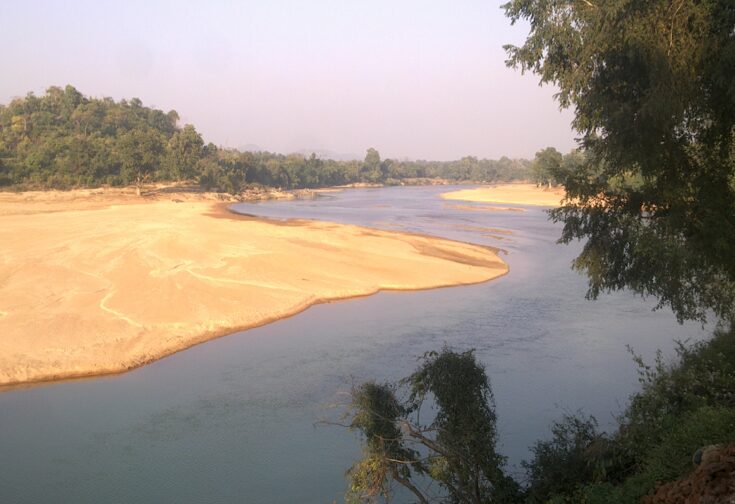
Image Source: User:Msec109
About Brahmani River
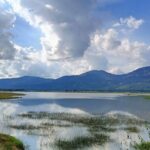
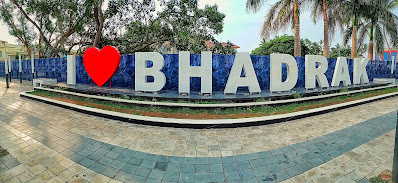
The Brahmani River is one of the most important and picturesque rivers in Odisha. It begins near Rourkela, where the Sankh and South Koel rivers meet, before flowing for nearly 480 kilometers through the heart of the state. Along its journey, the river passes through the districts of Sundargarh, Deogarh, Angul, Dhenkanal, Jajpur, Kendrapara, and Bhadrak before finally joining the Bay of Bengal through a network of rivers and estuaries. More than just a river, the Brahmani has been the lifeline of central and coastal Odisha for centuries, supporting agriculture, wildlife, industries, and traditional communities.
The landscapes along the Brahmani River change beautifully from one region to another. Near Rourkela, the river winds through rocky terrain, dense forests, and rolling hills, creating peaceful scenery that attracts nature lovers. As it flows downstream through Dhenkanal and Jajpur, the surroundings become greener, with fertile farmlands, riverside villages, and ancient temples adding to the charm. During the monsoon, the river swells with rainwater, transforming the banks into lush green stretches that are especially scenic for photography and sightseeing.
The river also plays an important ecological role in Odisha. Its floodplains and wetlands provide habitats for numerous fish species, freshwater turtles, migratory birds, and aquatic plants. Many local fishermen depend on the river for their livelihood, while farmers use its waters to irrigate paddy fields, vegetable farms, and orchards. In the lower reaches, the Brahmani forms part of the rich delta ecosystem, supporting mangrove vegetation and diverse wildlife.
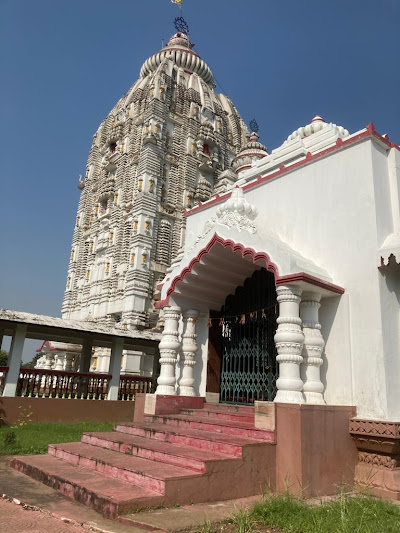
Beyond its natural beauty, the Brahmani River has deep cultural and spiritual significance. Numerous villages and towns along its banks celebrate festivals, religious ceremonies, and traditional fairs connected to the river. Local communities gather at riverside ghats for rituals, especially during festivals dedicated to Hindu deities. Historic temples near the river, particularly around Jajpur and Dhenkanal, reflect Odisha’s rich architectural and religious heritage, making the river an important part of the state’s cultural identity.
For travelers, the Brahmani River offers a refreshing escape into Odisha’s rural landscapes. Visitors can enjoy peaceful walks along the riverbanks, boating in selected stretches, birdwatching during the winter season, or simply relax while watching beautiful sunsets over the water. Photography enthusiasts will find countless opportunities to capture misty mornings, fishing boats, green paddy fields, and traditional village life. Whether you’re interested in nature, history, culture, or simply looking for a tranquil destination away from crowded tourist spots, the Brahmani River offers an authentic glimpse into the natural beauty and heritage of Odisha.
How to Reach Brahmani River
The Brahmani River can be accessed from several towns and cities across Odisha, depending on which section of the river you wish to explore. Rourkela is one of the most popular entry points for the upper reaches, while Dhenkanal, Talcher, Jajpur, and Bhadrak provide easy access to the central and lower stretches.
By Air: The nearest airports are Biju Patnaik International Airport in Bhubaneswar and Rourkela Airport. From either airport, taxis and buses are available to reach different points along the river.
By Train: Major railway stations such as Rourkela Junction, Dhenkanal Railway Station, Talcher Road, Jajpur Keonjhar Road, and Bhadrak are well connected with Bhubaneswar, Kolkata, Delhi, Chennai, and other major Indian cities.
By Road: National Highways and state highways provide excellent road connectivity to towns situated along the Brahmani River. Regular government and private buses operate from Bhubaneswar, Cuttack, Sambalpur, Angul, and Rourkela, while taxis can be hired for riverside sightseeing.
Nearby Attractions
- Rourkela Steel Plant.
- Vedvyas Temple (confluence of the Sankh, South Koel, and Brahmani rivers).
- Khandadhar Waterfall.
- Deogarh Palace.
- Kapilash Temple, Dhenkanal.
- Saptasajya Nature Camp.
- Jajpur Biraja Temple.
- Chandikhole Hills.
- Bhitarkanika National Park.
- Gahirmatha Marine Sanctuary.
FAQs
1. Where does the Brahmani River originate?
The Brahmani River is formed at Vedvyas near Rourkela by the confluence of the Sankh and South Koel rivers.
2. How long is the Brahmani River?
The river flows for approximately 480 kilometers before reaching the Bay of Bengal.
3. Which districts does the Brahmani River pass through?
It flows through Sundargarh, Deogarh, Angul, Dhenkanal, Jajpur, Kendrapara, Bhadrak, and nearby regions of Odisha.
4. Is boating available on the Brahmani River?
Boating is available in some stretches of the river, particularly near local tourism spots, depending on the season and water conditions.
5. What is the best time to visit the Brahmani River?
The ideal time to visit is between October and February, when the weather is pleasant, the landscapes are lush after the monsoon, and birdwatching opportunities are at their best.
6. Is the Brahmani River suitable for birdwatching?
Yes. Several wetlands and riverbanks attract migratory and resident birds, especially during the winter months.
7. Are there temples near the Brahmani River?
Yes. The river is home to several important temples, including Vedvyas Temple near Rourkela, Kapilash Temple near Dhenkanal, and Biraja Temple in Jajpur.
8. Can the Brahmani River be visited as a day trip from Bhubaneswar?
Yes. Popular stretches near Dhenkanal, Jajpur, and Chandikhole can comfortably be explored on a day trip from Bhubaneswar.