Image Source: Debasish Rout
About Karlapat Wildlife Sanctuary
Tucked away in the forested landscapes of Odisha’s Kalahandi district, Karlapat Wildlife Sanctuary is one of the region’s most untouched natural treasures. Surrounded by rolling hills, dense forests, streams, and waterfalls, the sanctuary offers a peaceful escape into the wild heart of the Eastern Ghats. Though not as commercially popular as some of India’s larger national parks, Karlapat has earned a reputation among nature lovers and wildlife enthusiasts for its raw beauty, rich biodiversity, and tranquil atmosphere.
Spread across a vast stretch of protected forest land, the sanctuary plays an important ecological role in preserving the fragile ecosystems of the Eastern Ghats. The region acts as a natural habitat and migration corridor for several species of mammals, birds, reptiles, and insects. Its thick sal and bamboo forests, combined with hilly terrain and seasonal streams, create the perfect environment for wildlife to thrive. The sanctuary is also closely connected with the culture and traditions of the tribal communities living in nearby villages, many of whom have depended on these forests for generations.
Natural Landscape and Forest Ecosystem
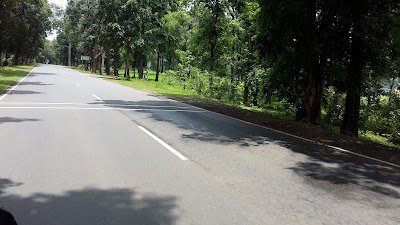
Karlapat Wildlife Sanctuary is dominated by tropical dry and moist deciduous forests. The landscape changes beautifully with the seasons. During the monsoon and post-monsoon months, the forests turn lush green, streams overflow, and waterfalls become more dramatic. In winter, the weather becomes cool and comfortable, making it ideal for exploring the sanctuary.
The forest cover mainly consists of sal, teak, bamboo, mahua, and several medicinal plants. These forests are not only important for wildlife conservation but also support local biodiversity and groundwater systems. The sanctuary’s rugged hills and valleys add to its scenic appeal, giving visitors a feeling of entering a remote and untouched wilderness.
The sanctuary also serves as a refuge for many smaller forest species, including butterflies, insects, amphibians, and reptiles, which contribute to the ecological balance of the region.
Wildlife in Karlapat Wildlife Sanctuary
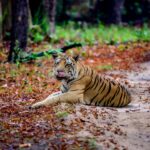
Karlapat Wildlife Sanctuary is home to a diverse variety of animals and birds. Although wildlife sightings depend on timing, season, and patience, the sanctuary supports several important species native to the Eastern Ghats region.
Among the mammals found here are leopard, gaur, sambar deer, barking deer, spotted deer, wild boar, langur, and jackal. The dense vegetation and quiet surroundings make it an ideal habitat for these animals. Leopards are among the top predators in the sanctuary, though they are rarely seen due to their elusive nature.
Birdwatchers also find Karlapat rewarding because of its rich avian population. Many species of woodland birds, migratory birds, owls, drongos, woodpeckers, and kingfishers can be spotted in and around the forest area. The sounds of chirping birds echo through the sanctuary, especially during the early morning hours.
Reptiles and amphibians also inhabit the sanctuary’s streams, wetlands, and forest floors. The healthy ecosystem supports numerous lesser-known species that are important to the biodiversity of Odisha.
Phurlijharan Waterfall – The Scenic Jewel of Karlapat
One of the biggest attractions within the sanctuary is the beautiful Phurlijharan Waterfall. Hidden amidst thick forests, the waterfall is known for its crystal-clear water and peaceful surroundings. Unlike heavily commercialized tourist spots, Phurlijharan still retains a natural and untouched charm.
Visitors often come here to relax, enjoy the cool breeze, and listen to the soothing sound of cascading water. The area around the waterfall is especially picturesque after the monsoon season, when the water flow is stronger and the forests are vibrant green. The calm environment makes it a wonderful place for photography, picnics, and quiet nature walks.
The waterfall also holds local cultural importance, and many nearby tribal communities consider the surrounding forests and water sources sacred.
Tribal Culture and Local Significance
The forests surrounding Karlapat are deeply connected to the lives of tribal communities living in Kalahandi district. For generations, these communities have maintained a close relationship with nature, depending on the forests for traditional medicine, food resources, and cultural practices.
Several sacred groves and natural springs inside and around the sanctuary are respected as spiritually important places. Many local festivals and rituals are linked with the forest ecosystem, reflecting the strong bond between indigenous communities and the natural environment.
Visitors exploring the region often gain insight into Odisha’s tribal traditions, local lifestyles, and sustainable relationship with the forests.
Best Time to Visit
The best time to visit Karlapat Wildlife Sanctuary is from October to March. During these months, the weather remains pleasant, making jungle visits and sightseeing comfortable. Wildlife sightings are generally better in winter because animals are more active during cooler temperatures.
The post-monsoon period is particularly beautiful, as the forests become greener and waterfalls flow with greater force. Summers can be quite hot in this region, while heavy rainfall during the monsoon may make some forest routes difficult to access.
Early mornings and evenings are considered the best times for birdwatching and experiencing the natural sounds of the forest.
Things to Do in Karlapat Wildlife Sanctuary
Visitors to Karlapat Wildlife Sanctuary can enjoy a variety of nature-based activities. Jungle drives and forest walks offer opportunities to experience the region’s rich biodiversity. Birdwatching is another popular activity, especially for those interested in woodland and migratory species.
Photography enthusiasts will find countless scenic spots, from forest trails to waterfalls and misty hills. Nature lovers often spend time near Phurlijharan Waterfall, where the peaceful setting provides a perfect place to relax.
The sanctuary is also suitable for eco-tourism and educational trips focused on wildlife conservation, forest ecosystems, and tribal culture.
How to Reach Karlapat Wildlife Sanctuary
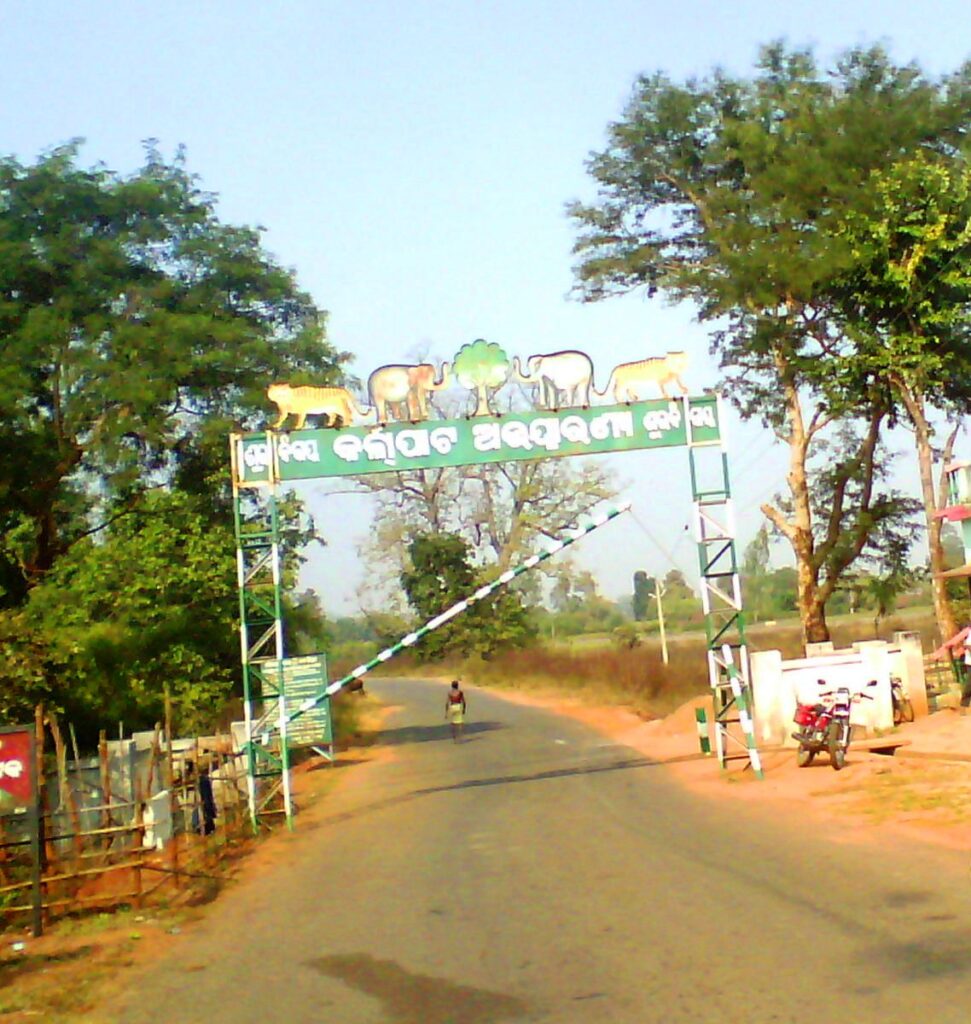
Karlapat Wildlife Sanctuary is located around 12 kilometers from Bhawanipatna, the headquarters of Kalahandi district in Odisha. Bhawanipatna is well connected by road to major cities in Odisha and neighboring states.
The nearest railway station is Kesinga, situated about 35 kilometers away. Kesinga lies on an important railway route, making train travel convenient for visitors coming from cities like Bhubaneswar, Raipur, and Visakhapatnam.
The closest airport is located in Raipur, approximately 260 kilometers away. From there, visitors can hire taxis or use bus services to reach Bhawanipatna and the sanctuary.
Local transport options such as taxis, jeeps, and buses are available from nearby towns for reaching the sanctuary entrance and nearby attractions.
Nearby Attractions
- Phurlijharan Waterfall (About 15 km) – One of the highest waterfalls in Odisha, Phurlijharan cascades from a height of nearly 16 meters amidst dense forests. It is a popular picnic spot and an excellent destination for nature photography, especially during and after the monsoon.
- Karlapat Waterfall (Within the Sanctuary) – Hidden deep inside the sanctuary, this beautiful waterfall is surrounded by thick forests and rocky terrain. It is one of the main highlights for visitors exploring Karlapat Wildlife Sanctuary.
- Bhawanipatna (Around 30 km) – The headquarters of Kalahandi district, Bhawanipatna is known for its lively markets, local handicrafts, traditional cuisine, and serves as the main gateway to Karlapat Wildlife Sanctuary.
- Manikeshwari Temple, Bhawanipatna (About 30 km) – Dedicated to Goddess Manikeshwari, this ancient temple is one of the most revered shrines in western Odisha. It is especially famous during the annual Chhatar Jatra festival.
- Asurgarh Fort (Around 40 km) – Believed to date back over 2,000 years, Asurgarh is an important archaeological site featuring ancient fortifications, earthen ramparts, and historical ruins that offer a glimpse into Odisha’s early civilization.
- Ampani Hills (Around 55 km) – Nestled in the Eastern Ghats, Ampani is known for its scenic valleys, pine plantations, cool climate, and panoramic viewpoints. It is an ideal destination for nature lovers and road-trip enthusiasts.
- Dokarichanchara Waterfall (Around 65 km) – A picturesque waterfall surrounded by lush forests, offering a peaceful atmosphere for picnics, photography, and short nature walks.
- Thuamul Rampur (Around 60 km) – This tribal region is known for its untouched natural beauty, rolling hills, waterfalls, and the rich traditions of indigenous communities living in the Eastern Ghats.
- Belkhandi Temple (Around 75 km) – Situated at the confluence of the Tel and Uttei rivers, this ancient temple complex dedicated to Lord Shiva and Goddess Parvati is known for its serene riverside setting and historical significance.
- Junagarh Fort (Around 80 km) – Not to be confused with Rajasthan’s fort of the same name, this historic fort in Kalahandi reflects the region’s royal heritage and offers insight into its medieval history.
Why Karlapat Wildlife Sanctuary is Special
What makes Karlapat Wildlife Sanctuary truly special is its untouched and less crowded environment. Unlike many heavily commercialized wildlife destinations, Karlapat still feels wild, peaceful, and authentic. The combination of dense forests, wildlife, waterfalls, tribal culture, and scenic beauty creates a unique experience for travelers seeking solitude and nature.
For eco-tourists, birdwatchers, wildlife photographers, and travelers interested in Odisha’s hidden natural gems, Karlapat offers an unforgettable journey into one of the Eastern Ghats’ most beautiful forest landscapes.
Google Maps
FAQs
Where is Karlapat Wildlife Sanctuary located?
Karlapat Wildlife Sanctuary is located in the Kalahandi district of Odisha, around 12 kilometers from Bhawanipatna.
What is Karlapat Wildlife Sanctuary famous for?
The sanctuary is known for its dense sal and bamboo forests, rich wildlife, scenic landscapes, and the beautiful Phurlijharan Waterfall.
Which animals can be seen in Karlapat Wildlife Sanctuary?
Animals such as leopard, gaur, sambar deer, barking deer, spotted deer, wild boar, and several bird species are found in the sanctuary.
What is the best time to visit Karlapat Wildlife Sanctuary?
The best time to visit is between October and March, when the weather is pleasant and the forest looks lush and vibrant.
Is Phurlijharan Waterfall inside the sanctuary?
Yes, Phurlijharan Waterfall is one of the major attractions located within the sanctuary area.
How far is Karlapat Wildlife Sanctuary from Bhubaneswar?
The sanctuary is approximately 430 kilometers from Bhubaneswar by road.
Is Karlapat suitable for birdwatching?
Yes, the sanctuary is an excellent destination for birdwatching because of its diverse forest bird population.
Are accommodation facilities available nearby?
Basic hotels and guesthouses are available in Bhawanipatna and nearby towns. Some eco-tourism accommodations may also be available around the sanctuary region.