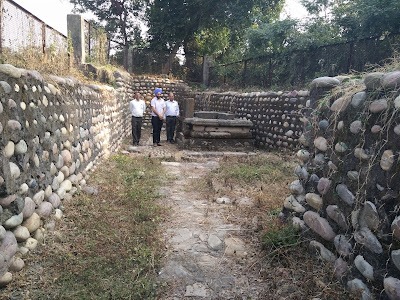
Image Source: Gurdev Singh
About Dholbaha
Tucked away in the peaceful hills of Punjab’s Hoshiarpur district, Dholbaha is a hidden archaeological gem that quietly preserves the echoes of an ancient civilization. Far from the crowded tourist routes, this lesser-known heritage site offers a fascinating glimpse into Punjab’s early medieval history, art, and religious culture.
Surrounded by rolling hills, forest patches, and traditional villages, Dholbaha carries a calm and timeless charm. For history lovers, archaeology enthusiasts, and travelers seeking offbeat destinations, the site presents an opportunity to explore a forgotten chapter of India’s rich cultural heritage.
Where is Dholbaha Located?
Dholbaha is situated around 30 kilometers from Hoshiarpur town in Punjab. Nestled in the foothills of the Shivalik range, the area is blessed with scenic rural landscapes, quiet roads, and a refreshing natural atmosphere.
Its location away from busy urban centers adds to its appeal, making it an ideal destination for travelers who enjoy peaceful surroundings and historical exploration.
Historical Significance of Dholbaha
Dholbaha gained importance after archaeologists discovered numerous stone sculptures, temple remains, inscriptions, and ancient relics in the region. Most of these findings date back to the Gupta period, between the 4th and 6th centuries CE, extending into the early medieval era up to the 12th century.
Excavations and discoveries suggest that Dholbaha was once a thriving center of Hindu and Buddhist art and culture. Historians believe that several temples and monasteries existed in this part of the Shivalik belt, making it an important spiritual and cultural settlement during ancient times.
The archaeological remains found here also reveal the influence of different dynasties and kingdoms that once ruled northern India. Today, many of these precious artifacts are preserved in the Hoshiarpur Archaeological Museum, where visitors can witness beautifully carved sculptures and historical relics from the region.
What Makes Dholbaha Special?
Rare Stone Sculptures
One of the most remarkable aspects of Dholbaha is its collection of ancient stone sculptures. Archaeologists have uncovered intricately carved statues of Hindu deities such as Lord Vishnu, Lord Shiva, Lord Ganesha, and various goddesses. Several Buddhist icons have also been found, indicating peaceful religious coexistence and cultural exchange during that era.
The craftsmanship seen in these sculptures reflects the artistic excellence of ancient Indian artisans.
Temple Ruins and Architectural Fragments
Although large temples no longer stand at the site, fragments of pillars, carved stone panels, temple plinths, and decorative elements suggest that magnificent shrines once existed here.
These remnants provide valuable insights into the architectural styles and religious practices of ancient Punjab.
Ancient Inscriptions
Several inscriptions discovered in and around Dholbaha have helped historians trace historical connections with regional dynasties and larger kingdoms of northern India. These inscriptions also offer clues about trade, administration, and cultural influences that shaped the area centuries ago.
What to See in Dholbaha Today
Dholbaha may not feature massive forts or grand palaces, but its quiet historical atmosphere makes it incredibly rewarding for curious travelers.
Visitors can:
- Explore scattered ruins and archaeological remains around the village
- Visit the Hoshiarpur Archaeological Museum to see preserved artifacts from the site
- Walk through the scenic countryside surrounded by hills and greenery
- Experience the peaceful rural lifestyle of Punjab away from busy tourist hubs
The natural beauty of the Shivalik foothills combined with the site’s historical significance creates a unique travel experience.
Best Time to Visit Dholbaha
The ideal time to visit Dholbaha is between October and March when the weather remains cool and pleasant. Winters are especially comfortable for exploring the archaeological site and nearby natural attractions.
The monsoon season also adds lush greenery to the surrounding hills, making the landscape especially scenic.
How to Reach Dholbaha
By Road
Dholbaha is well-connected by road from Hoshiarpur. Visitors can hire taxis, use local buses, or travel by private vehicle.
By Rail
The nearest railway station is Hoshiarpur Railway Station.
By Air
The nearest major airports are:
- Sri Guru Ram Dass Jee International Airport
- Chandigarh International Airport
Both airports are approximately 130–140 kilometers away.
Nearby Attractions
- Dholbaha Archaeological Site (Within Dholbaha) – The village is best known for its ancient archaeological remains, including rock carvings, old temples, sculptures, and inscriptions that reflect the rich cultural heritage of the Shivalik region. It is an ideal destination for history enthusiasts.
- Kamahi Devi Temple (About 12 km) – Nestled in the Shivalik Hills near the Punjab–Himachal Pradesh border, this revered temple dedicated to Goddess Kamahi Devi is surrounded by scenic forests and attracts devotees throughout the year.
- Takhni-Rehmapur Wildlife Sanctuary (Around 18 km) – Spread across the Shivalik foothills, this wildlife sanctuary is home to leopards, barking deer, wild boar, jackals, porcupines, and numerous bird species, making it a popular destination for wildlife enthusiasts.
- Damsal Dam (Around 20 km) – Surrounded by forested hills, Damsal Dam is a peaceful spot for picnics, birdwatching, photography, and enjoying the natural beauty of the area.
- Dasuya Forest Division (Around 22 km) – A beautiful forest landscape offering nature trails, birdwatching opportunities, and scenic drives through the Shivalik foothills.
- Hoshiarpur City (Around 30 km) – The district headquarters is known for its vibrant local markets, traditional Punjabi cuisine, wooden handicrafts, and historical landmarks.
- Maharaja Ranjit Singh Park, Hoshiarpur (Around 30 km) – A popular public park featuring landscaped gardens, walking tracks, and children’s play areas, making it ideal for a family outing.
- Mukerian Wetland (Around 40 km) – A serene freshwater wetland that attracts migratory birds during winter and is a favorite destination for birdwatchers and photographers.
- Pong Dam Lake (Maharana Pratap Sagar) (Around 55 km) – One of northern India’s largest reservoirs, Pong Dam is famous for its scenic beauty, migratory birds, boating opportunities, and views of the Dhauladhar Range.
- Anandpur Sahib (Around 65 km) – One of Sikhism’s most sacred pilgrimage destinations, Anandpur Sahib is home to Takht Sri Keshgarh Sahib, museums, and the famous Hola Mohalla festival.
Travel Tips for Visitors
- Combine your trip with a visit to Takhni-Rehmapur Wildlife Sanctuary for a mix of nature and history.
- Visiting the museum before exploring the site can help you better understand the historical context of the ruins.
- Wear comfortable footwear, as parts of the area may require walking on uneven paths.
- Carry water and essentials since tourist facilities in the region are limited.
Why You Should Visit Dholbaha
Dholbaha is perfect for travelers who enjoy discovering places beyond the usual tourist circuit. It offers a rare chance to connect with Punjab’s ancient past through forgotten temples, sacred sculptures, and centuries-old stories carved in stone.
The site stands as a reminder that beneath Punjab’s vibrant culture, golden fields, and famous gurudwaras lies a deep and layered history waiting to be explored. Quiet, mysterious, and historically rich, Dholbaha is truly one of Punjab’s hidden heritage treasures.
Google Maps
FAQs
1. Where is Dholbaha located?
Dholbaha is located around 30 kilometers from Hoshiarpur town in Punjab, India.
2. Why is Dholbaha famous?
Dholbaha is known for its archaeological discoveries, including ancient stone sculptures, temple ruins, and inscriptions dating back to the Gupta and early medieval periods.
3. What kind of artifacts were found in Dholbaha?
Artifacts found at the site include sculptures of Hindu deities, Buddhist icons, temple fragments, carved pillars, and ancient inscriptions.
4. Are the original sculptures still at the site?
Most of the important sculptures and relics have been preserved in the Hoshiarpur Archaeological Museum.
5. Is Dholbaha suitable for history lovers?
Yes, Dholbaha is an excellent destination for archaeology enthusiasts, history students, researchers, and cultural travelers.
6. What is the best time to visit Dholbaha?
The best time to visit is from October to March when the weather is pleasant.
7. Are there nearby attractions to visit?
Yes, visitors can also explore Takhni-Rehmapur Wildlife Sanctuary and nearby Shivalik hill regions.
8. How can I reach Dholbaha?
Dholbaha can be reached by road from Hoshiarpur. The nearest railway station is Hoshiarpur, while the nearest airports are Amritsar and Chandigarh.