Image Source: Shivakant Arya
About Ajmer Sharif Dargah
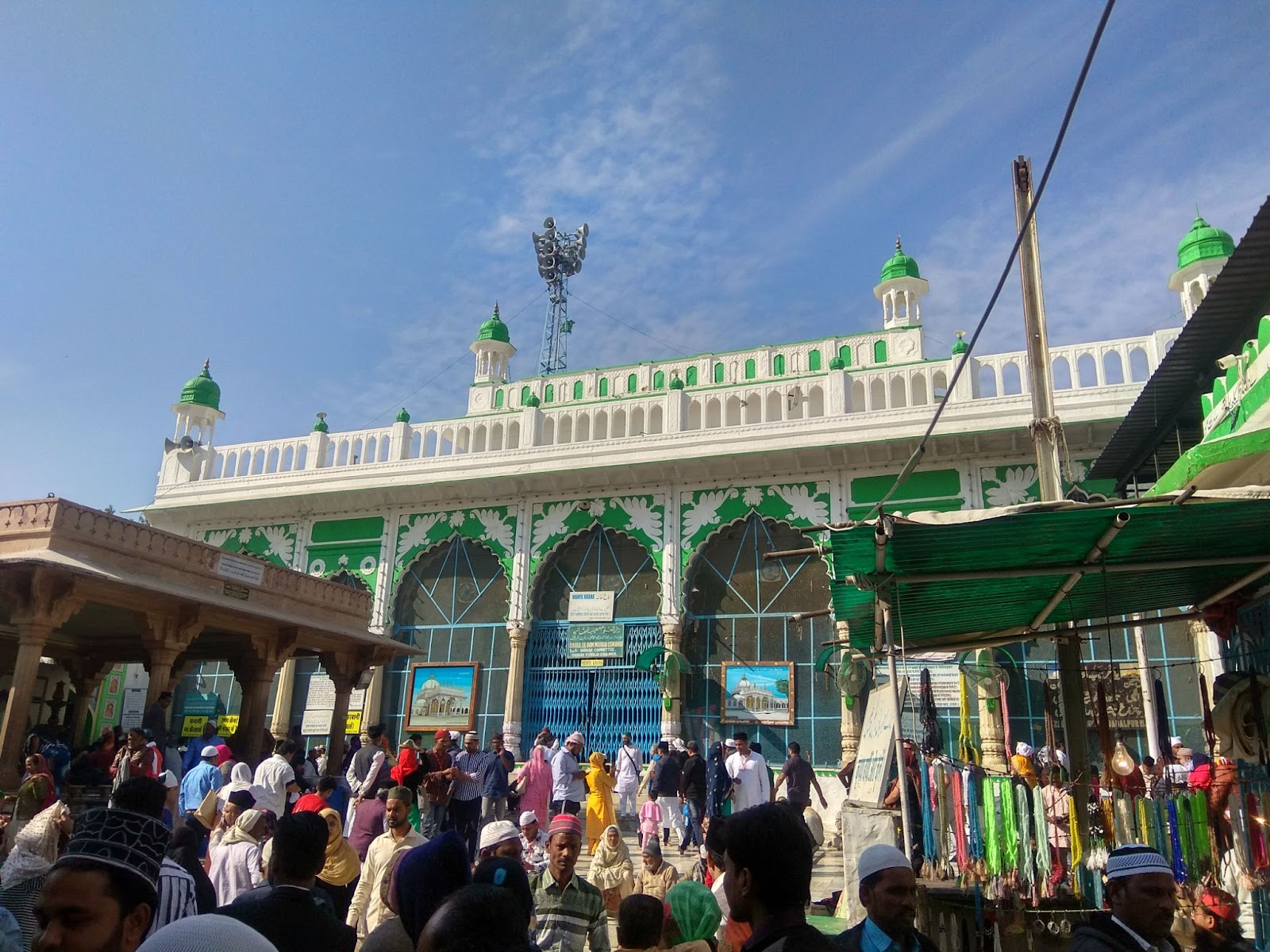
Nestled at the foothills of the historic Taragarh Hills in Ajmer, Rajasthan, Ajmer Sharif Dargah is one of the most revered Sufi shrines in the world. The shrine is the final resting place of the great Sufi saint Khwaja Moinuddin Chishti, lovingly known as Gharib Nawaz or “Benefactor of the Poor.” Since his passing in 1236 CE, the dargah has remained a beacon of faith, compassion, and spiritual harmony, attracting millions of devotees every year regardless of religion, caste, or nationality.
The atmosphere around the shrine is unlike any other pilgrimage destination in India. Narrow lanes lined with shops selling flowers, chadars, perfumes, and religious offerings lead visitors to the sacred complex. The sounds of devotional qawwalis, the fragrance of incense, and the constant flow of pilgrims create a deeply spiritual experience that leaves a lasting impression on every visitor.
A Symbol of Peace, Love, and Humanity
Khwaja Moinuddin Chishti dedicated his life to spreading the message of love, service, and universal brotherhood. He preached compassion for the poor and encouraged people to live with kindness, humility, and tolerance. His teachings transcended religious boundaries, which is why people from different faiths continue to visit the shrine seeking blessings, peace, and guidance.
For centuries, Ajmer Sharif has served as a symbol of communal harmony. Whether one arrives as a pilgrim, a traveler, or a curious visitor, the dargah offers an atmosphere of acceptance and spiritual comfort. Many devotees believe that prayers offered here with sincere faith are fulfilled, making it one of the most visited pilgrimage sites in India.
The Architectural Grandeur of the Dargah
Ajmer Sharif Dargah is not only a spiritual center but also an architectural masterpiece. The shrine complex has evolved over several centuries, with contributions from various rulers, particularly the Mughal emperors. The earliest major additions were made during the reign of Emperor Humayun, while later emperors expanded and beautified the complex.
Visitors enter through the impressive Nizam Gate, followed by the magnificent Shahjahani Gate built by Emperor Shah Jahan. Inside the complex, gleaming white marble structures, intricately carved arches, and beautifully decorated courtyards reflect a blend of Mughal and Indo-Islamic architectural styles.
At the center of the shrine lies the marble mausoleum of Khwaja Moinuddin Chishti. The saint’s tomb is enclosed by elegant silver railings and delicate marble screens adorned with intricate carvings. Persian inscriptions engraved on the arches and walls further enhance the beauty and historical significance of the complex.
The Royal Connection: Emperor Akbar’s Pilgrimage
Ajmer Sharif shares a fascinating connection with the Mughal emperor Akbar. Historical accounts state that Akbar and his queen would undertake an annual pilgrimage from Agra to Ajmer, often traveling on foot, to seek the blessings of Khwaja Moinuddin Chishti for an heir to the throne.
After the birth of his son, Prince Salim (later Emperor Jahangir), Akbar is believed to have donated two enormous cauldrons, known as degs, to the dargah. Weighing approximately 4,480 kilograms and 2,240 kilograms, these giant vessels are still used today to prepare sweet rice and kheer during special religious occasions and festivals. The food prepared in these cauldrons is distributed among devotees as sacred offerings.
Along the pilgrimage route between Agra and Ajmer, Akbar also installed stone markers called Kos Minars at regular intervals to assist travelers and pilgrims.
The Grand Urs Festival
The most important annual celebration at Ajmer Sharif is the Urs Festival, which commemorates the death anniversary of Khwaja Moinuddin Chishti. In Sufi tradition, a saint’s death is regarded as a union with the Divine, and therefore Urs is celebrated with devotion rather than mourning.
Held during the Islamic month of Rajab, the festival attracts lakhs of pilgrims from across India and abroad. During this period, the dargah comes alive with spiritual gatherings, qawwali performances, prayers, and ceremonial rituals. The entire city of Ajmer takes on a festive atmosphere as devotees gather to honor the saint’s teachings of love and unity.
Local Experience Around the Dargah
A visit to Ajmer Sharif is incomplete without exploring the bustling streets surrounding the shrine. The area is famous for traditional Rajasthani sweets, fragrant attars, handicrafts, embroidered chadars, and devotional items. Visitors can also enjoy authentic Mughlai cuisine and local street food in the markets around Dargah Bazaar.
The evenings are particularly memorable when devotional qawwalis fill the air, creating an atmosphere of spiritual devotion and cultural richness. The blend of history, architecture, music, and faith makes Ajmer Sharif one of Rajasthan’s most unique destinations.
Timings of Ajmer Sharif Dargah
The dargah generally remains open:
- Summer: 4:00 AM to 10:00 PM
- Winter: 5:00 AM to 9:00 PM
Timings may vary slightly during special religious occasions and the Urs Festival.
How to Reach Ajmer Sharif Dargah
By Air
The nearest airport is Kishangarh Airport, located about 30 kilometers from Ajmer. From the airport, taxis and private cabs are readily available. Alternatively, visitors can fly into Jaipur International Airport, approximately 135 kilometers away.
By Train
Ajmer is well connected to major Indian cities through Ajmer Junction Railway Station. The railway station is only a short distance from the dargah, and auto-rickshaws and taxis are easily available.
By Road
Ajmer enjoys excellent road connectivity with Jaipur, Delhi, Jodhpur, Udaipur, and other cities in Rajasthan. State-run and private buses operate regularly, while travelers driving by car can reach Ajmer via well-maintained national highways.
Nearby Attractions
Adhai Din Ka Jhonpra
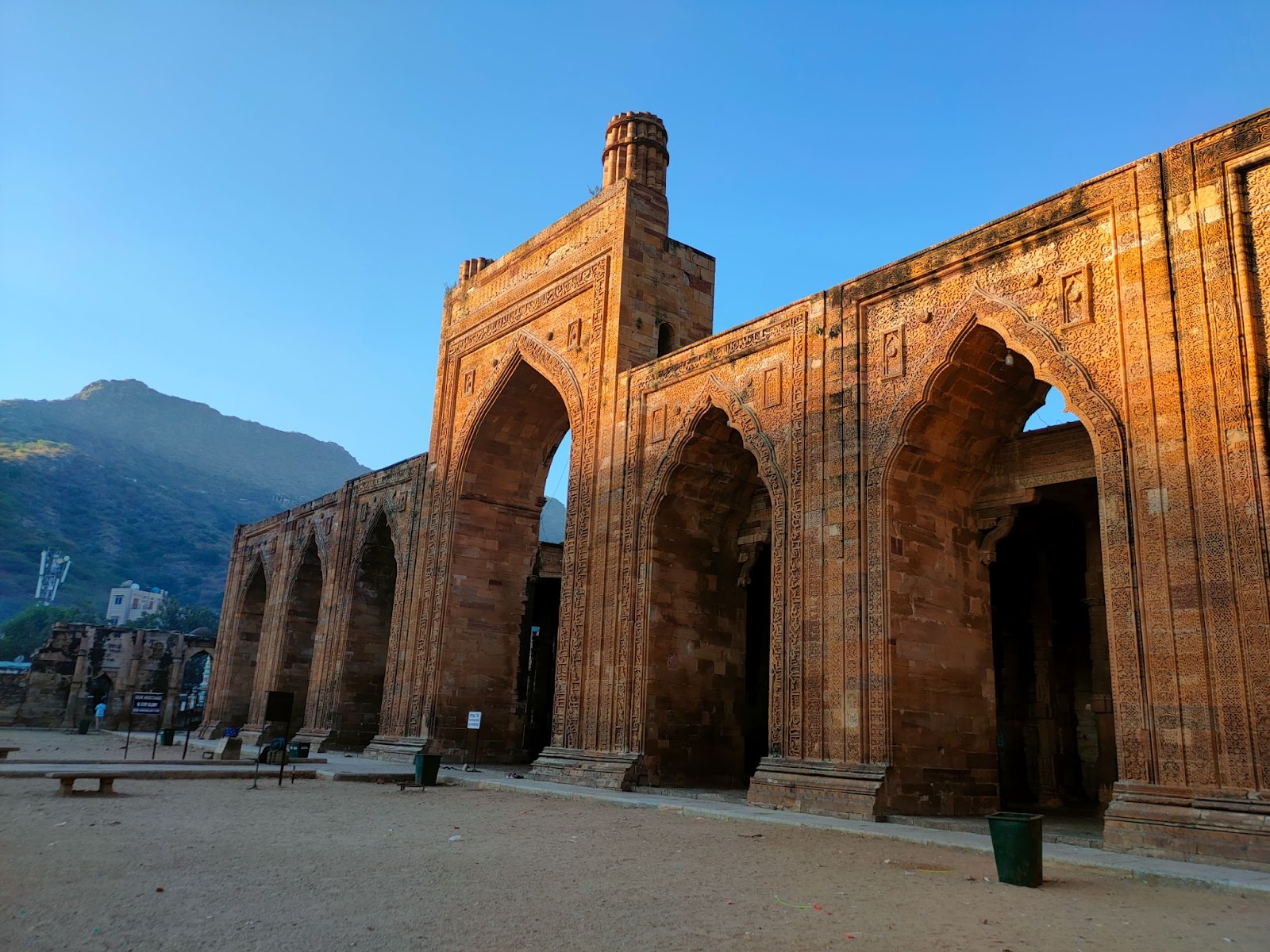
Located just a short distance from the dargah, this remarkable Indo-Islamic monument is known for its intricate stone carvings and historical significance. Originally a Sanskrit college, it was later converted into a mosque and remains one of Ajmer’s architectural highlights.
Ana Sagar Lake
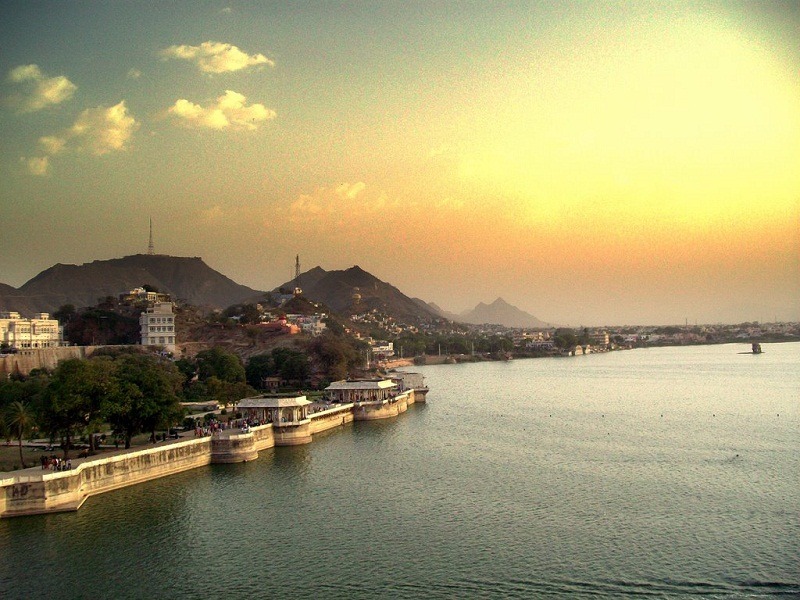
A beautiful artificial lake built in the 12th century, Ana Sagar offers scenic views, boating opportunities, and pleasant evening walks along its waterfront.
Taragarh Fort
Perched atop the Aravalli hills, this ancient fort provides panoramic views of Ajmer city and showcases the region’s rich medieval history.
Akbari Fort and Museum
Built by Emperor Akbar, this historic fort now houses a museum displaying sculptures, inscriptions, and artifacts from Rajasthan’s past.
Pushkar Lake
Located around 15 kilometers from Ajmer, Pushkar is one of India’s most sacred pilgrimage towns and is famous for its ghats, temples, and vibrant cultural atmosphere.
Map
FAQs
1. Why is Ajmer Sharif Dargah famous?
Ajmer Sharif is famous as the shrine of Khwaja Moinuddin Chishti, one of the most respected Sufi saints in the world. It is regarded as one of the most important pilgrimage destinations in India.
2. Can people of all religions visit the dargah?
Yes. The dargah welcomes visitors from all faiths and backgrounds, reflecting the saint’s message of unity and universal brotherhood.
3. What is the best time to visit Ajmer Sharif?
The months between October and March offer pleasant weather. The Urs Festival is also a popular time to visit, although it attracts very large crowds.
4. Is there any entry fee for visiting Ajmer Sharif Dargah?
No, entry to the dargah is free for all visitors.
5. How much time is needed to explore the shrine?
Most visitors spend between one and three hours at the dargah, depending on crowd levels and participation in prayers or ceremonies.
6. What should visitors wear while visiting the dargah?
Modest clothing is recommended. Visitors are required to remove their footwear before entering the shrine complex, and covering the head is considered respectful.