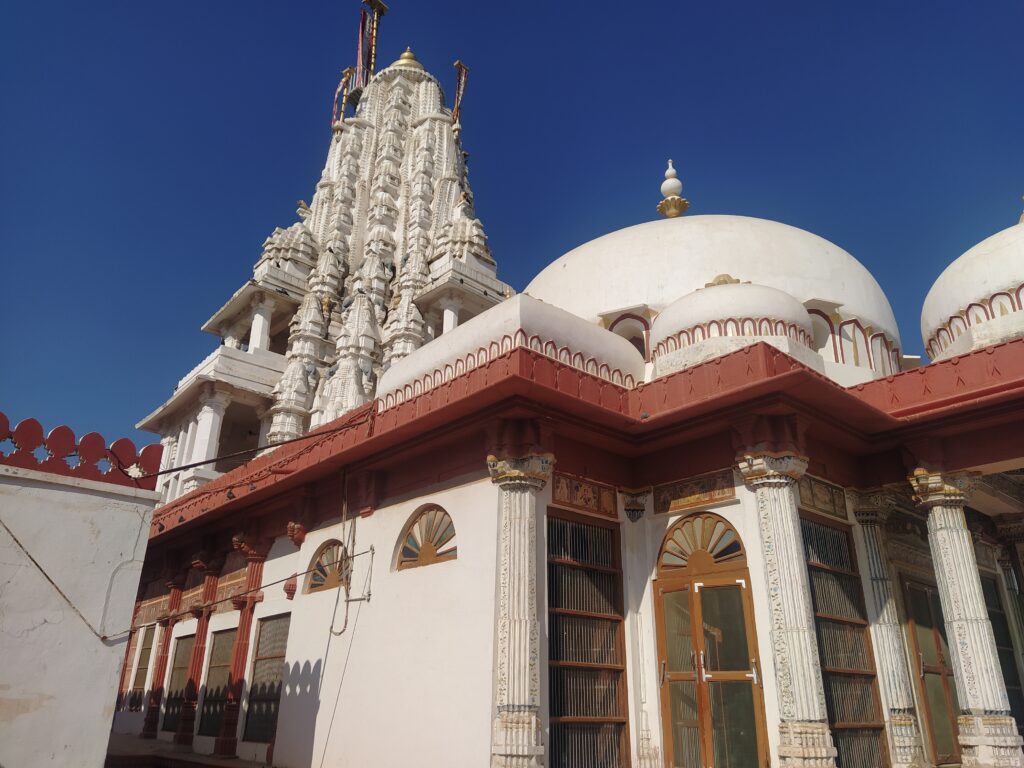
Image Source: Narinder Dhania
Overview and History
Among the many historical treasures of Bikaner, Bhandasar Jain Temple stands out as one of the city’s most remarkable religious and architectural landmarks. Located in the heart of the old city, this centuries-old temple is dedicated to Lord Sumatinath, the fifth Tirthankara of Jainism. Built in 1468 AD by a wealthy Jain merchant named Bhandasa Oswal, the temple reflects the deep spiritual traditions and artistic excellence that flourished in Rajasthan during the medieval period.
Situated about 2.5 kilometers from Bikaner Junction Railway Station, the temple attracts pilgrims, history enthusiasts, architects, and travelers from across India and abroad. Its magnificent architecture, vibrant frescoes, and fascinating legends make it one of the most visited Jain temples in the region.
A Temple Built with Ghee
One of the most intriguing stories associated with Bhandasar Jain Temple concerns its construction. Local tradition holds that nearly 40,000 kilograms of pure ghee were used in place of water while preparing the mortar for the temple’s foundation and walls. According to popular belief, traces of ghee would occasionally seep out from the walls during extremely hot weather, adding a sense of mystery to the monument.
Whether legend or reality, the story has become an integral part of the temple’s identity and continues to fascinate visitors. The structure itself is built primarily from red sandstone, a hallmark of Rajput architecture, giving it an elegant and timeless appearance.
Magnificent Artwork and Usta Paintings
The temple is renowned for its exquisite interior decorations. Every wall, ceiling, and pillar is adorned with intricate paintings and detailed artwork created in the traditional Usta style, a unique art form that originated in Bikaner.
The paintings feature delicate floral motifs, geometric patterns, and gold-leaf embellishments that showcase the extraordinary craftsmanship of local artisans. The use of natural materials and traditional techniques has helped preserve these artworks for centuries, making the temple a living gallery of Rajasthan’s artistic heritage.
Frescoes Depicting Jain Heritage
One of the highlights of Bhandasar Jain Temple is its collection of beautifully preserved frescoes illustrating the lives and teachings of the 24 Jain Tirthankaras. These colorful murals not only enhance the temple’s beauty but also serve as visual narratives of Jain philosophy, spirituality, and moral values.
Visitors often spend time admiring these paintings, which provide insight into the rich religious traditions and cultural history of the Jain community.
The Stunning Mirror Work
Another striking feature of the temple is its decorative mirror work. Tiny pieces of mirrors have been skillfully arranged into elaborate patterns that reflect light throughout the interiors. As sunlight enters the temple, the mirrors create a sparkling effect that adds elegance and a sense of divine grandeur to the sacred space.
The mirror decorations are particularly admired for their precision and artistry, making them one of the temple’s most photographed attractions.
The Idol of Lord Sumatinath
The ground floor houses the main sanctum, where a serene white marble idol of Lord Sumatinath is enshrined. The beautifully sculpted image sits gracefully upon a silver throne and radiates peace and spiritual calm.
Devotees visit the shrine to offer prayers and seek blessings, while visitors are often captivated by the tranquil atmosphere surrounding the sanctum.
Upper Floors and Panoramic Views
The temple rises several stories above the surrounding neighborhood, and its upper floors contain additional shrines dedicated to various Jain deities. The beautifully decorated chambers showcase more examples of intricate carvings and artwork.
From the upper levels, visitors can enjoy sweeping views of Bikaner’s historic skyline, narrow streets, and traditional havelis, offering a unique perspective of the city.
Sandeshwar Temple: A Hidden Gem
Adjacent to Bhandasar Jain Temple is the smaller yet equally fascinating Sandeshwar Temple. Although less known, it is admired for its finely carved pillars, beautifully crafted doorways, and detailed stonework.
The temple’s peaceful atmosphere and artistic richness make it a worthwhile stop for anyone visiting the main complex.
Temple Etiquette and Visitor Guidelines
As Bhandasar Jain Temple is an active place of worship, visitors are expected to respect Jain customs and traditions. Leather items such as belts, wallets, bags, and footwear are generally not permitted inside the temple premises.
Shoes must be removed before entering, and facilities are available near the entrance for safely storing personal belongings. Visitors are also encouraged to dress modestly and maintain silence within the prayer halls.
Temple Timings
The temple is generally open during the following hours:
- Morning: 5:00 AM to 1:00 PM.
- Evening: 5:00 PM to 11:00 PM.
Timings may vary during religious festivals and special occasions.
How to Reach Bhandasar Jain Temple
By Air
The nearest airport is the Nal Airport, located about 15 kilometers from the temple. Taxis and local transport are available from the airport to the city center.
By Train
Bikaner Junction Railway Station is approximately 2.5 kilometers away. Auto-rickshaws, cycle-rickshaws, and taxis provide convenient transportation to the temple.
By Road
Bikaner is well connected to major cities such as Jaipur, Jodhpur, and Delhi through a network of national and state highways. Local buses, taxis, and auto-rickshaws can easily take visitors to the temple from any part of the city.
Nearby Attractions
1. Junagarh Fort
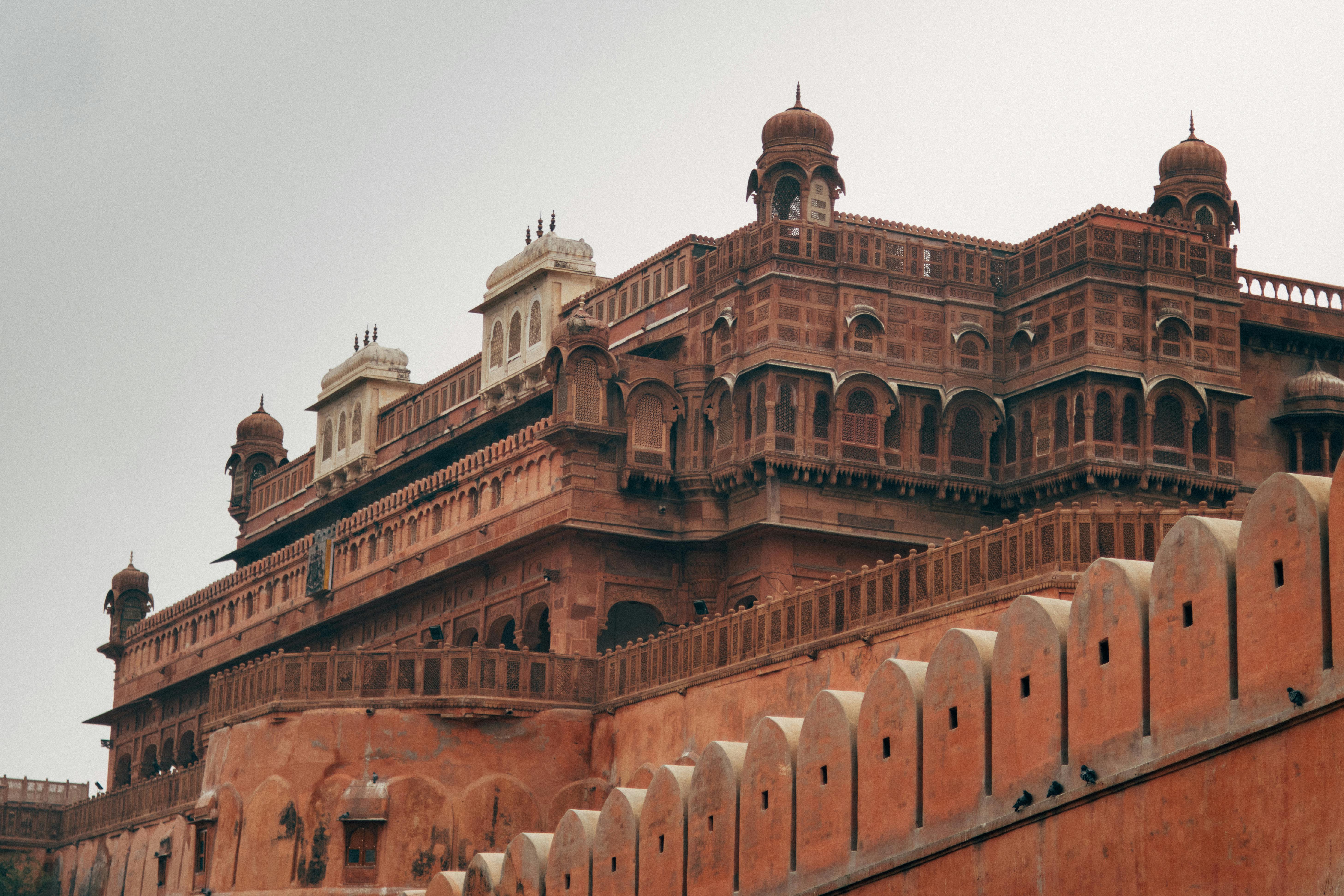
Located around 2 km away, this magnificent fort is one of Rajasthan’s finest examples of Rajput architecture, known for its palaces, courtyards, and beautifully decorated interiors.
2. Rampuria Havelis
These ornate merchant mansions are famous for their intricate red sandstone facades and represent the architectural wealth of old Bikaner.
3. Laxmi Niwas Palace
A stunning Indo-Saracenic palace built during the reign of Maharaja Ganga Singh, now operating as a heritage hotel.
4. Karni Mata Temple
Situated about 30 km from Bikaner, this famous temple is renowned worldwide for its sacred rats and unique religious significance.
5. National Research Centre on Camel
A fascinating attraction where visitors can learn about Rajasthan’s “Ship of the Desert” and enjoy camel-related products and activities.
Map
FAQs
1. What is Bhandasar Jain Temple famous for?
The temple is famous for its beautiful frescoes, Usta artwork, intricate mirror work, and the legend that large quantities of ghee were used during its construction.
2. Which deity is worshipped in the temple?
The temple is dedicated to Lord Sumatinath, the fifth Tirthankara of Jainism.
3. Is photography allowed inside the temple?
Photography policies may vary in different sections of the temple. Visitors should seek permission from temple authorities before taking photographs.
4. What is the best time to visit?
The winter season, from October to March, offers pleasant weather and is considered the best time to explore Bikaner and its heritage attractions.
5. Are non-Jain visitors allowed?
Yes. The temple welcomes visitors from all backgrounds, provided they respect temple rules and maintain appropriate decorum.
6. How much time is needed for a visit?
Most visitors spend between one and two hours exploring the temple complex, admiring its artwork, and experiencing its peaceful atmosphere.