About Karni Mata Temple
Karni Mata Temple, popularly known as the Rat Temple, is one of Rajasthan’s most unique and fascinating religious sites. Located in the small town of Deshnok, around 30 km south of Bikaner, this centuries-old temple attracts thousands of devotees, pilgrims, and curious travelers every year. Dedicated to Karni Mata, who is revered as an incarnation of Goddess Durga, the temple is famous worldwide for the thousands of sacred rats that freely roam its premises.
The temple is not only a major pilgrimage destination but also an important symbol of Rajasthan’s rich spiritual traditions and folklore. Visitors from across India and abroad come to witness the unusual coexistence of humans and rats, a tradition that has continued for centuries.
History and Legends of Karni Mata Temple
According to local beliefs, Karni Mata was born in the 14th century and possessed extraordinary spiritual powers. She dedicated her life to serving people and is credited with guiding and protecting the rulers of the Bikaner and Jodhpur regions. Because of her divine status, she came to be worshipped as an incarnation of Goddess Durga.
The most famous legend associated with the temple explains the presence of its sacred rats. It is believed that when a young boy from Karni Mata’s family died, she requested Yama, the God of Death, to restore his life. When this request was denied, she declared that her followers would no longer enter Yama’s realm after death. Instead, they would be reincarnated as rats before being reborn as humans. As a result, the rats living within the temple are considered sacred souls and are treated with great reverence.
The Sacred Rats of Deshnok
The temple houses more than 20,000 rats, locally known as Kabas. Unlike ordinary rodents, these rats are protected, fed, and worshipped by devotees. They move freely throughout the temple complex, darting across marble floors, gathering around food offerings, and even climbing onto visitors.
Far from being feared, the rats are regarded as divine beings. Many devotees consider it highly auspicious if a rat runs across their feet. Accidentally harming one of the rats is considered a serious offense, and tradition requires the devotee to replace it with a silver or gold rat as an offering.
Among the thousands of black and brown rats, a few rare white rats can occasionally be seen. Spotting a white rat is considered especially fortunate and is believed to bring blessings, prosperity, and good luck. Many visitors spend considerable time searching for these elusive creatures.
Architecture of the Temple
Apart from its unusual residents, Karni Mata Temple is also admired for its architectural beauty. The present structure features intricately carved marble work, decorative pillars, and beautifully crafted silver doors.
The temple’s impressive silver gates were gifted by Maharaja Ganga Singh of Bikaner. These gates display exquisite carvings depicting scenes from Hindu mythology and the life of Karni Mata. The marble courtyard and ornate entrance showcase a blend of Rajput and Mughal architectural influences, making the temple an architectural attraction as well as a religious one.
Rituals and Offerings
Daily worship at the temple follows traditional Hindu customs. Devotees offer milk, sweets, grains, and coconuts to Karni Mata and the sacred rats. Food that has been nibbled by the rats is considered blessed and is often accepted as prasad by devotees.
Throughout the day, priests perform prayers, aartis, and rituals in honor of Karni Mata. The atmosphere inside the temple is filled with devotion as pilgrims seek blessings for health, prosperity, and protection.
Karni Mata Fair: A Grand Celebration
One of the most vibrant events associated with the temple is the Karni Mata Fair, which is held twice each year. The first fair takes place during the Hindu month of Chaitra/Vaishakh (March–May), while the second is organized during Ashwin-Kartik (September–November).
During these festivals, Deshnok transforms into a lively center of religious activity. Thousands of devotees gather to offer prayers, participate in cultural programs, and seek the blessings of Karni Mata. The temple complex is beautifully decorated, and the atmosphere becomes especially festive.
A significant ritual performed during the fair is the Jadula Ceremony, in which young children’s first hair-cutting ceremony is conducted. Families believe this ritual brings divine blessings, good health, and prosperity to their children.
Temple Timings
Karni Mata Temple remains open daily from 5:00 AM to 9:00 PM.
The early morning and evening hours are considered the best times to visit. During these periods, the weather is relatively pleasant, especially in the summer months when temperatures in Rajasthan can become extremely high.
How to Reach Karni Mata Temple
By Air
The nearest airport is Bikaner Airport, located approximately 35 km from Deshnok. However, many travelers prefer flying to Jodhpur Airport, which offers better connectivity and is about 250 km away. Taxis and buses are available from both airports.
By Train
The nearest major railway station is Bikaner Junction, about 30 km from the temple. Deshnok also has a small railway station connected to Bikaner and nearby towns. Auto-rickshaws and taxis are readily available from the station.
By Road
Karni Mata Temple is well connected by road through National Highway routes linking Bikaner with Jodhpur, Jaipur, and other cities of Rajasthan. Regular buses, taxis, and private vehicles can easily reach Deshnok. The drive from Bikaner takes around 30–40 minutes.
Nearby Attractions
1. Junagarh Fort
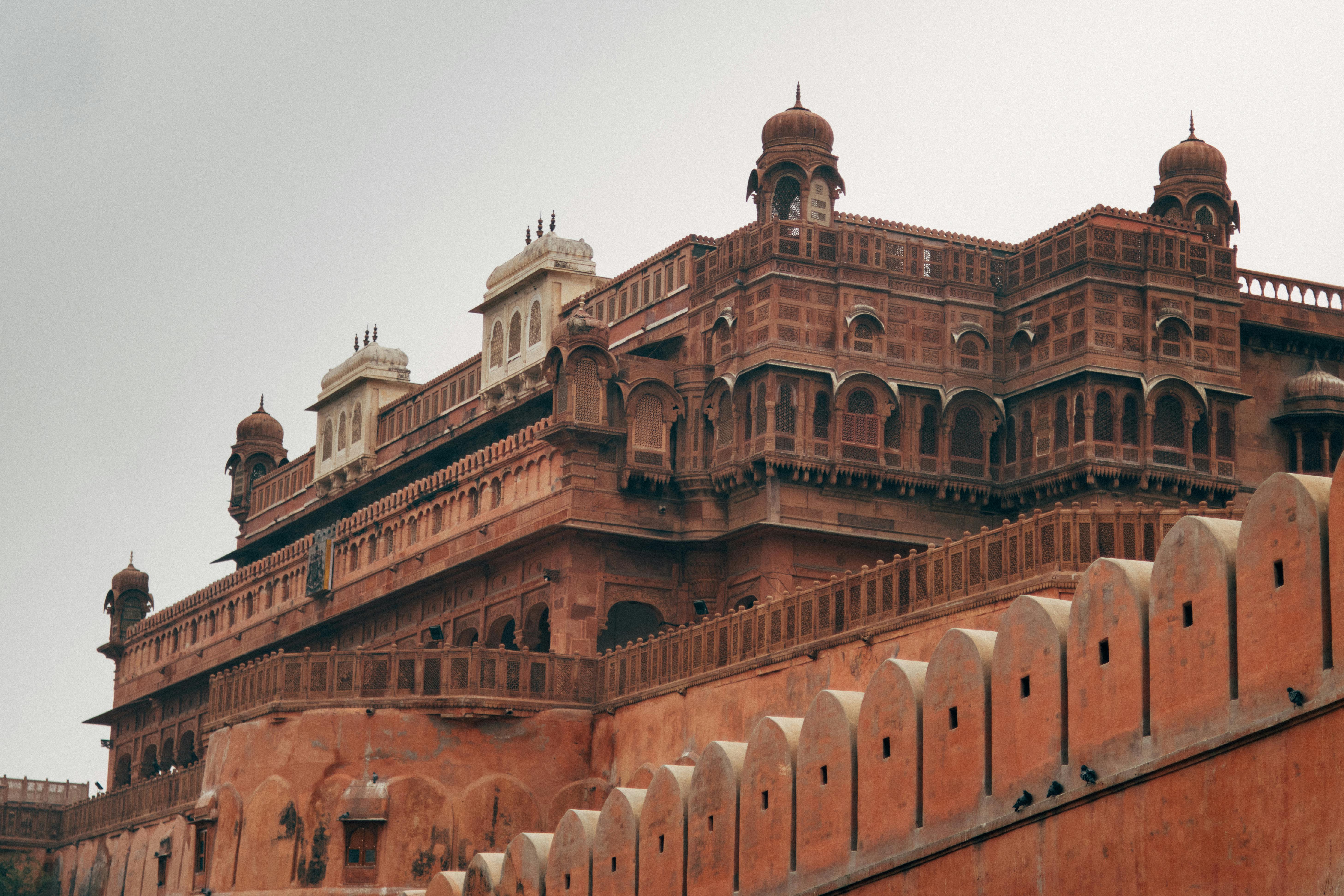
Located in Bikaner city, Junagarh Fort is one of Rajasthan’s most impressive forts. Known for its magnificent palaces, courtyards, and intricate carvings, it offers a fascinating glimpse into the royal history of Bikaner.
2. Gajner Palace
Situated on the banks of Gajner Lake, this former royal hunting retreat is known for its beautiful architecture, peaceful surroundings, and rich wildlife.
3. Ganga Singh Museum
This museum showcases ancient sculptures, weapons, paintings, coins, and archaeological artifacts that highlight the cultural heritage of the Bikaner region.
4. Lalgarh Palace
A stunning red sandstone palace built by Maharaja Ganga Singh, Lalgarh Palace is admired for its Indo-Saracenic architecture and historical significance.
5. Bikaner Camel Research Centre
This unique attraction allows visitors to learn about camels, enjoy camel rides, and sample camel milk products.
Map
FAQs
Why is Karni Mata Temple called the Rat Temple?
The temple is known as the Rat Temple because it houses thousands of sacred rats, believed to be reincarnated devotees of Karni Mata.
How many rats live inside the temple?
It is estimated that more than 20,000 sacred rats reside within the temple complex.
Is it safe to visit the temple?
Yes. The rats are accustomed to human presence and generally do not pose any danger to visitors.
Why are white rats considered special?
White rats are extremely rare and are believed to represent Karni Mata and her family members. Seeing one is considered highly auspicious.
Is there any entry fee for the temple?
No, entry to Karni Mata Temple is generally free for devotees and visitors.
What is the best time to visit?
The months from October to March offer pleasant weather and are considered the best time for sightseeing in Bikaner and Deshnok.
Can photography be done inside the temple?
Photography is usually permitted in most areas of the temple, but visitors should respect local customs and any restrictions imposed by temple authorities.