Overview and Historical Background
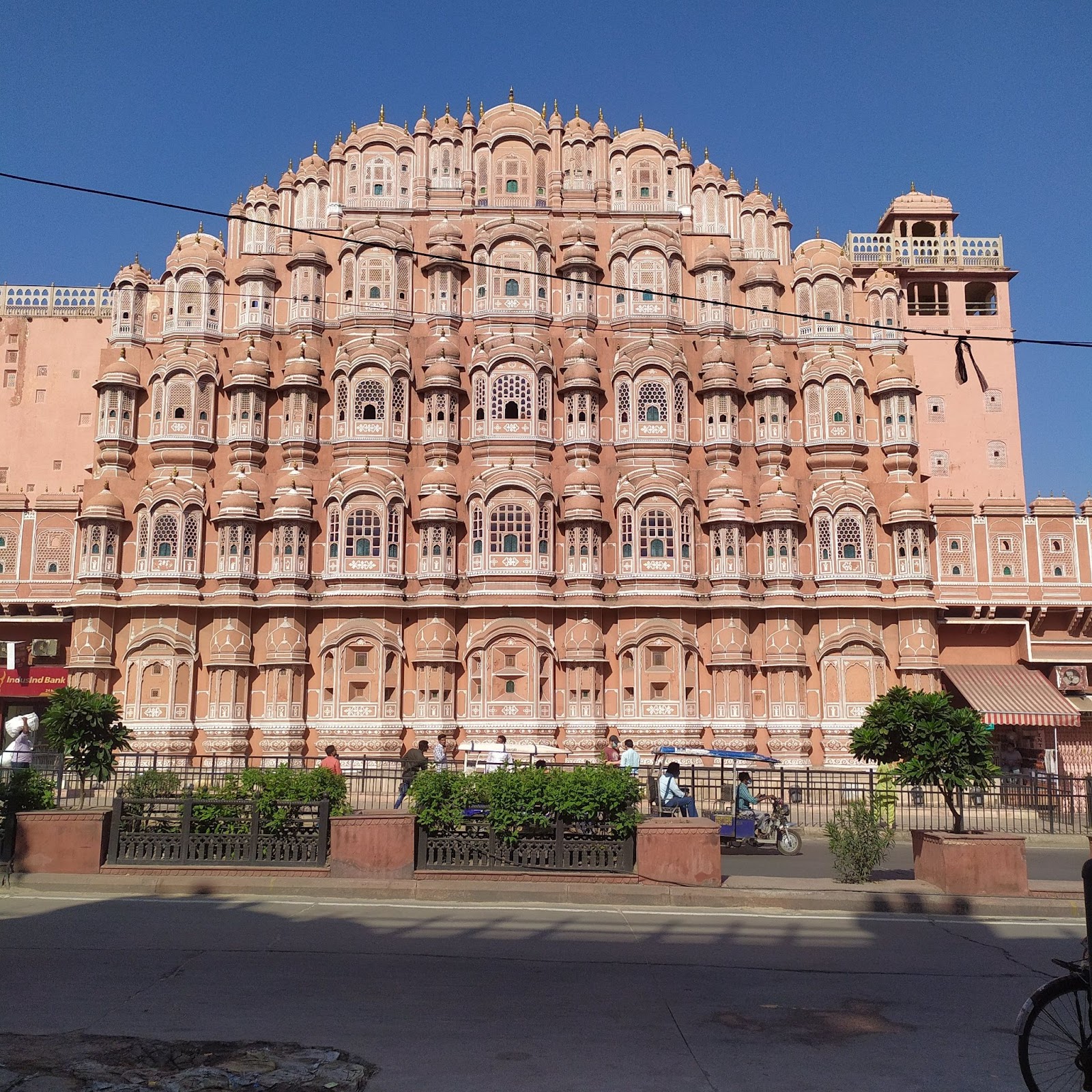
Hawa Mahal, famously known as the “Palace of Winds,” is one of Jaipur’s most iconic landmarks and a major attraction for travelers visiting Rajasthan. Located on the edge of the City Palace complex, this architectural masterpiece stands proudly in the heart of Jaipur’s old city. Its distinctive honeycomb-like façade has become a symbol of Jaipur tourism and is often featured in travel promotions highlighting the city’s royal heritage. Conveniently situated about 6 kilometers from Jaipur Junction Railway Station, Hawa Mahal attracts visitors from across India and around the world, including many travelers coming from Delhi.
Built in 1799 under the patronage of Maharaja Sawai Pratap Singh, Hawa Mahal was designed as an extension of the grand City Palace. The palace was planned by the renowned architect Chand Ustad, who drew inspiration from the crown of Lord Krishna, the revered Hindu deity and the Maharaja’s chosen deity. Beyond its striking appearance, Hawa Mahal reflects the cultural values and social traditions of the Rajput era, particularly the practice of purdah, which required royal women to remain unseen in public spaces.
Architectural Beauty of Hawa Mahal
Hawa Mahal is a brilliant example of Rajputana architecture blended with elements of Mughal design. Constructed from red and pink sandstone, the five-story structure rises elegantly from a fifty-foot-high platform, creating a visually captivating presence. Unlike traditional palaces built around grand halls and courtyards, Hawa Mahal’s most remarkable feature is its intricately designed façade containing 953 small windows, known as jharokhas.
These delicately carved windows served both aesthetic and practical purposes. Royal women of the Zenana, or women’s quarters, could observe the lively markets, religious processions, and street celebrations below without being seen by the public. This design allowed them to stay connected with city life while maintaining privacy according to royal customs.
The palace earned the name “Palace of Winds” because of its intelligent ventilation system. Air passing through the numerous jharokhas created a natural cooling effect, keeping the interiors pleasant even during Jaipur’s intense summer heat. This early form of climate-responsive architecture demonstrates the ingenuity of traditional Indian building techniques.
Interior Design and Layout
While Hawa Mahal’s exterior often receives most of the attention, its interior carries a unique charm of its own. Upon entering the palace, visitors are welcomed by an open courtyard surrounded by a graceful two-story structure. The lower floors contain relatively spacious chambers, whereas the upper three levels are much narrower and designed with single-room thickness.
One of the unusual aspects of Hawa Mahal is the absence of conventional staircases leading to the upper floors. Instead, visitors move through a series of gently sloping ramps and narrow passages. Historians believe these ramps were designed to allow royal women, often dressed in elaborate attire, to move comfortably between floors.
The palace’s interior features delicate latticework, finely decorated arches, and subtle ornamental details that reflect the artistic sophistication of Rajasthan’s royal period. Though less lavish than some larger palaces, Hawa Mahal’s elegance lies in its thoughtful design and functionality.
Cultural Importance and Visitor Experience
Hawa Mahal is much more than a beautiful building—it is a living reminder of Jaipur’s royal legacy and cultural identity. The monument reflects the lifestyle, customs, and architectural brilliance of the Rajput rulers who shaped the city’s history.
Inside the palace complex, visitors can explore a small museum displaying ancient artifacts, historical objects, and archaeological findings that provide insight into Rajasthan’s royal past. Climbing to the upper sections of Hawa Mahal rewards visitors with breathtaking panoramic views of Jaipur, including glimpses of the City Palace, bustling bazaars, and the surrounding pink-colored buildings that give Jaipur its nickname, the “Pink City.”
Today, Hawa Mahal is maintained by the Archaeological Department, ensuring the preservation of this historic monument for future generations. Its popularity among photographers, history enthusiasts, and architecture lovers continues to make it one of Jaipur’s most visited attractions.
Timings and Entry Fees
Hawa Mahal is open to visitors daily from 9:00 a.m. to 4:30 p.m. This schedule allows tourists ample time to explore the palace and nearby attractions in Jaipur’s historic center.
The entry fee is generally ₹50 for Indian nationals and ₹500 for foreign visitors. However, ticket prices and timings may occasionally change, so visitors are encouraged to verify current information before planning their visit.
How to Reach Hawa Mahal
Hawa Mahal is located in the heart of Jaipur’s Pink City on the bustling Badi Choupad road. Due to its central location, it is easily accessible from all parts of Jaipur and serves as a convenient starting point for exploring the city’s historic attractions.
By Air
The nearest airport is Jaipur International Airport, situated approximately 12 km from Hawa Mahal. Visitors can hire taxis, app-based cabs, or auto-rickshaws from the airport to reach the monument in about 25–35 minutes, depending on traffic.
By Train
Jaipur Junction Railway Station is around 5 km away from Hawa Mahal. Taxis, auto-rickshaws, and local buses are readily available outside the station for a quick journey to the monument.
By Road
Hawa Mahal is well connected by Jaipur’s road network. City buses, auto-rickshaws, taxis, and private vehicles provide easy access to the attraction. Since it is located in the busy old city area, walking through the surrounding markets is also a popular way to explore the neighborhood.
Nearby Attractions of Hawa Mahal
1. City Palace
Located just a short walk away, City Palace is one of Jaipur’s most important royal landmarks. The palace complex features grand courtyards, museums, royal artifacts, and stunning Rajput architecture.
2. Jantar Mantar
Adjacent to City Palace, Jantar Mantar is a UNESCO World Heritage Site housing a remarkable collection of astronomical instruments built by Maharaja Sawai Jai Singh II.
3. Govind Dev Ji Temple
One of Jaipur’s most revered temples, Govind Dev Ji Temple attracts devotees from across the country and is known for its vibrant prayer ceremonies and spiritual atmosphere.
4. Johari Bazaar
A paradise for shoppers, Johari Bazaar is famous for its gemstone jewelry, traditional Rajasthani attire, handicrafts, and colorful souvenirs.
5. Tripolia Bazaar
Known for its lac bangles, brass items, carpets, and traditional crafts, Tripolia Bazaar offers a glimpse into Jaipur’s rich artisan heritage.
6. Bapu Bazaar
This bustling market is a popular destination for purchasing textiles, handicrafts, leather footwear, and authentic Rajasthani products.
7. Albert Hall Museum
Located about 3 km away, Albert Hall Museum is Rajasthan’s oldest museum and houses an extensive collection of historical artifacts, paintings, sculptures, and decorative arts.
8. Isarlat (Sargasuli Tower)
This historic watchtower offers panoramic views of Jaipur’s old city and provides an excellent vantage point for photography enthusiasts.
9. Jal Mahal
Situated approximately 5 km from Hawa Mahal, Jal Mahal stands elegantly in the middle of Man Sagar Lake and is one of Jaipur’s most photographed landmarks.
10. Nahargarh Fort
Perched atop the Aravalli Hills, Nahargarh Fort offers breathtaking views of Jaipur and is a favorite spot for history lovers and sunset seekers alike.
Location of Hawa Mahal
FAQs
1. Why is Hawa Mahal called the Palace of Winds?
Hawa Mahal earned this name because of its 953 jharokhas or small windows. These windows allow cool air to circulate through the structure, creating a naturally ventilated environment.
2. Who built Hawa Mahal?
Hawa Mahal was commissioned by Maharaja Sawai Pratap Singh in 1799 and designed by architect Chand Ustad.
3. What was the main purpose of Hawa Mahal?
The palace was primarily built to allow royal women to observe daily street life and festivals while maintaining privacy under the purdah system.
4. How many floors does Hawa Mahal have?
Hawa Mahal consists of five stories, each designed with unique architectural features and viewing spaces.
5. Are there stairs inside Hawa Mahal?
No, the upper floors do not have traditional staircases. Visitors move through ramps and narrow passages connecting different levels.
6. What can visitors see from Hawa Mahal?
From the upper floors, visitors can enjoy panoramic views of Jaipur city, including local markets, the City Palace area, and the famous Pink City landscape.
7. Is Hawa Mahal worth visiting?
Yes, Hawa Mahal is considered one of Jaipur’s must-visit attractions due to its unique architecture, historical significance, and scenic views.
8. What is the best time to visit Hawa Mahal?
The ideal time to visit is during the early morning or late afternoon, especially between October and March, when the weather in Jaipur is cooler and more comfortable for sightseeing..