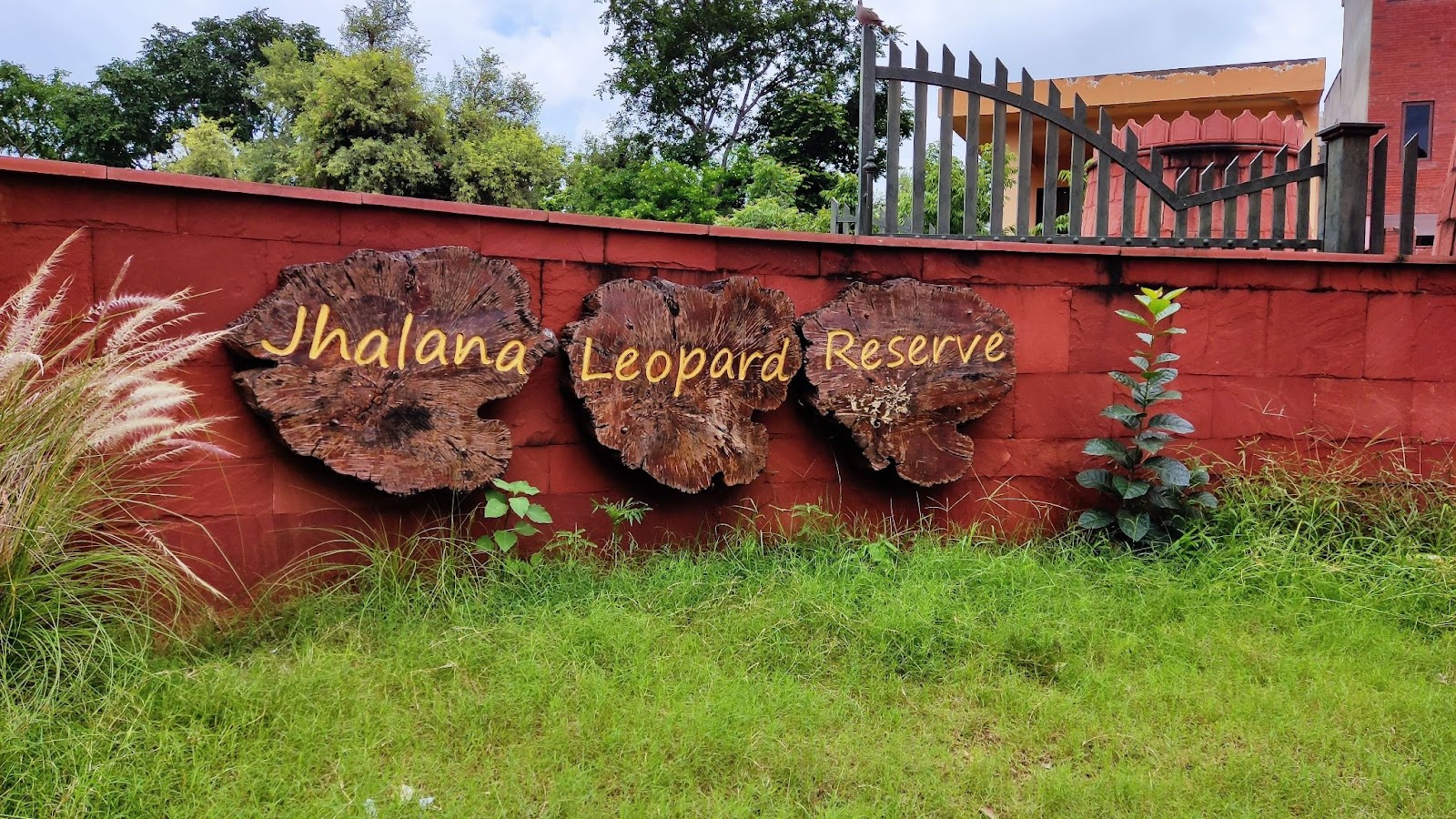
Nestled on the southeastern edge of Jaipur, Jhalana Leopard Reserve is one of India’s most remarkable wildlife success stories. What makes this reserve unique is not just its thriving leopard population but its location within a rapidly expanding urban landscape. While most wildlife reserves in India are situated deep within forests, Jhalana demonstrates how wildlife and cities can coexist when conservation is given priority.
Spread across approximately 20 square kilometers of dry deciduous forest and rocky Aravalli terrain, Jhalana was opened to tourists in 2016 and officially declared India’s first dedicated leopard reserve in 2017. Today, it has become one of the country’s most reliable destinations for leopard sightings and a model for urban wildlife conservation.
About Jhalana Leopard Reserve
Jhalana lies within the ancient Aravalli hill system, one of the oldest mountain ranges in the world. The reserve consists of rocky outcrops, scrub forests, valleys, and seasonal water bodies that create an ideal habitat for leopards and other wildlife.
Unlike tiger reserves where visitors often spend days searching for big cats, Jhalana offers comparatively high chances of leopard sightings due to its compact size and healthy leopard population. The reserve is particularly famous among wildlife photographers, birdwatchers, and nature enthusiasts seeking a safari experience close to a major city.
History of Jhalana Leopard Reserve
The history of Jhalana is closely linked with the royal heritage of Jaipur. During the princely era, the forest served as a hunting ground for Jaipur’s rulers and visiting dignitaries. Historical records mention that members of the British royal family participated in hunting expeditions in these forests during the nineteenth century.
The reserve’s iconic hunting lodge, known as Shikaar Audi, still stands as a reminder of this era. After hunting was banned and conservation efforts increased, leopards gradually emerged as the dominant predators in the region following the disappearance of tigers from the landscape. The last tiger in the area is believed to have been killed during the mid-twentieth century.
A major turning point came in December 2016 when safari tourism was introduced. In 2017, the Rajasthan Forest Department officially designated Jhalana as India’s first leopard reserve, significantly strengthening conservation measures and wildlife monitoring.
Geography and Landscape
The reserve’s terrain is characterized by:
- Rocky Aravalli hills.
- Narrow valleys and ridges.
- Dry deciduous forests.
- Seasonal streams.
- Natural and artificial waterholes.
- Open scrubland.
The landscape provides excellent camouflage for leopards while offering visitors good visibility during safaris. During the monsoon season, the reserve transforms into a greener landscape, while summers create dramatic golden-brown scenery typical of Rajasthan.
Flora of Jhalana Leopard Reserve
The vegetation of Jhalana is typical of Rajasthan’s dry deciduous ecosystems. The reserve supports more than 200 plant species and serves as an important green lung for Jaipur.
Common plant species include:
- Dhok (Anogeissus pendula).
- Khejri.
- Salar.
- Dhak.
- Kumta.
- Acacia species.
- Prosopis juliflora.
These plants provide shelter, food, and nesting sites for various wildlife species. The vegetation also helps prevent soil erosion in the rocky Aravalli landscape.
Wildlife in Jhalana Leopard Reserve
Leopards: The Star Attraction
Leopards are undoubtedly the main attraction of Jhalana. The reserve supports a remarkably healthy leopard population for its size, making it one of the best places in India to observe these elusive predators in their natural habitat.
Unlike many forest landscapes where leopards remain hidden, Jhalana’s resident cats have become relatively accustomed to safari vehicles. This often results in excellent sightings, making the reserve a favorite destination for wildlife photographers.
Other Mammals
Apart from leopards, visitors may encounter:
- Striped hyena.
- Desert fox.
- Golden jackal.
- Jungle cat.
- Desert cat.
- Indian civet.
- Nilgai (Blue Bull).
- Sambar deer.
- Chital (Spotted Deer).
- Porcupine.
- Indian hare.
- Mongoose.
These species contribute to a balanced ecosystem and provide prey for the reserve’s apex predators.
Birdlife
Jhalana is also a paradise for birdwatchers. Commonly sighted birds include:
- Indian Peafowl.
- Indian Roller.
- Golden Oriole.
- Parakeets.
- Eagles.
- Owls.
- Kingfishers.
- Bee-eaters.
- Drongos.
Winter months attract several migratory bird species, enhancing the reserve’s biodiversity.
Leopard Safari Experience
What to Expect
A typical safari lasts around two to three hours and is conducted in open Gypsy vehicles accompanied by trained guides and drivers.
The safari route takes visitors through:
- Rocky leopard territories.
- Waterholes.
- Forest tracks.
- Scenic viewpoints.
- Wildlife observation zones.
One of the highlights is the possibility of observing a leopard resting on rocks, walking along tracks, or visiting water sources. While sightings can never be guaranteed, Jhalana consistently ranks among India’s most successful leopard safari destinations.
Shikaar Audi
A safari often includes a stop at Shikaar Audi, the historic hunting lodge overlooking the reserve. From here, visitors enjoy panoramic views of the forest and Jaipur city.
The structure symbolizes the transformation of Jhalana from a royal hunting ground into a protected wildlife sanctuary.
Best Time to Visit
October to March
This is considered the most comfortable season for visitors. Pleasant weather and active wildlife make it ideal for safaris.
April to June
Summer offers excellent wildlife viewing opportunities because animals frequently visit waterholes. However, temperatures can exceed 40°C.
July to September
The monsoon season transforms the reserve into a greener landscape. Unlike many national parks, Jhalana generally remains accessible throughout the year.
Safari Timings
Safaris are usually conducted in two sessions:
- Morning Safari.
- Evening Safari.
Timings vary according to season and daylight conditions. Morning safaris are generally preferred for photography and wildlife activity, while evening safaris offer beautiful sunset views across the Aravalli hills.
Conservation Significance
Jhalana has emerged as a globally significant example of urban wildlife conservation. The reserve demonstrates how large carnivores can survive near major cities when suitable habitat and protection are maintained.
Key conservation measures include:
- Camera trap monitoring.
- Habitat restoration.
- Waterhole development.
- Regulated safari tourism.
- Community awareness programs.
- Anti-poaching patrols.
The reserve has also inspired the development of nearby leopard conservation areas around Jaipur, including Amagarh and Maila Bagh.
Nearby Attractions
Amber Fort
Located on the outskirts of Jaipur, Amber Fort is one of Rajasthan’s most iconic landmarks. The magnificent hilltop fort showcases stunning Rajput architecture, intricate carvings, grand courtyards, and panoramic views of the surrounding landscape.
Hawa Mahal
Known as the “Palace of Winds,” Hawa Mahal is a five-story architectural masterpiece featuring hundreds of intricately designed windows. It is one of Jaipur’s most recognizable monuments and a must-visit attraction.
City Palace
Situated in the heart of Jaipur, the City Palace is a beautiful blend of Rajput and Mughal architecture. The palace complex houses museums, royal artifacts, courtyards, and historic buildings that offer insights into Jaipur’s royal heritage.
Nahargarh Fort
Perched on the Aravalli Hills, Nahargarh Fort offers breathtaking views of Jaipur’s skyline. The fort is particularly popular during sunset and provides a perfect combination of history, architecture, and scenic beauty.
Jantar Mantar
A UNESCO World Heritage Site, Jantar Mantar is an 18th-century astronomical observatory featuring the world’s largest stone sundial and several fascinating astronomical instruments.
Sisodia Rani Garden
This beautifully landscaped garden is known for its terraced layout, fountains, pavilions, and colorful murals depicting scenes from the life of Lord Krishna. It offers a peaceful retreat close to Jhalana.
Birla Mandir
Built from pristine white marble, Birla Mandir is one of Jaipur’s most visited temples. The temple’s elegant architecture and tranquil atmosphere make it a popular stop for visitors exploring the Pink City.
How to Reach Jhalana Leopard Reserve
By Air
The nearest airport is Jaipur International Airport, located approximately 10–15 kilometers from the reserve.
By Rail
Jaipur Junction Railway Station is well connected to major Indian cities.
By Road
Jhalana is easily accessible from all parts of Jaipur via taxis, private vehicles, and app-based cab services.
Travel Tips for Visitors
- Book safari permits in advance, especially during peak tourist season.
- Carry binoculars for birdwatching.
- Wear earth-toned clothing.
- Maintain silence during the safari.
- Avoid sudden movements when wildlife is nearby.
- Carry drinking water and sun protection during summer.
- Choose morning safaris for better photography opportunities.
Why Jhalana Leopard Reserve is Special
Few places in the world offer the opportunity to watch wild leopards within minutes of a bustling city. Jhalana Leopard Reserve combines wildlife, history, conservation, and accessibility in a way that few destinations can match. Whether you are a serious wildlife photographer, a first-time safari visitor, or simply a nature lover exploring Jaipur, Jhalana provides an unforgettable experience and a rare glimpse into the successful coexistence of humans and large predators.
FAQs
1. Why is Jhalana Leopard Reserve famous?
Jhalana is famous for being India’s first dedicated leopard reserve and for offering one of the highest chances of leopard sightings in the country.
2. How many leopards are found in Jhalana Leopard Reserve?
The reserve supports a healthy leopard population, with estimates often exceeding 40 individuals, including cubs.
3. Is Jhalana Leopard Reserve worth visiting?
Yes. It is considered one of the best wildlife destinations near Jaipur, especially for leopard sightings and wildlife photography.
4. What is the best time to visit Jhalana Leopard Reserve?
October to March offers the most pleasant weather, while summer months provide excellent wildlife viewing around waterholes.
5. How far is Jhalana Leopard Reserve from Jaipur city center?
The reserve is located within Jaipur’s urban limits and can typically be reached within 20–30 minutes from most parts of the city.