Image Source: Raj Banna
About Jaisamand Lake
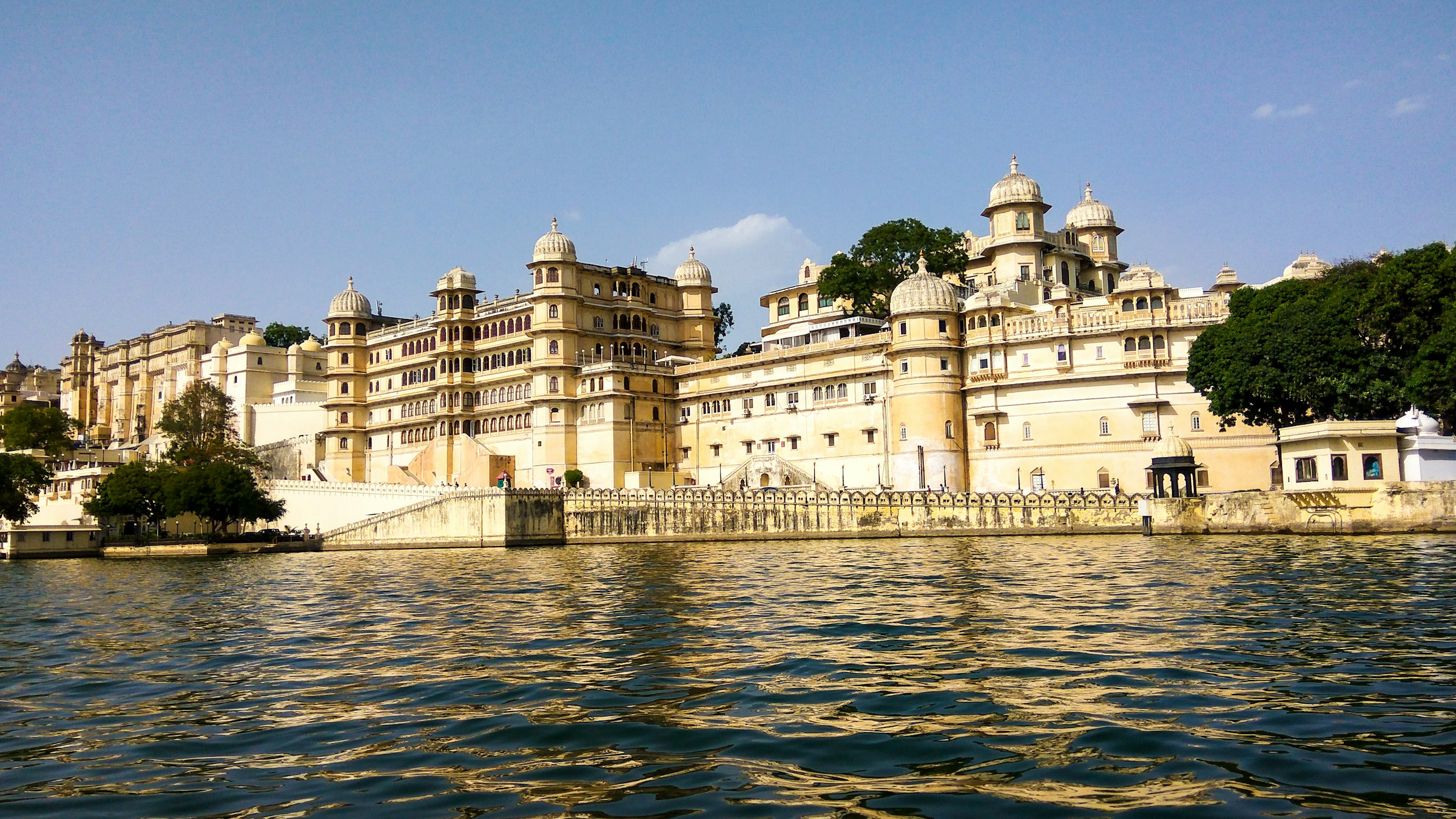
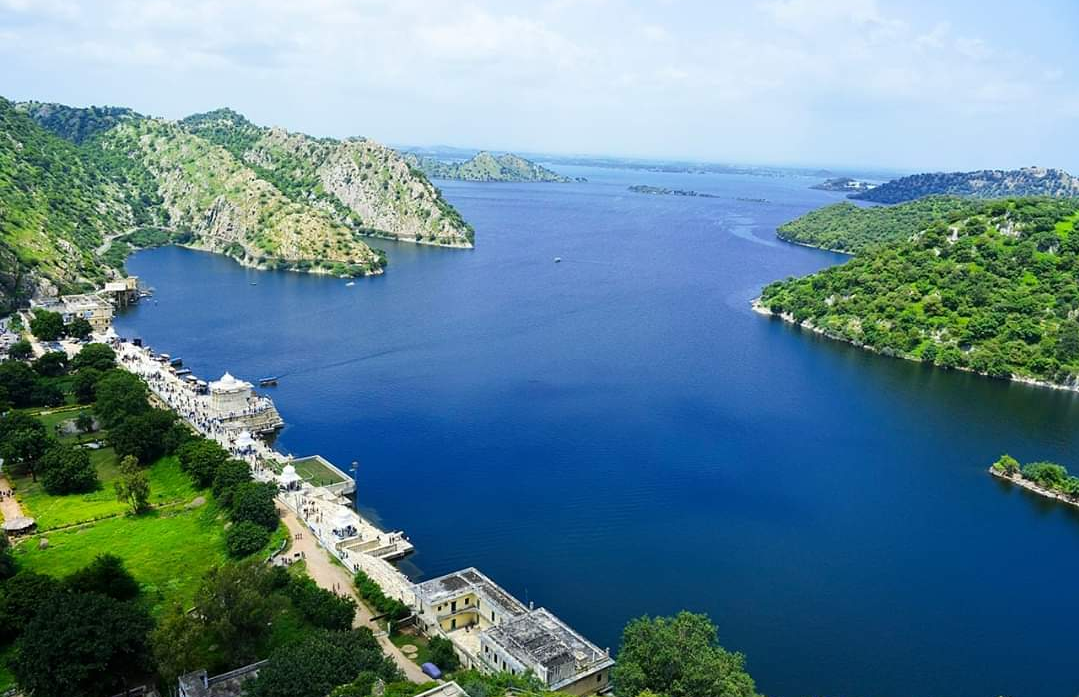
Located about 57 km from the royal city of Udaipur, Jaisamand Lake, also known as Dhebar Lake, is one of the most beautiful and peaceful destinations in Rajasthan. Surrounded by rolling hills, historic palaces, marble cenotaphs, and dense forests, the lake offers a refreshing escape from the busy city atmosphere. Its calm waters, scenic landscapes, and rich history make it a favorite destination for nature lovers, photographers, wildlife enthusiasts, and travelers seeking tranquility.
Often regarded as one of the hidden gems of Rajasthan, Jaisamand Lake combines natural beauty with royal heritage. Whether you are looking for a relaxing boat ride, historical exploration, or wildlife adventure, the lake provides a memorable experience for every visitor.
History and Construction of Jaisamand Lake
Jaisamand Lake is considered the second-largest artificial lake in India and stands as a remarkable example of Rajput engineering and vision. The lake was built in 1685 AD during the reign of Maharana Jai Singh of Mewar, after whom the lake was named. It was created by constructing a massive dam across the Gomati River to address water needs and support agriculture in the surrounding region.
The scale of the lake is truly impressive. Stretching nearly 14 km in length and around 9 km in width, the lake covers a vast area amid the Aravalli hills. The dam itself is an architectural marvel, measuring approximately 1,202 feet in length, 116 feet in height, and 70 feet in width. The lake has a circumference of nearly 30 miles and reaches depths of around 102 feet in some areas.
The construction of the lake not only transformed the landscape but also became a symbol of prosperity and royal ambition in the Mewar kingdom.
Scenic Beauty and Peaceful Atmosphere
One of the most captivating aspects of Jaisamand Lake is its serene natural environment. Unlike crowded tourist destinations, the lake offers a calm and soothing atmosphere where visitors can truly connect with nature. During sunrise and sunset, the reflection of the surrounding hills on the water creates breathtaking views that attract photographers and travelers alike.
The lake is especially beautiful during the monsoon and winter seasons when the water levels rise and the surrounding greenery becomes more vibrant. Gentle winds, chirping birds, and the quietness of the surroundings make it an ideal place for relaxation and short weekend getaways.
Islands of Jaisamand Lake
Jaisamand Lake is dotted with seven scenic islands that add to its charm and uniqueness. Among them, Babaka Bhagra is the largest island, while Piari is the second largest. These islands are not only visually appealing but also culturally significant, as they have traditionally been inhabited by tribal communities such as the Bhil Mina tribes.
The tribal culture of the region adds a distinctive character to the lake area. Visitors can witness glimpses of traditional lifestyles, local customs, and the simple way of life followed by these communities for generations.
Boat rides across the lake are one of the most enjoyable activities here, allowing tourists to explore the islands and appreciate the lake’s vastness. The famous Jaisamand Island Resort, situated amid the tranquil surroundings, offers a peaceful stay experience with stunning lake views.
Architectural Wonders Around the Lake
Jaisamand Lake is not just about natural beauty; it also reflects the grandeur of Rajput architecture. Several elegant structures around the lake showcase the artistic brilliance of the Mewar rulers.
At the southern end of the dam stands a beautiful pavilion with twelve intricately designed pillars. This pavilion offers panoramic views of the lake and surrounding hills, making it a popular spot for visitors. On the northern side lies a magnificent courtyard adorned with finely carved marble structures.
The scenic Hawa Mahal and Ruthi Rani Ka Mahal overlook the lake from the foothills, adding a royal touch to the landscape. These structures once served as royal retreats and continue to reflect the opulence of Rajasthan’s historic past.
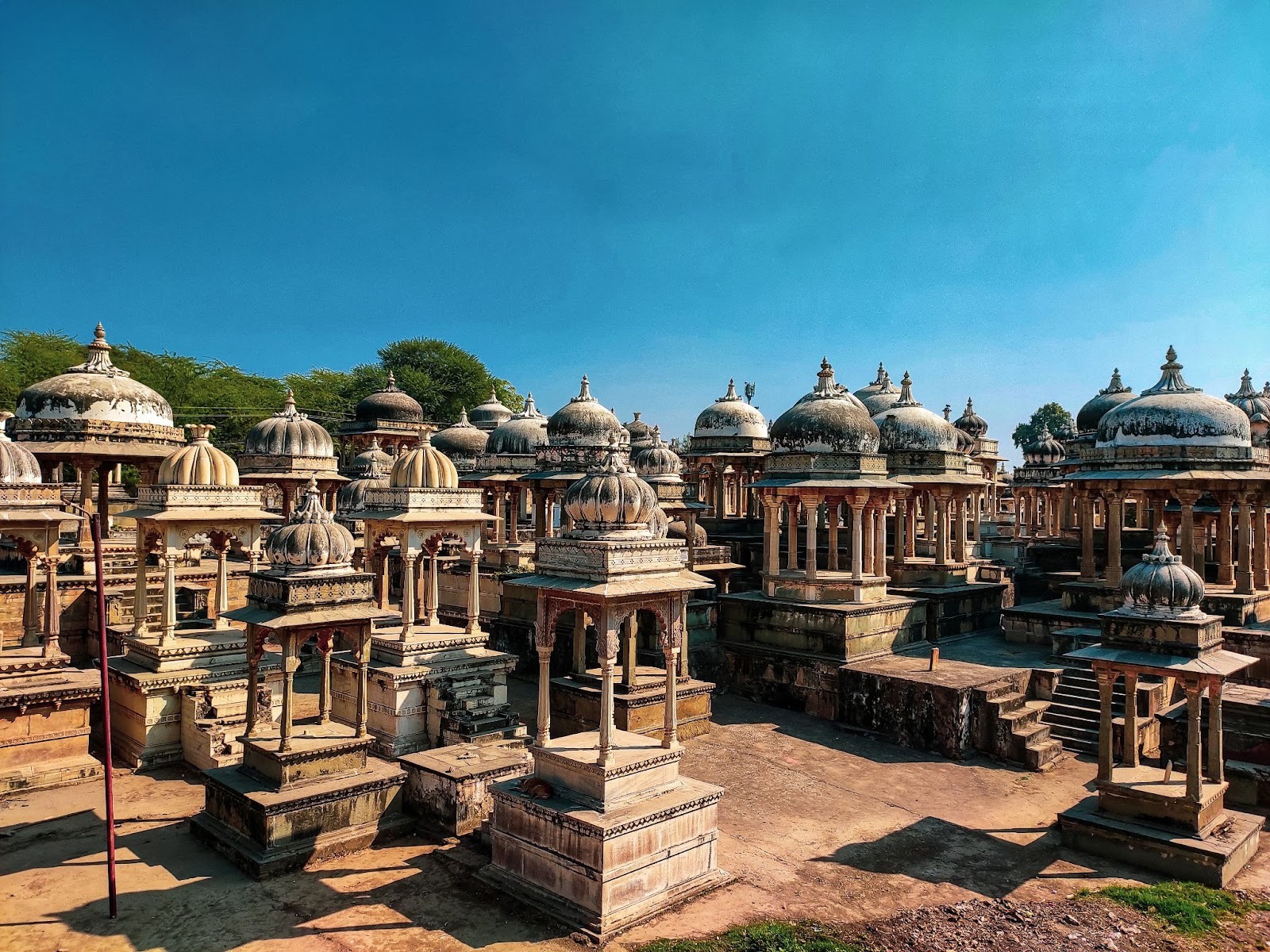
The lake area is also home to the sacred Namadeshwar Mahadev Temple and several beautifully carved chhatris (cenotaphs). The Shiva temple built on the dam adds a spiritual atmosphere to the destination and attracts devotees alongside tourists.
Jaisamand Wildlife Sanctuary
Surrounding the lake is the famous Jaisamand Wildlife Sanctuary, a rich natural habitat spread across approximately 62 square kilometers. Originally used as a royal hunting reserve, the sanctuary was officially declared a protected wildlife area in 1957.
The sanctuary is known for its diverse flora and fauna and serves as an important ecological zone in southern Rajasthan. Wildlife enthusiasts visiting the sanctuary may spot animals such as leopards, hyenas, jungle cats, wild boars, deer, and numerous bird species.
The dense forests, rocky terrain, and peaceful surroundings make the sanctuary ideal for nature walks, birdwatching, and wildlife photography. During winter, migratory birds can also be seen around the lake, enhancing the beauty of the region.
Best Time to Visit Jaisamand Lake
The best time to visit Jaisamand Lake is between October and March when the weather remains cool and pleasant. Winter provides ideal conditions for sightseeing, boating, and wildlife exploration. The monsoon season also enhances the beauty of the lake as the surrounding hills turn lush green and the water levels increase significantly.
Summers in Rajasthan can be extremely hot, so daytime travel during peak summer months is generally less comfortable.
Activities to Enjoy at Jaisamand Lake
Visitors to Jaisamand Lake can enjoy a variety of activities, including:
- Boating across the scenic waters.
- Exploring the islands and tribal settlements.
- Visiting historic palaces and temples.
- Wildlife spotting at Jaisamand Wildlife Sanctuary.
- Photography during sunrise and sunset.
- Relaxing amidst peaceful natural surroundings.
The destination is particularly suitable for families, couples, solo travelers, and nature enthusiasts looking for a quiet retreat away from urban crowds.
How to Reach Jaisamand Lake
Jaisamand Lake is well connected to Udaipur by road. Travelers can easily hire taxis or take private vehicles from Udaipur to reach the lake in around 1.5 to 2 hours. The nearest railway station and airport are both located in Udaipur, making the lake accessible for domestic and international tourists.
Location
FAQs
Why is Jaisamand Lake famous?
Jaisamand Lake is famous for being one of India’s largest artificial lakes. It is known for its scenic beauty, historic architecture, islands, tribal culture, and surrounding wildlife sanctuary.
Who built Jaisamand Lake?
The lake was constructed in 1685 AD by Maharana Jai Singh of the Mewar kingdom.
What is the other name of Jaisamand Lake?
Jaisamand Lake is also known as Dhebar Lake.
Can tourists enjoy boating at Jaisamand Lake?
Yes, boating is one of the most popular activities at the lake. Boat rides allow visitors to explore the islands and enjoy panoramic views of the surroundings.
What wildlife can be seen in Jaisamand Wildlife Sanctuary?
The sanctuary is home to leopards, hyenas, jungle cats, deer, wild boars, and several species of birds.
Which is the best season to visit Jaisamand Lake?
Winter and post-monsoon months, from October to March, are considered the best time to visit due to pleasant weather and beautiful scenery.
Is Jaisamand Lake suitable for a family trip?
Yes, the lake is an excellent destination for family outings, nature trips, and peaceful weekend getaways.