Image Source: Indrajit Das
About Do-drul Chorten
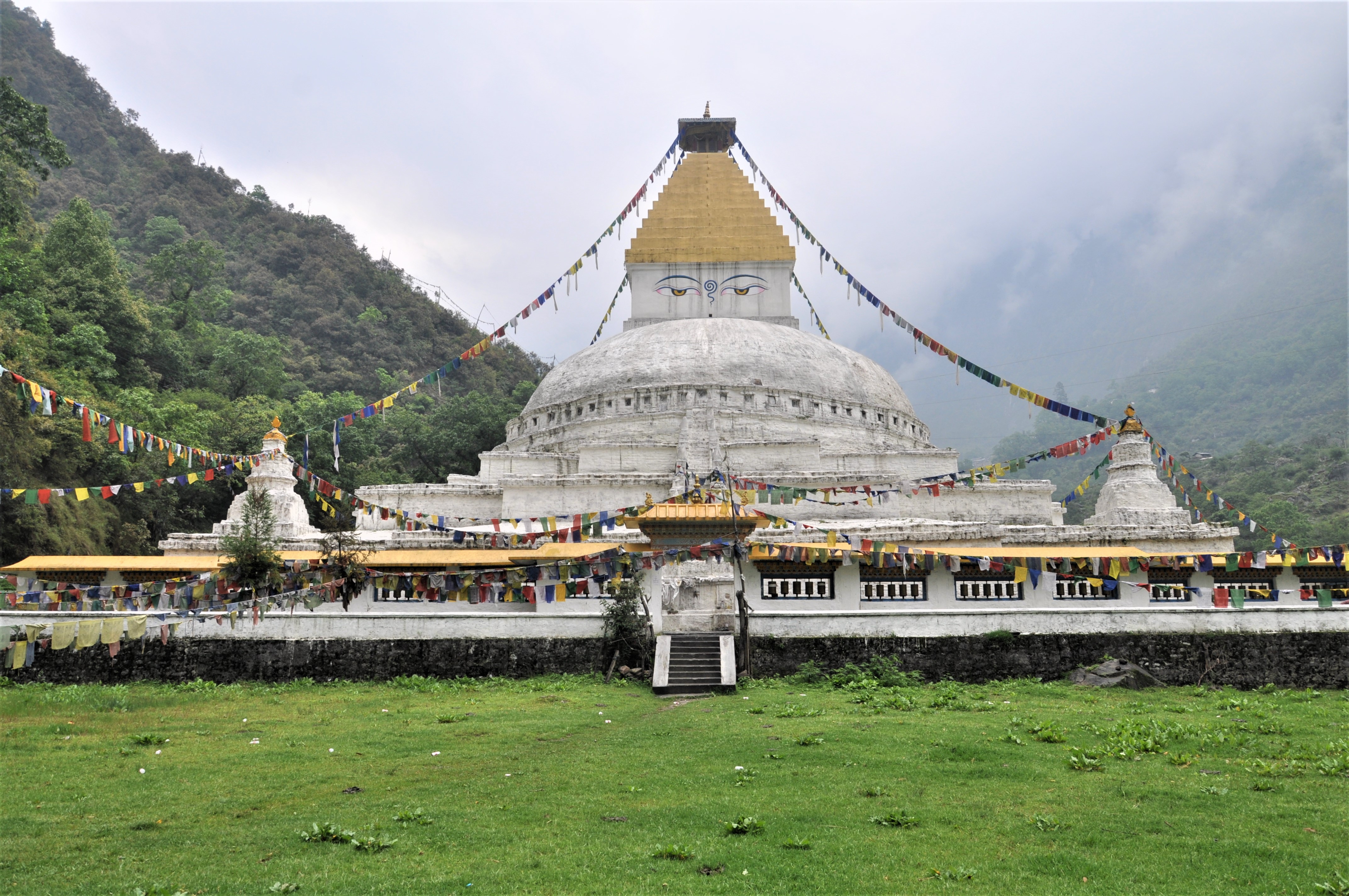
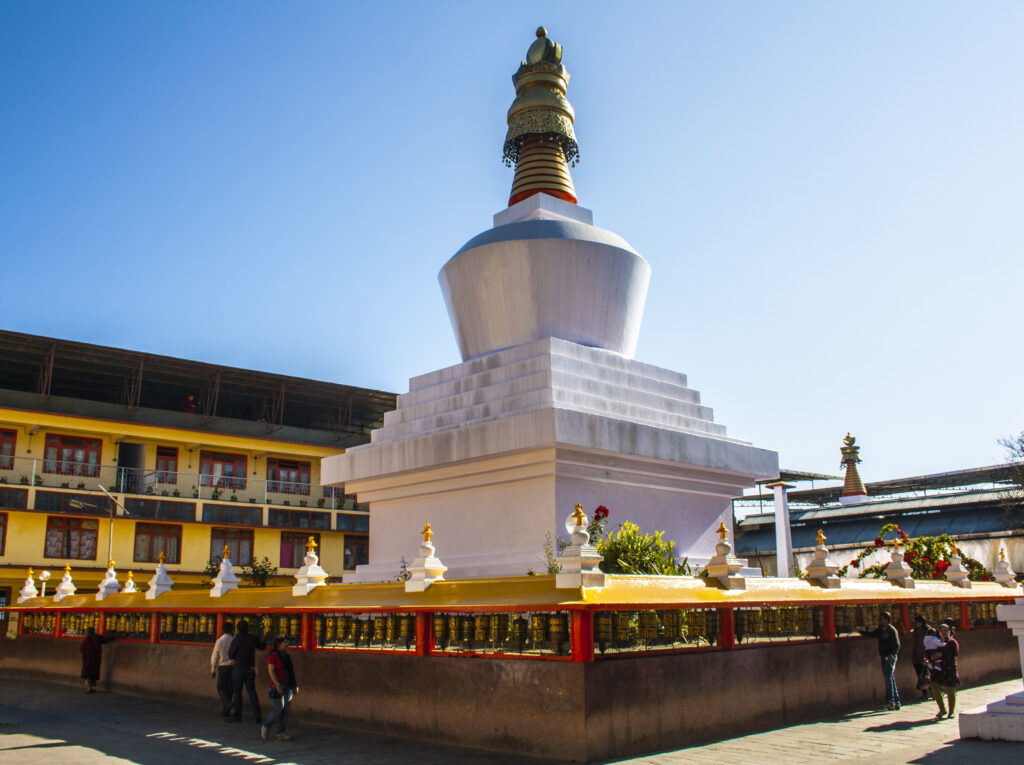
Do-drul Chorten, located in Gangtok, Sikkim, is one of the largest and most significant stupas in the state. Built as a prayer and meditation complex, it attracts both devotees and tourists seeking spiritual enrichment.
The stupa is surrounded by beautifully landscaped gardens and a series of prayer wheels, making it a serene destination for reflection and Buddhist practices.
Historical and Religious Significance
Constructed in 1945 by Trulshik Rinpoche, Do-drul Chorten is a major site for Nyingma Buddhism in Sikkim. It houses sacred Buddhist relics and is a center for daily prayers, religious ceremonies, and teachings.
The complex plays an important role during festivals like Losar (Tibetan New Year) and other Buddhist celebrations, where monks perform rituals and devotees participate in prayers.
Architectural and Cultural Highlights
The stupa features classic Tibetan-style architecture with gilded decorations, colorful murals, and sacred inscriptions. Surrounding the stupa are 108 prayer wheels, which devotees spin clockwise as part of their prayers and rituals.
The nearby monastic school provides spiritual education, and the tranquil gardens enhance the meditative atmosphere of the complex.
How to Reach
Do-drul Chorten is located approximately 3 km from Gangtok city center, making it easily accessible by road via taxis, shared jeeps, or local buses. The nearest airport is Pakyong Airport (around 35 km), while Bagdogra Airport (about 125 km) serves as the major international gateway. The closest railway station is New Jalpaiguri, from where road transport connects visitors to Gangtok and the stupa complex.
Nearby Attractions to Do Drul Chorten
Located in the heart of Gangtok, Do Drul Chorten is surrounded by several important monasteries, museums, viewpoints, and cultural attractions that can easily be explored in the same day.
1. Namgyal Institute of Tibetology (Approx. 150 m)
Situated next to Do Drul Chorten, the Namgyal Institute of Tibetology is one of India’s premier centers for Tibetan studies. It houses an impressive collection of ancient Buddhist manuscripts, rare thangka paintings, statues, ritual objects, and historical artifacts, making it a must-visit for history and culture enthusiasts.
2. Flower Exhibition Centre (Approx. 2 km)
A colorful attraction showcasing a wide variety of orchids, seasonal flowers, and Himalayan plants. The exhibition is especially vibrant during spring and is popular among photographers and nature lovers.
3. MG Marg (Approx. 2.5 km)
Gangtok’s famous pedestrian-only boulevard is lined with cafés, restaurants, souvenir shops, and local handicraft stores. It is the perfect place to enjoy local cuisine, shop for souvenirs, and experience the city’s lively atmosphere.
4. Enchey Monastery (Approx. 3 km)
One of Gangtok’s oldest Buddhist monasteries, Enchey Monastery is known for its peaceful surroundings, traditional Tibetan architecture, colorful murals, and annual Cham masked dance festival.
5. Gangtok Ropeway (Approx. 3 km)
The Gangtok Ropeway offers spectacular aerial views of the city, surrounding hills, valleys, and the snow-capped Himalayan peaks. It is among the city’s most popular sightseeing experiences.
6. Banjhakri Falls and Energy Park (Approx. 6 km)
A scenic waterfall surrounded by landscaped gardens, sculptures depicting local folklore, walking trails, and picnic areas. It is an excellent destination for families and nature lovers.
7. Tashi View Point (Approx. 8 km)
This viewpoint provides breathtaking panoramic views of Gangtok and, on clear days, the majestic Kanchenjunga mountain range. Sunrise is the best time to visit.
8. Ganesh Tok (Approx. 7 km)
A small hilltop temple dedicated to Lord Ganesha, Ganesh Tok is famous for its peaceful atmosphere and panoramic views of Gangtok and the surrounding mountains.
9. Hanuman Tok (Approx. 9 km)
Maintained by the Indian Army, Hanuman Tok is a well-kept temple offering serene surroundings and magnificent views of the Himalayas, making it one of Gangtok’s most visited viewpoints.
10. Rumtek Monastery (Approx. 24 km)
One of the largest and most significant Buddhist monasteries in Sikkim, Rumtek Monastery is renowned for its stunning architecture, sacred relics, vibrant prayer halls, and spiritual significance.
Google Maps
FAQs
1. Where is Do Drul Chorten located?
Do Drul Chorten is located in Gangtok, the capital city of Sikkim, near the Namgyal Institute of Tibetology.
2. Who built Do Drul Chorten?
The stupa was built in 1945 by Trulshik Rinpoche, the head of the Nyingma school of Tibetan Buddhism, to promote peace and spiritual well-being.
3. What is Do Drul Chorten famous for?
The chorten is famous for its golden dome, sacred relics, 108 prayer wheels, and its peaceful atmosphere. It is one of the most important Buddhist stupas in Sikkim.
4. What are the opening hours of Do Drul Chorten?
The chorten is generally open daily from 8:00 AM to 6:00 PM, though timings may vary during festivals or special religious events.
5. Is there an entry fee to visit Do Drul Chorten?
No, entry to Do Drul Chorten is generally free, although donations for the maintenance of the monastery are welcome.
6. What is the best time to visit Do Drul Chorten?
The best time to visit is between March and June and October and December, when the weather is pleasant and the skies are usually clear.
7. How much time is needed to explore Do Drul Chorten?
Most visitors spend 30 minutes to 1 hour exploring the stupa, spinning the prayer wheels, and visiting the nearby Namgyal Institute of Tibetology.
8. Can photography be done inside Do Drul Chorten?
Photography is generally allowed in the outdoor premises. However, visitors should seek permission before taking photographs inside prayer halls or during religious ceremonies.
9. Is Do Drul Chorten suitable for families and senior citizens?
Yes. The site is peaceful and easily accessible, making it suitable for families, children, and senior citizens. Comfortable footwear is recommended due to a few steps around the complex.
10. Which attractions can be combined with a visit to Do Drul Chorten?
Visitors often combine their trip with the Namgyal Institute of Tibetology, MG Marg, Enchey Monastery, Gangtok Ropeway, Ganesh Tok, Hanuman Tok, Tashi View Point, Banjhakri Falls, and Rumtek Monastery for a full-day Gangtok sightseeing tour.