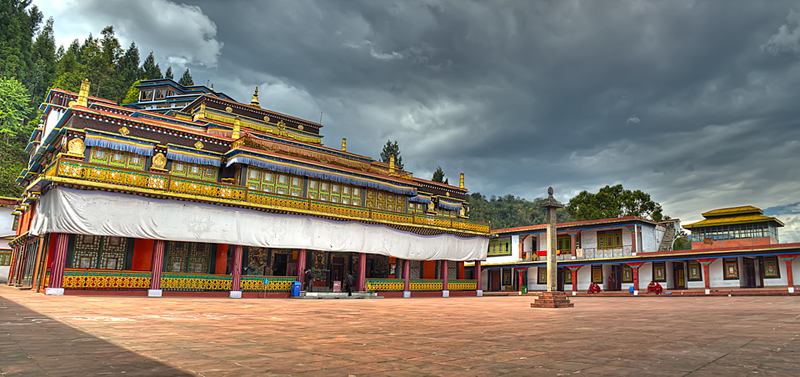
Image Source: Vikramjit Kakati
About Rumtek Monastery
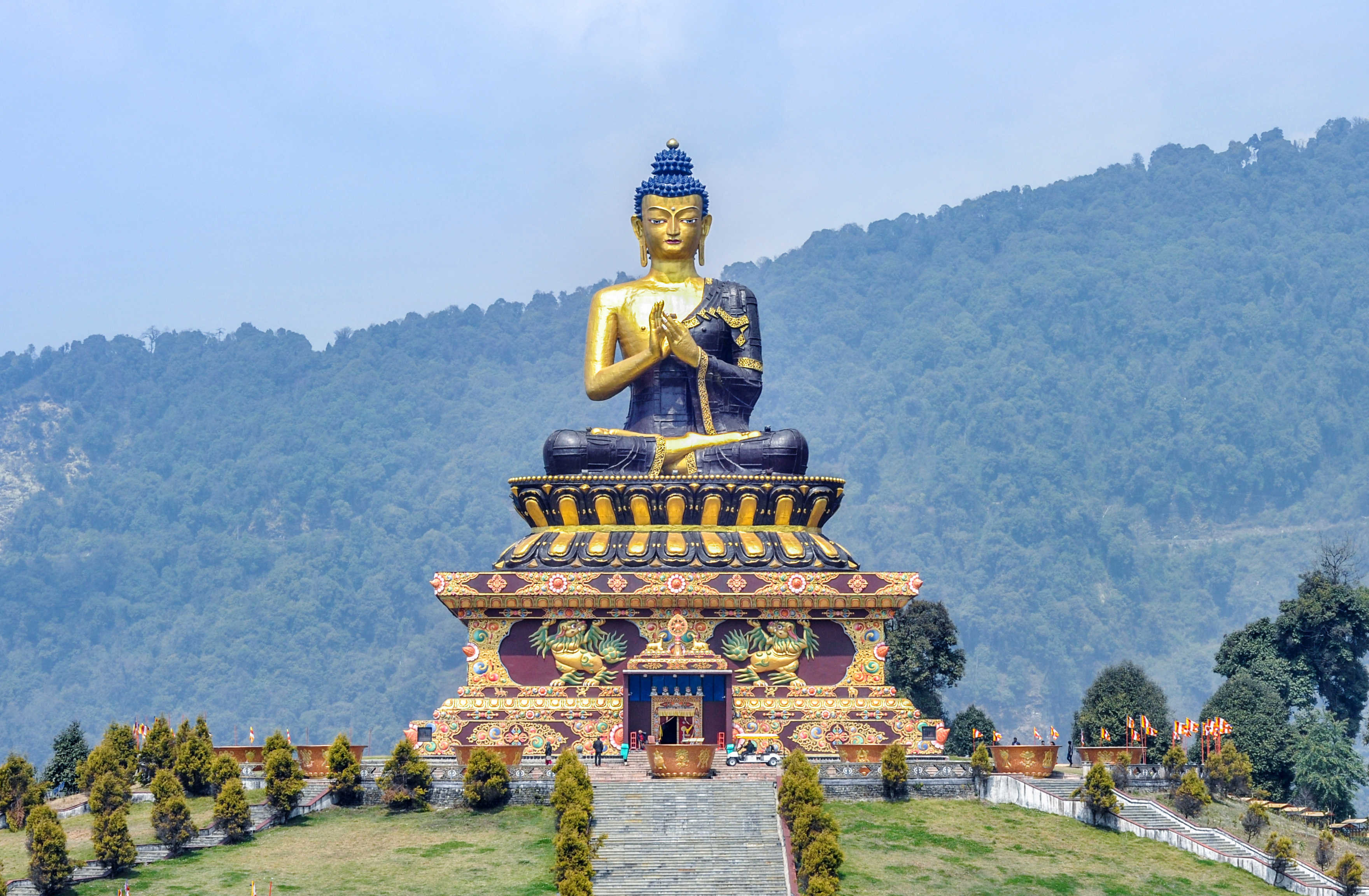
Rumtek Monastery, located near Gangtok in Sikkim, is one of the most important centers of Tibetan Buddhism outside Tibet. Also known as the Dharmachakra Centre, it serves as the seat of the Karma Kagyu lineage of Tibetan Buddhism.
The monastery is renowned for its vibrant architecture, spiritual ambiance, and rich collection of sacred Buddhist artifacts. It attracts pilgrims, scholars, and tourists from across the world who seek spiritual insight and cultural experiences.
Historical and Religious Significance
Rumtek Monastery was originally constructed in the 16th century in Tibet and rebuilt in Sikkim in the 1960s after the Chinese occupation of Tibet. It houses sacred relics, including the Rangjung Kharsapani, a gold-gilded throne for the Karmapa, and ancient scriptures that reflect centuries of Tibetan Buddhist tradition.
The monastery is also a center for religious education and meditation, nurturing monks and scholars in Buddhist philosophy.
Cultural and Architectural Highlights
The monastery’s architecture is a vibrant display of Tibetan artistry, with ornate murals, colorful frescoes, and intricate wood carvings. The central prayer hall is adorned with statues of Buddha, Avalokiteshvara, and other deities.
Every year, Rumtek hosts festivals like Chaam dances, where monks perform masked dances depicting mythological stories, drawing both devotees and tourists. The monastery complex also features monk quarters, meditation halls, and a beautiful stupa, offering a serene environment for spiritual practice.
Travel and Visitor Experience
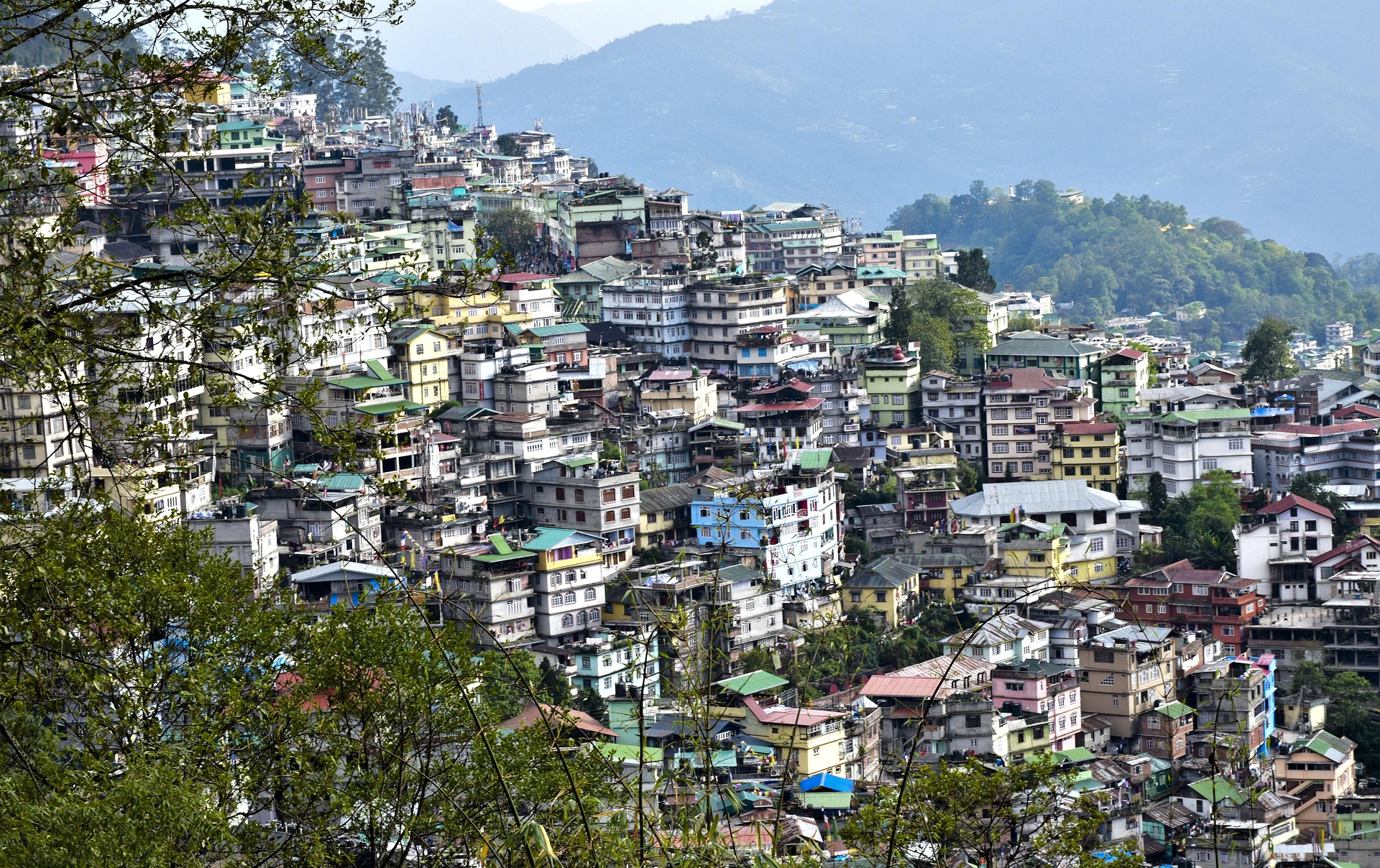
Visitors to Rumtek can participate in guided tours, attend meditation sessions, and witness traditional rituals performed by the resident monks. The serene surroundings amidst the Himalayan foothills provide a peaceful retreat, while the panoramic views of Gangtok and surrounding valleys add to the spiritual experience.
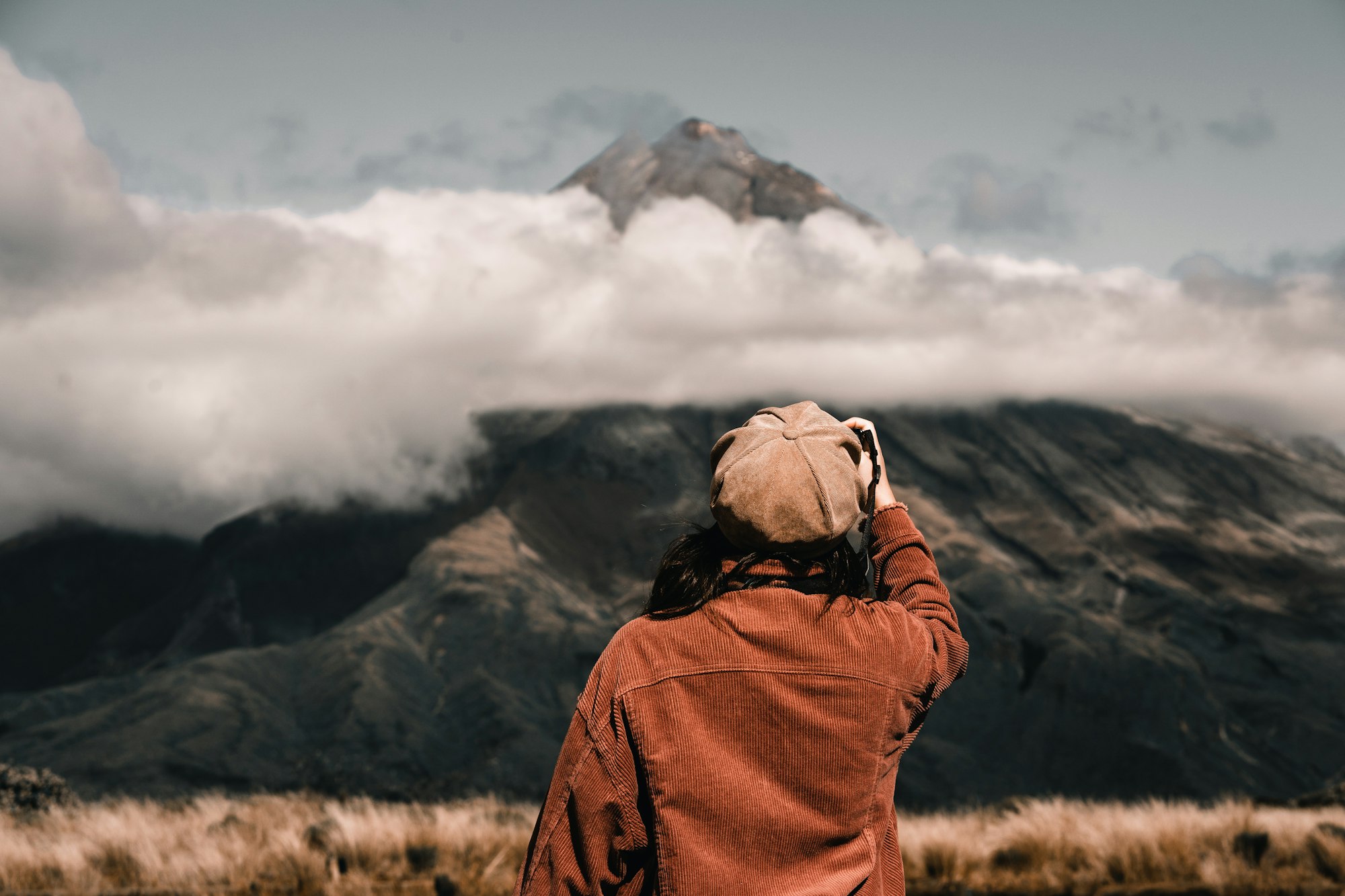
Photography enthusiasts often capture the vibrant colors, intricate artwork, and daily life within the monastery.
How to Reach
Rumtek Monastery is located about 24 km from Gangtok, the capital city of Sikkim. It can be reached by road via taxis or shared jeeps from Gangtok. The nearest airport is Pakyong Airport (around 45 km away), while Bagdogra Airport in West Bengal (around 125 km) is the major international gateway.
The closest railway station is New Jalpaiguri in West Bengal, which is well connected to major Indian cities.
Nearby Attractions
Rumtek Monastery is one of the most important Buddhist monasteries in Sikkim and is located about 24 km from Gangtok. Surrounded by lush hills and scenic landscapes, it offers easy access to several cultural, spiritual, and natural attractions.
1. Dharma Chakra Centre
Located within the Rumtek Monastery complex, the Dharma Chakra Centre is the monastery’s main prayer hall. It is renowned for its intricate Tibetan architecture, colorful murals, sacred relics, and peaceful ambiance, making it the spiritual heart of the monastery.
2. Golden Stupa (Approx. 200 m)
Situated inside the monastery complex, the Golden Stupa houses the sacred relics of the 16th Karmapa, Rangjung Rigpe Dorje. Decorated with gold and precious stones, it is one of the holiest sites for followers of the Karma Kagyu tradition.
3. Nalanda Institute for Higher Buddhist Studies (Approx. 300 m)
Located adjacent to the monastery, this institute serves as a center for Buddhist philosophy, Tibetan language, and monastic education. Visitors can learn about Buddhist traditions and observe monks engaged in their studies.
4. Lingdum (Ranka) Monastery (Approx. 12 km)
One of Sikkim’s most beautiful monasteries, Lingdum Monastery features magnificent Tibetan architecture, peaceful surroundings, and stunning views of the surrounding hills. It is less crowded and ideal for those seeking tranquility.
5. Banjhakri Falls and Energy Park (Approx. 18 km)
A picturesque waterfall surrounded by landscaped gardens, walking trails, and sculptures depicting local folklore. It is a popular picnic and photography spot near Gangtok.
6. Do Drul Chorten (Approx. 22 km)
This famous Buddhist stupa in Gangtok is known for its golden dome, 108 prayer wheels, and peaceful atmosphere. It is one of the city’s most significant religious landmarks.
7. Namgyal Institute of Tibetology (Approx. 22 km)
Located beside Do Drul Chorten, this renowned museum preserves Tibetan Buddhist heritage through rare manuscripts, ancient scriptures, statues, thangka paintings, and ritual objects.
8. MG Marg (Approx. 24 km)
Gangtok’s bustling pedestrian boulevard is lined with cafés, restaurants, handicraft stores, and souvenir shops. It is the perfect place to experience the city’s vibrant atmosphere.
9. Gangtok Ropeway (Approx. 25 km)
Enjoy panoramic aerial views of Gangtok, the surrounding valleys, and the Himalayan ranges while riding the Gangtok Ropeway.
10. Enchey Monastery (Approx. 27 km)
One of Gangtok’s oldest monasteries, Enchey Monastery is known for its traditional Tibetan architecture, colorful murals, and annual Cham masked dance festival.
Google Maps
FAQs
1. Where is Rumtek Monastery located?
Rumtek Monastery is located in Rumtek village, about 24 km from Gangtok, the capital of Sikkim.
2. Why is Rumtek Monastery famous?
Rumtek Monastery is the largest monastery in Sikkim and the principal seat of the Karma Kagyu school of Tibetan Buddhism outside Tibet. It is famous for its magnificent architecture, sacred relics, Golden Stupa, and peaceful surroundings.
3. What are the opening hours of Rumtek Monastery?
The monastery is generally open daily from 6:00 AM to 6:00 PM, though prayer hall access may vary during religious ceremonies and festivals.
4. Is there an entry fee to visit Rumtek Monastery?
Entry to the monastery complex is usually free, although there may be a nominal fee for carrying cameras or visiting certain museum sections.
5. What is the best time to visit Rumtek Monastery?
The ideal time to visit is from March to June and October to December, when the weather is pleasant and the mountain views are at their best.
6. How much time should I spend at Rumtek Monastery?
Most visitors spend 2 to 3 hours exploring the monastery, Golden Stupa, prayer halls, monastery museum, and the surrounding viewpoints.
7. Can visitors attend prayer sessions at Rumtek Monastery?
Yes. Visitors are generally welcome to observe prayer ceremonies if conducted respectfully. Silence should be maintained inside the prayer halls.
8. Is photography allowed inside Rumtek Monastery?
Photography is permitted in many outdoor areas of the monastery. However, photography inside prayer halls and certain sacred sections may be restricted, so visitors should follow the monastery’s guidelines.
9. Is Rumtek Monastery suitable for families and senior citizens?
Yes. The monastery is suitable for visitors of all ages. However, there are several stairways and sloping paths within the complex, so comfortable footwear is recommended.
10. Which attractions can be visited along with Rumtek Monastery?
Visitors often combine their trip with Lingdum (Ranka) Monastery, Do Drul Chorten, Namgyal Institute of Tibetology, MG Marg, Enchey Monastery, Gangtok Ropeway, Banjhakri Falls and Energy Park, and other popular attractions in and around Gangtok for a full-day sightseeing experience.