Image Source: Yoghya
About Gurudongmar Lake
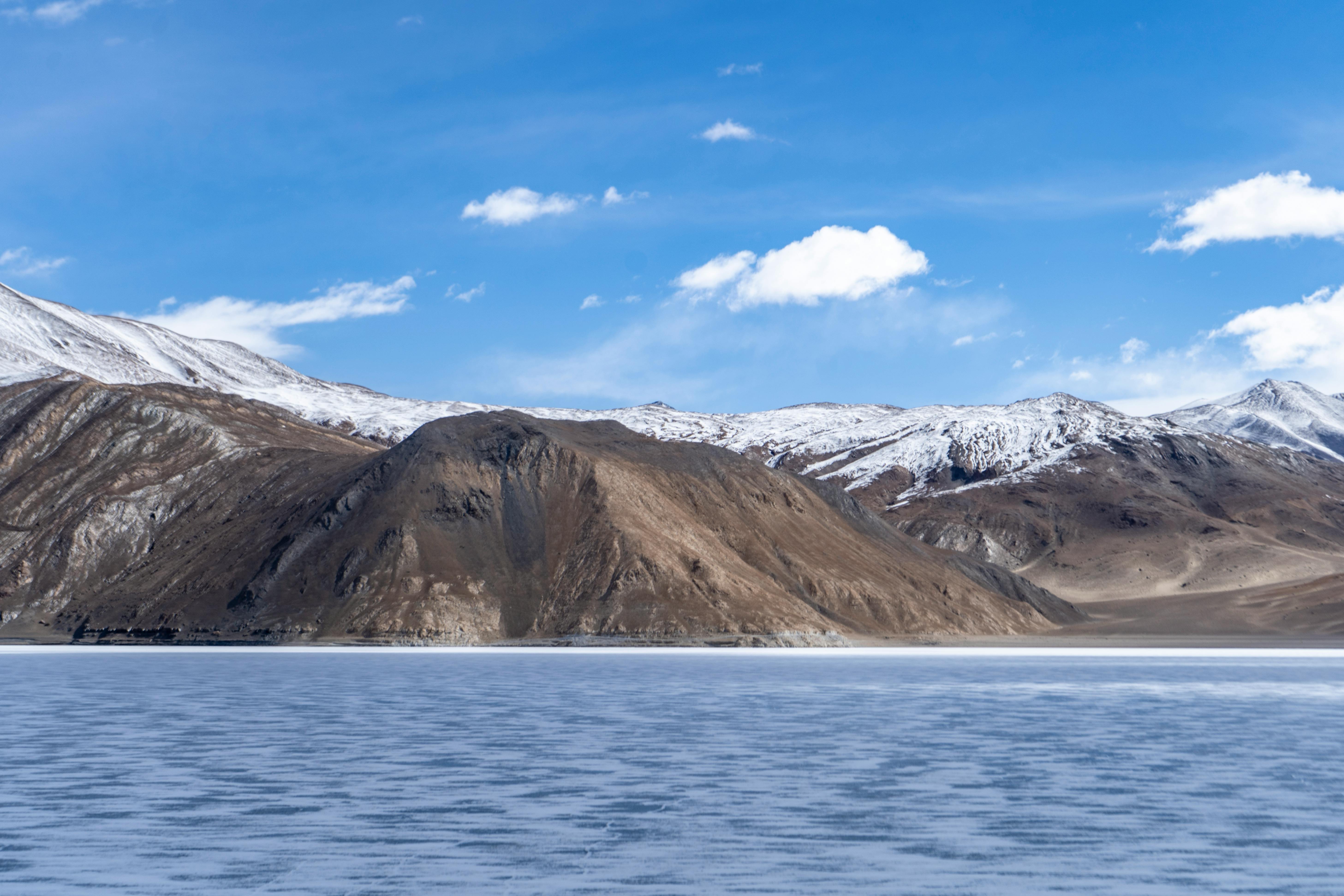
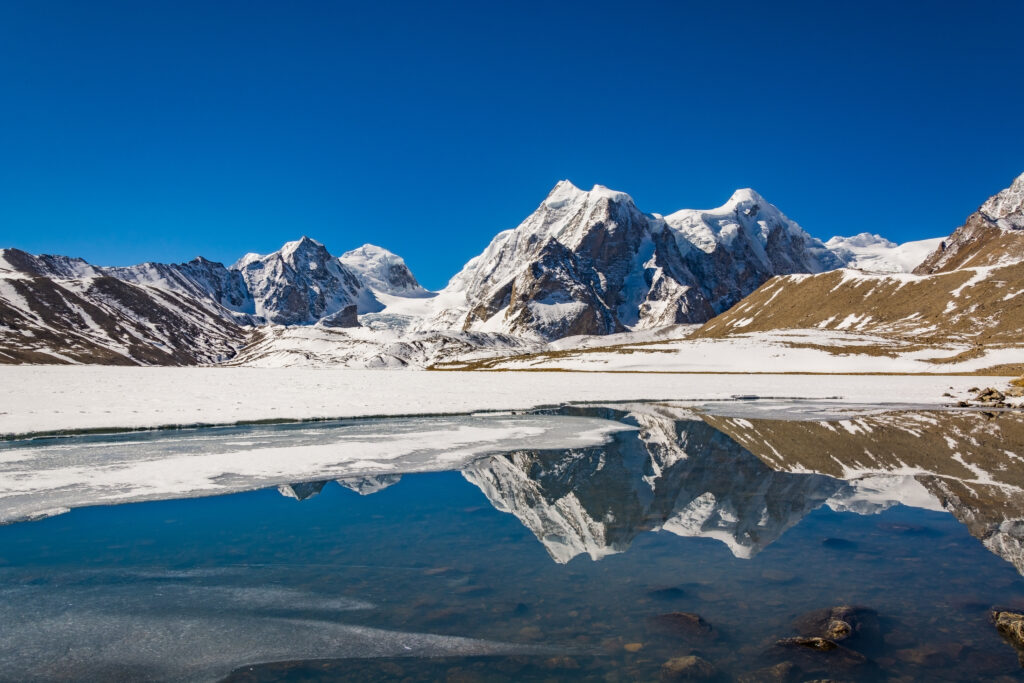
Perched high in the remote mountains of North Sikkim, Gurudongmar Lake is one of the highest lakes in the world, sitting at an astonishing altitude of nearly 17,800 feet above sea level. Surrounded by rugged Himalayan peaks and vast stretches of cold desert terrain, the lake is known for its surreal beauty and spiritual atmosphere. The striking turquoise water, framed by snow-covered mountains and dramatic skies, creates a landscape that feels almost otherworldly. Despite the harsh climate and thin mountain air, the lake continues to attract travelers, pilgrims, photographers, and adventure seekers from all over India and beyond.
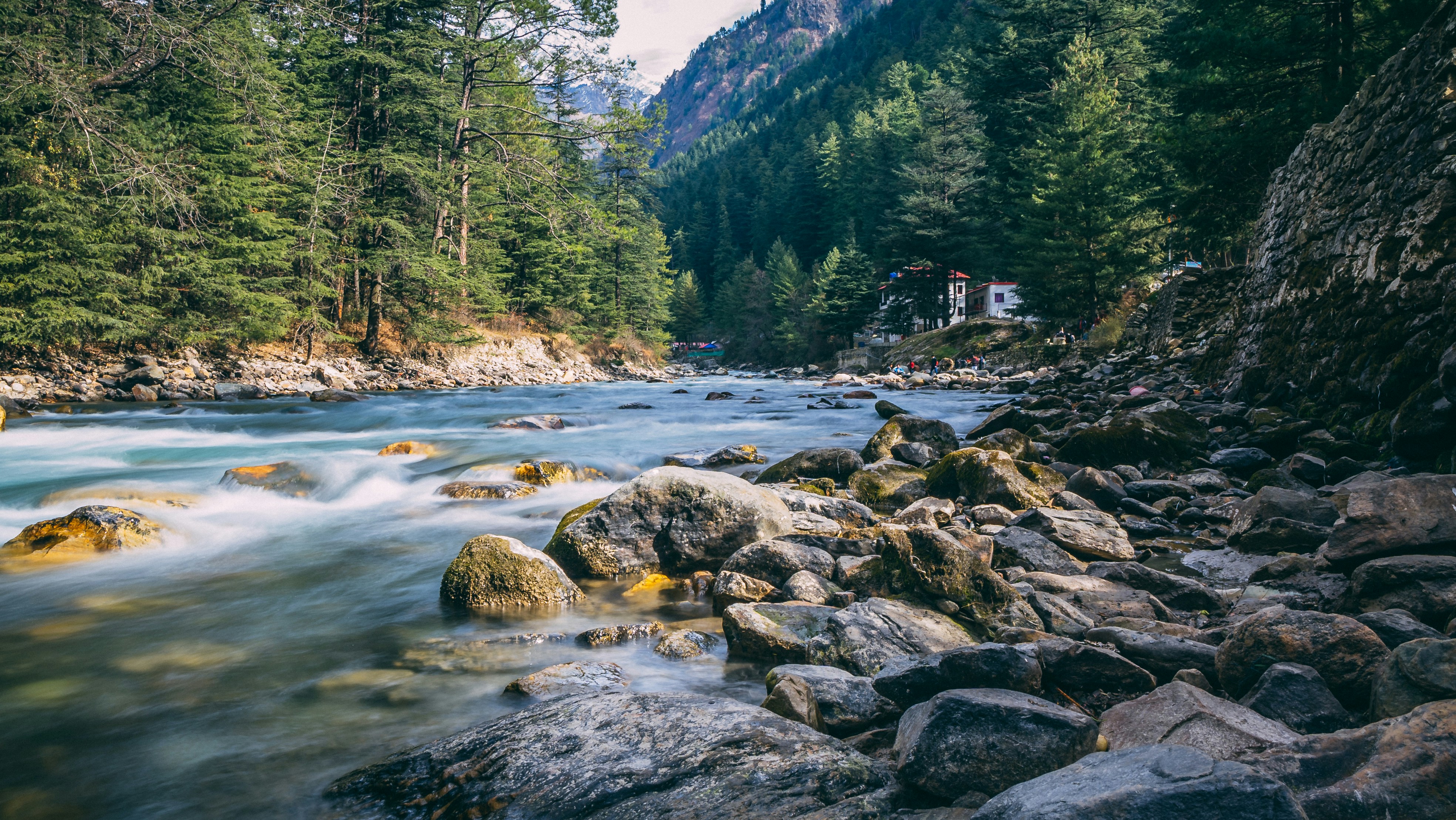
The journey to Gurudongmar is not just about reaching a destination—it is an experience in itself. As travelers move deeper into the high Himalayas, the scenery changes from green valleys and forests to barren rocky slopes, frozen streams, and windswept mountain plains. The isolation and silence of the region give the lake a peaceful and mystical charm that leaves a lasting impression on visitors.
Religious and Spiritual Importance
Gurudongmar Lake is considered sacred by several communities, making it one of the most spiritually significant lakes in the eastern Himalayas. Buddhists believe that Guru Padmasambhava, also known as Guru Rinpoche, visited the area in the 8th century and blessed the lake. According to local legends, he touched a portion of the lake to ensure it would never freeze completely, even during the harshest winters. Locals still point to a section of the lake that is believed to remain unfrozen throughout the year.
The lake also holds deep significance for followers of Sikhism. Many believe that Guru Nanak Dev Ji visited this region during his travels and blessed the waters. Because of these beliefs, pilgrims often carry small bottles of the lake’s water back home, considering it holy and spiritually powerful.
Hindus too regard the lake with reverence, and over the years it has become a symbol of faith, peace, and devotion shared across different religions. This unique blend of spiritual traditions adds to the emotional and cultural importance of Gurudongmar Lake.
The Journey to Gurudongmar Lake
Reaching Gurudongmar Lake is an adventure that tests both endurance and excitement. Most travelers begin their journey from Gangtok and travel toward Lachen, a picturesque mountain village that serves as the base point for the lake excursion. The road journey from Lachen to the lake takes around 3 to 4 hours and passes through some of the most dramatic landscapes in Sikkim.
The route includes steep mountain roads, army checkpoints, icy winds, and high-altitude terrain. Travelers often cross remote valleys, frozen rivers, and wide open plains before finally catching the first glimpse of the shimmering lake. Due to the extreme altitude, oxygen levels are low, and many visitors may experience mild symptoms of altitude sickness such as headaches, dizziness, or breathlessness.
Because of these conditions, acclimatization is extremely important. Most tour operators recommend spending at least one night in Lachen before attempting the journey to the lake. Carrying warm clothing, medicines, sunglasses, gloves, and water is highly advisable, as weather conditions can change rapidly in this region.
Landscape and Natural Beauty
One of the most remarkable aspects of Gurudongmar Lake is its stark yet mesmerizing landscape. Unlike the lush greenery commonly associated with Himalayan destinations, this region has a cold desert environment with rocky mountains, dry valleys, and patches of snow spread across the terrain. The contrast between the barren mountains and the brilliant blue waters of the lake creates a spectacular visual experience.
During clear mornings, the lake reflects the surrounding snow peaks like a mirror, making it a paradise for photographers and nature lovers. The silence of the place, broken only by strong mountain winds, adds to its untouched beauty. Sunrises here are particularly magical, with golden light slowly illuminating the icy mountains and the crystal-clear lake.
Wildlife sightings are rare due to the harsh climate, but the region occasionally supports high-altitude birds and hardy mountain species adapted to extreme conditions.
Best Time to Visit
The ideal time to visit Gurudongmar Lake is between April and June and again from September to November. During these months, the roads are generally accessible, and the weather remains relatively stable. Summers offer clearer skies and better road conditions, while autumn provides crisp mountain views and stunning scenery.
Winters in this region are extremely severe, with temperatures dropping far below freezing. Heavy snowfall often blocks roads, making travel difficult or impossible. Monsoon months are also not recommended because landslides and road damage can disrupt travel plans in North Sikkim.
Most travelers prefer starting their journey early in the morning because weather conditions tend to worsen later in the day, especially with strong winds and reduced visibility.
Permits and Travel Regulations
Since Gurudongmar Lake lies close to the Indo-China border, special permits are required to visit the area. Indian tourists can obtain permits through registered travel agencies in Sikkim, usually as part of a tour package. Carrying valid government identification is mandatory during the journey.
Foreign nationals are generally restricted from visiting Gurudongmar Lake because of the sensitive border location. However, they can explore several other beautiful destinations in North Sikkim with proper permits.
The region is also heavily monitored by the Indian Army, and travelers will encounter military camps and checkpoints along the route. Photography may be restricted in certain areas, so it is important to follow local guidelines and instructions.
Travel Tips for Visitors
Traveling to such a high-altitude destination requires preparation and caution. Visitors should avoid alcohol and smoking before the trip, stay hydrated, and eat light meals to help the body adjust to the elevation. People with respiratory or heart-related conditions should consult a doctor before planning the journey.
It is also important to respect the fragile mountain environment. Travelers are encouraged not to litter and to avoid disturbing the natural ecosystem around the lake. The weather can become extremely cold even during summer mornings, so layered winter clothing is essential throughout the trip.
Despite the challenges, visiting Gurudongmar Lake remains one of the most unforgettable experiences in the Himalayas. The combination of spiritual significance, remote wilderness, and breathtaking scenery makes it a truly extraordinary destination.
How to Reach Gurudongmar Lake
Gurudongmar Lake is located in the remote northern part of Sikkim at an altitude of about 5,430 meters (17,800 feet), close to the Indo-China border. Due to its high altitude and strategic location, visitors must obtain a Protected Area Permit (PAP), and the lake can only be visited through registered tour operators or authorized vehicles.
By Air
The nearest airports are:
- Pakyong Airport – Around 30 km from Gangtok, with limited flight connectivity.
- Bagdogra Airport (West Bengal) – About 125 km from Gangtok, offering better connectivity to major Indian cities.
From either airport, hire a taxi or shared cab to Gangtok, which usually takes 4–5 hours from Bagdogra and about 1–1.5 hours from Pakyong.
By Train
The nearest railway station is:
- New Jalpaiguri (NJP) in Siliguri, approximately 120 km from Gangtok.
Regular taxis and shared jeeps operate between NJP and Gangtok, with the journey taking around 4–5 hours.
By Road
The journey to Gurudongmar Lake is usually completed over two days:
Day 1:
- Gangtok → Mangan → Chungthang → Lachen
- Distance: Around 120 km
- Travel Time: 6–7 hours
Spend the night in Lachen to acclimatize to the high altitude.
Day 2:
- Lachen → Thangu Valley → Chopta Valley → Gurudongmar Lake
- Distance: About 65–70 km
- Travel Time: 3–4 hours
Most vehicles leave Lachen around 4:00–5:00 AM, allowing visitors to reach the lake before afternoon weather changes. The roads beyond Thangu are rough, and only sturdy SUVs or 4×4 vehicles are recommended.
Nearby Attractions
1. Lachen
Located about 65 km from Gurudongmar Lake, Lachen is a picturesque mountain village that serves as the base for visiting the lake. It is known for its traditional Bhutia culture, monasteries, and beautiful Himalayan scenery.
2. Thangu Valley
Situated approximately 30 km before Gurudongmar Lake, Thangu Valley is a scenic high-altitude meadow surrounded by snow-covered mountains. During spring and summer, colorful alpine flowers bloom across the valley.
3. Chopta Valley
A vast alpine plateau known for its rugged beauty, Chopta Valley offers spectacular mountain views, grazing yaks, and seasonal wildflowers. It is one of the most photogenic stops on the route.
4. Tso Lhamo Lake
One of the highest lakes in the world and an important source of the Teesta River. Access is subject to permits and weather conditions, making it a special destination for those with the required permissions.
5. Lachen Monastery
Also known as Ngodub Choling Monastery, this peaceful Buddhist monastery offers beautiful architecture and panoramic views of the surrounding mountains.
6. Singba Rhododendron Sanctuary
Home to over 40 species of rhododendrons, the sanctuary is especially vibrant between April and May, when the hillsides are covered with colorful blossoms.
Google Maps
FAQs
Why is Gurudongmar Lake famous?
Gurudongmar Lake is famous for being one of the highest lakes in the world and for its stunning turquoise waters surrounded by snow-covered Himalayan peaks. It is also revered as a sacred lake by Buddhists, Sikhs, and Hindus.
Where is Gurudongmar Lake located?
The lake is located in North Sikkim near the Indo-China border in the Indian state of Sikkim.
What is the altitude of Gurudongmar Lake?
Gurudongmar Lake is situated at an altitude of approximately 17,800 feet (5,430 meters) above sea level.
Is Gurudongmar Lake safe to visit?
Yes, the lake is generally safe to visit, but the extreme altitude can cause breathing difficulties and altitude sickness. Proper acclimatization and medical precautions are important.
Can foreigners visit Gurudongmar Lake?
Foreign nationals are usually not permitted to visit Gurudongmar Lake because it lies close to an international border area with military sensitivity.
How can I reach Gurudongmar Lake?
Travelers usually reach the lake from Gangtok via Lachen. From Lachen, the lake is around 65 kilometers away and can be reached by road.
What is the best time to visit Gurudongmar Lake?
The best months to visit are from April to June and September to November when roads remain more accessible and weather conditions are favorable.
Do I need a permit to visit Gurudongmar Lake?
Yes, Indian tourists require special permits to visit the lake. These permits are generally arranged through authorized travel agencies in Sikkim.