Image Source: Dibyendu Ash
About Khecheopalri Lake
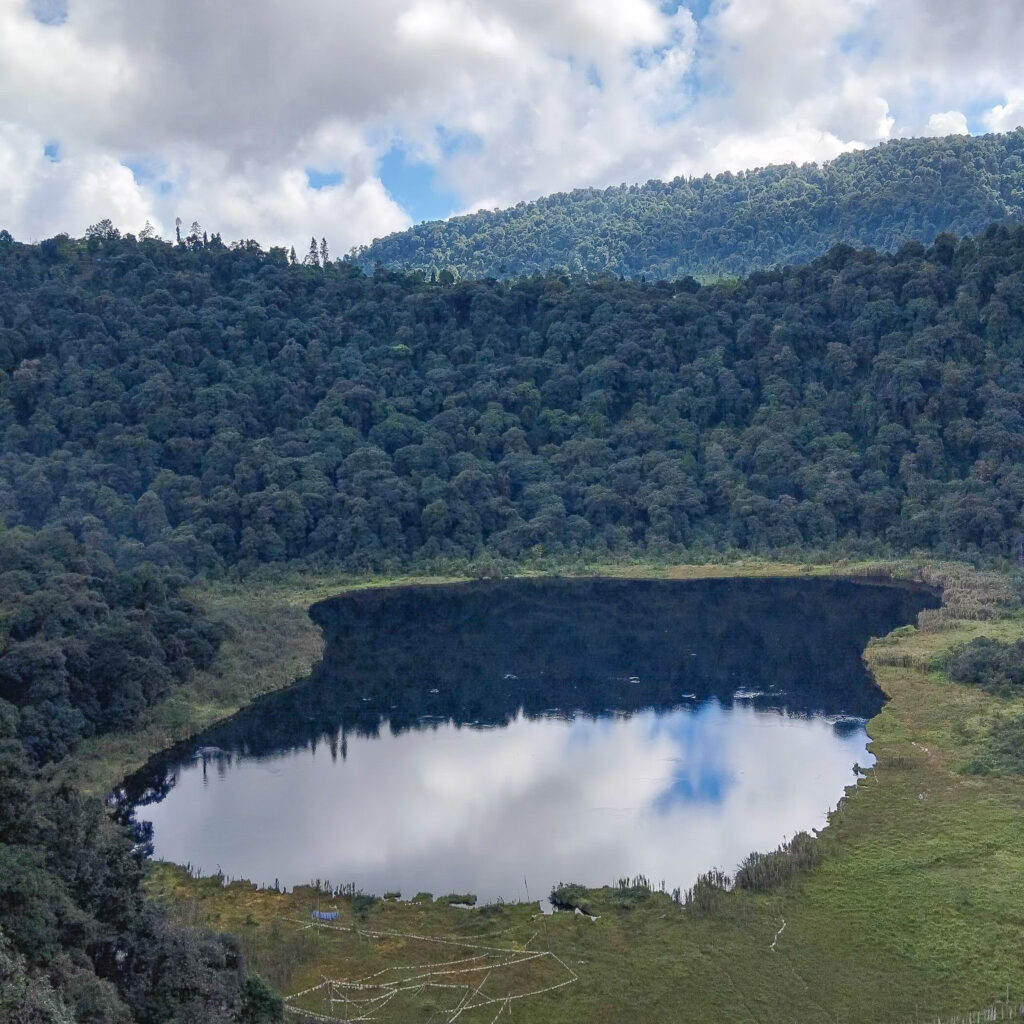
Hidden amidst the misty hills and dense forests of West Sikkim, Khecheopalri Lake is one of the most peaceful and spiritually significant places in the Himalayas. Popularly known as the “Wish-Fulfilling Lake,” this sacred water body attracts pilgrims, nature lovers, photographers, and trekkers from across India and beyond. Located at an altitude of around 1,700 meters above sea level, the lake is surrounded by thick forests, rolling hills, and prayer flags fluttering in the mountain breeze, creating an atmosphere that feels calm, mystical, and deeply spiritual.
Unlike many tourist spots that are crowded and commercialized, Khecheopalri Lake has managed to preserve its quiet charm and sacred aura. The journey to the lake itself is memorable, with winding roads passing through traditional villages, cardamom plantations, forest trails, and scenic mountain landscapes.
Religious and Spiritual Significance
Khecheopalri Lake is considered one of the holiest lakes in Sikkim. It holds immense importance in both Buddhism and Hinduism, making it a unique spiritual destination where different faiths coexist harmoniously. Buddhists believe the lake is associated with Goddess Tara, one of the most revered deities in Tibetan Buddhism, while Hindus regard it as a manifestation of Goddess Saraswati, the goddess of wisdom and learning.
Local legends say that the lake has the power to fulfill sincere wishes and prayers. Devotees often visit the lake to meditate, offer prayers, and seek blessings for peace, prosperity, and spiritual well-being. Wooden jetties extend toward the lake, allowing visitors to stand close to the sacred waters while maintaining the sanctity of the site.
One of the most fascinating beliefs associated with the lake is that no leaves are ever allowed to float on its surface. Although the lake is surrounded by dense forest, locals claim that birds immediately pick up any falling leaves to keep the water pure and sacred. Whether viewed as faith or coincidence, this belief adds to the mystical charm of the lake.
Natural Beauty and Biodiversity
Beyond its spiritual importance, Khecheopalri Lake is also known for its breathtaking natural beauty. The lake is believed to resemble the footprint of Goddess Tara when viewed from above, adding another layer of sacred symbolism to the site.
The surrounding forests are rich in biodiversity and are home to several Himalayan plant and bird species. Towering pine trees, rhododendrons, magnolias, and bamboo groves create a lush green environment around the lake. During spring, the blooming rhododendrons add vibrant colors to the landscape, making the area especially beautiful.
Birdwatchers can spot various Himalayan birds in the region, including migratory ducks, Himalayan griffons, and other rare mountain species. The peaceful atmosphere, cool mountain air, and crystal-clear reflections in the water make the lake an ideal place for quiet walks, photography, and meditation.
The lake is also part of the larger Khecheopalri Wetland, which plays an important ecological role in maintaining the local environment and supporting wildlife.
Festivals and Rituals
Khecheopalri Lake becomes especially vibrant during religious festivals and ceremonies. One of the most important celebrations here is the Maghe Purne Festival, usually held in February or March. During this festival, devotees and monks gather around the lake to perform prayers, rituals, and traditional ceremonies.
Butter lamps are floated on the water as chants and prayers echo through the surrounding hills, creating a mesmerizing spiritual atmosphere. Pilgrims from nearby villages and monasteries arrive dressed in traditional attire, and the entire area comes alive with devotion and cultural celebrations.
Apart from Maghe Purne, the lake also witnesses regular Buddhist prayer ceremonies throughout the year. Prayer flags, incense offerings, and sacred chants further enhance the tranquil environment.
Travel Experience Around the Lake
A visit to Khecheopalri Lake is more than just sightseeing—it is an experience that combines spirituality, culture, and nature. The short walk leading to the lake passes through dense forest paths lined with prayer wheels and colorful prayer flags. The peaceful sounds of birds and rustling leaves make the journey itself soothing and memorable.
Travelers often combine their visit with nearby attractions such as Pemayangtse Monastery and Rabdentse Ruins, both of which offer insights into Sikkim’s rich Buddhist heritage and royal history.
Nearby towns like Pelling and Yuksom serve as popular bases for travelers exploring West Sikkim. Trekking routes through forests and villages around the lake also provide opportunities to experience local Lepcha and Bhutia culture.
Best Time to Visit
The best time to visit Khecheopalri Lake is between March and May and again from September to November. During these months, the weather remains pleasant, skies are clearer, and the surrounding forests appear lush and vibrant.
Spring brings blooming flowers and greenery, while autumn offers crisp mountain views and comfortable temperatures. Monsoon season can make roads slippery due to heavy rainfall, although the landscape becomes exceptionally green during this period. Winters are cold but peaceful, with fewer tourists around.
How to Reach Khecheopalri Lake
By Road
Khecheopalri Lake is well connected by road to major towns in Sikkim. It is located about 34 km from Pelling and around 147 km from Gangtok. Shared jeeps, private taxis, and local buses are available from nearby towns.
By Air
The nearest airport is Pakyong Airport, located approximately 160 km away. Travelers can hire taxis from the airport to reach Pelling or directly travel toward the lake.
By Rail
The nearest major railway station is New Jalpaiguri Railway Station, about 150 km away. From NJP, visitors can hire cabs or take shared vehicles to reach West Sikkim.
Nearby Attractions
- Khecheopalri Monastery – 1 km (A peaceful Buddhist monastery located near the sacred lake, known for its colorful prayer flags, murals, and serene atmosphere.)
- Khecheopalri Village – 1 km (A quaint Himalayan village offering a glimpse into the traditional lifestyle, culture, and hospitality of the local Bhutia and Lepcha communities.)
- Kanchenjunga Falls – 24 km (One of Sikkim’s most spectacular waterfalls, cascading through lush forests and attracting nature lovers throughout the year.)
- Pemayangtse Monastery – 28 km (A renowned 17th-century Buddhist monastery celebrated for its exquisite architecture, ancient scriptures, and intricate wooden sculptures.)
- Rabdentse Ruins – 29 km (The remains of the former capital of the Kingdom of Sikkim, surrounded by forests and offering panoramic views of the Himalayan peaks.)
- Sanghak Choeling Monastery – 30 km (One of the oldest monasteries in Sikkim, situated on a hilltop with breathtaking views of the surrounding valleys.)
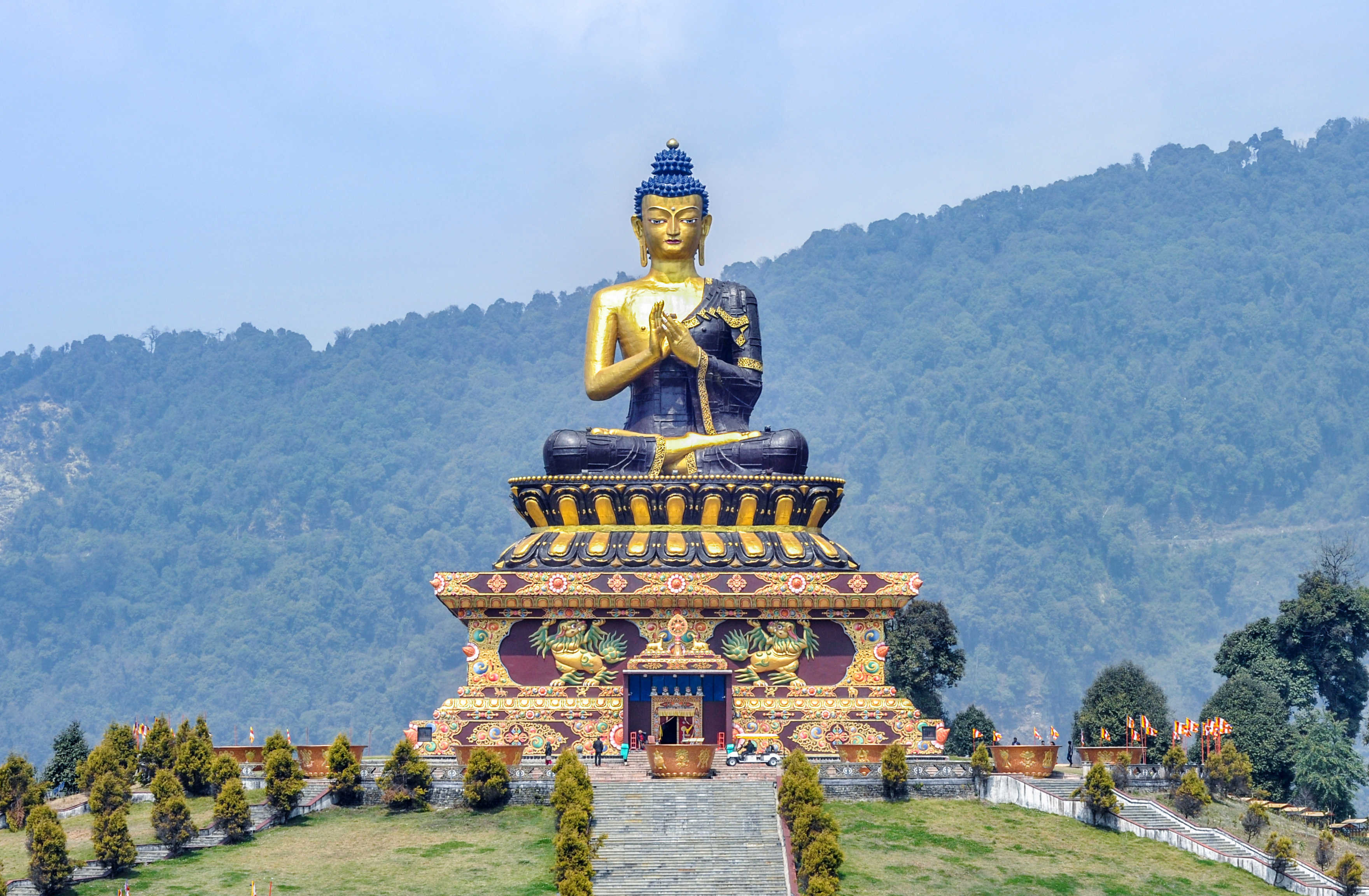
- Pelling Skywalk and Chenrezig Statue – 30 km (A popular attraction featuring India’s first glass skywalk and a towering statue of Chenrezig overlooking the mountains.)
- Dubdi Monastery – 24 km (The oldest monastery in Sikkim, located near Yuksom and known for its historical significance and tranquil forest setting.)
- Yuksom – 25 km (The historic first capital of Sikkim and the starting point for several treks into the Kanchenjunga National Park.)
- Khangchendzonga National Park – 25 km (A UNESCO World Heritage Site famous for its pristine forests, alpine meadows, glaciers, rare wildlife, and trekking opportunities.)
Travel Tips for Visitors
Visitors are requested to maintain silence and respect the spiritual atmosphere of the lake. Littering and plastic usage are discouraged to protect the fragile ecosystem. Photography is allowed in most areas, but it is advisable to avoid disturbing religious rituals or wildlife.
Carrying warm clothing is recommended, as temperatures can drop quickly in the hills, especially during evenings and winters. Comfortable walking shoes are also useful for exploring the forest trails around the lake.
Google Maps
FAQs
Why is Khecheopalri Lake called the Wish-Fulfilling Lake?
According to local beliefs, sincere wishes and prayers made at the lake are fulfilled, which is why it is popularly known as the Wish-Fulfilling Lake.
What is special about the lake’s surface?
Locals believe that birds keep the lake clean by removing fallen leaves immediately, which is why leaves are rarely seen floating on the water.
Is Khecheopalri Lake suitable for trekking?
Yes, the area around the lake offers short trekking trails through forests and nearby villages, making it a popular destination for trekkers and nature lovers.
Can tourists perform rituals at the lake?
Yes, visitors and pilgrims can offer prayers and participate respectfully in rituals, especially during festivals and religious ceremonies.
Which are the nearby attractions to visit along with the lake?
Popular nearby attractions include Pemayangtse Monastery, Rabdentse Ruins, Yuksom, and Pelling.