Image Source: Masum Ibn Musa
About Namchi
Nestled in the rolling hills of South Sikkim, Namchi is one of the most picturesque and culturally vibrant towns in the state. Serving as the district headquarters of South Sikkim, Namchi has gradually evolved into a popular tourist destination known for its spiritual landmarks, panoramic Himalayan views, peaceful atmosphere, and rich cultural heritage. The name “Namchi” comes from the Bhutia language and translates to “Sky High,” a fitting description for this charming hill town perched at an elevation of around 1,675 meters above sea level.
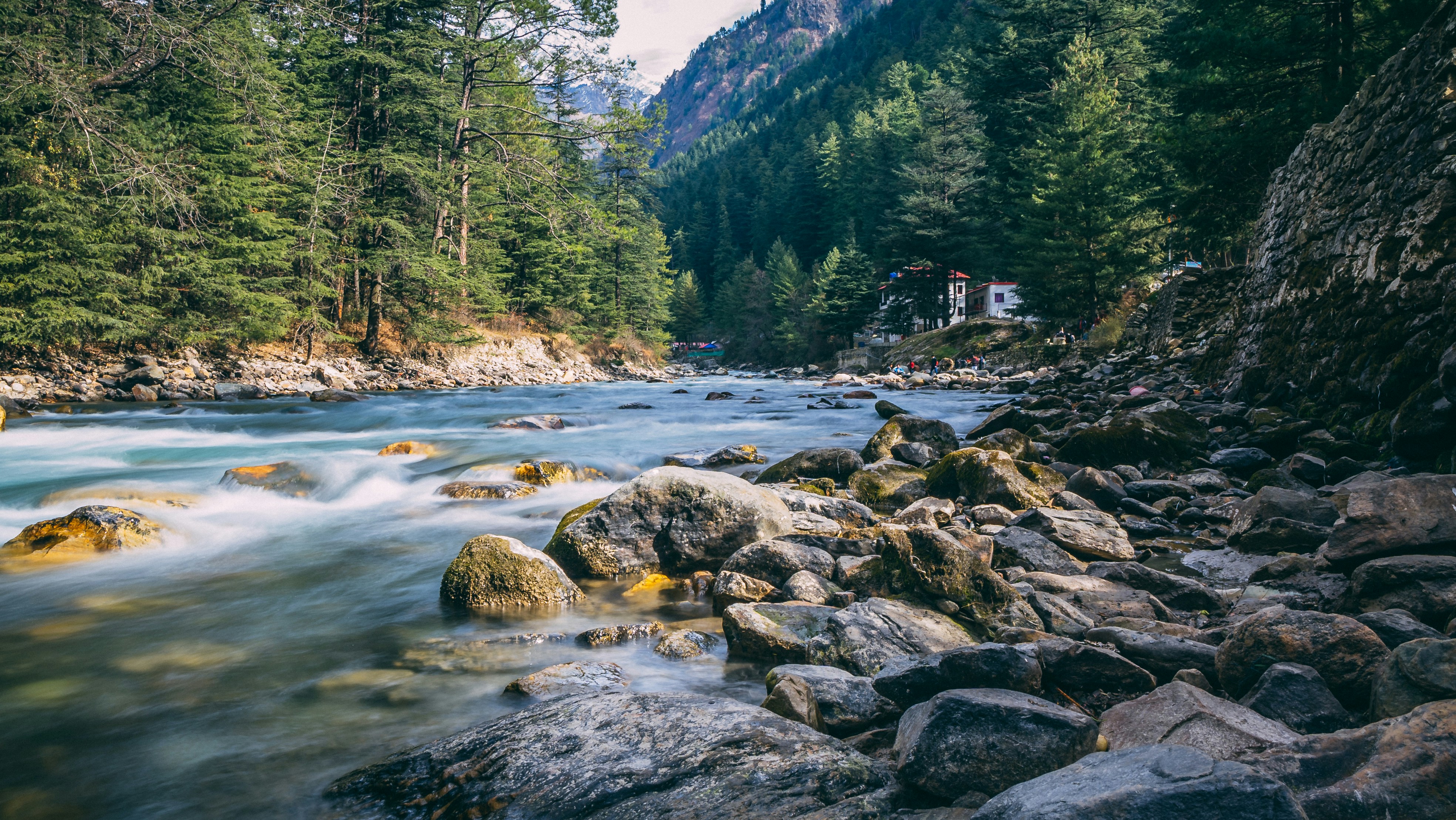
Surrounded by green hills, tea gardens, forests, and snow-covered peaks in the distance, Namchi offers travelers a unique blend of spirituality, natural beauty, and modern tourism infrastructure. Unlike the busier hill stations of Northeast India, Namchi retains a calm and refreshing ambiance, making it ideal for travelers seeking relaxation as well as cultural exploration.
Major Attractions in Namchi
One of the most iconic attractions in Namchi is Samdruptse Hill, home to the towering 135-foot statue of Guru Padmasambhava, also known as Guru Rinpoche. Revered as the patron saint of Sikkim and a key figure in Tibetan Buddhism, Guru Rinpoche’s majestic statue dominates the skyline and can be seen from miles away. The hilltop offers spectacular views of the surrounding valleys and mountains, making it both a spiritual and scenic destination.
Another major landmark is Char Dham at Solophok Hill, also popularly known as Siddheswar Dham. This grand pilgrimage complex beautifully recreates replicas of India’s four sacred Dhams—Badrinath, Dwarka, Jagannath, and Rameshwaram. At the center stands an enormous statue of Lord Shiva, which rises dramatically against the Himalayan backdrop. The complex attracts pilgrims and tourists alike due to its peaceful environment, intricate architecture, and spiritual significance.
Nature lovers are especially drawn to Temi Tea Garden, the only tea estate in Sikkim. Spread across lush green slopes, the tea garden is famous for producing high-quality organic tea. Visitors can walk through the scenic plantations, enjoy fresh mountain air, and experience the tranquil beauty of the region. During spring and summer, the landscape becomes even more enchanting with blooming flowers and vibrant greenery.
Apart from these famous attractions, Namchi also features monasteries, parks, viewpoints, and botanical gardens that add to the town’s charm. Nearby monasteries such as Ralang Monastery showcase the deep-rooted Buddhist traditions of Sikkim through colorful murals, prayer wheels, and traditional architecture.
Cultural and Spiritual Importance
Namchi is often described as a meeting point of Buddhist and Hindu traditions. This cultural harmony is reflected in its temples, monasteries, festivals, and local lifestyle. Pilgrims visit the town throughout the year to seek blessings at Char Dham and Samdruptse, while Buddhist devotees come to explore monasteries and meditation centers spread across the region.
The town also hosts cultural celebrations such as the Namchi Mahotsav, a lively festival that showcases Sikkimese music, dance, handicrafts, local cuisine, and traditions. During the festival, visitors can witness folk performances, taste regional dishes, and interact with local communities, making it a wonderful cultural experience.
The multicultural environment of Namchi is shaped by communities such as the Lepchas, Bhutias, and Nepalis, each contributing to the town’s rich traditions, languages, cuisine, and festivals. This blend of cultures gives Namchi a warm and welcoming atmosphere.
Scenic Beauty and Himalayan Views
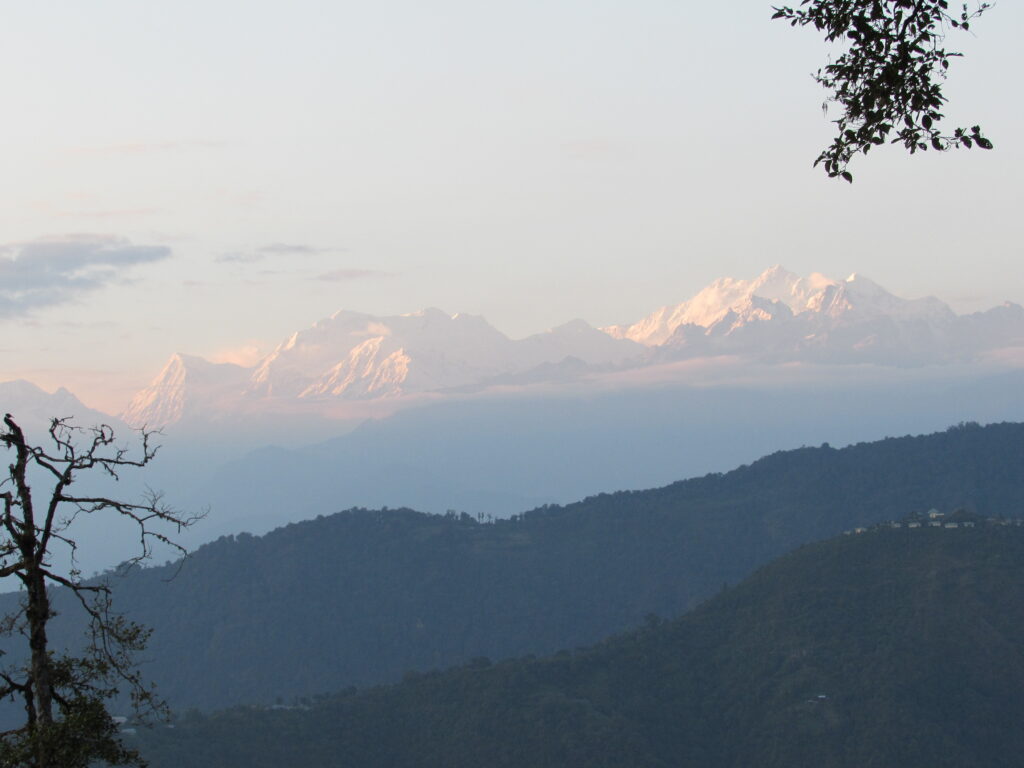
Namchi’s elevated location offers breathtaking views of the Eastern Himalayas, especially the majestic Kangchenjunga range. On clear mornings, travelers can witness snow-covered peaks glowing in golden sunlight, creating unforgettable landscapes. The town overlooks the beautiful Rangit Valley, where winding rivers, forests, and terraced farms create postcard-like scenery.
The surrounding countryside is dotted with small villages, cardamom plantations, pine forests, and prayer flags fluttering in the mountain breeze. Sunrise and sunset views from Samdruptse and nearby viewpoints are particularly mesmerizing. The cool climate and peaceful surroundings make Namchi a perfect retreat for photographers, nature enthusiasts, and couples seeking a quiet mountain escape.
Local Food and Shopping
A visit to Namchi is incomplete without trying authentic Sikkimese cuisine. Local eateries serve delicious dishes such as momos, thukpa, phagshapa, gundruk soup, and traditional noodle preparations. Tea lovers can also sample fresh organic tea from Temi Tea Garden.
The town’s local markets are ideal for purchasing handicrafts, woolen products, prayer flags, handmade carpets, and locally grown spices like large cardamom. Travelers often buy organic tea and traditional souvenirs to take home.
Travel Experience in Namchi
Namchi appeals to a wide range of travelers. Pilgrims come for spiritual experiences, adventure seekers explore nearby trekking routes, and nature lovers enjoy peaceful walks through forests and tea gardens. The roads around Samdruptse and Solophok hills are excellent for leisurely drives and photography.
Despite being a growing tourist destination, Namchi has managed to maintain its peaceful character. The town offers comfortable accommodations ranging from budget guesthouses to boutique hotels with mountain views. Cafes and restaurants serving local as well as Indian cuisine are easily available, making the stay convenient for visitors.
Namchi also serves as a great base for exploring nearby destinations in South Sikkim, including Ravangla, Tendong Hill, and Maenam Wildlife Sanctuary.
Best Time to Visit Namchi
The best time to visit Namchi is between March and June, when the weather remains pleasant and flowers bloom across the hillsides. Autumn months from September to November are equally beautiful, offering crystal-clear mountain views after the monsoon season.
Winter brings chilly weather and occasional frost, but the skies are usually clear, making it an excellent time for photography and Himalayan views. The monsoon season, from July to August, transforms the region into a lush green paradise, though landslides and heavy rainfall can sometimes affect travel.
How to Reach Namchi
Namchi is well connected by road to major towns in Sikkim and nearby regions of West Bengal. The town is located about 78 kilometers from Gangtok and around 90 kilometers from Siliguri.
The nearest railway station is New Jalpaiguri Railway Station, commonly known as NJP, while the nearest airport is Bagdogra Airport. Both are approximately 90–100 kilometers away from Namchi. From these transit points, travelers can hire taxis or use shared jeeps and buses that regularly operate to Namchi.
Road journeys to Namchi are incredibly scenic, passing through winding mountain roads, forests, rivers, and charming Himalayan villages.
Nearby Attractions to Namchi
- Samdruptse Hill – 7 km (Home to the towering statue of Guru Padmasambhava, this hilltop pilgrimage site offers panoramic views of the Himalayas and Namchi town.)
- Char Dham (Siddhesvara Dham) – 5 km (A renowned pilgrimage complex featuring replicas of India’s four sacred Dhams and a 108-foot statue of Lord Shiva.)
- Sai Mandir – 4 km (A beautifully maintained temple dedicated to Shirdi Sai Baba, known for its peaceful atmosphere and scenic location.)
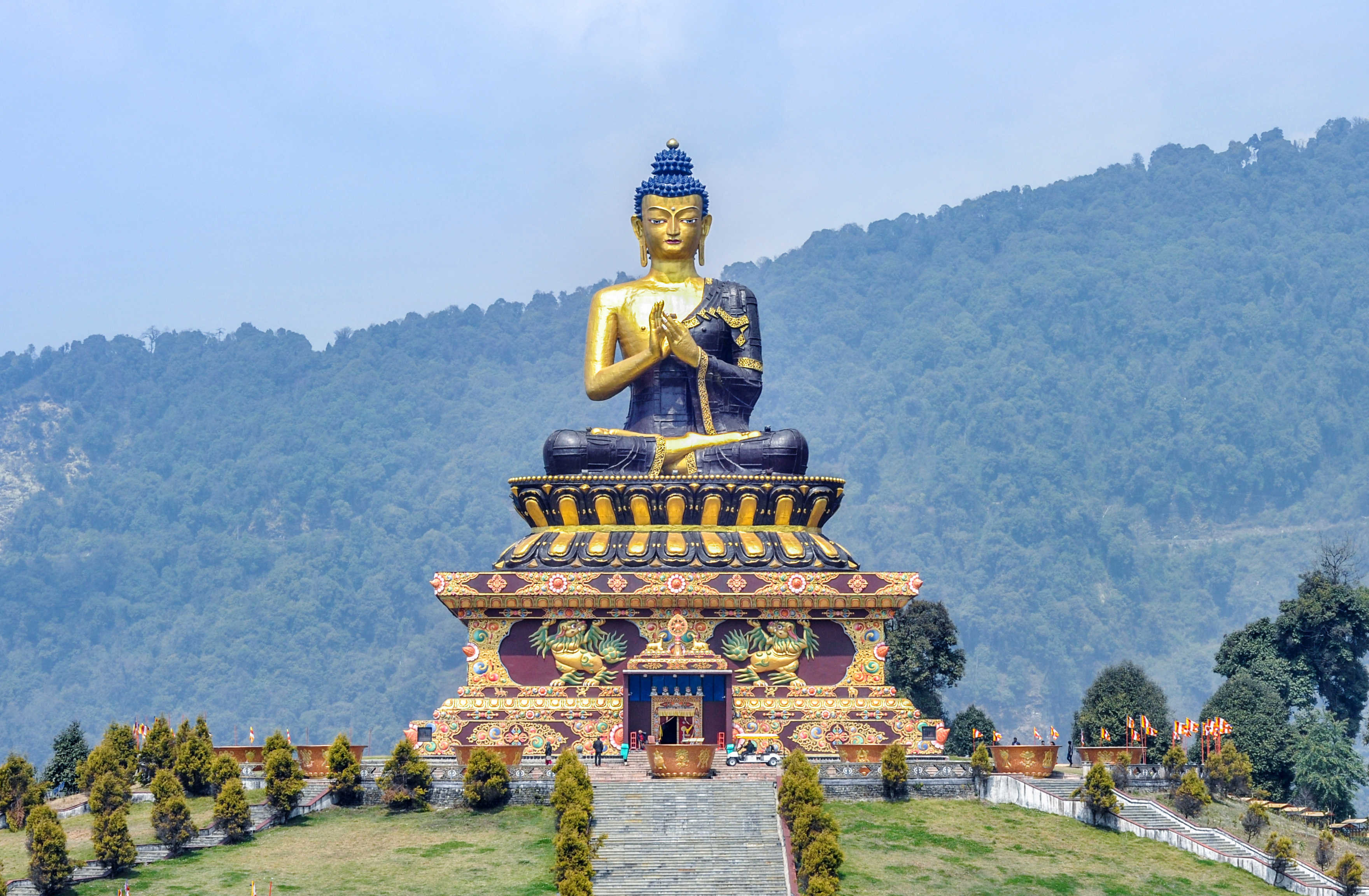
- Buddha Park, Ravangla – 26 km (A serene park featuring a magnificent 130-foot Buddha statue, landscaped gardens, and stunning views of the Kanchenjunga range.)
- Temi Tea Garden – 18 km (Sikkim’s only tea estate, famous for its lush organic tea plantations and picturesque mountain landscapes.)
- Ralang Monasteries (Old & New) – 15 km (Historic Buddhist monasteries celebrated for their traditional Tibetan architecture, vibrant murals, and annual religious festivals.)
- Borong Hot Springs – 18 km (Natural hot springs located beside the Rangit River, popular for their therapeutic waters and tranquil surroundings.)
- Maenam Wildlife Sanctuary – 28 km (A protected sanctuary offering trekking trails, rich biodiversity, and panoramic views of Mount Kanchenjunga.)
- Tendong Hill – 15 km (A sacred hill known for its trekking routes, dense forests, and spectacular sunrise and sunset views.)
- Kewzing Village – 12 km (A charming eco-tourism village where visitors can experience traditional Sikkimese culture, homestays, birdwatching, and rural life.)
Google Maps
FAQs
Why is Namchi famous?
Namchi is famous for its spiritual attractions such as Samdruptse Hill and Char Dham, as well as its stunning Himalayan views, tea gardens, and peaceful atmosphere.
What does the name Namchi mean?
The word “Namchi” means “Sky High” in the Bhutia language, reflecting the town’s elevated location in the mountains.
Which is the best time to visit Namchi?
March to June and September to November are considered the best months to visit due to pleasant weather and clear mountain views.
Is Namchi suitable for family trips?
Yes, Namchi is an excellent destination for families because of its peaceful environment, scenic attractions, spiritual sites, and comfortable accommodations.
How far is Namchi from Gangtok?
Namchi is approximately 78 kilometers from Gangtok and can be reached by road in around 3 to 4 hours depending on weather and traffic conditions.
What are the main attractions near Namchi?
Popular nearby attractions include Ravangla, Tendong Hill, Maenam Wildlife Sanctuary, Temi Tea Garden, and Ralang Monastery.
Can tourists visit Temi Tea Garden?
Yes, tourists can freely visit Temi Tea Garden, walk through the plantations, enjoy scenic views, and purchase locally produced organic tea.
Is Namchi good for photography?
Absolutely. The Himalayan views, tea gardens, monasteries, colorful prayer flags, and sunrise landscapes make Namchi a paradise for photographers.