Image Source: walter callens
About Phensang Monastery
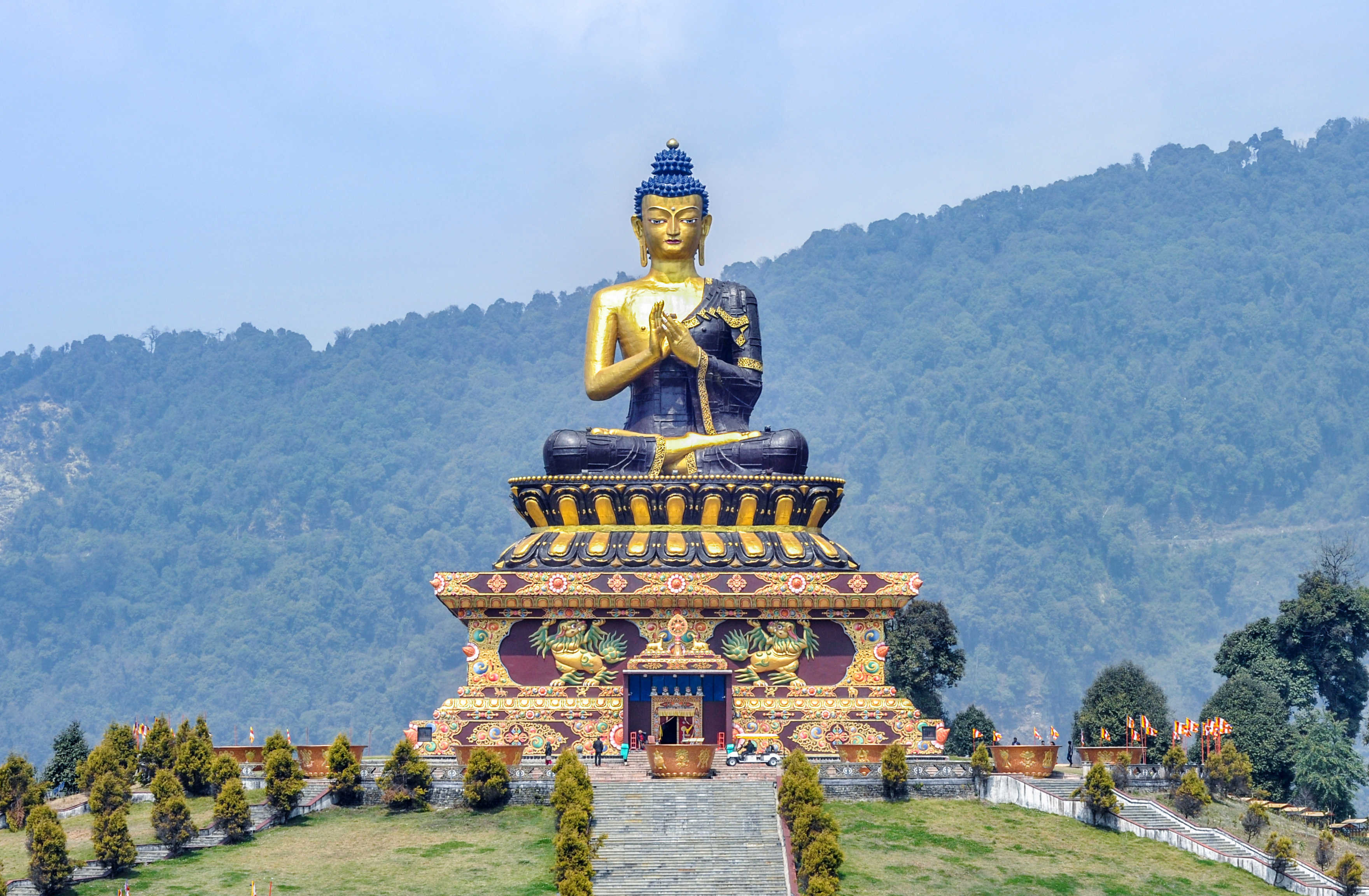
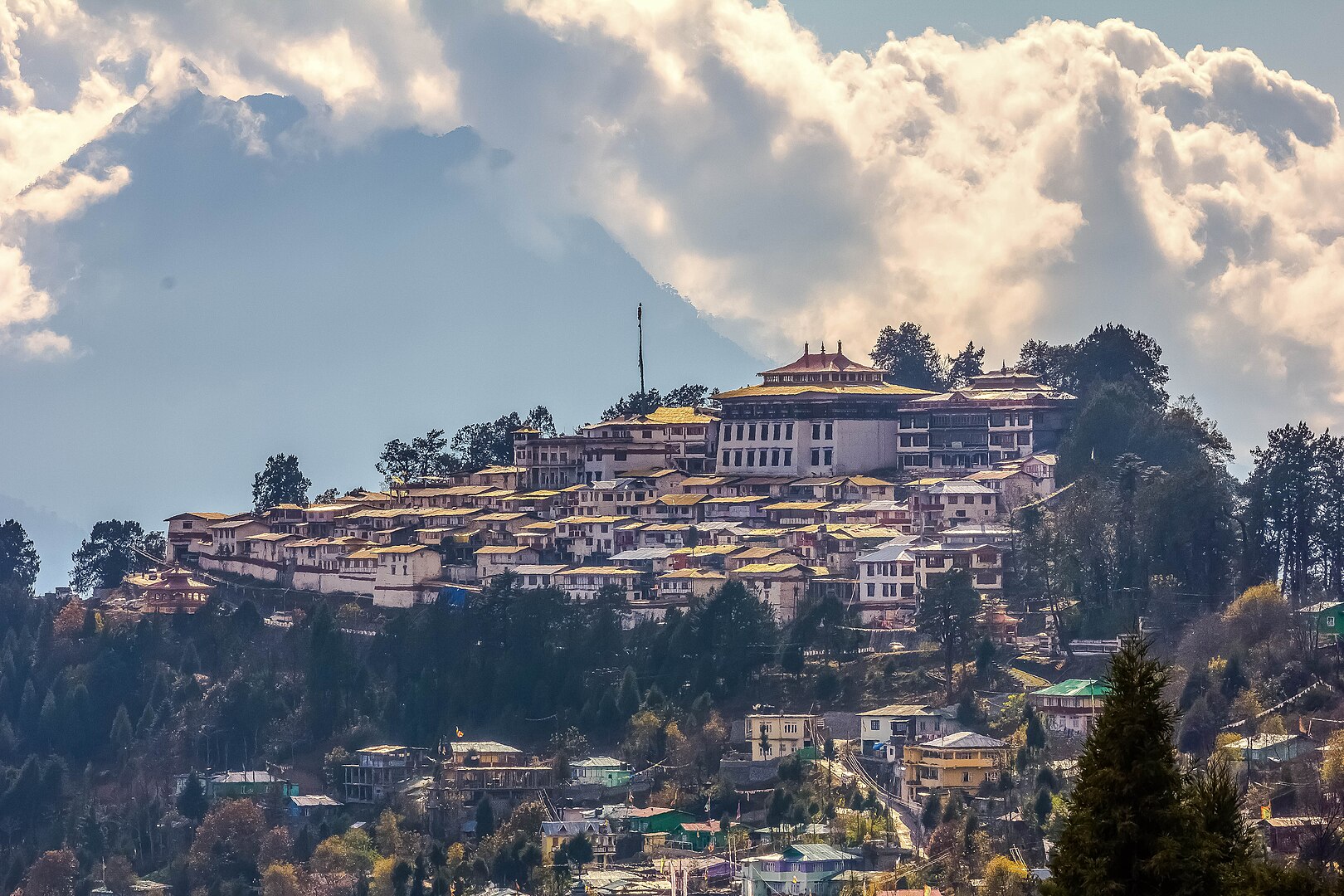
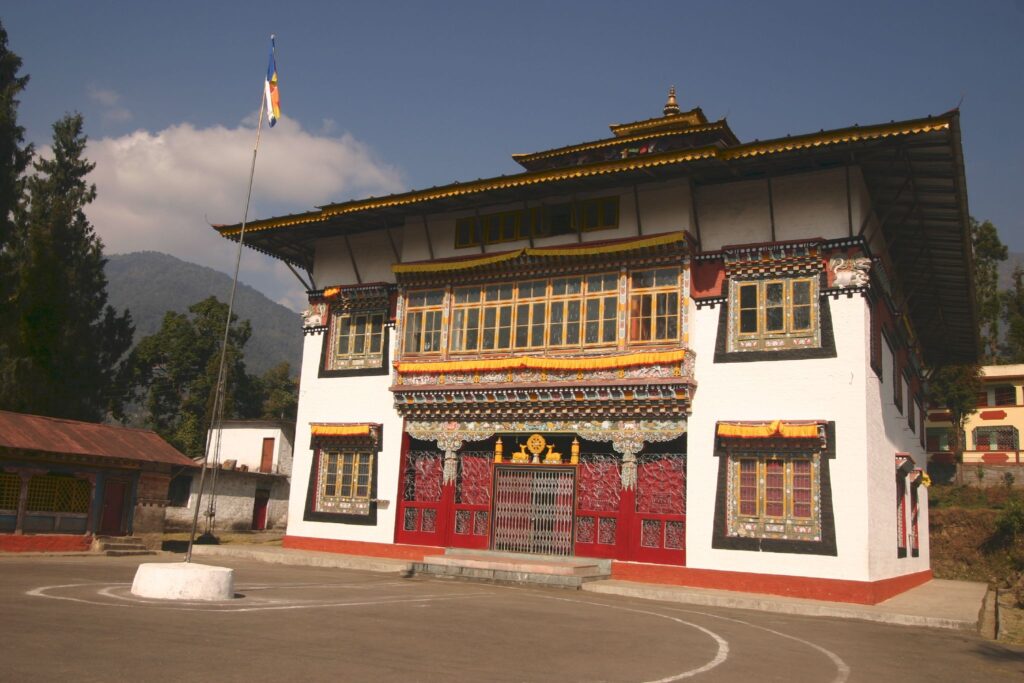
Phensang Monastery, located near Rangpo in North Sikkim, is a historic Buddhist monastery perched amidst serene hills and scenic landscapes. Known for its spiritual significance and rich heritage, it attracts pilgrims, tourists, and researchers interested in Sikkimese Buddhist traditions. The monastery provides a tranquil environment for meditation and cultural exploration.
Historical and Religious Significance
Founded in 1721, Phensang Monastery belongs to the Karma Kagyu sect of Tibetan Buddhism. It has played a vital role in promoting monastic education, preserving religious texts, and conducting daily rituals. The monastery is historically significant for its contributions to spreading Buddhist teachings in North Sikkim and maintaining spiritual traditions that continue to thrive today.
Cultural and Architectural Highlights
The monastery features traditional Tibetan-style architecture with colorful murals, wooden carvings, and a main prayer hall housing statues of Buddha and revered Lamas. Its elevated location provides panoramic views of the surrounding hills and valleys, enhancing the spiritual experience. The monastery complex also includes smaller shrines and meditation areas, reflecting the rich Buddhist culture of the region.
How to Reach
Phensang Monastery is located about 10 km from Rangpo town and approximately 120 km from Gangtok. It is accessible by road via taxis, shared jeeps, or private vehicles. The nearest airport is Pakyong Airport (around 120 km), while Bagdogra Airport (about 125 km) serves as the main gateway for long-distance travelers. The closest railway station is New Jalpaiguri, with road connections available to Rangpo and the monastery.
Nearby Attractions to Phensang Monastery
- Phodong Monastery – 5 km (One of North Sikkim’s oldest monasteries, known for its beautiful murals, ancient relics, and annual Cham dance festival.)
- Labrang Monastery – 5 km (Located opposite Phodong Monastery, this peaceful monastery belongs to the Nyingma school of Tibetan Buddhism.)
- Seven Sisters Waterfall – 18 km (A spectacular multi-tiered waterfall cascading down lush hillsides, especially impressive during the monsoon season.)
- Kabi Lungchok – 20 km (A historic site commemorating the blood brotherhood treaty between the Lepcha chief Thekong Tek and the Bhutia chief Khye Bumsa.)
- Tashi View Point – 24 km (A popular viewpoint offering breathtaking views of Mount Kanchenjunga and the surrounding Himalayan ranges.)
- Ganesh Tok – 26 km (A hilltop temple known for its panoramic views of Gangtok and its peaceful atmosphere.)
- Enchey Monastery – 27 km (A historic Buddhist monastery famous for its traditional architecture and annual mask dance festival.)
- MG Marg, Gangtok – 28 km (Gangtok’s lively pedestrian boulevard featuring cafés, restaurants, souvenir shops, and cultural attractions.)
- Rumtek Monastery – 38 km (One of Sikkim’s most important Buddhist monasteries, celebrated for its magnificent architecture and spiritual significance.)
- Ban Jhakri Falls Park – 30 km (A scenic park with a beautiful waterfall, landscaped gardens, walking paths, and traditional cultural sculptures.)
Google Maps
FAQs
1. Where is Phensang Monastery located?
Phensang Monastery is located in North Sikkim, about 28 km from Gangtok, along the Gangtok–Mangan Road.
2. What is Phensang Monastery famous for?
The monastery is known for its peaceful surroundings, colorful Tibetan architecture, ancient Buddhist traditions, and annual religious festivals, particularly the Cham (masked dance) festival.
3. When was Phensang Monastery built?
It was established in 1721 by Lhatsun Jigmed Pawo, one of the revered Buddhist masters who played a significant role in spreading Buddhism in Sikkim.
4. Is there an entry fee?
No. Visitors can enter the monastery free of charge, though voluntary donations are appreciated.
5. What are the opening hours?
The monastery is generally open daily from 8:00 AM to 5:00 PM, although timings may vary during festivals and religious ceremonies.
6. What is the best time to visit?
The best time to visit is March to June and October to December, when the weather is pleasant and the Himalayan views are at their clearest.
7. How much time should I spend at the monastery?
Most visitors spend 1–2 hours exploring the monastery, prayer halls, and surrounding viewpoints.
8. Is photography allowed?
Photography is usually permitted in the monastery’s outdoor areas. Visitors should ask for permission before taking photographs inside prayer halls.
9. Can families and children visit the monastery?
Yes. The monastery’s calm environment and scenic setting make it suitable for families, spiritual seekers, and cultural travelers.
10. Can Phensang Monastery be combined with other attractions in one day?
Yes. Visitors often combine it with Phodong Monastery, Labrang Monastery, Kabi Lungchok, and Seven Sisters Waterfall as part of a day trip from Gangtok or while traveling toward North Sikkim.