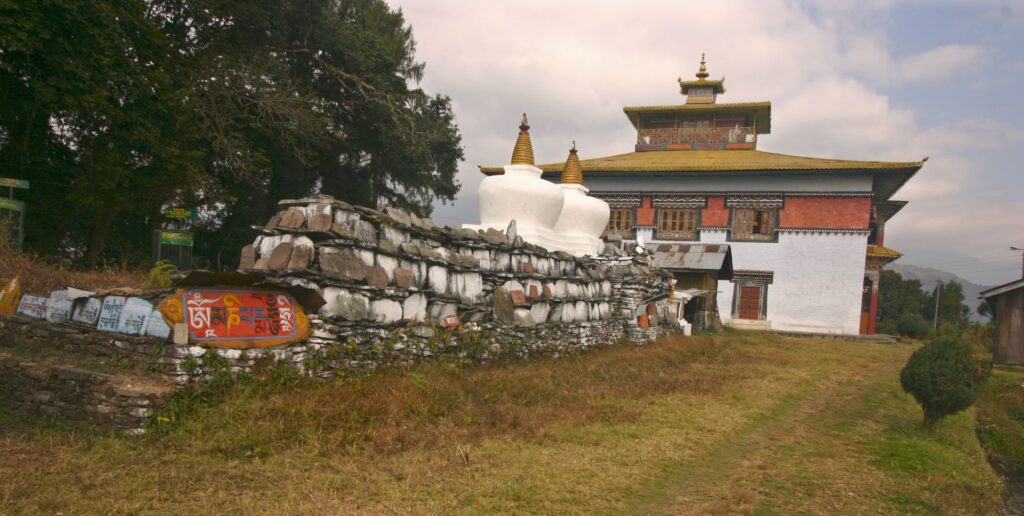
Image Source: walter callens
About Tashiding Monastery
Tashiding Monastery, located in the West Sikkim district, is one of the most revered and historic monasteries in Sikkim. Perched on a hilltop overlooking the Teesta River valley, it is known as the “Spiritual Heart of Sikkim” and plays a central role in the religious life of the state.
The monastery is celebrated for its tranquil surroundings, ancient rituals, and panoramic Himalayan views, attracting both pilgrims and tourists seeking spiritual serenity.
Historical and Religious Significance
Founded in the 17th century by Ngadak Sempa Chempo Phunshok Rigzing, Tashiding Monastery is part of the Nyingma tradition of Tibetan Buddhism. It is believed that the monastery is protected by the Khangchendzonga deity, the guardian deity of Sikkim.
Tashiding is also a focal point for the famous Bumchu Festival, a sacred event held annually where a holy water-filled vase predicts the fortune of the coming year, drawing devotees from across the region.
Cultural and Architectural Highlights
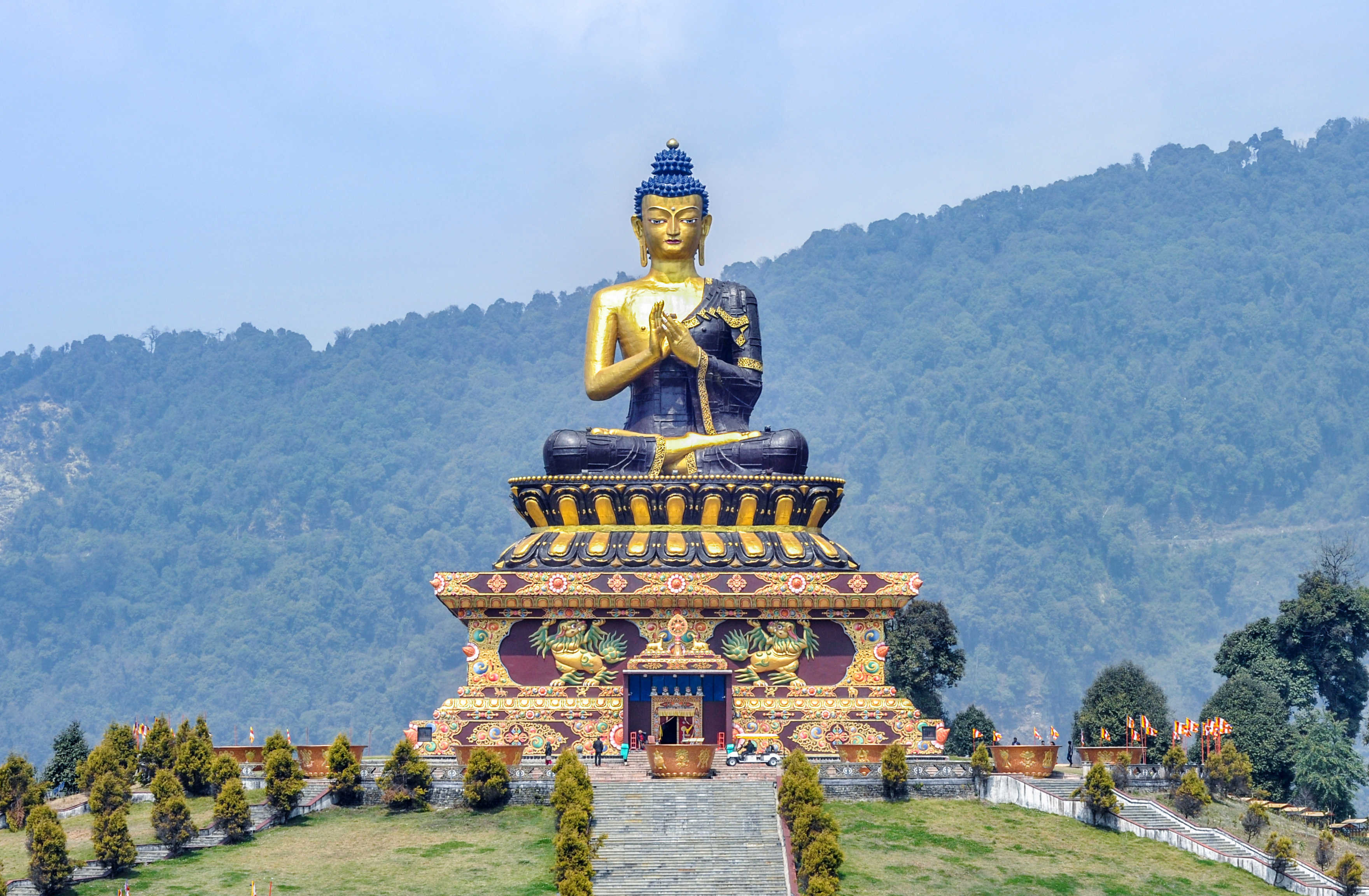
The monastery is adorned with traditional Tibetan-style architecture, featuring brightly painted walls, intricate murals, and golden statues of Buddha and other deities. The prayer hall and stupas within the complex display exceptional craftsmanship, reflecting centuries of Sikkimese monastic artistry.
The surrounding hills and terraced fields add to the monastery’s serene ambiance, making it an ideal place for meditation and spiritual reflection.
Travel and Visitor Experience
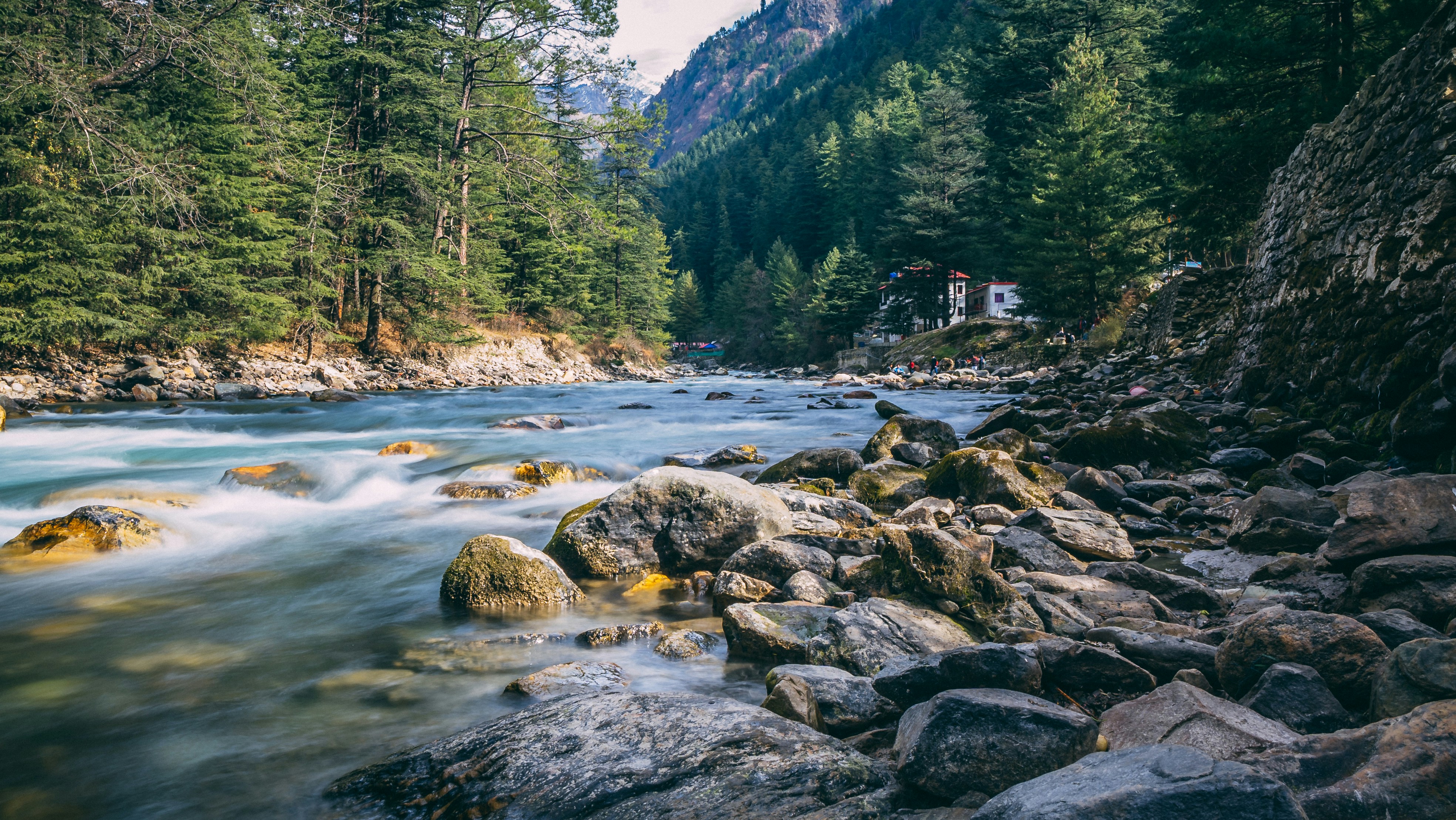
Visitors can witness daily prayers, participate in guided tours, and experience the peaceful environment of the monastery. The hilltop location offers breathtaking views of the Teesta River and the surrounding Himalayan ranges.
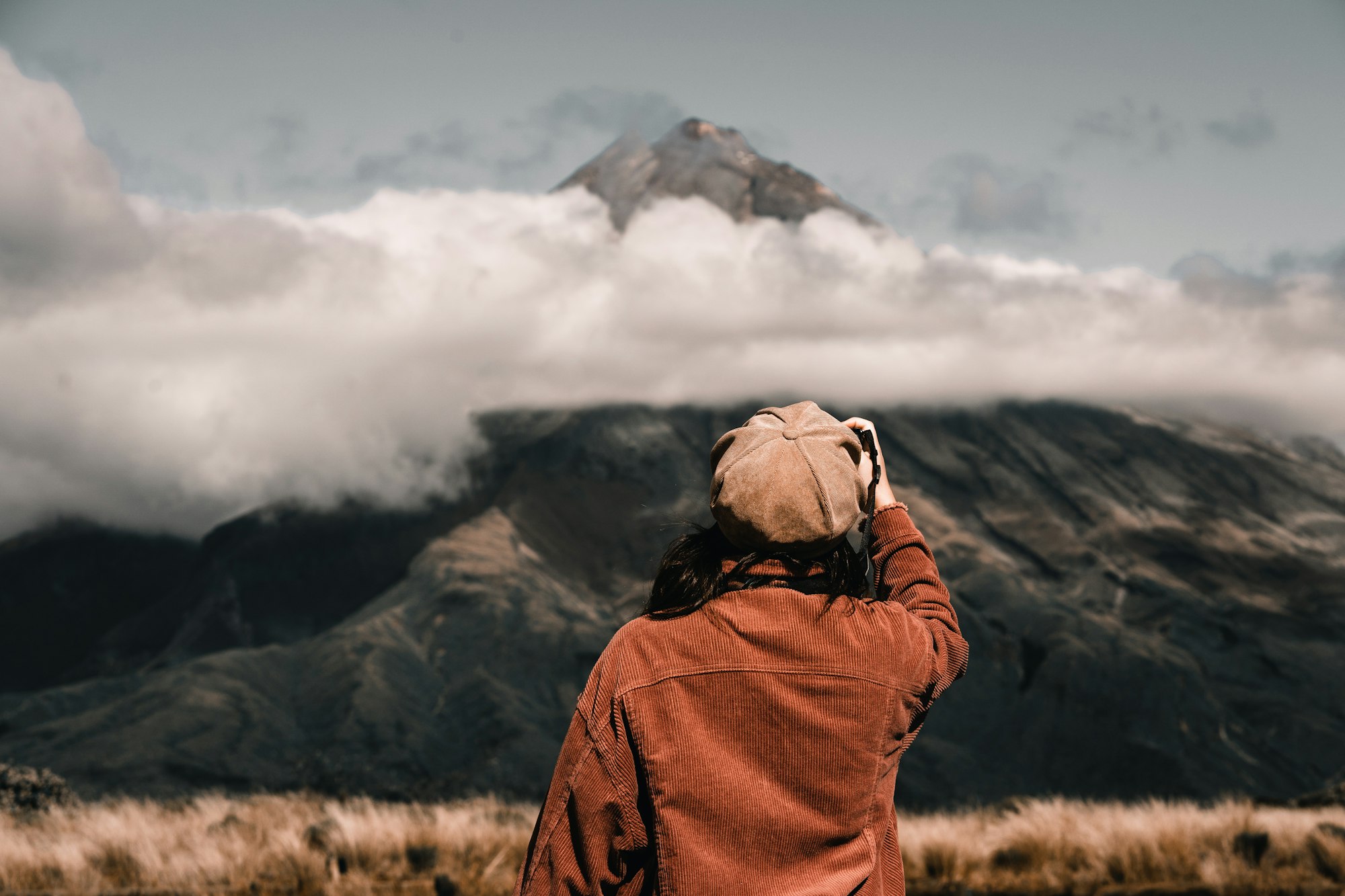
Photographers and nature enthusiasts can capture the scenic beauty, while spiritual seekers can immerse themselves in the age-old rituals and chants performed by resident monks.
How to Reach
Tashiding Monastery is approximately 33 km from Gyalshing and around 145 km from Gangtok. Visitors can reach the monastery by road via taxis or shared jeeps. The nearest airport is Pakyong Airport (about 115 km), while Bagdogra Airport in West Bengal (around 145 km) is the major international gateway.
The closest railway station is New Jalpaiguri, from where taxis or buses can connect travelers to Tashiding.
Nearby Attractions to Tashiding Monastery
- Khecheopalri Lake – 19 km (A sacred lake revered by both Buddhists and Hindus, surrounded by dense forests and believed to fulfill the wishes of devotees.)
- Yuksom – 20 km (The historic first capital of Sikkim and the gateway to Khangchendzonga National Park, known for its monasteries and trekking routes.)
- Dubdi Monastery – 22 km (The oldest monastery in Sikkim, nestled amidst forests near Yuksom and renowned for its historical and spiritual significance.)
- Khangchendzonga National Park – 22 km (A UNESCO World Heritage Site celebrated for its glaciers, alpine meadows, diverse wildlife, and world-class trekking trails.)
- Kanchenjunga Falls – 24 km (A spectacular perennial waterfall surrounded by lush greenery and one of West Sikkim’s most popular natural attractions.)
- Pemayangtse Monastery – 34 km (A historic monastery famous for its intricate wooden carvings, ancient Buddhist relics, and traditional architecture.)
- Rabdentse Ruins – 35 km (The archaeological remains of the former capital of the Kingdom of Sikkim, offering scenic walking trails and panoramic mountain views.)
- Sanga Choeling Monastery – 36 km (One of Sikkim’s oldest monasteries, perched on a hilltop overlooking Pelling and the Kanchenjunga range.)
- Rimbi Waterfalls – 27 km (A picturesque waterfall located along the Pelling–Yuksom road, popular for photography and short breaks.)
- Darap Village – 28 km (A traditional Limboo heritage village known for its cultural experiences, homestays, and peaceful rural atmosphere.)
Google Maps
FAQs
1. Where is Tashiding Monastery located?
Tashiding Monastery is located in West Sikkim, about 40 km from Pelling and 19 km from Yuksom, on a hill between the Rathong and Rangeet rivers.
2. Why is Tashiding Monastery famous?
It is one of the holiest Buddhist monasteries in Sikkim and is believed to have been blessed by Guru Padmasambhava. The monastery is especially renowned for the sacred Bhumchu Festival, during which a holy water vase is ceremonially opened to predict the year’s fortunes.
3. When was Tashiding Monastery built?
The monastery was founded in 1641 by Ngadak Sempa Chempo Phunshok Rigzing, one of the three revered lamas who consecrated the first Chogyal (king) of Sikkim.
4. Is there an entry fee?
No. Entry to Tashiding Monastery is generally free, although visitors may offer voluntary donations.
5. What are the opening hours?
The monastery is usually open daily from 8:00 AM to 5:00 PM, though timings may vary during religious ceremonies and festivals.
6. What is the best time to visit?
The best time to visit is March to May and October to December. Visitors interested in experiencing the Bhumchu Festival should plan their trip according to the Tibetan lunar calendar.
7. How much time is needed for a visit?
Most visitors spend 1 to 2 hours exploring the monastery, chortens, prayer flags, and surrounding viewpoints.
8. Is photography allowed?
Photography is generally permitted in the monastery’s outdoor areas. Visitors should ask for permission before taking photographs inside the prayer halls.
9. Is the monastery suitable for families and senior citizens?
Yes. However, reaching the monastery involves climbing a series of steps from the parking area, so comfortable footwear is recommended.
10. Can Tashiding Monastery be combined with other attractions in one day?
Yes. It is commonly visited along with Khecheopalri Lake, Yuksom, Dubdi Monastery, Kanchenjunga Falls, and Pemayangtse Monastery as part of a full-day West Sikkim sightseeing tour.