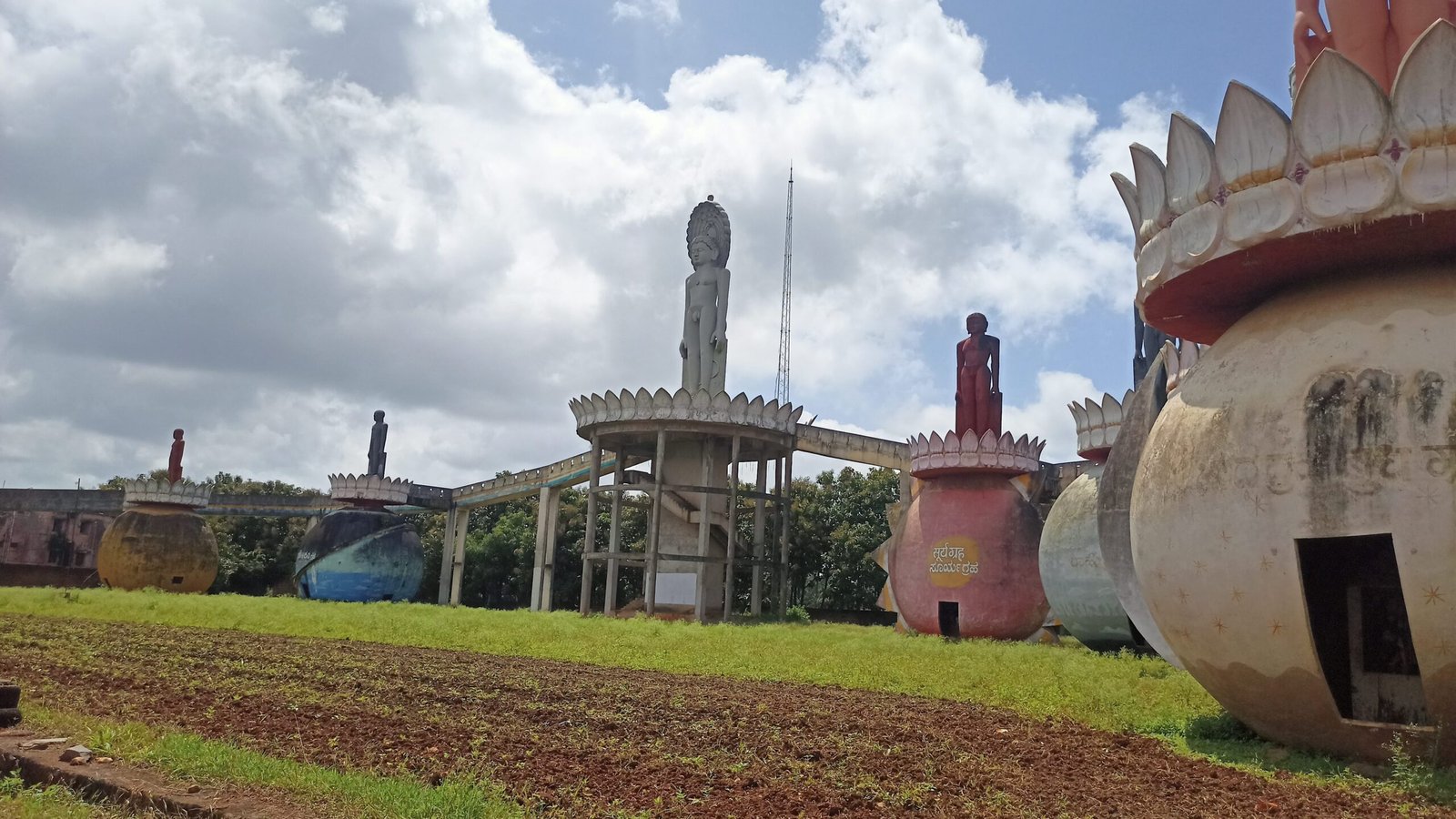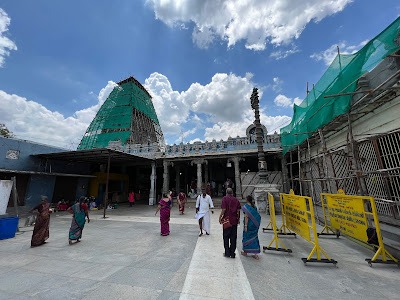
Image Source: Ananth Kannan
Overview
The Alangudi Guru Bhagavan Temple, popularly known as the Abathsahayeswarar Temple, is one of the most revered Hindu temples in Tamil Nadu. Located in the peaceful village of Alangudi in Tiruvarur district, this ancient temple is dedicated primarily to Lord Shiva as Abathsahayeswarar, meaning “The Protector in Times of Distress.” It is also famous as the Guru Sthalam among the Navagraha Temples of Tamil Nadu, where Guru Bhagavan (Brihaspati or Jupiter) is worshipped.
Devotees from across India visit this sacred temple to seek the blessings of Guru Bhagavan for wisdom, prosperity, success in education, marriage, career growth, and spiritual progress. It is believed that offering prayers here can reduce the negative effects of Jupiter in one’s horoscope and bring peace, happiness, and good fortune.
The temple has a serene atmosphere, making it not only an important pilgrimage destination but also a wonderful place to experience the rich spiritual heritage of Tamil Nadu.
Mythology
The temple is deeply rooted in Hindu mythology. According to legend, Guru Bhagavan was swallowed by the demon Alagasuran. While trapped inside the demon, Guru prayed sincerely to Lord Shiva for protection. Moved by his devotion, Lord Shiva rescued him and came to be worshipped here as Abathsahayeswarar, the divine saviour who protects devotees from danger and suffering.
Another popular legend states that Goddess Parvati performed intense penance at this sacred place to reunite with Lord Shiva and receive His divine blessings. Because of these legends, the temple is regarded as a powerful place for seeking protection, knowledge, and spiritual enlightenment.
Architecture
The temple is a fine example of traditional Dravidian architecture, showcasing the artistic excellence of the Chola period with later additions by the Nayak rulers. The impressive Rajagopuram (main entrance tower) is adorned with beautifully sculpted images of Hindu deities, celestial beings, and scenes from mythology.
Inside the temple, visitors will find spacious mandapams (pillared halls), intricately carved stone pillars, and several shrines dedicated to Lord Shiva, Goddess Elavarkuzhali Amman, Guru Bhagavan, Lord Ganesha, Lord Murugan, and other deities.
One of the temple’s sacred features is the Amrita Pushkarani, a holy tank where devotees traditionally take a ritual bath before entering the temple. The peaceful surroundings and ancient architecture create a spiritually uplifting experience for pilgrims and history enthusiasts alike.
Festivals and Celebrations
The most significant festival celebrated here is Guru Peyarchi, marking the transit of Jupiter from one zodiac sign to another. Thousands of devotees gather during this occasion to perform special pujas and seek the blessings of Guru Bhagavan for success, prosperity, and relief from planetary afflictions.
Maha Shivaratri is another grand celebration when devotees stay awake through the night, offering prayers, chanting hymns, and participating in special abhishekams dedicated to Lord Shiva.
Other important festivals celebrated at the temple include Pradosham, Navaratri, Aippasi Annabhishekam, Arudra Darshan, Thai Poosam, and the annual Brahmotsavam, all of which are observed with elaborate rituals and cultural festivities.
How to Reach
Alangudi Guru Bhagavan Temple is well connected by road and can be easily reached from several major towns in Tamil Nadu.
- By Air: The nearest airport is Tiruchirappalli International Airport, located about 110 km away. Taxis and buses are available from the airport to Alangudi.
- By Train: The closest railway stations are Kumbakonam (around 17 km) and Needamangalam (around 20 km). Both stations are well connected to Chennai, Tiruchirappalli, Thanjavur, Madurai, and other major cities.
- By Road: Regular government and private buses operate from Kumbakonam, Thanjavur, Tiruvarur, Mannargudi, and Nagapattinam. Taxis and auto-rickshaws are also easily available from nearby towns.
- The temple is approximately 17 km from Kumbakonam, making it a popular stop on the Navagraha Temple pilgrimage circuit.
Nearby Attractions
Visitors can combine their trip with several famous temples and heritage sites located nearby:
- Apatsahayeswarar Temple Tank (Amrita Pushkarani) – The sacred temple tank known for its religious significance.
- Thirunageswaram Rahu Temple – One of the renowned Navagraha temples dedicated to Rahu.
- Suriyanar Temple – The only temple in Tamil Nadu dedicated exclusively to the Sun God.
- Kanjanur Sukran Temple – Famous for worshipping Venus (Sukra Bhagavan).
- Swamimalai Murugan Temple – One of the six sacred abodes (Arupadai Veedu) of Lord Murugan.
- Airavatesvara Temple, Darasuram – A UNESCO World Heritage Site celebrated for its exquisite Chola architecture.
- Adi Kumbeswarar Temple, Kumbakonam – One of the oldest and most significant Shiva temples in South India.
- Oppiliappan Temple – A revered Vishnu temple known as the “South Tirupati.”
Maps
Alangudi is located around 17 km from Kumbakonam in Tamil Nadu and is easily accessible by road.
FAQs
1. Why is Alangudi Temple famous?
The temple is famous as the Guru Sthalam among the Navagraha temples and is believed to remove the negative effects of Jupiter (Guru) while bringing wisdom, prosperity, and success.
2. Who is the main deity of the temple?
The presiding deity is Lord Shiva, worshipped as Abathsahayeswarar, while Guru Bhagavan has a special shrine within the temple.
3. What is the best day to visit the temple?
Thursdays, dedicated to Guru Bhagavan, are considered the most auspicious. Guru Peyarchi festival also attracts a large number of devotees.
4. Is the temple part of the Navagraha Temple circuit?
Yes. Alangudi is the Guru Sthalam and is one of the nine famous Navagraha temples of Tamil Nadu.
5. What are the temple timings?
The temple is generally open from 6:00 AM to 12:30 PM and 4:00 PM to 8:30 PM. Timings may vary during festivals and special occasions.
6. Are special pujas performed for Guru Bhagavan?
Yes. Special Guru Parihara Pujas, archanais, abhishekams, and homams are regularly conducted, especially on Thursdays and during Guru Peyarchi.
7. Is photography allowed inside the temple?
Photography is generally permitted in the outer temple premises, but photography inside the sanctum and inner shrines is usually prohibited.
8. How much time is needed to visit the temple?
Most visitors spend about 1 to 2 hours exploring the temple and participating in rituals.
9. Is there a dress code?
Traditional and modest attire is recommended. Many devotees prefer wearing ethnic clothing while visiting the temple.
10. Can this temple be visited along with other Navagraha temples in one day?
Yes. Since several Navagraha temples are located within a short driving distance of Kumbakonam, many pilgrims cover multiple temples in a single day with proper planning.