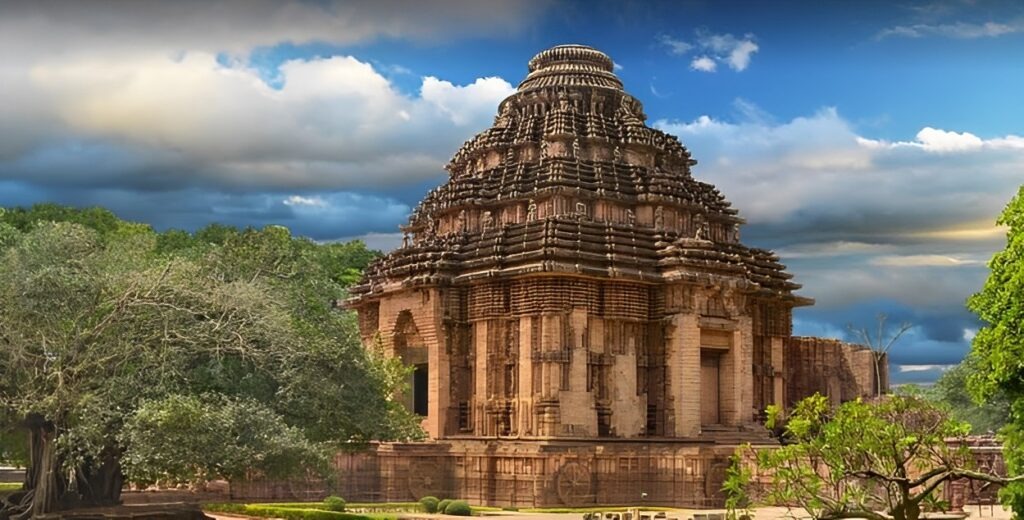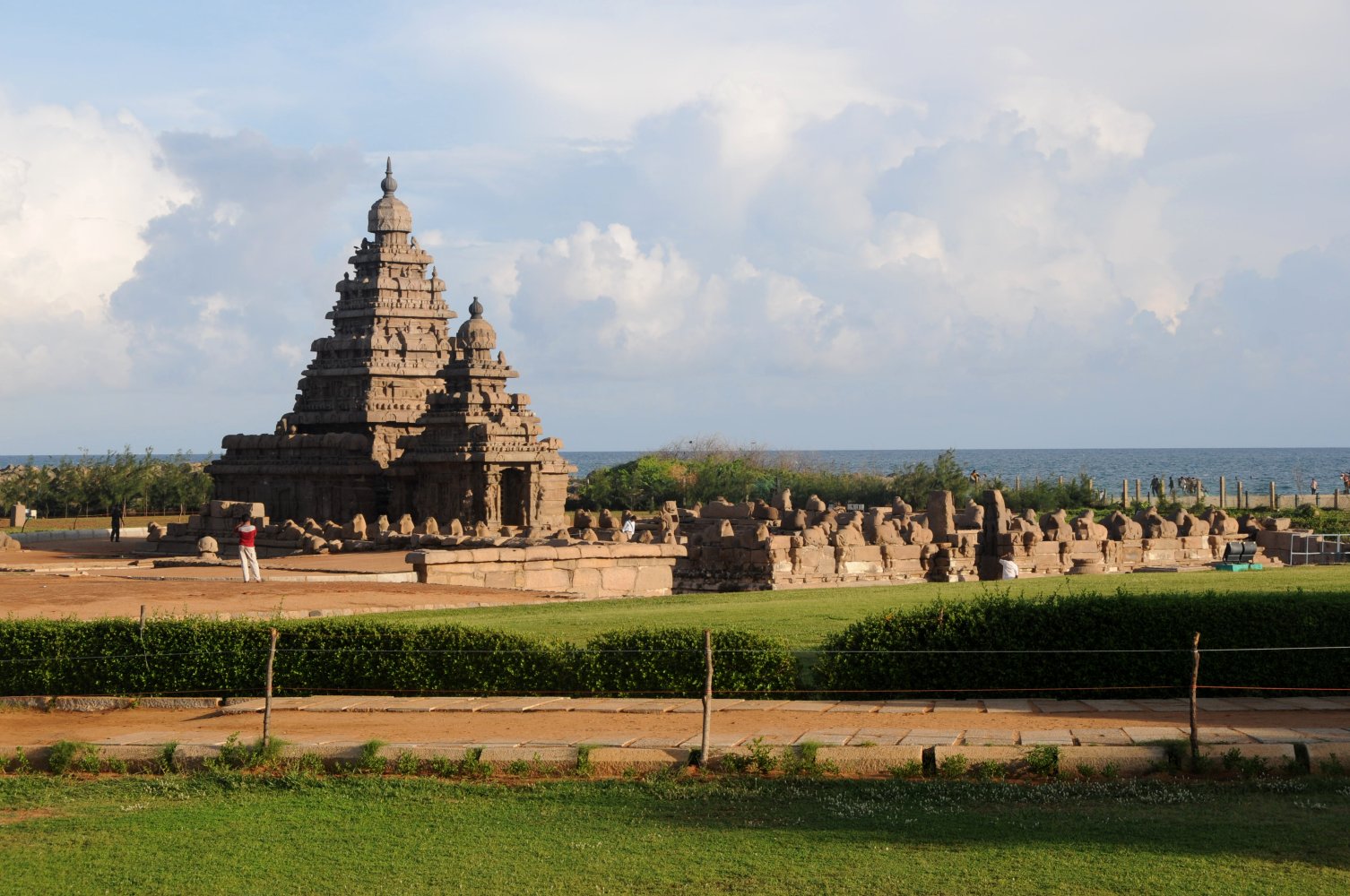
About Thirumalapuram Rock-Cut Cave Temples
Hidden amidst the rocky landscape of Tirunelveli district, the Thirumalapuram Rock-Cut Cave Temples are one of Tamil Nadu’s lesser-known yet historically significant heritage sites. Located in the peaceful village of Thirumalapuram, these ancient cave temples date back to the 7th–8th centuries CE and are believed to have been built during the transition between the Pallava and Early Chola periods. Their remarkable rock-cut architecture reflects the artistic excellence and spiritual traditions that flourished in South India over a thousand years ago.
The temples were carved directly into massive granite hills and served as sacred spaces for worship, meditation, and religious gatherings. Dedicated primarily to Lord Shiva, the caves also feature influences from Vaishnavism, with sculptures and carvings depicting Lord Vishnu and other Hindu deities. Their serene surroundings and historic ambience make them an interesting destination for history enthusiasts, archaeology lovers, and travelers looking to explore Tamil Nadu beyond its popular tourist spots.
Architecture
The Thirumalapuram Rock-Cut Cave Temples showcase the simplicity and elegance of early South Indian rock-cut architecture. The caves feature beautifully carved pillars, mandapas, and sanctums that were meticulously sculpted from a single granite hill. The central sanctum was originally designed to house a Shiva Lingam, while the surrounding walls are adorned with finely carved reliefs illustrating scenes from Hindu mythology.
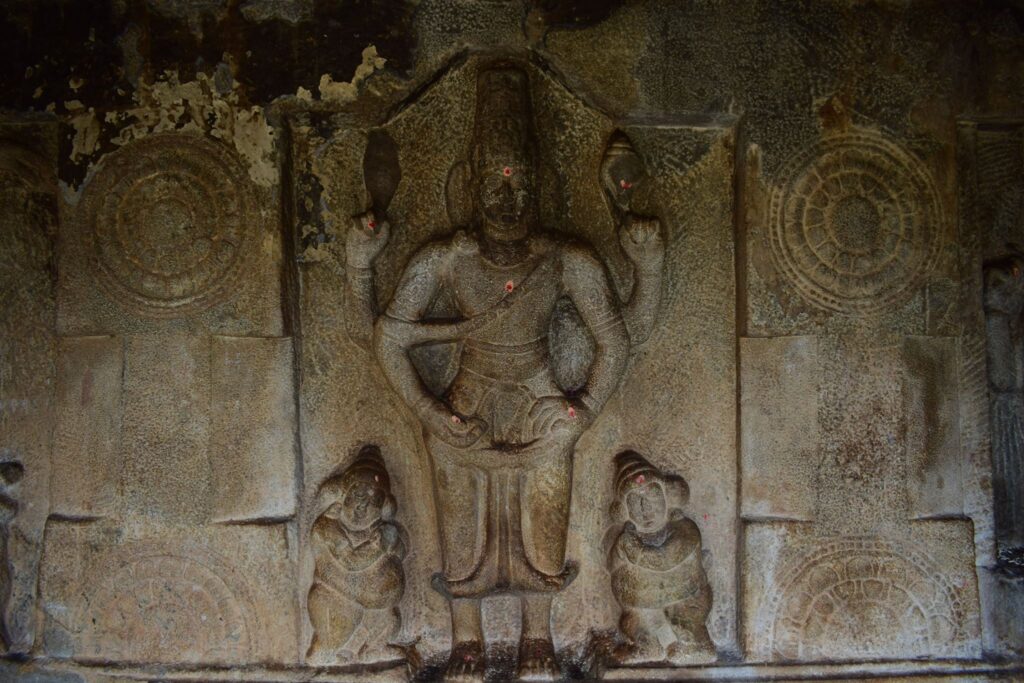
One of the notable attractions here is the collection of ancient carvings depicting Lord Shiva, Lord Vishnu, and other divine figures. Though some sculptures have weathered over the centuries, they still display the remarkable craftsmanship of the artisans who created them. The caves also preserve traces of early mural paintings, making them an important site for studying the evolution of South Indian temple art.
Historical Importance
The temples offer valuable insight into the development of rock-cut architecture in Tamil Nadu before the rise of grand structural temples built by the Cholas. They represent an important phase in South India’s religious and artistic history, where temple construction evolved from excavated caves to elaborate stone-built temples. Their peaceful location and historical significance continue to attract archaeologists, historians, and devotees alike.
Preservation
Like many ancient monuments, the Thirumalapuram Rock-Cut Cave Temples face natural challenges such as erosion, weathering, and the effects of time. Preservation efforts by the Archaeological Survey of India (ASI) and the Tamil Nadu State Archaeology Department aim to protect the sculptures, cave interiors, and remaining artwork. Visitors are encouraged to respect the site by avoiding littering, graffiti, or touching the carvings, helping preserve this heritage for future generations.
How to Reach
The Thirumalapuram Rock-Cut Cave Temples are located in Thirumalapuram village in Tirunelveli district, around 35 km from Tirunelveli city. The site is well connected by road, and visitors can reach it by private vehicles, taxis, or local buses operating from Tirunelveli and nearby towns. Tirunelveli Junction Railway Station is the nearest major railhead, offering regular train services from Chennai, Madurai, Nagercoil, and other cities. The closest airport is Tuticorin Airport, approximately 75 km away, while Madurai Airport, about 170 km away, provides better domestic connectivity. The final stretch to the caves passes through a scenic rural landscape, making the journey enjoyable.
Nearby Attractions
Kalugumalai Jain Monuments (Approx. 30 km): Famous for its impressive rock-cut Jain sculptures, ancient inscriptions, and the magnificent Vettuvan Koil, this heritage site is a must-visit for history lovers.
Sankaranarayanar Temple, Sankarankovil (Approx. 35 km): A revered temple dedicated to Lord Shiva and Lord Vishnu in a unique combined form, attracting thousands of devotees throughout the year.
Nellaiappar Temple, Tirunelveli (Approx. 35 km): One of Tamil Nadu’s largest and oldest Shiva temples, renowned for its towering gopurams, musical pillars, and exquisite Dravidian architecture.
Krishnapuram Venkatachalapathy Temple (Approx. 50 km): Celebrated for its intricate stone carvings and beautifully sculpted pillars, this temple is considered an architectural masterpiece of the Nayak period.
Courtallam Falls (Approx. 90 km): Popularly known as the “Spa of South India,” Courtallam offers refreshing waterfalls surrounded by lush greenery and is a favourite destination during the monsoon season.
Maps
FAQs
1. Where are the Thirumalapuram Rock-Cut Cave Temples located?
The temples are situated in Thirumalapuram village in Tirunelveli district of Tamil Nadu, around 35 km from Tirunelveli city.
2. Who built the Thirumalapuram Rock-Cut Cave Temples?
The caves are believed to have been carved during the 7th–8th centuries CE under the influence of the Pallava dynasty and the Early Chola rulers.
3. Which deity is worshipped at the temples?
The cave temples are primarily dedicated to Lord Shiva, although carvings depicting Lord Vishnu and other Hindu deities can also be found.
4. What is special about these cave temples?
The temples are known for their ancient rock-cut architecture, detailed stone carvings, traces of early mural paintings, and historical significance in the evolution of South Indian temple architecture.
5. What is the best time to visit?
The ideal time to visit is between October and March, when the weather is pleasant for sightseeing and exploring the surrounding region.
6. Is there an entry fee?
The site is generally open to visitors without a significant entry fee, though it is advisable to check with local tourism authorities or the ASI before planning your visit.
7. How much time is needed to explore the site?
Most visitors spend about 1 to 2 hours exploring the caves, appreciating the carvings, and enjoying the peaceful surroundings.