Image Source: gomati.nic.in
About Udaipur, Tripura
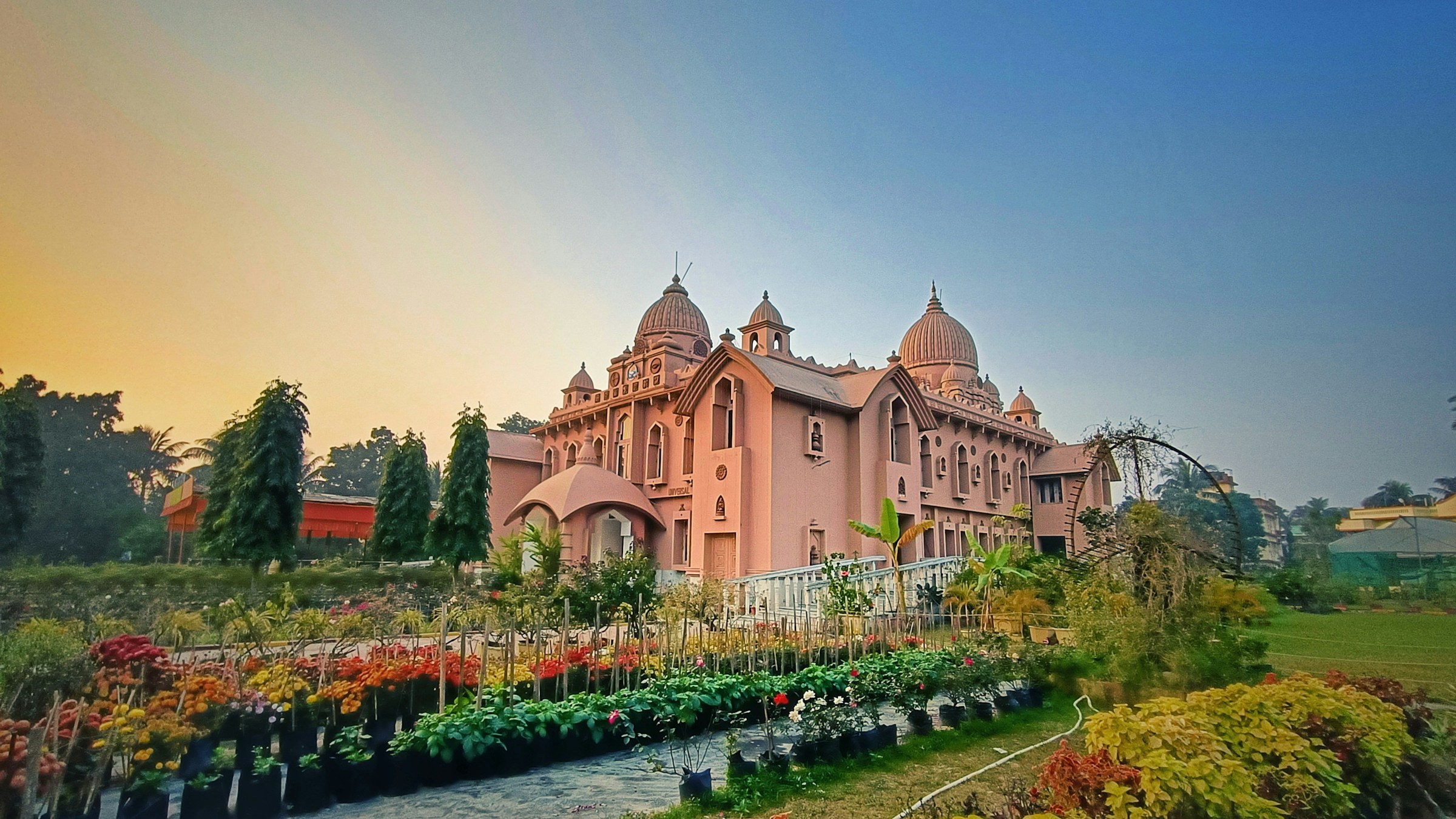
Nestled in the heart of Udaipur, this historic town is one of the most culturally significant destinations in the northeastern state of Tripura. Popularly known as the “City of Lakes,” Udaipur is admired for its peaceful water bodies, centuries-old temples, royal heritage, and spiritual atmosphere. Located in the Gomati district, the town beautifully combines history, religion, and natural beauty, making it a favorite destination for pilgrims, history lovers, and travelers seeking a quieter side of Northeast India.
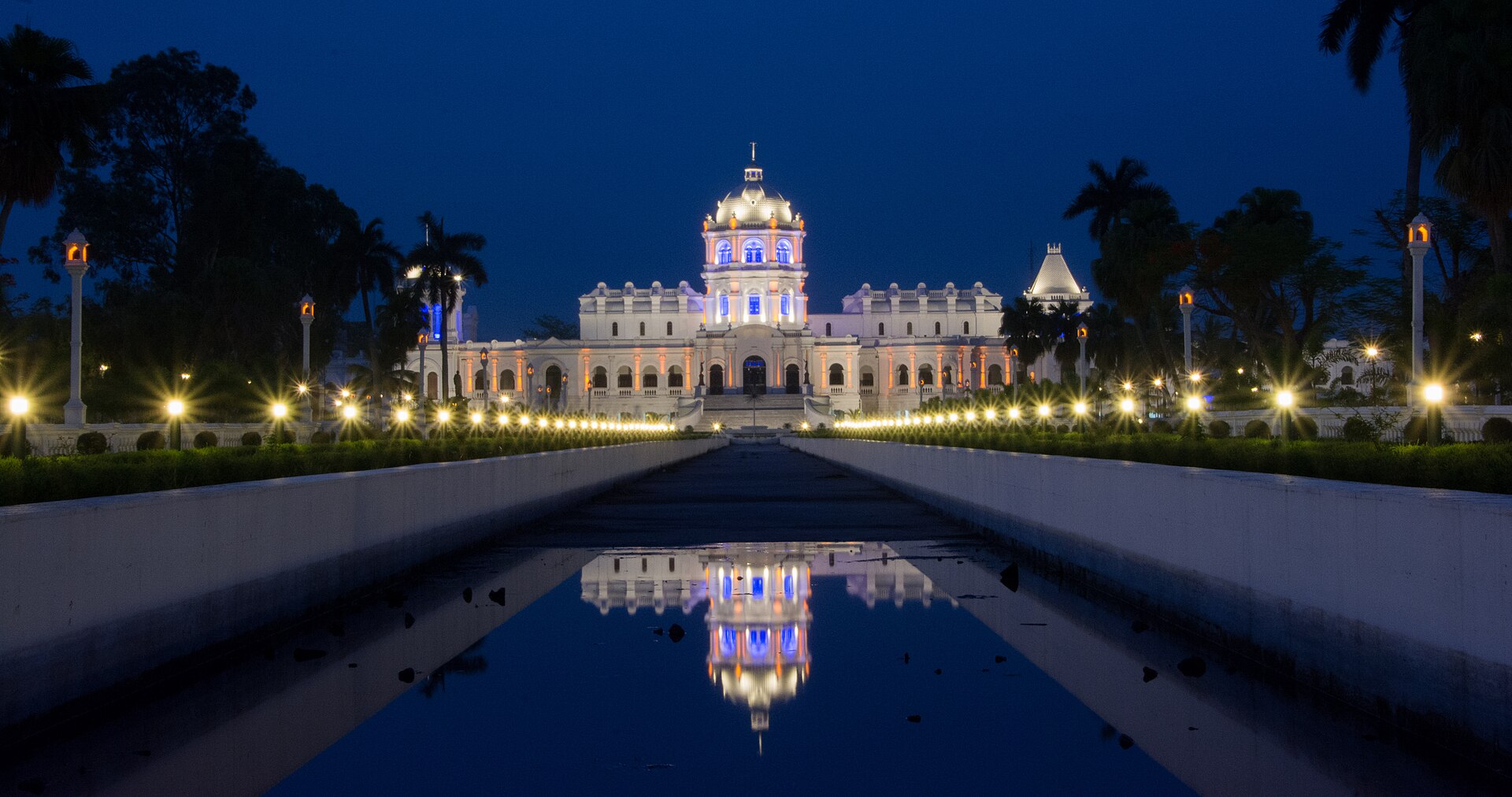
Long before modern Agartala became the political center of Tripura, Udaipur served as the capital of the erstwhile Tripura Kingdom under the powerful Manikya dynasty. The rulers of this dynasty shaped the town into an important cultural and administrative center, leaving behind temples, lakes, and architectural remains that still define Udaipur’s identity today. Walking through the town, visitors can sense traces of its royal past in the old palace ruins, sacred ponds, and historic neighborhoods scattered around the lakes.
Historical and Cultural Importance
Udaipur holds immense religious importance because it is home to the revered Tripura Sundari Temple, also known as Maa Tripureswari Temple. Built in the early 16th century by Maharaja Dhanya Manikya, this temple is regarded as one of the 51 sacred Shakti Peethas of India. Devotees from different parts of the country visit the temple throughout the year to seek blessings from Goddess Tripura Sundari, especially during Diwali when the temple complex glows with thousands of lamps and attracts massive crowds.
The architecture of the temple reflects a blend of Bengali and traditional Tripuri styles, with its distinctive dome-shaped structure and spiritual ambiance. Near the temple lies the sacred Kalyan Sagar Lake, known for its giant turtles and fish that are protected and considered holy by devotees.
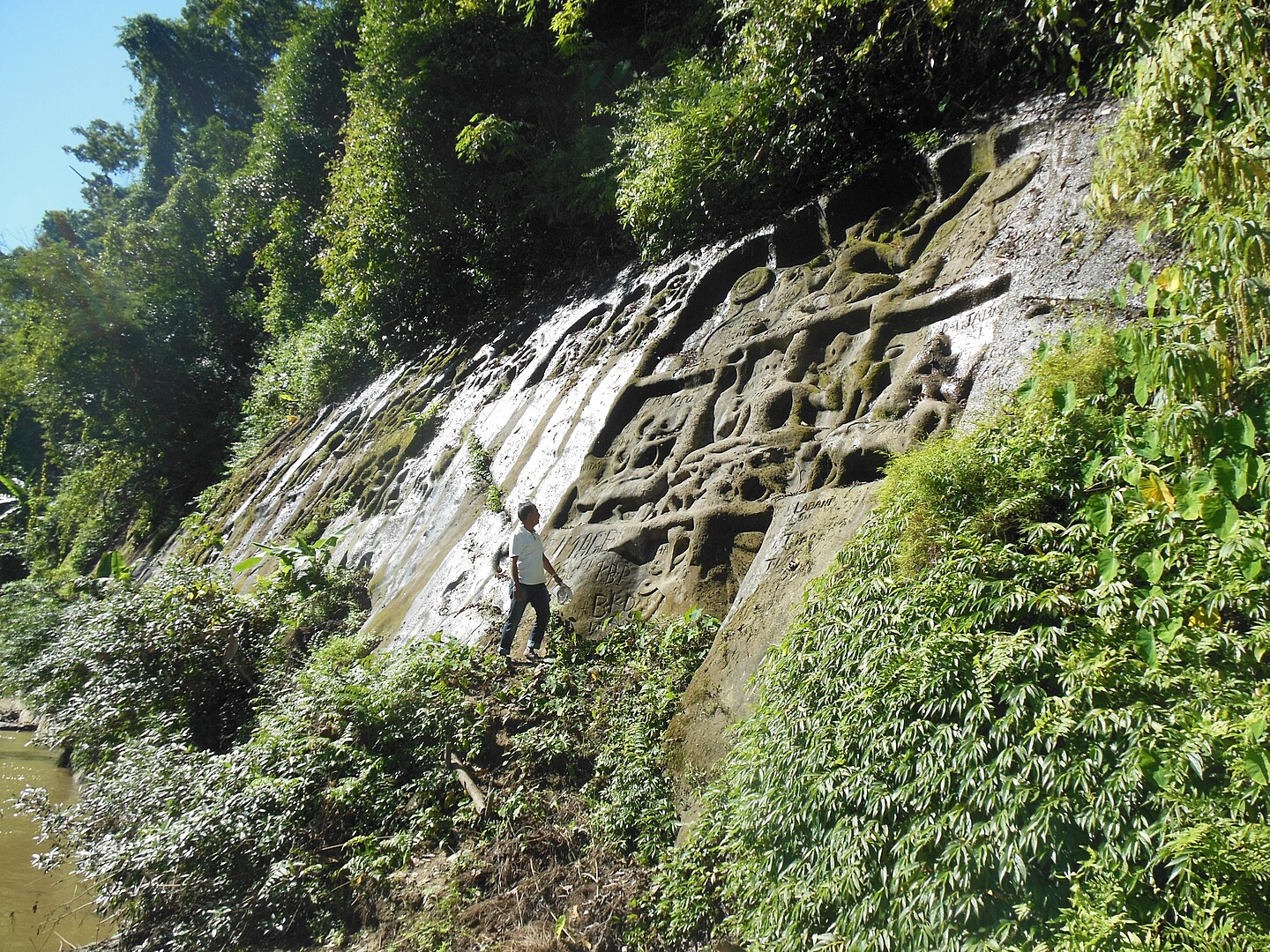
Apart from its religious significance, Udaipur also preserves the legacy of the Manikya rulers. Several old palace remains, temples, embankments, and heritage structures around the town narrate stories of Tripura’s royal history. Festivals such as Kharchi Puja, Durga Puja, and Diwali are celebrated here with tremendous enthusiasm, bringing together tribal and non-tribal communities in a vibrant display of culture, devotion, music, and traditional customs.
Lakes and Natural Beauty
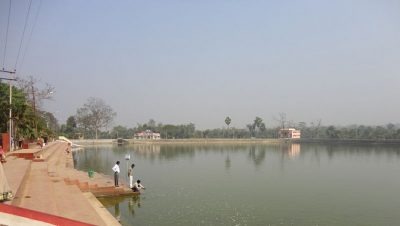
One of the most charming aspects of Udaipur is its serene landscape filled with lakes and greenery. The town’s identity as the “City of Lakes” comes from the numerous man-made and natural water bodies that surround it. Lakes such as Bijoy Sagar, Jagannath Dighi, Amar Sagar, and Dhani Sagar add immense scenic beauty to the region and create a calm, refreshing atmosphere.
The peaceful waters of these lakes are especially beautiful during sunrise and sunset when the reflections of temples, trees, and old structures shimmer on the surface. Many locals gather around the lakes in the evenings for relaxation, social gatherings, and leisurely walks. Some lakes also offer boating facilities, making them popular among families and tourists.
The lush green surroundings, small shrines, gardens, and traditional local markets further enhance Udaipur’s charm. Travelers can explore local handicrafts, bamboo products, traditional Tripuri textiles, and regional snacks while interacting with the warm and welcoming local communities.
Spiritual Atmosphere and Local Life
Unlike larger tourist cities, Udaipur has a slow and peaceful rhythm of life. The temple bells, lakeside pathways, and traditional neighborhoods create a spiritual atmosphere that many visitors find deeply calming. Religious rituals and local traditions continue to play an important role in everyday life here.
The town also reflects the cultural diversity of Tripura, where indigenous Tripuri traditions coexist with Bengali cultural influences. Traditional music, dance, local cuisine, and handicrafts form an essential part of the region’s identity. During major festivals, the entire town becomes lively with fairs, devotional songs, lights, and community celebrations.
Best Time to Visit
The ideal time to visit Udaipur is between October and March, when the weather remains pleasant and comfortable for sightseeing. Winters are mild, making it easier to explore temples, lakes, and nearby attractions. Visiting during Diwali is particularly special because the Tripura Sundari Temple hosts one of the region’s most important religious fairs and celebrations.
Monsoon season, from June to September, brings lush greenery to the town, though heavy rainfall may occasionally affect travel plans.
Local Food and Shopping
Visitors to Udaipur can enjoy a mix of Bengali and traditional Tripuri cuisine. Local dishes often include rice, fish preparations, bamboo shoot recipes, and mildly spiced curries. Street-side tea stalls and sweet shops around the temple area are popular gathering spots for both locals and tourists.
The local markets offer handmade bamboo crafts, cane products, tribal jewelry, handwoven textiles, and souvenirs that reflect Tripura’s indigenous heritage. Exploring these markets gives travelers a glimpse into the artistic traditions of the state.
How to Reach Udaipur
By Road
Udaipur is located around 55 kilometers from Agartala and is well connected by National Highway 8. Regular buses, shared jeeps, and private taxis operate between Agartala and Udaipur, making road travel convenient and affordable.
By Rail
Udaipur Railway Station connects the town with important locations in Tripura, including Agartala, Belonia, and Sabroom. Rail connectivity has significantly improved access to the region in recent years.
By Air
The nearest airport is Maharaja Bir Bikram Airport, situated approximately 60 kilometers away. From the airport, visitors can hire taxis or board buses to reach Udaipur comfortably.
Nearby Attractions
While visiting Udaipur, travelers can also explore several nearby attractions:
- Neermahal – A stunning water palace located in the middle of Rudrasagar Lake.
- Bhubaneswari Temple – A historic temple associated with Rabindranath Tagore’s literary works.
- Kalyan Sagar Lake – Sacred lake beside Tripura Sundari Temple.
- Gunabati Group of Temples – Ancient temple complex built during the Manikya era.
Google Maps
FAQs
Why is Udaipur called the City of Lakes?
Udaipur is known as the City of Lakes because of its numerous historic lakes and ponds, including Bijoy Sagar, Amar Sagar, and Jagannath Dighi, which form an important part of the town’s landscape and heritage.
What is Udaipur famous for?
Udaipur is famous for the Tripura Sundari Temple, royal history, scenic lakes, spiritual atmosphere, and cultural heritage linked to the Manikya dynasty.
Is Tripura Sundari Temple one of the Shakti Peethas?
Yes, the Tripura Sundari Temple is considered one of the 51 sacred Shakti Peethas in India and is one of the most important pilgrimage sites in Northeast India.
What is the best time to visit Udaipur, Tripura?
The best time to visit is from October to March when the weather remains cool and pleasant. The Diwali festival period is especially popular among pilgrims and tourists.
How far is Udaipur from Agartala?
Udaipur is approximately 55 kilometers from Agartala and can be reached in about 1.5 to 2 hours by road.
Are boating facilities available in Udaipur?
Yes, boating is available in some lakes around the town, especially near popular tourist areas.
What can tourists buy in Udaipur?
Visitors can purchase bamboo handicrafts, cane products, handwoven textiles, tribal jewelry, and traditional Tripuri souvenirs from local markets.
Is Udaipur suitable for family trips?
Yes, Udaipur is an excellent destination for family trips due to its peaceful environment, temples, lakes, and cultural attractions suitable for all age groups.