Image Source: Shrenik Mehta
About Jabarkhet Nature Reserve
Just a short drive away from the usual bustle of Mussoorie—think crowded Mall Road, cafés, and the constant hum of tourist activity—there’s a very different side of the hills waiting quietly along the Mussoorie–Dhanaulti road. This is the world of Jabarkhet Nature Reserve, a forest escape where the Himalayas feel intimate, wild, and refreshingly untouched.
Unlike the typical sightseeing stops in Mussoorie, Jabarkhet is not about rushing from one viewpoint to another. It’s about slowing down—walking under oak canopies, listening to bird calls echo through the valleys, and noticing how the forest changes with every step.
For travelers who prefer nature over noise, this reserve feels like a quiet reset button.
A Brief History: From Estate to Ecological Revival
Jabarkhet wasn’t always a conservation success story. It was once a privately owned, relatively neglected forest estate. That changed in the early 2010s when conservationist Sejal Worah, along with local partners and the landowners, decided to try something different.
Instead of clearing or commercializing the land, they restored it.
The idea was simple but powerful:
Protect the fragile Himalayan ecosystem while allowing responsible visitors to experience it firsthand.
Over time, this vision turned Jabarkhet into Uttarakhand’s first privately managed nature reserve. Today, it stands as a rare example of how conservation and eco-tourism can work together—where protecting nature also helps support local livelihoods and awareness.
Geography & Landscape: A Forest Between Two Worlds
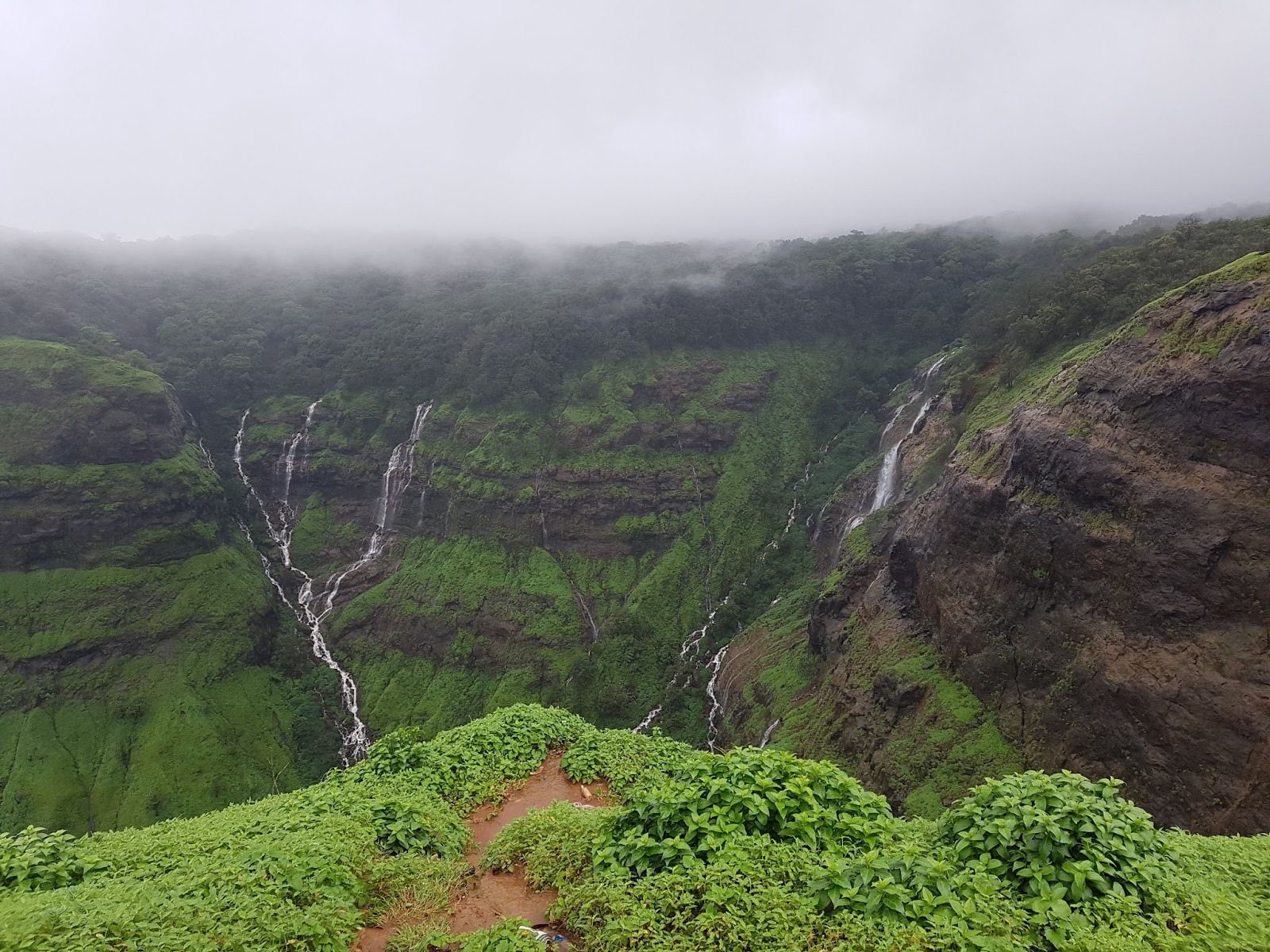
Jabarkhet sits on the southern slopes of the Mussoorie ridge at an altitude of roughly 1,800–2,200 meters. Its location gives it a unique personality—on one side, sweeping views of the Doon Valley; on the other, layers of Himalayan foothills fading into mist.
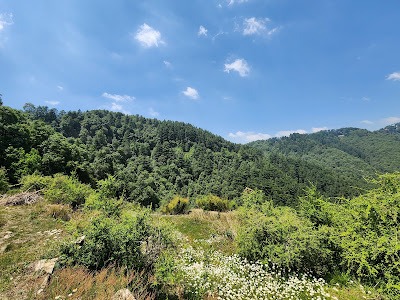
The forest itself is a beautiful mix of:
- Oak forests that feel cool and shaded even in summer.
- Rhododendron trees that bloom in bright reds during spring.
- Pine stretches that open up to airy, sunlit patches.
- Wildflower meadows that change with the seasons.
- Small streams and damp hollows hidden along the trails.
Because of this variety, even a short walk here feels like moving through multiple ecosystems.
Trails & Walking Experiences
One of the most rewarding parts of Jabarkhet is its network of self-guided walking trails. They’re clearly marked, well-maintained, and designed so visitors can explore at their own pace.
Wildflower Trail
An easy and colorful walk, especially beautiful in spring when the forest floor bursts into seasonal blooms. It’s ideal for casual walkers and photography lovers.
Leopard Trail
This one goes deeper into the forest. While spotting a leopard is rare, the thrill lies in the signs they leave behind—paw prints, scratch marks, and camera trap stories shared by guides.
Ridge Trail
Perfect for those who enjoy open views. This trail runs along higher ground and rewards you with wide panoramas of valleys and distant mountain layers, especially magical during sunset.
Mushroom & Waterfall Loop
A shaded, slightly damp trail that comes alive during the monsoon. Wild mushrooms sprout along the path, and a small hidden waterfall offers a peaceful resting point.
Most trails are between 1 to 3 km, so you can combine routes depending on your energy and curiosity. Guided walks with local naturalists are highly recommended if you want to understand the forest beyond what you see on the surface.
Wildlife & Biodiversity
Jabarkhet is not just scenic—it’s alive with biodiversity.
Birdlife
The reserve is a haven for birdwatchers, with over 150 recorded species. You might spot:
- Himalayan woodpeckers.
- Blue magpies flashing through the trees.
- Treecreepers moving vertically along trunks.
- Koklass pheasants (if luck is on your side).
Mammals
Wildlife here is shy but present:
- Leopards (mostly active at night).
- Barking deer.
- Langurs jumping across treetops.
- Porcupines and small forest mammals.
Plant Life
More than 300 plant species thrive here, including:
- Wild strawberries.
- Giant ferns.
- Rhododendrons.
- Dense oak and pine forests.
Every season reshapes the forest, making repeat visits feel completely different.
Nearby Villages & Local Life
The areas around Jabarkhet—like Bhatta Village, Suakholi, and nearby hamlets—offer a glimpse into traditional Garhwali life.
You’ll find:
- Small tea stalls with mountain views.
- Terraced farming on steep slopes.
- Locals going about daily routines with quiet resilience.
- Simple homestays and farm experiences.
Pairing a forest walk with a village visit adds a grounded, human layer to your Himalayan experience.
How to Reach Jabarkhet
By Road
From Library Chowk in Mussoorie, it’s about a 5 km drive toward Dhanaulti via the Mussoorie–Suakholi road. The entrance is easy to miss, so watch for signboards carefully.
By Train
Nearest station: Dehradun Railway Station (around 35 km)
By Air
Nearest airport: Jolly Grant Airport, Dehradun (around 65 km)
From both points, you can take a taxi to Mussoorie and then continue to the reserve.
Local Transport
Shared taxis and private cabs from Mussoorie are the easiest option for visitors.
Nearby Attractions to Jabarkhet Nature Reserve
Landour
Just a short drive away, Landour is known for its colonial-era charm, quiet lanes, heritage churches, scenic viewpoints, and cozy cafés. It offers a peaceful alternative to the bustling streets of Mussoorie.
George Everest House
The former residence of Sir George Everest offers panoramic views of the Himalayas and Doon Valley. The site is popular for short hikes, photography, and sunset views.
Cloud’s End
Located amid dense forests at the western edge of Mussoorie, Cloud’s End is ideal for nature walks, birdwatching, and enjoying tranquil mountain scenery.
Lal Tibba
The highest point in Mussoorie, Lal Tibba offers magnificent views of the snow-covered Himalayan peaks and is especially popular during sunrise and sunset.
Char Dukan
A charming cluster of historic eateries and cafés in Landour, famous for pancakes, tea, and relaxed mountain vibes. It is a favorite stop for walkers exploring the area.
Benog Wildlife Sanctuary
Part of the Rajaji landscape, this sanctuary is known for Himalayan birds, deer, and rich forest ecosystems, making it an excellent destination for wildlife enthusiasts.
Camel’s Back Road
One of Mussoorie’s most scenic walking routes, offering beautiful views of the surrounding mountains and spectacular sunsets.
Gun Hill
A famous viewpoint accessible by ropeway, providing panoramic vistas of Mussoorie town, the Doon Valley, and the Himalayan ranges.
Company Garden
A landscaped garden featuring flowerbeds, fountains, boating facilities, and family-friendly attractions.
Dhanaulti
Located about 25 km from Jabarkhet, Dhanaulti is known for its deodar forests, eco-parks, cool climate, and peaceful mountain atmosphere.
Best Time to Visit
Jabarkhet changes beautifully with the seasons:
- March to May: Rhododendrons bloom, weather is pleasant
- July to September: Monsoon greenery, misty forest atmosphere
- October to November: Clear skies and sharp Himalayan views
- December to February: Occasional snow and crisp winter air
Each season offers a completely different forest experience.
Entry & Visitor Information
- Entry Fee: A conservation fee helps maintain the reserve
- Guided Walks: Available and strongly recommended
- Facilities: Minimal—no cafés or shops inside
- What to Carry: Water, snacks, comfortable shoes, rain protection in monsoon
- Stay Options: No overnight stay inside; Mussoorie and Suakholi have nearby cottages and homestays
Responsible Travel Tips
Jabarkhet is a living ecosystem, not a theme park. A few simple habits go a long way:
- Stay on marked trails.
- Avoid loud noise or music.
- Do not feed wildlife.
- Carry back all waste.
- Respect restricted zones.
The forest rewards quiet observation more than anything else.
Why Jabarkhet Feels Special
What makes Jabarkhet stand out is not just its scenery, but its philosophy. It shows that forests don’t need to be overdeveloped to be appreciated. Sometimes, they just need to be protected—and walked through gently.
Here, there are no commercial distractions. Just trees, trails, birds, and the occasional rustle that reminds you that you’re not alone.
It’s Mussoorie stripped down to its most honest form.
Google Maps
FAQs
1. Is Jabarkhet Nature Reserve suitable for beginners?
Yes, many trails are easy to moderate and can be enjoyed even by casual walkers.
2. Can I visit Jabarkhet without a guide?
Yes, self-guided trails are available, but guided walks offer deeper insight into wildlife and ecology.
3. Are there restaurants inside the reserve?
No, there are no food stalls or cafés inside. Visitors should carry their own snacks and water.
4. How long should I spend at Jabarkhet?
Most visitors spend 2–4 hours, depending on the number of trails they explore.
5. Is wildlife spotting common?
Birds are frequently seen, while mammals like leopards and deer are more elusive.
6. Can I stay overnight inside the reserve?
No, overnight stays are not allowed within Jabarkhet. Nearby Mussoorie has multiple stay options.