Image Source: Aman Trivedi
About Milam Glacier
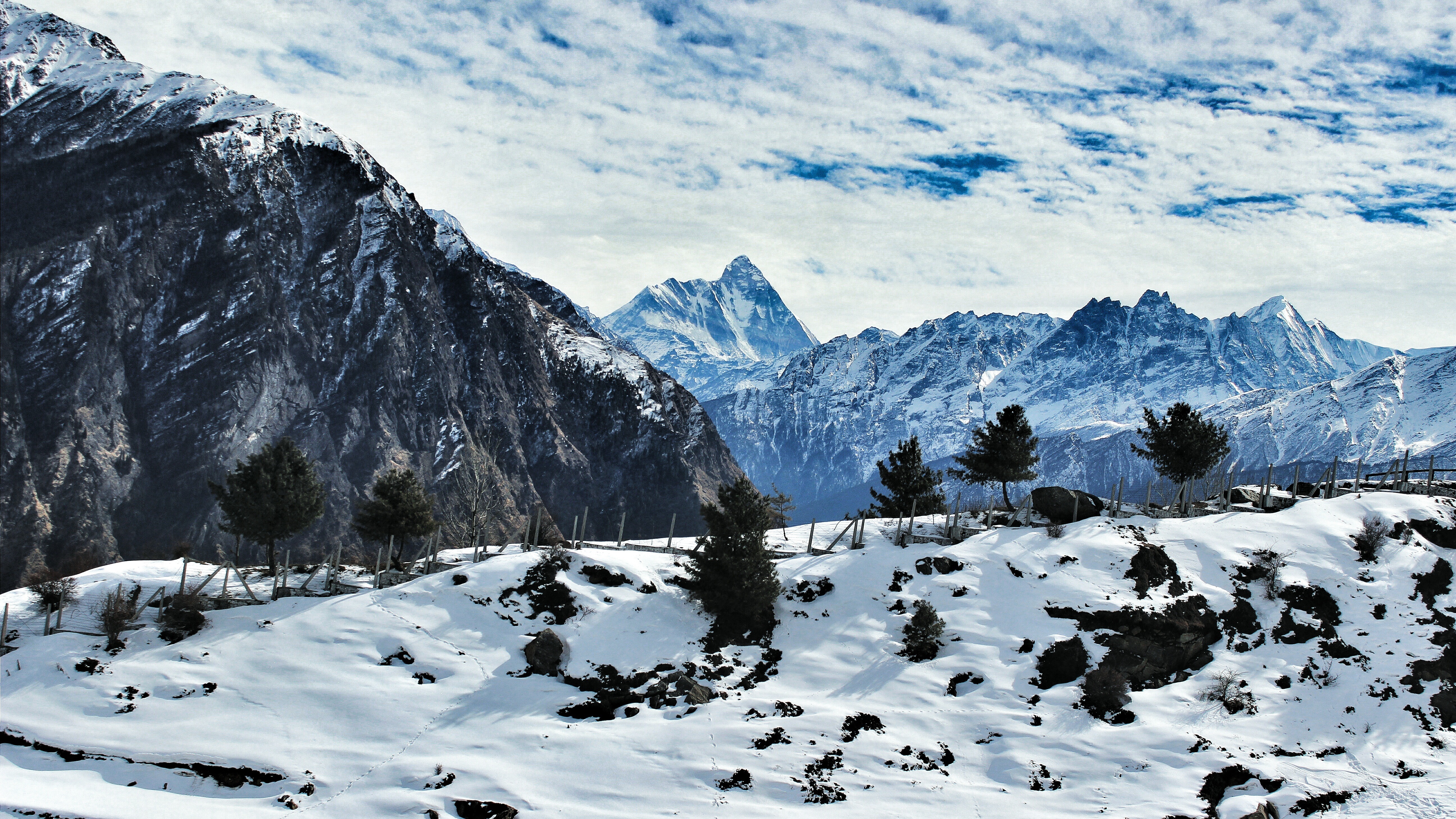
Hidden deep in the remote Johar Valley of Uttarakhand, Milam Glacier is one of the largest and most spectacular glaciers in the Kumaon Himalayas. Located in the Pithoragarh district, the glacier stretches for nearly 16 kilometers and covers an area of around 37 square kilometers. It originates from the eastern slopes of the Trishuli and Hardeol mountain ranges, surrounded by towering snow-covered peaks that create an awe-inspiring Himalayan landscape. The glacier sits at an altitude of approximately 3,870 meters (12,700 feet) and has long been an important geographical feature as well as a historic trade route connecting India with Tibet.
The Milam Glacier Trek is among the most rewarding long-distance treks in Kumaon, attracting trekkers, photographers, nature enthusiasts, and adventure seekers. Besides offering breathtaking mountain scenery, the trail passes through ancient villages, alpine meadows, river valleys, hanging glaciers, and dense forests, giving visitors an authentic glimpse into the culture of the Johari Shauka community, who once carried out cross-border trade with Tibet. The abandoned stone houses and old trading settlements along the route add a unique historical charm to the journey.
Although the trek was closed following the 1962 India–China War because of security concerns near the international border, it was reopened to trekkers in 1994. Since then, it has gradually become one of Uttarakhand’s premier high-altitude trekking destinations while remaining relatively less crowded than many Himalayan trails. This makes it an excellent choice for travelers seeking solitude and pristine mountain landscapes.
The trek begins from the picturesque hill town of Munsiyari, often called the “Gateway to the Johar Valley.” From here, the trail follows the beautiful Gori Ganga Valley, passing through villages such as Lilam, Bogudiar, Rilkot, Martoli, Burfu, and finally Milam Village, located close to the snout of the glacier. Along the route, trekkers are rewarded with magnificent views of peaks like Hardeol, Trishuli, Nanda Devi East, Rajrambha, and Nanda Kot.
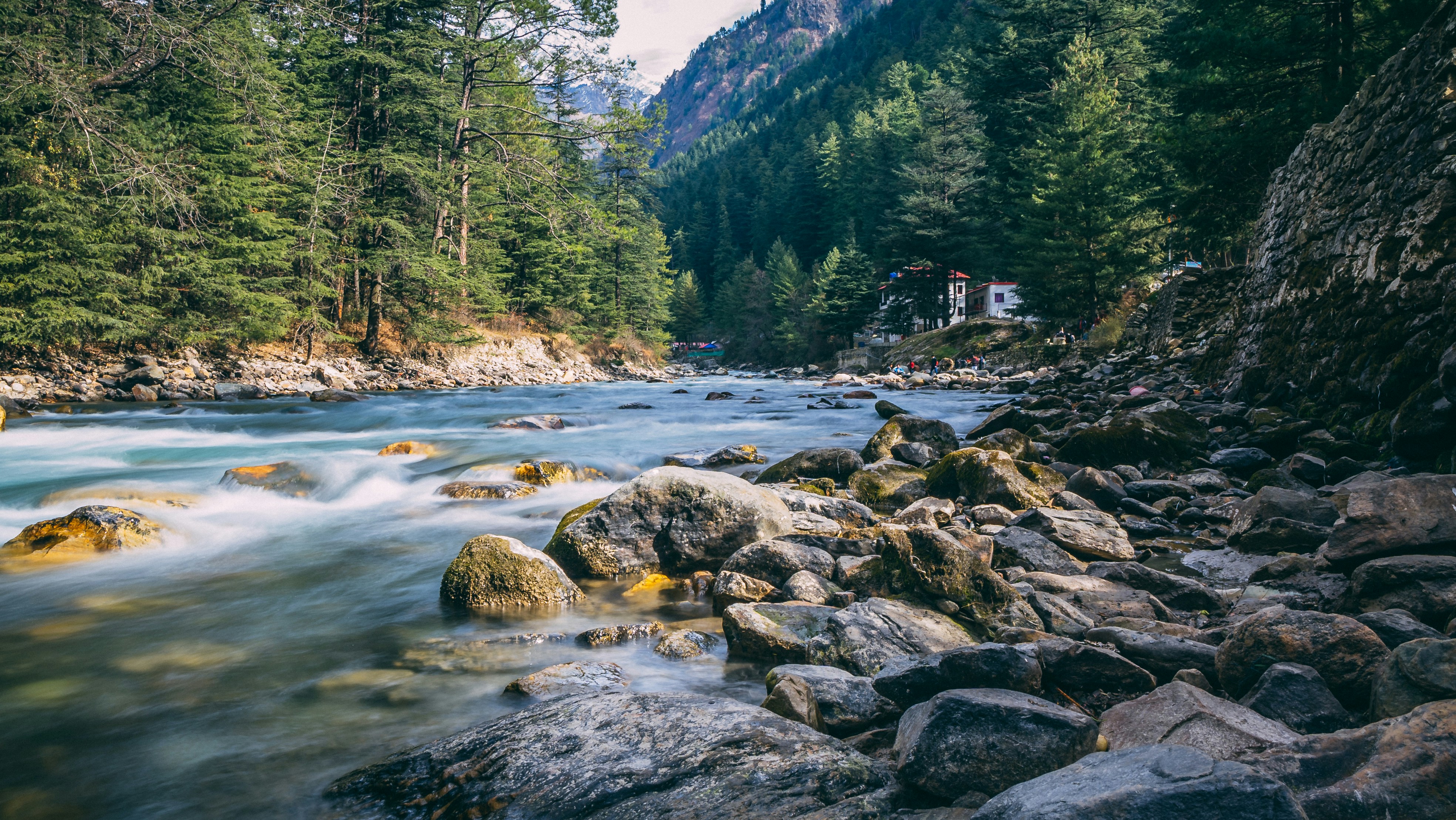
Milam Glacier is also hydrologically significant because it is the source of the Gori Ganga River, one of Kumaon’s major Himalayan rivers. Emerging from the glacier’s snout, the river flows through the scenic Gori Ganga Valley before eventually joining the Kali River at Jauljibi, a historic trading town known for its annual fair. The glacier therefore plays an essential role in sustaining local ecosystems, agriculture, and communities throughout the valley.
How to Reach Milam Glacier
The journey to Milam Glacier begins from Munsiyari, the nearest trekking base in Uttarakhand. The closest railway stations are Kathgodam and Tanakpur, while the nearest airport is Pantnagar Airport. From these transport hubs, travelers can hire taxis or board buses to reach Munsiyari via Almora, Bageshwar, Thal, and Birthi. The road journey itself is scenic, passing through pine forests, mountain villages, and panoramic Himalayan viewpoints.
From Munsiyari, the trek to Milam Glacier covers approximately 60–65 kilometers one way and usually takes 5 to 6 days to reach Milam Village. The trail passes through Lilam, Bogudiar, Rilkot, Martoli, Burfu, and finally Milam. Since the route lies in a remote Himalayan region with limited facilities, hiring a local guide or joining an organized trekking group is highly recommended. The best time to undertake the trek is from May to June and September to October, when the weather remains relatively stable and mountain views are at their clearest.
Nearby Attractions
Munsiyari
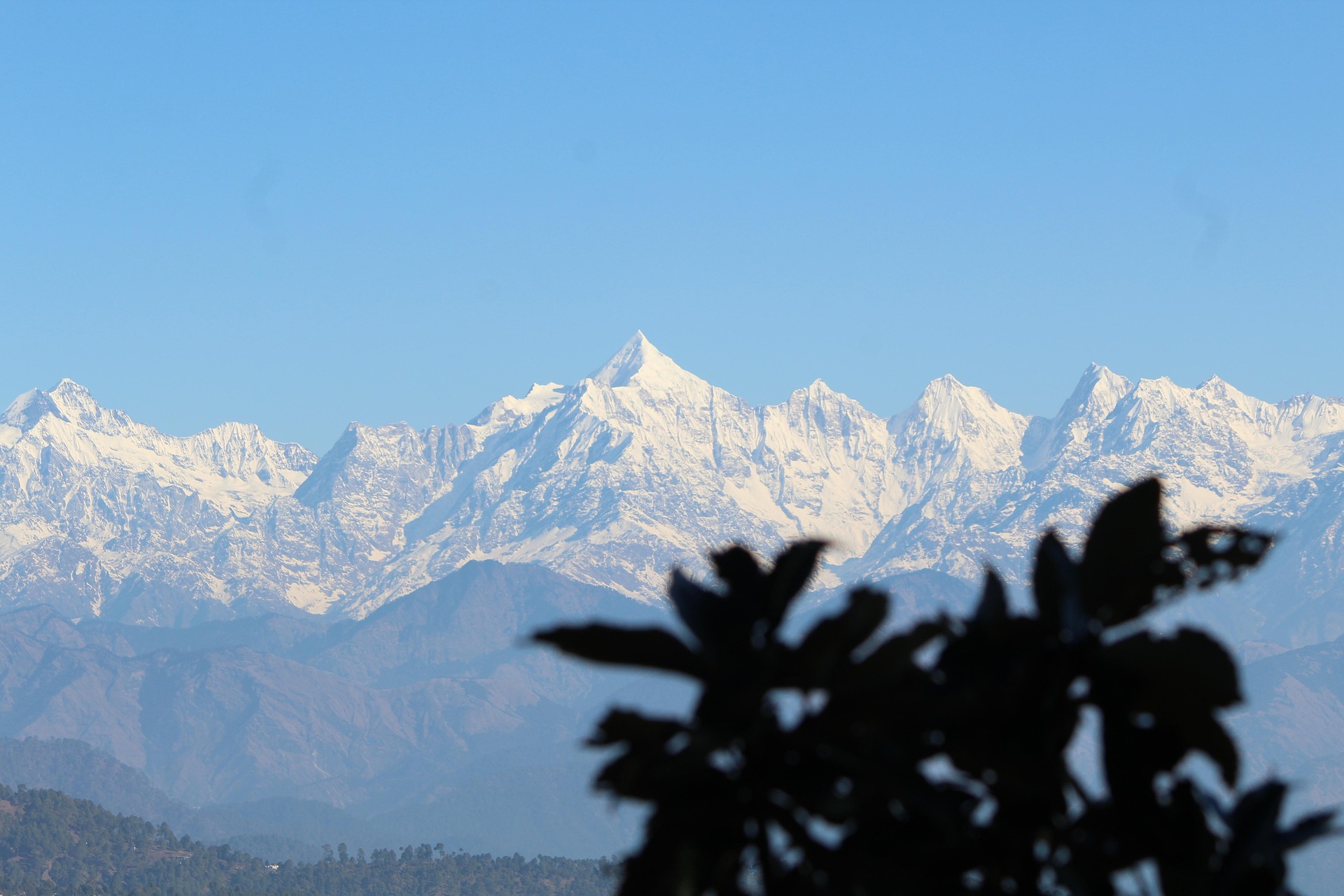
Known as the gateway to the Johar Valley, Munsiyari is famous for its spectacular views of the Panchachuli peaks. It serves as the starting point for several Himalayan treks and offers attractions such as local markets, traditional Kumaoni culture, and scenic viewpoints.
Martoli Village
This abandoned Himalayan village was once a prosperous Indo-Tibetan trading settlement. Today, its centuries-old stone houses, ancient temples, and dramatic mountain backdrop make it one of the most fascinating stops on the Milam trek.
Burfu Village
Located just before Milam, Burfu is a peaceful Himalayan village surrounded by alpine meadows and towering snow peaks. It offers beautiful camping locations and opportunities to experience traditional Johari culture.
Birthi Falls
Situated on the route to Munsiyari, Birthi Falls cascades from a height of around 125 meters and is one of the most popular natural attractions in the region. The surrounding greenery makes it an ideal stop during the journey.
Khaliya Top
A short trek from Munsiyari leads to Khaliya Top, a scenic alpine meadow known for its sweeping views of Panchachuli, Nanda Kot, Rajrambha, and Hardeol peaks. It is also popular for winter snowfall and camping.
Nanda Devi East Base Region
Several trekking routes branching from the Milam Valley provide access to the spectacular Nanda Devi East region, offering breathtaking Himalayan scenery and challenging mountaineering opportunities.
Jauljibi
Located where the Gori Ganga and Kali rivers meet, Jauljibi is known for its historic trade fair and cultural significance. It serves as an important stop while traveling toward Munsiyari.
Maps
FAQs
1. Where is Milam Glacier located?
Milam Glacier is located in the Johar Valley of Pithoragarh district in Uttarakhand, near the India-Tibet border.
2. What is Milam Glacier famous for?
It is famous for being one of Kumaon’s largest glaciers, its scenic trekking route, and as the source of the Gori Ganga River.
3. How difficult is the Milam Glacier Trek?
The trek is considered moderate to difficult due to its long distance, high altitude, and remote terrain.
4. How many days are required for the trek?
Most trekkers require 10–12 days for the complete round trip from Munsiyari.
5. What is the best time to visit Milam Glacier?
The ideal months are May to June and September to October.
6. Is a guide necessary for the trek?
Although experienced trekkers may complete it independently, hiring a local guide is strongly recommended because of the remote location and changing weather conditions.
7. Which river originates from Milam Glacier?
The Gori Ganga River originates from the snout of Milam Glacier.
8. Can beginners attempt the Milam Glacier Trek?
Beginners with good physical fitness and some prior trekking experience can complete the trek with proper preparation and guidance.
9. Are accommodation facilities available on the route?
Basic guesthouses, homestays, forest rest houses, and camping options are available in villages along the trekking route.
10. Do permits need to be obtained for the Milam Glacier Trek?
Yes. Since the trek is close to the international border, Indian nationals generally need to complete permit formalities, and foreign nationals should check the latest regulations before planning their visit.