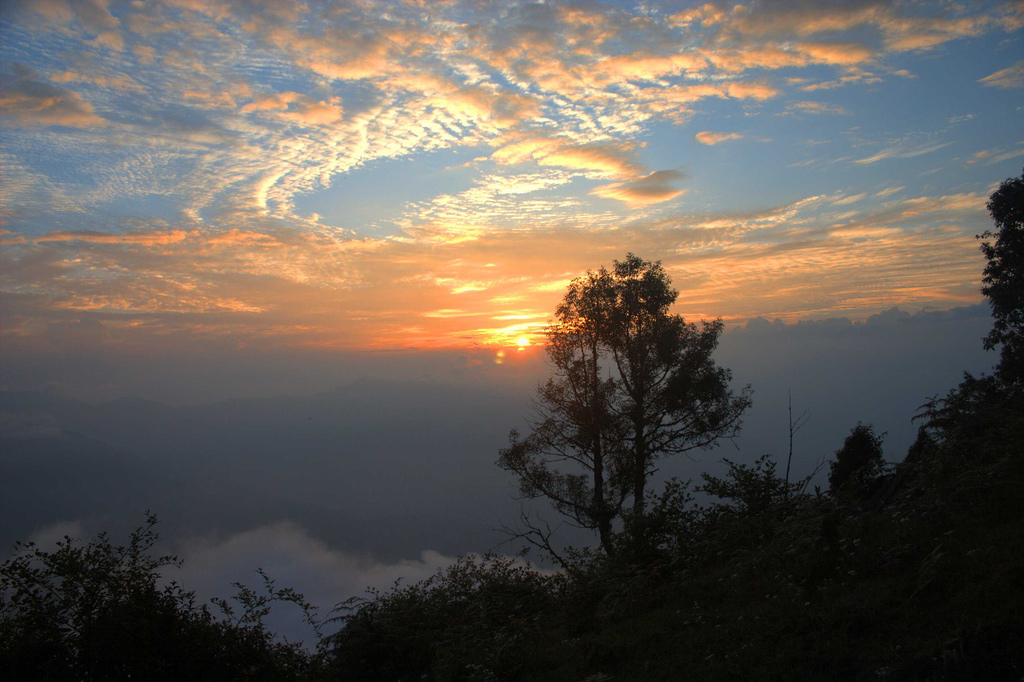
Image Source: Anirban Biswas
About Neora Valley National Park
Neora Valley National Park in the Kalimpong district is one of the most pristine and biologically rich forests in the Eastern Himalayas. Established in 1986, it spreads over an area of about 88 square kilometres and forms part of the critical Kanchenjunga landscape corridor. This park is famous for its untouched wilderness, dense forests, and rare species such as the red panda, making it a paradise for wildlife enthusiasts and trekkers.
Natural Beauty and Biodiversity
The park ranges in altitude from 183 meters to 3,200 meters, offering a unique blend of tropical, sub-tropical, and temperate ecosystems. Its forests are covered with lush oak, rhododendron, bamboo, and fir trees, creating a vibrant natural habitat. Apart from the endangered Red Panda, it is also home to the Himalayan black bear, leopard, Asiatic golden cat, barking deer, and clouded leopard. For bird lovers, the park is one of the best birding hotspots in India, sheltering rare species like the satyr tragopan, golden-throated barbet, and ruby-throated yellow bulbul.
Adventure and Activities
The dense forest trails of Neora Valley are perfect for trekking and nature exploration. Popular trekking routes lead to Rachela Pass, which marks the tri-junction of Sikkim, Bhutan, and West Bengal, offering panoramic views of Mount Kanchenjunga and surrounding valleys. Photography, birdwatching, and eco-tourism activities are also popular here, though the park remains relatively untouched, giving it an offbeat charm.
Best Time to Visit
The ideal time to visit Neora Valley National Park is from October to May, when the weather is pleasant, skies are clear, and wildlife sightings are more frequent. During the monsoon months (June–September), the park remains closed due to heavy rainfall and landslide risks.
How to Reach
By Air: The nearest airport is Bagdogra Airport (approx. 100 km), from where taxis and shared jeeps are available to Kalimpong.
By Rail: The nearest railhead is New Jalpaiguri Railway Station (95 km), with good connectivity to Kolkata, Delhi, and Guwahati.
By Road: From Kalimpong (32 km), Lava is the main entry point to the park, accessible via shared jeeps, taxis, and local buses.
Nearby Attractions
- Lava (Approx. 8 km)
A picturesque hill town known for its Buddhist monastery, scenic viewpoints, nature trails, and as the main gateway to Neora Valley National Park. - Rishyap Village (Approx. 10 km)
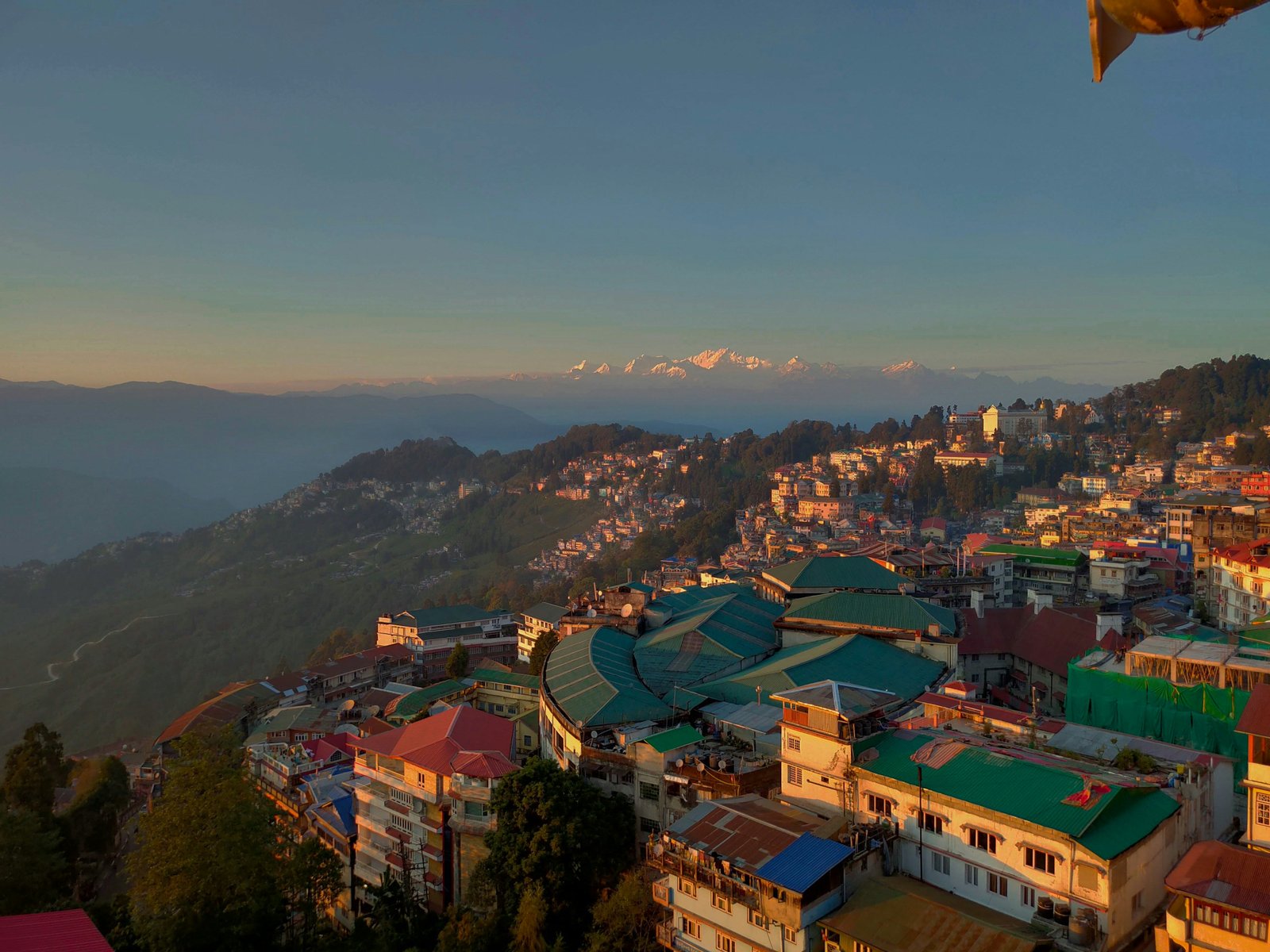
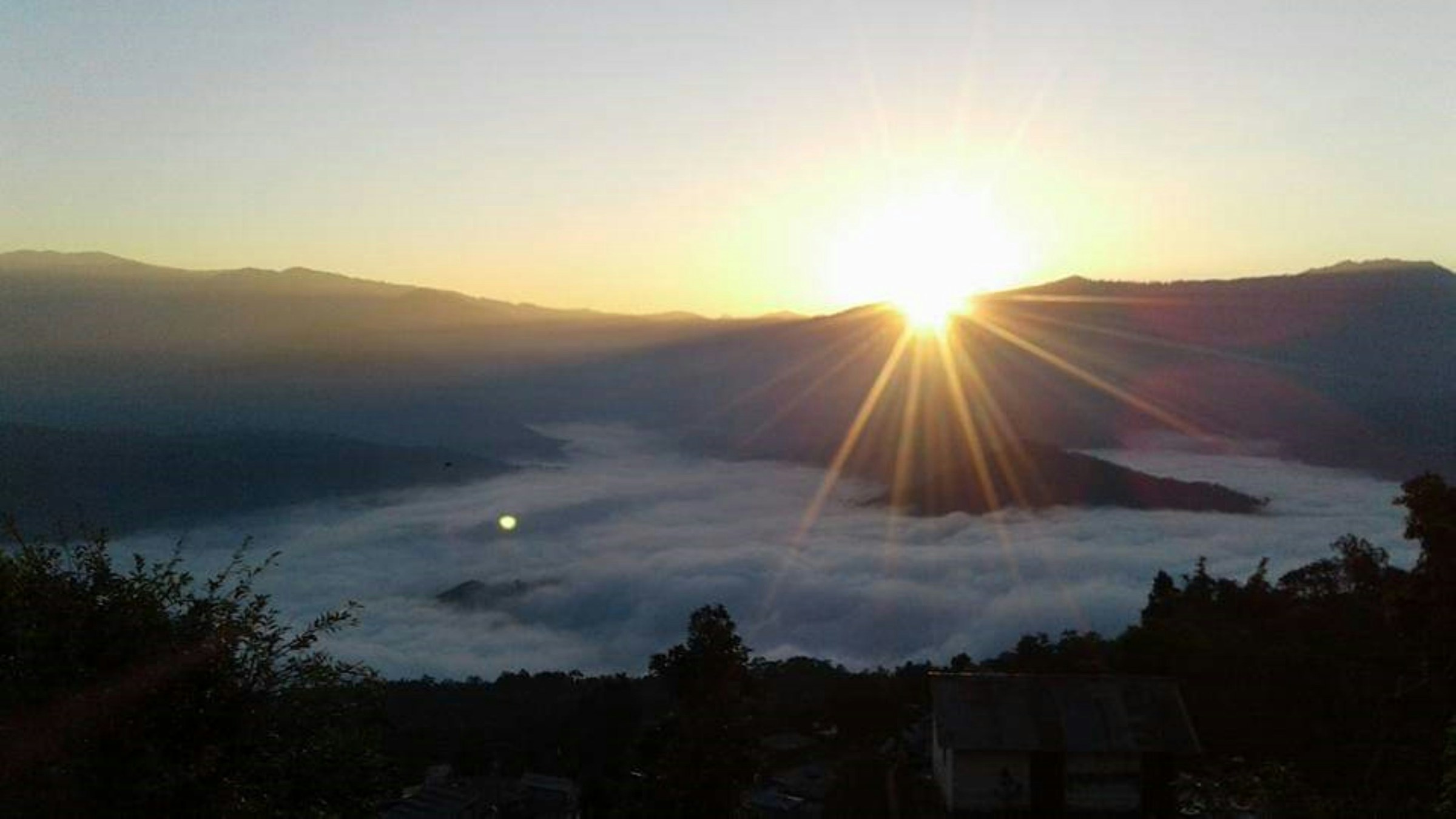
A peaceful Himalayan village offering spectacular views of Mount Kanchenjunga, trekking trails, birdwatching, and beautiful sunrise viewpoints. - Lolegaon (Approx. 24 km)
A tranquil hill station famous for its Canopy Walk, Heritage Forest, panoramic viewpoints, and lush greenery. - Changey Waterfall (Approx. 12 km)
A scenic waterfall surrounded by dense forests, accessible via a short trek and popular among nature lovers and photographers. - Lava Monastery (Approx. 8 km)
Also known as Kagyu Thekchen Ling Monastery, this serene Buddhist monastery is renowned for its colorful murals, peaceful atmosphere, and Himalayan views. - Jhandi View Point (Approx. 20 km)
A spectacular viewpoint offering breathtaking sunrise views over the Kanchenjunga range and the surrounding Himalayan valleys.
Google Maps
FAQs
1. Where is Neora Valley National Park located?
Neora Valley National Park is located in the Kalimpong district of West Bengal, in the Eastern Himalayas.
2. Why is Neora Valley National Park famous?
The park is famous for its untouched forests, rich biodiversity, red pandas, clouded leopards, Himalayan birds, orchids, and trekking opportunities.
3. What is the best time to visit Neora Valley National Park?
The best time to visit is October to April, when the weather is pleasant and trekking conditions are favorable.
4. Which wildlife can be seen in the park?
The park is home to red pandas, Himalayan black bears, clouded leopards, barking deer, Himalayan gorals, numerous butterflies, orchids, and over 250 bird species.
5. Is trekking allowed inside the park?
Yes. Guided trekking is permitted on designated trails after obtaining the necessary permission from the Forest Department.
6. Is an entry permit required?
Yes. Visitors must obtain entry permits from the Forest Department before entering the national park.
7. How much time is needed to explore the park?
A 1–2 day visit is ideal for trekking, wildlife observation, birdwatching, and exploring nearby attractions.
8. Is Neora Valley National Park suitable for birdwatching?
Yes. It is considered one of the finest birdwatching destinations in the Eastern Himalayas, with many rare and endemic Himalayan bird species.
9. Are accommodation facilities available nearby?
Yes. Hotels, eco-resorts, forest lodges, and homestays are available in Lava, Rishyap, and Lolegaon.
10. How can I reach Neora Valley National Park?
The nearest gateway is Lava, about 8 km from the park. The nearest railway station is New Jalpaiguri (NJP), and the nearest airport is Bagdogra Airport, both connected to Lava by road.