Image Source: © Vyacheslav Argenberg
About the Indian Museum
The Indian Museum in Kolkata, fondly known by locals as Jadughar, is one of India’s most iconic cultural institutions. Established in 1814, it is the oldest and largest museum in the country and among the oldest museums in the Asia-Pacific region. More than just a building filled with artifacts, the museum represents India’s long journey through history, science, art, and civilization.
Located in the heart of Kolkata, the museum attracts historians, students, travelers, researchers, and art lovers from across the world. Its enormous collection of rare antiquities, fossils, sculptures, manuscripts, paintings, coins, and archaeological discoveries offers a fascinating glimpse into India’s cultural and intellectual heritage. Walking through its galleries feels like traveling through different eras of history, from prehistoric times to the colonial period.
History of the Indian Museum
The foundation of the Indian Museum was laid by the Asiatic Society of Bengal under the guidance of Danish botanist Dr. Nathaniel Wallich. His vision was to create a center where historical, scientific, and cultural objects could be collected, preserved, and studied for future generations.
What began as a small collection of specimens and antiquities gradually evolved into one of the most respected museums in Asia. Over the years, the museum expanded significantly and today houses more than 100,000 artifacts covering a wide range of subjects.
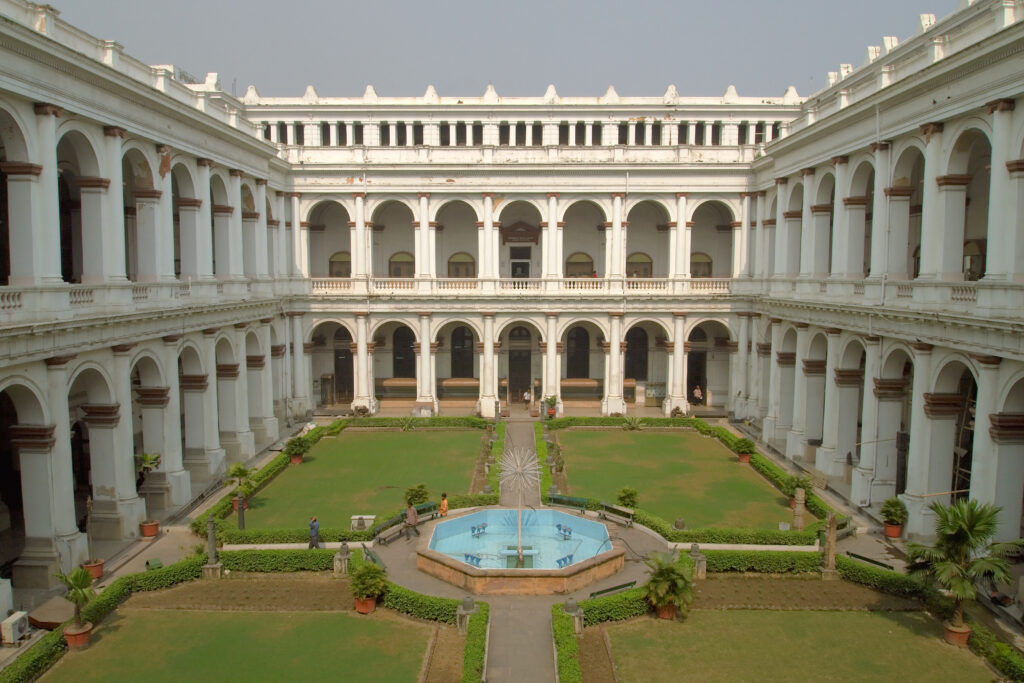
The museum building itself reflects the elegance of colonial-era architecture. Designed in a neoclassical style, the structure features large pillars, spacious corridors, arched windows, and open courtyards that add to its historic charm. The atmosphere inside the museum carries a sense of old-world scholarship and intellectual curiosity that defined nineteenth-century Kolkata.
Architecture and Ambiance
The architecture of the Indian Museum is one of its defining features. The grand white façade, tall columns, and symmetrical design create an imposing yet graceful appearance. The spacious halls and galleries are designed to accommodate large collections while maintaining a calm and organized atmosphere.
Inside, the museum has wide corridors and high ceilings that provide a sense of openness. Natural light filtering through the old windows enhances the beauty of sculptures, paintings, and historical exhibits. The combination of heritage architecture and priceless collections makes the museum a memorable experience even for visitors who are not deeply interested in history.
Major Galleries and Collections
The museum is divided into several major sections, including Art, Archaeology, Anthropology, Zoology, Geology, and Economic Botany. Each gallery showcases unique collections that highlight different aspects of human civilization and natural history.
Egyptian Gallery
One of the museum’s biggest attractions is its ancient Egyptian mummy, believed to be over 4,000 years old. This remarkably preserved mummy fascinates visitors of all ages and remains among the most visited exhibits in the museum.
Archaeological Treasures
The archaeology section contains priceless relics from ancient Indian civilizations. Visitors can see Buddhist sculptures from Gandhara, remains from Bharhut and Sanchi, temple carvings, inscriptions, and artifacts linked to the Mauryan and Gupta periods. The collection beautifully illustrates the artistic and spiritual traditions of ancient India.
Ashokan inscriptions and stone edicts displayed here offer insight into the reign of Emperor Ashoka and the spread of Buddhism across the Indian subcontinent.
Fossils and Geological Exhibits
The geological and paleontological galleries showcase fossils, prehistoric skeletons, minerals, and ancient rock formations. Dinosaur fossils and rare geological specimens particularly attract students and science enthusiasts.
Zoological Collections
The zoology section contains preserved animal specimens, skeletons, and taxidermy displays that document India’s biodiversity. Though traditional in presentation, these galleries remain educational and historically significant.
Coins, Paintings, and Decorative Arts
The numismatic gallery features ancient coins from various dynasties and empires, reflecting the economic history of India over centuries. Decorative art sections display ornaments, textiles, paintings, ivory work, and traditional craftsmanship that demonstrate the richness of Indian artistic traditions.
Cultural and Educational Importance
The Indian Museum is not merely a tourist destination; it is also an important center for education and research. Scholars and students from fields such as archaeology, anthropology, geology, history, and museology frequently use the museum’s collections for academic study.
Its exhibits collectively narrate the story of India’s evolution—from prehistoric life and ancient kingdoms to colonial influences and modern intellectual development. The museum has played a major role in preserving invaluable artifacts that might otherwise have been lost to time.
Educational tours, exhibitions, and research activities conducted by the museum continue to inspire curiosity and learning among younger generations.
Visitor Experience
A visit to the Indian Museum can easily take several hours because of the sheer scale of its collections. Every gallery offers something unique, whether it is ancient sculptures, rare manuscripts, fossils, or historical relics.
Families often enjoy the Egyptian mummy and natural history sections, while history enthusiasts spend time exploring the archaeological galleries. Researchers and art lovers appreciate the depth and authenticity of the exhibits.
The museum’s quiet atmosphere adds to the overall experience. Unlike many modern attractions, the Indian Museum encourages slow exploration and thoughtful observation. It is a place where visitors can truly connect with the layers of India’s past.
Best Time to Visit
The best time to visit the museum is between October and March, when Kolkata experiences pleasant weather. Weekday mornings are generally less crowded and allow visitors to explore the galleries comfortably.
Since the museum is large, wearing comfortable footwear and allocating at least three to four hours for the visit is recommended.
How to Reach
The Indian Museum is located on Jawaharlal Nehru Road in central Kolkata, near the Park Street area.
By Metro
The nearest metro station is Park Street Metro Station, which is within walking distance of the museum.
By Train
From Howrah Railway Station, the museum can be reached in around 30 minutes by taxi or app-based cab, depending on traffic conditions.
By Air
The nearest airport is Netaji Subhas Chandra Bose International Airport, located about 17 kilometers away from the museum.
By Road
The museum is well connected through buses, taxis, and app-based transport services from all parts of Kolkata.
Nearby Attractions
Visitors exploring the Indian Museum can also visit several nearby landmarks in Kolkata, including:
- Victoria Memorial.
- St. Paul’s Cathedral.
- New Market.
- Maidan.
- Marble Palace.
Google Maps
FAQs
Why is the Indian Museum famous?
The Indian Museum is famous for being the oldest and largest museum in India. It is known for its vast collection of archaeological artifacts, fossils, sculptures, rare paintings, and the famous Egyptian mummy.
What is the best attraction inside the Indian Museum?
The Egyptian mummy is one of the museum’s most popular attractions. The archaeology galleries containing Buddhist relics and ancient sculptures are also highly admired.
How much time is needed to explore the museum?
Most visitors require around three to four hours to properly explore the major galleries and exhibits.
Is photography allowed inside the museum?
Photography rules may vary for different galleries. Visitors should check current guidelines at the entrance before taking photographs.
Is the museum suitable for children?
Yes, the museum is educational and enjoyable for children, especially the natural history, fossil, and mummy sections.
What is the best season to visit the Indian Museum?
Winter, from October to March, is considered the best time to visit because Kolkata’s weather remains pleasant during this period.
Can students and researchers access the museum for study purposes?
Yes, the museum is an important academic resource and is frequently visited by researchers, historians, and students for educational purposes.