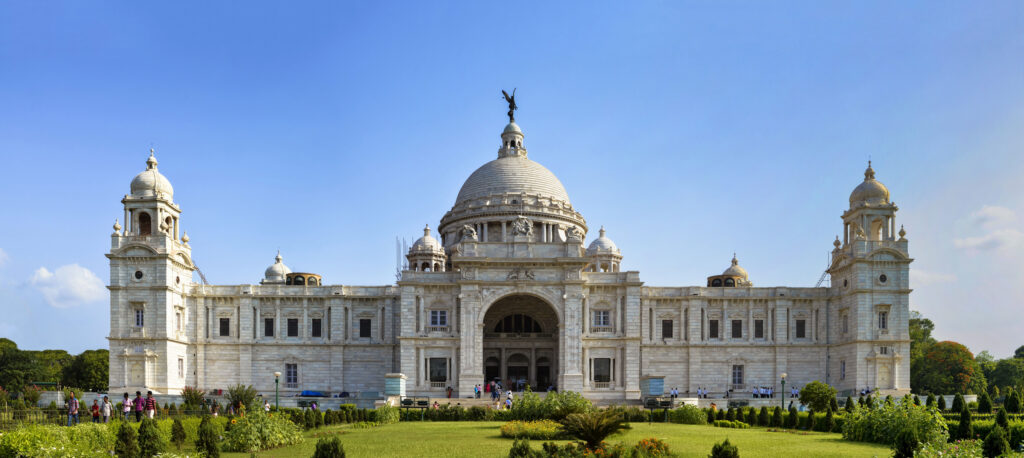
Image Source: Subhrajyoti07
About Victoria Memorial
Standing gracefully in the heart of Kolkata, the Victoria Memorial is one of the most magnificent reminders of India’s colonial past. Surrounded by sprawling green gardens and built entirely from gleaming white marble, the monument is not just an architectural masterpiece but also an important cultural landmark. Often called the “Taj of the Raj,” the memorial reflects the grandeur of the British Empire while also narrating India’s journey through history.
The memorial was commissioned in 1906 by Lord Curzon after the death of Queen Victoria in 1901. Curzon envisioned it as a grand tribute to the British monarch and a symbol of imperial authority in India. After years of construction, the monument was finally completed in 1921 and soon became one of the most recognizable structures in eastern India. Today, however, the Victoria Memorial has evolved far beyond its colonial origins. It now serves as a museum, cultural institution, and historical archive that attracts millions of visitors every year.
Architecture of Victoria Memorial
One of the first things visitors notice about the Victoria Memorial is its breathtaking architecture. Built using pristine Makrana marble from Rajasthan—the same marble used in the Taj Mahal—the monument shines brilliantly under sunlight and takes on a magical glow during the evening.
The design of the structure is a fascinating blend of architectural styles. Primarily built in the Indo-Saracenic Revival style, it combines British classical architecture with Mughal, Venetian, Egyptian, and Islamic influences. Massive domes, elegant colonnades, intricately carved arches, and beautifully designed corridors all contribute to its royal appearance.
The central dome is crowned by the famous Angel of Victory statue, which rotates with the direction of the wind. Smaller domes and sculpted figures surround the main structure, adding further elegance to the building. Inside, marble floors, high ceilings, decorative galleries, and ornate staircases showcase the artistic sophistication of the colonial era.
Equally captivating are the memorial’s lush gardens spread across nearly 64 acres. Landscaped lawns, water bodies, flowering plants, and tree-lined pathways create a peaceful atmosphere that contrasts beautifully with the bustling streets of Kolkata outside.
Historical Importance
The Victoria Memorial was originally conceived as a monument celebrating the British Empire in India. During colonial times, it represented imperial pride and political dominance. However, over the decades, the meaning of the monument has evolved significantly.
Today, it stands not only as a reminder of colonial history but also as a place where visitors can understand India’s transformation from British rule to independence. The galleries and exhibitions inside the museum present both British perspectives and Indian nationalist narratives, making the memorial historically important from multiple viewpoints.
For historians and scholars, the Victoria Memorial serves as an archive of colonial-era documents, artwork, and artifacts. For ordinary travelers, it offers a glimpse into a period that shaped modern Indian society, politics, art, and urban culture.
Museum and Galleries
The Victoria Memorial Hall now functions as one of India’s most important museums under the Ministry of Culture. Housing more than 28,000 artifacts, the museum contains an extraordinary collection of historical objects and artworks.
Visitors can explore paintings, manuscripts, coins, rare books, statues, arms, textiles, maps, photographs, and personal belongings connected to British India. Among the most admired exhibits are oil paintings depicting British monarchs, governors, and scenes from colonial life.
The museum also displays works by celebrated artists such as Thomas Daniell and William Daniell, whose paintings captured landscapes and cities across India during the 18th and 19th centuries.
Several galleries inside the memorial are especially popular among visitors:
Royal Gallery
The Royal Gallery contains portraits of Queen Victoria, royal artifacts, and paintings illustrating important events from the British monarchy’s history.
Calcutta Gallery
This gallery showcases the transformation of Kolkata from a colonial trading settlement into one of British India’s most significant cities. Old maps, photographs, paintings, and models help visitors understand the city’s historical evolution.
National Leaders Gallery
Dedicated to India’s freedom struggle, this gallery features portraits and memorabilia associated with prominent Indian leaders who played major roles in the independence movement.
Sculpture Gallery
The Sculpture Gallery contains marble statues, busts, and bronze figures representing British officials, military leaders, and notable personalities from colonial India.
The Gardens and Evening Ambience
The gardens surrounding the memorial are among the most peaceful open spaces in Kolkata. Locals often visit for morning walks, photography, relaxation, or evening outings. During winter, the lawns become especially lively as families and tourists gather to enjoy the pleasant weather.
One of the most memorable experiences is visiting the memorial after sunset. The illuminated marble structure looks stunning against the night sky, with golden lights reflecting beautifully on the white stone. The atmosphere becomes calm and almost dreamlike, making it a favorite spot for photographers and couples.
The sound and light show organized in the evenings further enriches the experience. Through narration, music, and visual effects, the show tells the story of Kolkata and the British era in India.
Cultural Significance
The Victoria Memorial occupies a special place in Kolkata’s cultural identity. While it originated during colonial rule, today it is viewed more as a historical and artistic landmark than a political symbol.
The monument regularly hosts exhibitions, educational programs, seminars, cultural performances, and art events. Students, researchers, artists, and history enthusiasts frequently visit the site to engage with its collections and archives.
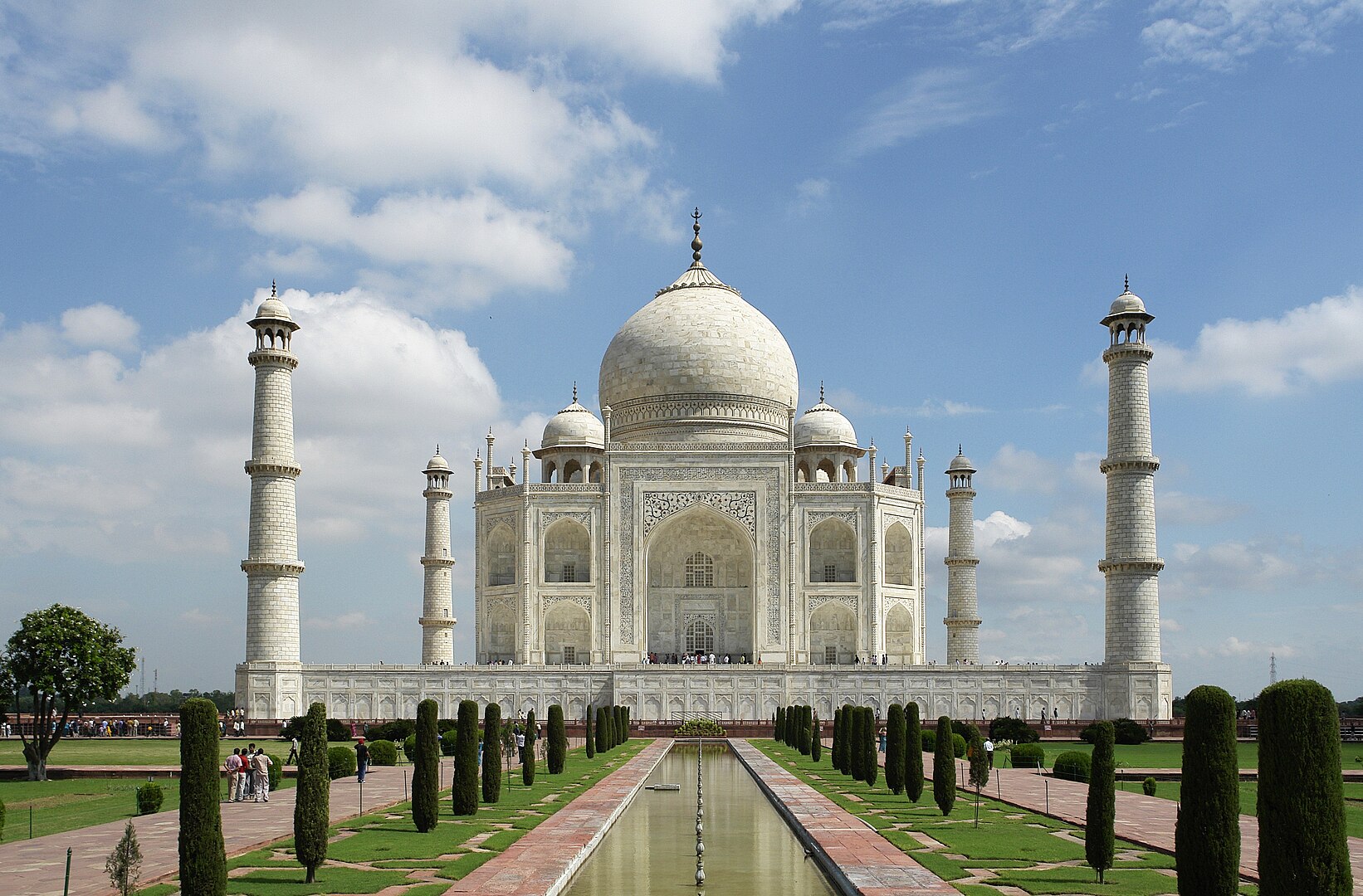
Its image has become closely associated with Kolkata itself, much like the Gateway of India is associated with Mumbai or the Taj Mahal with Agra.
Best Time to Visit
The best time to visit the Victoria Memorial is between October and March when Kolkata experiences cooler and more pleasant weather. Winter mornings and evenings are particularly enjoyable for exploring the gardens and museum.
Early morning visits are ideal for photography and peaceful walks, while evening visits allow travelers to witness the beautiful illumination of the monument.
How to Reach Victoria Memorial
The Victoria Memorial is located in central Kolkata near the Maidan area and is well connected to all parts of the city.
- The nearest metro stations are Maidan and Park Street.
- Taxis and app-based cabs are easily available throughout Kolkata.
- Public buses and the city’s historic tram network also provide convenient access.
- Netaji Subhas Chandra Bose International Airport is located around 20 kilometers away.
- Howrah Junction Railway Station is approximately 6 kilometers from the memorial.
Nearby Attractions to Victoria Memorial
- St. Paul’s Cathedral (Approx. 500 m)
A magnificent Gothic-style cathedral renowned for its stained-glass windows, elegant architecture, and peaceful surroundings. - Birla Planetarium (Approx. 700 m)
One of Asia’s largest planetariums, offering astronomy shows, interactive exhibits, and educational programs for visitors of all ages. - Maidan (Adjacent)
Kolkata’s largest urban green space, ideal for morning walks, horse carriage rides, sports, and relaxing amidst lush greenery. - Fort William (Approx. 2 km)
A historic star-shaped fort and the headquarters of the Eastern Command of the Indian Army, viewed from the surrounding Maidan area. - Alipore Zoological Garden (Approx. 2 km)
India’s oldest zoological park, home to a diverse collection of mammals, birds, reptiles, and conservation exhibits. - Indian Museum (Approx. 2 km)
India’s oldest and largest museum, featuring archaeological treasures, Egyptian mummies, fossils, sculptures, and natural history collections.
Travel Tips for Visitors
- Carry comfortable walking shoes because the gardens and galleries require a fair amount of walking.
- Photography may be restricted inside certain galleries, so checking the rules beforehand is recommended.
- Visiting during weekdays is usually better if you want to avoid heavy crowds.
- Spend at least two to three hours exploring both the museum and the gardens properly.
- Evening visits are highly recommended for the illumination and pleasant atmosphere.
Google Maps
FAQs
Why is Victoria Memorial famous?
The Victoria Memorial is famous for its grand colonial architecture, historical museum, beautiful gardens, and cultural significance in Kolkata. It is considered one of India’s finest heritage monuments.
Who built the Victoria Memorial?
The memorial was commissioned by Lord Curzon, the Viceroy of India, in memory of Queen Victoria after her death in 1901.
Why is it called the “Taj of the Raj”?
The monument is often called the “Taj of the Raj” because of its white marble construction and its association with the British Empire, similar to how the Taj Mahal symbolizes Mughal grandeur.
What can visitors see inside the museum?
Visitors can explore paintings, sculptures, manuscripts, historical artifacts, rare books, maps, weapons, and galleries related to colonial India and India’s independence movement.
Is photography allowed inside Victoria Memorial?
Photography is generally allowed in the gardens and outdoor areas, but restrictions may apply inside museum galleries.
What is the best time to visit Victoria Memorial?
The winter months from October to March are considered the best time due to pleasant weather and comfortable sightseeing conditions.
How much time is needed to explore Victoria Memorial?
Most visitors spend around two to three hours exploring the museum, galleries, and gardens comfortably.
Is Victoria Memorial suitable for families and children?
Yes, the memorial is an excellent destination for families, students, photographers, and history lovers. The open gardens and educational exhibits make it enjoyable for visitors of all ages.