Image Source: Wikimedia
About Motijheel Palace
Nestled in the historic town of Murshidabad in West Bengal, Motijheel Palace is one of the region’s most intriguing heritage landmarks. Often called the “Palace of Pearls,” this centuries-old site carries stories of royal luxury, political conspiracies, and the dramatic turning points that changed the history of Bengal forever.
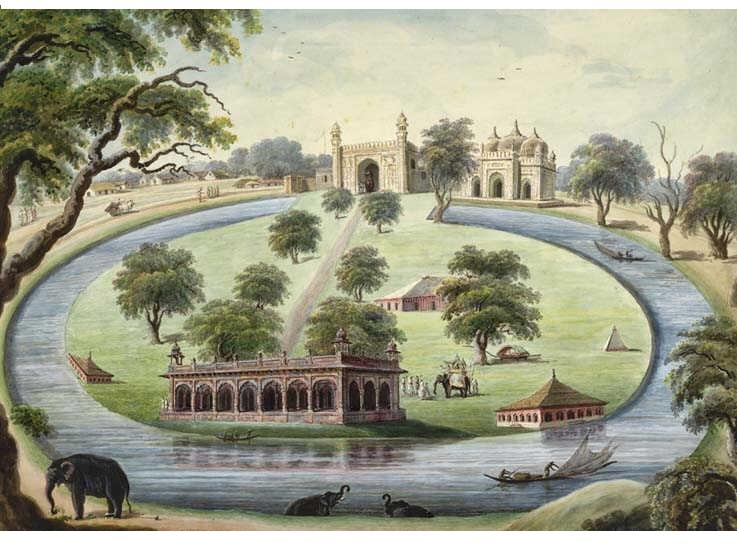
Built during the 18th century by Nawazish Muhammad Khan, the son-in-law of Nawab Alivardi Khan and husband of the influential Ghaseti Begum, the palace once stood as a symbol of wealth and aristocratic grandeur. The palace complex was developed beside a beautiful horseshoe-shaped water body known as Motijheel, which literally means “Pearl Lake.” According to local legends, the lake shimmered like pearls under the sunlight, giving the place its poetic name.
Today, although much of the palace lies in ruins, the atmosphere around Motijheel still feels deeply historical. Walking through the remains of old walls, pathways, and gardens gives visitors a glimpse into Murshidabad’s glorious Nawabi past.
History
Motijheel Palace occupies a special place in Indian history because of its connection to the events leading up to the Battle of Plassey in 1757. Historians believe that secret political discussions and alliances took place in this area before the fall of Siraj-ud-Daulah, the last independent Nawab of Bengal.
It is often associated with Mir Jafar’s betrayal of Siraj-ud-Daulah, an incident that paved the way for the British East India Company to establish its control over Bengal. This moment eventually marked the beginning of British colonial dominance in India.
The palace also became associated with Warren Hastings, who later served as the first Governor-General of India. For a brief period, he reportedly used the palace complex as a residence. Because of these historical links, Motijheel is not just an architectural site but also a witness to one of the most decisive political transformations in Indian history.
Architecture and Surroundings
Although time has weathered much of the structure, the remnants of Motijheel Palace still showcase elements of elegant Mughal-era architecture. The palace originally featured spacious halls, arched corridors, decorative verandas, and beautifully planned courtyards. The surrounding gardens were designed to create a peaceful retreat for the Nawabs and visiting dignitaries.
The crescent-shaped Motijheel Lake remains the highlight of the complex. The calm waters reflect the surrounding greenery and ruins, creating a scenic and almost nostalgic atmosphere. During winter mornings, the area often appears wrapped in mist, adding a mysterious charm to the site.
Nearby, visitors can also spot old colonial structures, mosques, and historical remains connected to Murshidabad’s Nawabi heritage. The palace area is quieter compared to the more crowded Hazarduari Palace, making it ideal for travelers who enjoy peaceful historical exploration.
Cultural Importance
Motijheel Palace is more than a ruined monument—it represents the fading glory of Bengal’s Nawabs and the beginning of colonial rule in eastern India. Local people still speak about the palace with a mix of pride and melancholy because it symbolizes both Murshidabad’s royal splendor and its political downfall.
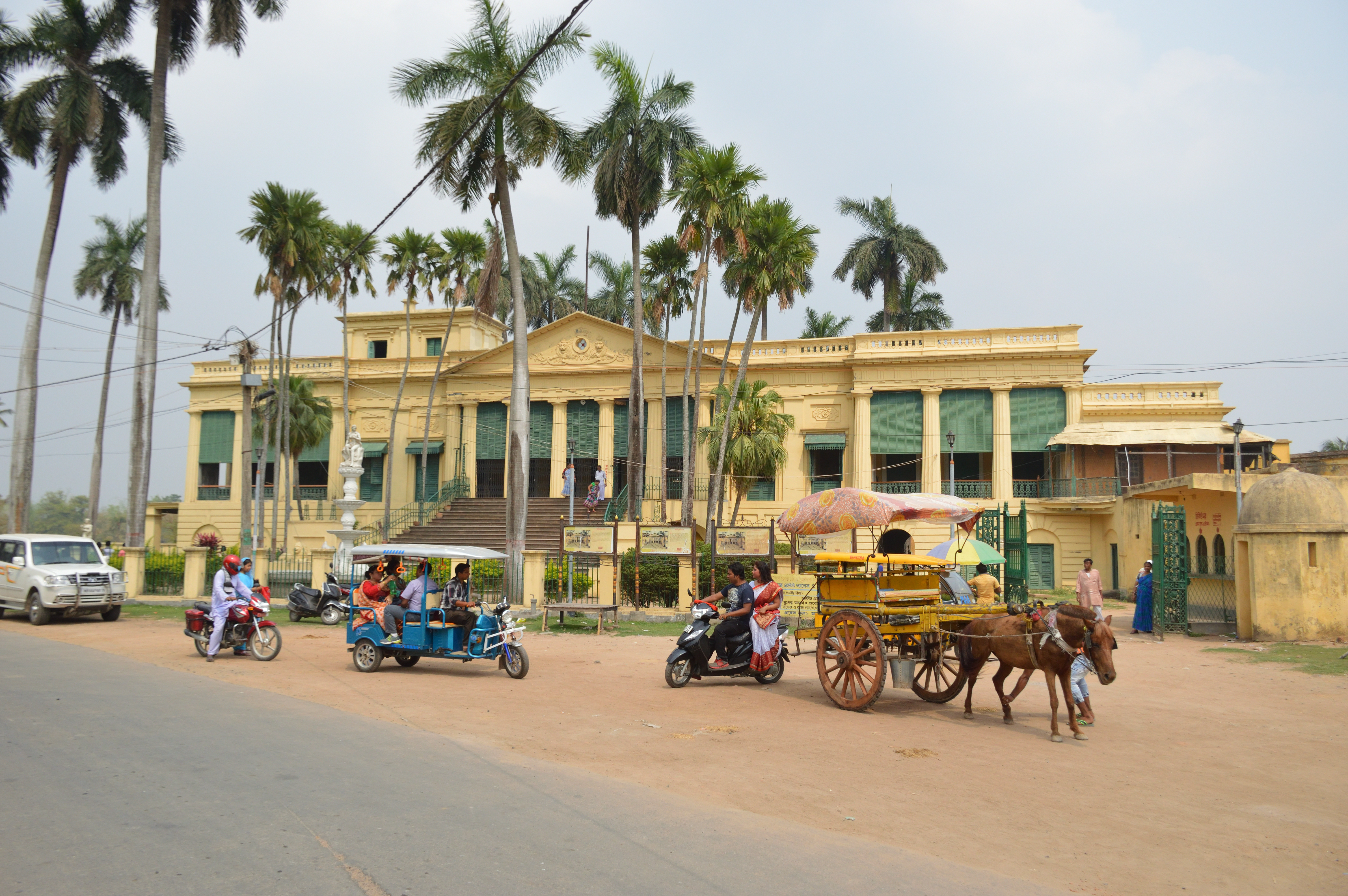
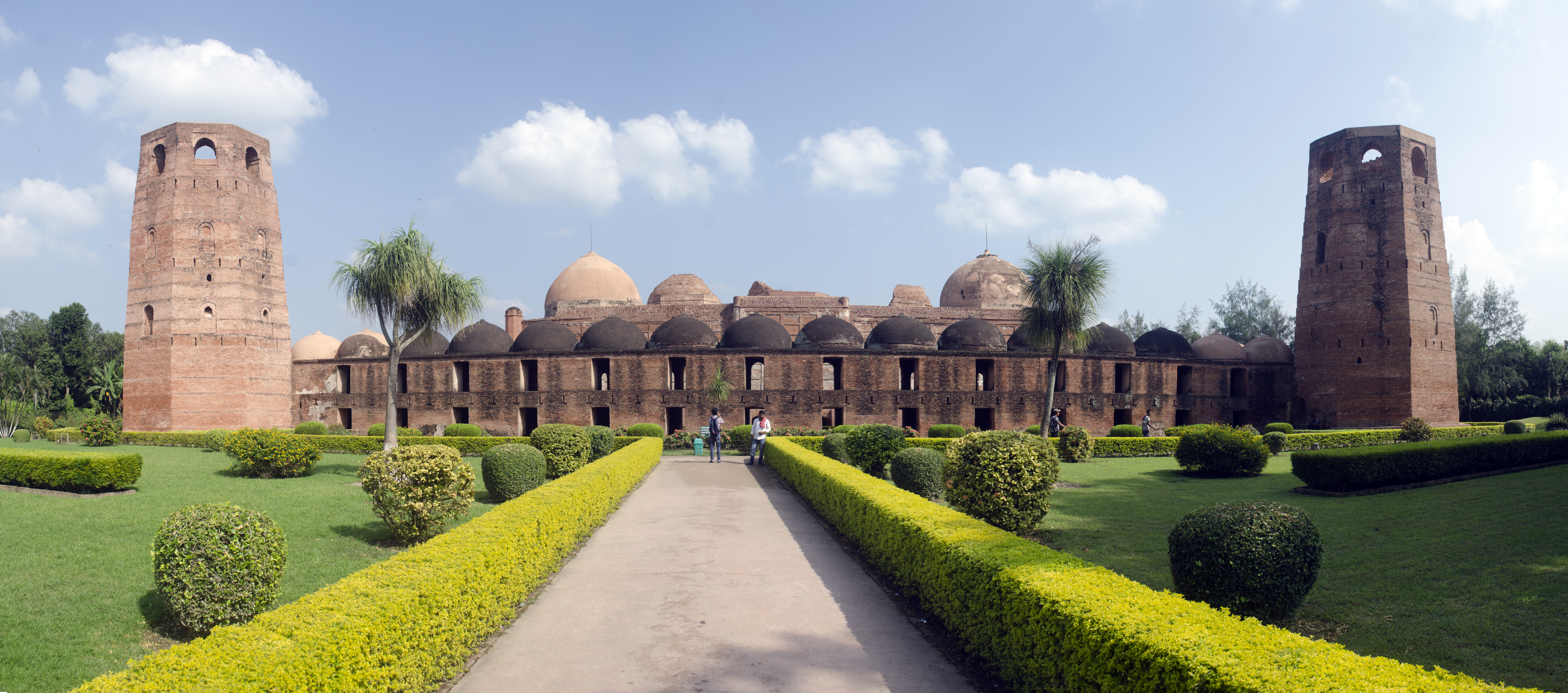
The site forms an important part of Murshidabad’s cultural tourism circuit along with places like Hazarduari Palace, Katra Mosque, Kathgola Palace, and Nashipur Rajbari. History enthusiasts, researchers, and students frequently visit the palace to better understand Bengal’s transition from Nawabi rule to British administration.
Visitor Experience
A visit to Motijheel Palace offers a quiet and reflective experience. Unlike some heavily commercialized tourist attractions, the atmosphere here feels calm and old-world. Visitors can walk around the ruins, relax near the lake, and observe the fading traces of a once-powerful royal establishment.
The lakefront area is particularly popular among photographers because of its scenic reflections, ancient surroundings, and natural beauty. During the evening hours, the soft sunlight over the water creates a picturesque setting.
Travelers visiting Murshidabad often combine a trip to Motijheel Palace with nearby attractions such as Hazarduari Palace Museum, Katra Mosque, and Wasif Manzil to explore the city’s rich Nawabi heritage in a single day.
Best Time to Visit
The best time to visit Motijheel Palace is between October and March when the weather in Murshidabad remains pleasant and comfortable for sightseeing. Winters are especially enjoyable because the cool breeze around the lake makes the experience more refreshing.
Early mornings and late afternoons are considered the best times for photography and peaceful exploration.
Local Food and Nearby Attractions
While exploring Motijheel, visitors can also enjoy Murshidabad’s local flavors. The town is known for traditional Bengali sweets such as chanabora, rosogolla, and mihidana. Small eateries near Lalbagh serve authentic Bengali meals including fish curry, luchi, and kosha mangsho.
Nearby attractions include:
- Hazarduari Palace.
- Katra Mosque.
- Kathgola Palace.
- Nashipur Rajbari.
- Wasif Manzil.
- Jafarganj Cemetery.
These sites together provide a complete picture of Murshidabad’s royal and colonial history.
How to Reach Motijheel Palace
Motijheel Palace is located around 3 kilometers from the main Murshidabad town area in Lalbagh. Visitors can easily reach the site by auto-rickshaw, toto, cycle-rickshaw, or private taxi from Hazarduari Palace or Lalbagh Court Road.
The nearest railway station is Murshidabad Railway Station, which has regular train connectivity with Kolkata and several towns across West Bengal. Travelers coming from Kolkata usually take trains to Murshidabad, Berhampore Court, or Azimganj and then hire local transport to reach the palace.
The nearest airport is Netaji Subhas Chandra Bose International Airport in Kolkata, located roughly 200 kilometers away.
Nearby Attractions
- Kathgola Palace (Approx. 2 km)
A grand 19th-century mansion built by a wealthy Jain merchant family, known for its European-style architecture, gardens, and antique collections. - Hazarduari Palace (Approx. 4 km)
A famous historic palace with 1,000 doors and a museum showcasing royal artifacts, weapons, paintings, and Nawabi heritage. - Katra Mosque (Approx. 4 km)
A major Mughal-era mosque built by Nawab Murshid Quli Khan, also housing his tomb. - Nizamat Imambara (Approx. 4.5 km)
One of the largest imambaras in India, known for its grand halls, religious importance, and stunning architecture. - Jahan Kosha Cannon (Approx. 4 km)
A massive 17th-century cannon, one of the largest in India, reflecting Murshidabad’s military history. - Wasif Manzil (Approx. 5 km)
A beautiful palace-like structure overlooking the Bhagirathi River, known for its royal heritage and scenic views.
Google Maps
FAQs
1. Why is Motijheel Palace famous?
Motijheel Palace is famous for its connection to the Nawabs of Bengal and the events leading up to the Battle of Plassey in 1757. It is considered an important historical site in Murshidabad.
2. Who built Motijheel Palace?
The palace was built in the 18th century by Nawazish Muhammad Khan, the husband of Ghaseti Begum and son-in-law of Nawab Alivardi Khan.
3. What does “Motijheel” mean?
The word “Motijheel” translates to “Pearl Lake.” The name comes from the beautiful crescent-shaped lake surrounding the palace.
4. Is Motijheel Palace suitable for photography?
Yes, the ruins, lake views, greenery, and historical atmosphere make it an excellent spot for photography, especially during sunrise and sunset.
5. What are the nearby attractions to visit along with Motijheel Palace?
Visitors usually combine their trip with Hazarduari Palace, Katra Mosque, Kathgola Palace, Nashipur Rajbari, and Wasif Manzil.
6. What is the best season to visit Motijheel Palace?
Winter months from October to March are considered the best time to visit because the weather remains cool and pleasant.
7. How much time is needed to explore Motijheel Palace?
Most visitors spend around 1 to 2 hours exploring the palace ruins, lake area, and nearby surroundings.