Image Source: Jigyasu
About the Kumarakom Backwaters
Tucked away in the heart of Kerala’s lush landscape, the Kumarakom Backwaters are among the most peaceful and enchanting destinations in South India. Located along the shores of the vast Vembanad Lake in the Kottayam district, Kumarakom is a place where calm waters, swaying coconut palms, and traditional village life come together to create an unforgettable experience. Often described as the soul of Kerala’s backwater tourism, this beautiful region offers travelers a slower, more meaningful way to experience nature and local culture.
Unlike crowded hill stations or busy beach towns, Kumarakom invites visitors to relax and absorb the rhythm of life on the water. Whether it is gliding through narrow canals on a houseboat, watching migratory birds settle over the wetlands at sunset, or enjoying authentic Kerala cuisine prepared with freshly caught fish, every moment here feels deeply connected to nature.
Geography and Natural Beauty
Kumarakom is situated around 13 kilometers from Kottayam and consists of a cluster of tiny islands scattered across the famous Vembanad Lake, the largest lake in Kerala. The backwater system is formed by a fascinating network of lagoons, canals, rivers, and waterways that are fed by rivers such as the Meenachil, Pampa, and Manimala.
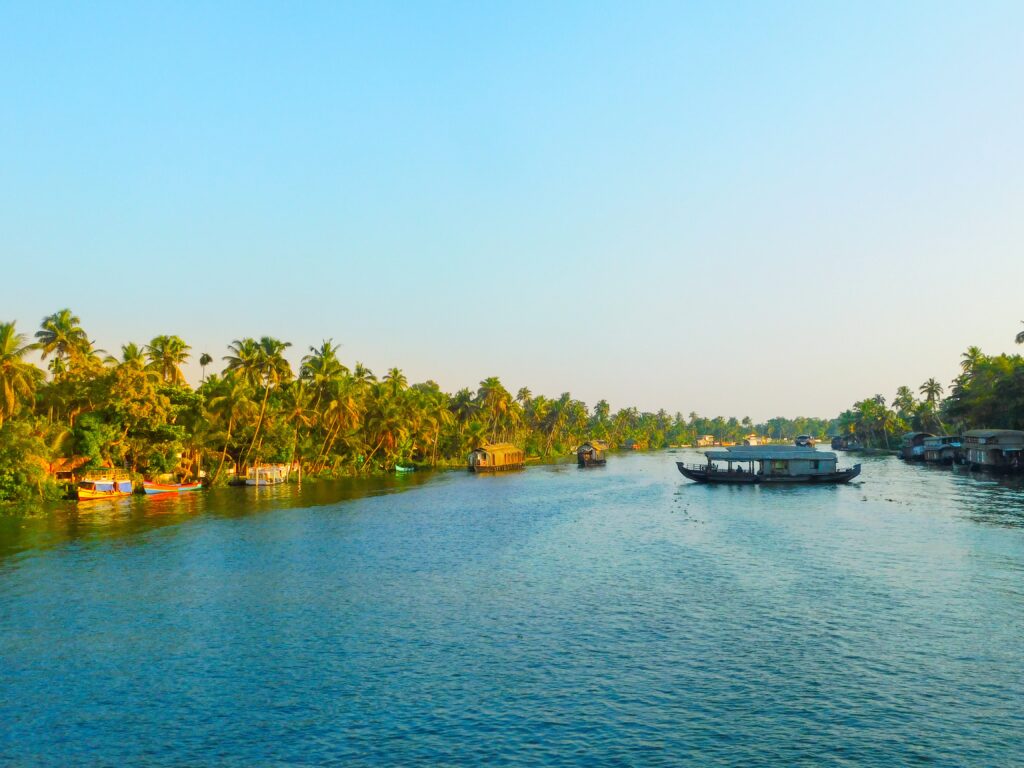
The scenery here feels almost dreamlike. Long stretches of emerald paddy fields border the waterways, while dense mangroves and rows of coconut trees reflect beautifully on the still waters. Small wooden boats drift quietly between villages, fishermen cast their nets at dawn, and locals move through canals as naturally as people elsewhere travel by roads.
Kumarakom is also part of the larger Kuttanad region, famously known as the “Rice Bowl of Kerala.” What makes this region extraordinary is that farming is carried out below sea level, a rare agricultural practice found in only a few parts of the world.
Houseboat Cruises: The Heart of Kumarakom
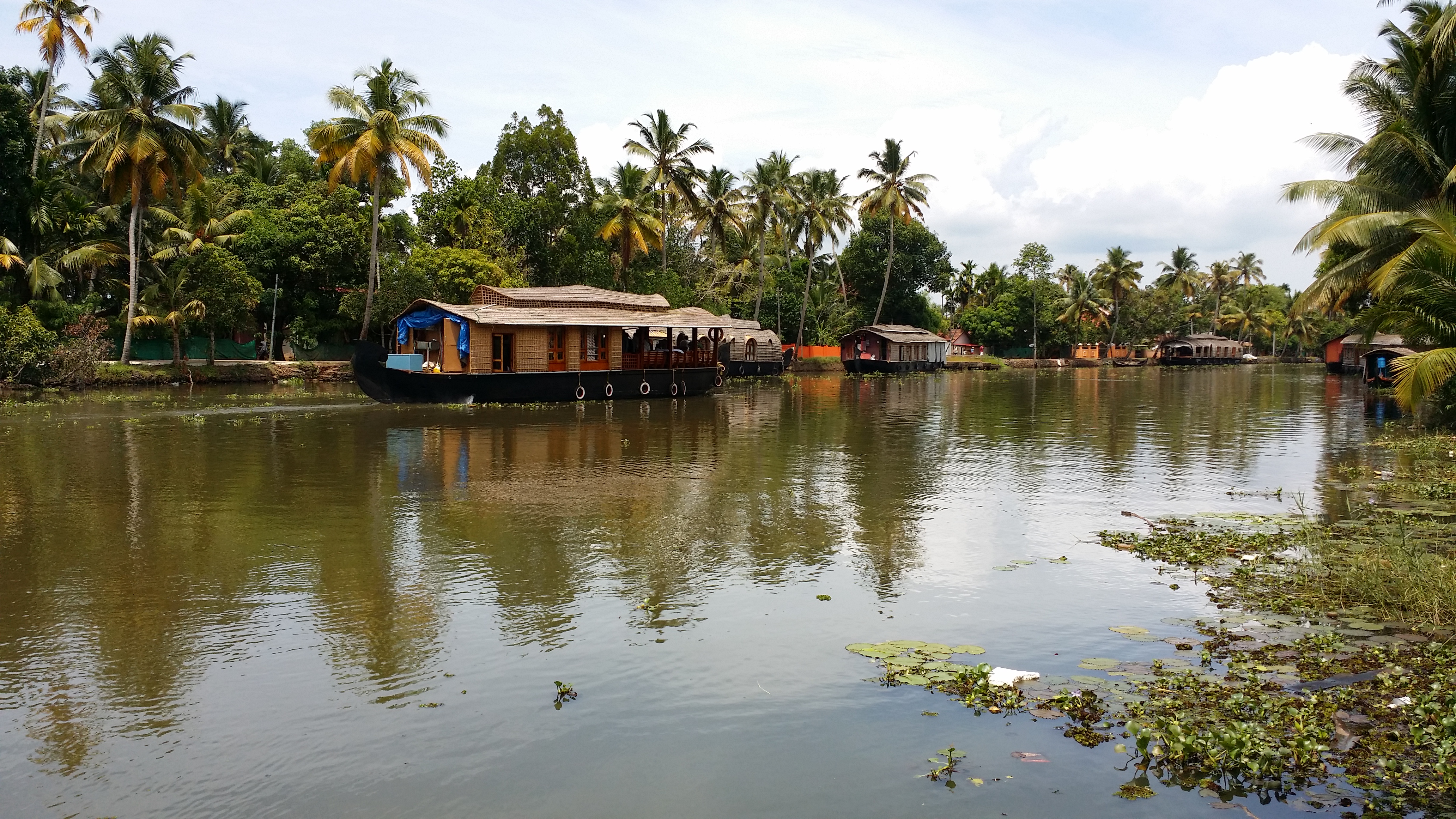
One of the biggest attractions in Kumarakom is its iconic houseboat cruises. These traditional boats, locally called kettuvallams, were once used to transport rice and spices across Kerala’s waterways. Today, they have been transformed into floating homes complete with bedrooms, dining spaces, and open decks for sightseeing.
A houseboat journey through Kumarakom is less about rushing from one destination to another and more about enjoying the journey itself. As the boat moves slowly through narrow canals and open stretches of lake, travelers can witness everyday village life unfold along the banks. Children wave from small jetties, women wash clothes by the water, fishermen sort their catch, and farmers tend to endless paddy fields.
Many visitors choose overnight cruises to experience the magical atmosphere of the backwaters after sunset. The silence of the water, broken only by the sound of birds and rippling waves, creates an experience that feels incredibly peaceful and restorative.
Kumarakom Bird Sanctuary
Nature lovers and birdwatchers are especially drawn to the famous Kumarakom Bird Sanctuary, located near the banks of Vembanad Lake. Spread across about 14 acres, the sanctuary is home to a rich variety of local and migratory birds.
During the migratory season, birds from faraway regions such as Siberia visit the wetlands, making the sanctuary a paradise for photographers and wildlife enthusiasts. Visitors can spot egrets, kingfishers, herons, cormorants, darters, and occasionally migratory ducks and cranes. Early mornings are considered the best time to explore the sanctuary, when the air is cool and bird activity is at its peak.
The sanctuary can be explored on foot or by canoe, allowing visitors to quietly move through the wetlands without disturbing the natural habitat.
Experiencing Village Life
One of Kumarakom’s greatest charms lies in its authentic village culture. Unlike heavily commercialized tourist destinations, the villages around the backwaters still preserve traditional lifestyles that have existed for generations.
Travelers often get the opportunity to observe coir-making, where coconut fibers are woven into ropes and mats by hand. Toddy tapping, another age-old tradition, is commonly practiced here. Locals climb coconut trees to collect fresh toddy, a mildly fermented drink that forms an important part of Kerala’s rural culture.
Fishing is another essential part of daily life. Chinese fishing nets can often be seen along the waterways, especially during sunrise and sunset. Staying in local homestays gives visitors a chance to interact with families, taste homemade food, and understand the warmth of Kerala’s hospitality.
Ayurvedic Wellness and Relaxation
Kumarakom has become a major destination for Ayurvedic wellness tourism. Surrounded by serene waters and greenery, the region provides the perfect setting for rejuvenation and healing.
Many resorts offer traditional Ayurvedic therapies designed to relax the body and mind. Treatments often include herbal massages, steam therapies, detox programs, and wellness packages based on centuries-old Ayurvedic principles. The monsoon season, especially from June to September, is considered one of the best times for Ayurvedic treatments because the cool and humid climate is believed to enhance the effectiveness of therapies.
For many travelers, Kumarakom is not just a sightseeing destination but also a retreat from stress and fast-paced urban life.
Activities on Vembanad Lake
While houseboats remain the most popular attraction, there are many other ways to enjoy the backwaters of Kumarakom. Visitors can go canoeing through narrow canals for a more intimate experience of village life and wetlands. Speed boating is available for those seeking adventure, while sunset cruises offer breathtaking views of the sky turning orange and gold over the lake.
Fishing trips and kayaking have also become increasingly popular among travelers who want to explore quieter corners of the backwaters away from the usual tourist routes.
Festivals and Cultural Celebrations
The culture of Kumarakom comes alive during Kerala’s festival season. The celebration of Onam is particularly vibrant, with homes decorated with floral arrangements, traditional dances performed in villages, and festive meals served on banana leaves.
The famous snake boat races held on Vembanad Lake during the monsoon season attract visitors from around the world. Long, beautifully decorated boats rowed by large teams move rhythmically across the water while crowds cheer from the banks. These races are not just sporting events but a celebration of Kerala’s deep connection with its waterways and community traditions.
Food and Culinary Experiences
Food is an essential part of the Kumarakom experience. The cuisine here reflects Kerala’s love for spices, coconut, seafood, and traditional cooking methods.
One of the most famous local dishes is Karimeen Pollichathu, a pearl spot fish marinated with spices, wrapped in banana leaf, and roasted to perfection. Fresh prawn curry cooked with coconut milk is another local favorite. Soft appams paired with vegetable or chicken stew are commonly served for breakfast, while the rich and flavorful Kuttanadan duck roast remains a must-try delicacy for meat lovers.
Meals on houseboats are often freshly prepared using locally sourced ingredients. Visitors are usually treated to authentic Kerala-style lunches featuring rice, curries, pickles, fried fish, and seasonal vegetables served traditionally on banana leaves.
Best Time to Visit Kumarakom
The most popular time to visit Kumarakom is between November and March, when the weather remains pleasant and ideal for sightseeing, birdwatching, and houseboat cruises. The cooler temperatures make outdoor activities much more comfortable during this period.
The monsoon season from June to September transforms the region into a lush green paradise. Although heavy rains are common, this season has its own charm. The rain-washed landscapes look incredibly beautiful, tourist crowds are smaller, and Ayurvedic therapies are considered most beneficial during these months.
August is especially exciting because of the traditional boat races associated with the Onam festival.
How to Reach Kumarakom Backwaters
Nestled along the shores of the vast Kumarakom Backwaters, Kumarakom is one of Kerala’s most popular backwater destinations. Known for its houseboat cruises, canals, coconut groves, and bird sanctuary, it is easily accessible by air, rail, road, and water.
By Air
The nearest airport is Cochin International Airport, located about 75 km from Kumarakom. The airport is well connected to major Indian cities and international destinations. From the airport, visitors can hire taxis or take buses to reach Kumarakom in approximately 2 to 2.5 hours.
By Train
The nearest railway station is Kottayam Railway Station, situated around 14 km from Kumarakom. Regular trains connect Kottayam with cities such as Kochi, Thiruvananthapuram, Chennai, Bengaluru, and Mumbai. Taxis, auto-rickshaws, and local buses are readily available outside the station.
By Road
Kumarakom enjoys excellent road connectivity with major towns and cities in Kerala.
- Kottayam: approximately 14 km
- Kochi: approximately 50 km
- Alappuzha: approximately 35 km
- Thiruvananthapuram: approximately 165 km
Regular KSRTC and private buses operate between Kottayam and Kumarakom. Visitors can also drive through scenic village roads lined with paddy fields and coconut palms.
By Water
One of the most memorable ways to reach Kumarakom is via Kerala’s backwater network. Houseboats, passenger boats, and luxury cruises operate from Alappuzha Backwaters and nearby jetties. The boat journey offers stunning views of canals, villages, and Vembanad Lake.
Nearest Major Access Points
- Kottayam – 14 km.
- Alappuzha – 35 km.
- Kochi – 50 km.
- Vembanad Lake – Adjacent to Kumarakom.
Nearby Attractions
Several attractions near Kumarakom can easily be included in a backwater itinerary.
Pathiramanal Island is a small island on Vembanad Lake known for its migratory birds and peaceful environment. It is accessible mainly by boat and is popular among birdwatchers.
The Bay Island Driftwood Museum displays fascinating sculptures and artistic creations made entirely from driftwood collected from rivers and seas.
Aruvikkuzhi Waterfalls offers a scenic escape surrounded by rubber plantations and greenery, especially during the monsoon season.
Visitors can also explore Kottayam, a town known for its historic churches, temples, rubber plantations, and literary heritage.
Why Kumarakom Feels Special
What truly sets Kumarakom apart is not just its scenic beauty but the atmosphere of calmness it creates. Life moves slowly here, guided by the rhythm of water and nature. It is a destination where travelers can disconnect from busy schedules and reconnect with simplicity, silence, and tradition.
Whether you are seeking romance, relaxation, wildlife, photography, wellness, or cultural experiences, Kumarakom offers all of it in a setting that feels timeless and deeply authentic.
Google Maps
FAQs
What is Kumarakom famous for?
Kumarakom is famous for its scenic backwaters, luxury houseboat cruises, bird sanctuary, Ayurvedic resorts, and peaceful village life along Vembanad Lake.
How many days are enough for Kumarakom?
A stay of 2 to 3 days is ideal for exploring the backwaters, enjoying a houseboat cruise, visiting the bird sanctuary, and experiencing local culture and cuisine.
Is Kumarakom better than Alleppey?
Both destinations are beautiful, but they offer slightly different experiences. Kumarakom is generally quieter and more relaxed, while Alleppey is busier and more commercialized with a larger number of houseboats.
What is the best season for a houseboat stay?
The winter season from November to March is considered the best time for houseboat stays because of the pleasant weather and clear skies.
Can families visit Kumarakom?
Yes, Kumarakom is suitable for families, couples, solo travelers, and senior citizens. The calm environment and comfortable resorts make it an excellent family-friendly destination.
Are houseboats in Kumarakom expensive?
Houseboat prices vary depending on the type of boat, facilities, and duration of the stay. Budget, deluxe, and luxury options are available for different travel preferences.
Is Kumarakom good for birdwatching?
Absolutely. The Kumarakom Bird Sanctuary is one of Kerala’s best birdwatching spots, especially during the migratory season.
What food should I try in Kumarakom?
Some must-try dishes include Karimeen Pollichathu, Kerala prawn curry, appam with stew, Kuttanadan duck roast, and traditional Kerala sadhya meals.