About Pong Lake
When travelers think of Himachal Pradesh, destinations like Shimla, Manali, Dharamshala, Kasol, Kinnaur, and Chamba usually come to mind. However, tucked away in the foothills of the majestic Dhauladhar Range lies a lesser-known natural wonder that offers a completely different experience from the state’s mountain destinations. Pong Lake, also known as Maharana Pratap Sagar, is one of Kangra district’s most remarkable yet underrated attractions.
Created by the construction of the Pong Dam across the Beas River, this vast reservoir stretches across a breathtaking landscape of hills, forests, wetlands, and open waters. Named in honor of the legendary Rajput ruler Maharana Pratap, the lake has become one of India’s most important ecological habitats and a paradise for nature lovers, birdwatchers, photographers, and wildlife enthusiasts.
Ecological Importance of Pong Lake
Pong Lake is far more than just a scenic reservoir. It is internationally recognized as a wetland of immense ecological significance. In November 2002, the lake was designated as a Ramsar Site, placing it among the world’s internationally important wetlands. It is also one of India’s most significant freshwater reservoirs and plays a crucial role in maintaining biodiversity in the Himalayan foothills.
Recognizing its environmental value, the Government of Himachal Pradesh declared the entire reservoir area a wildlife sanctuary in 1983. Later, in 1994, it was officially recognized as a Wetland of National Importance. Today, Pong Lake serves as a vital habitat for numerous plant and animal species and contributes significantly to conservation efforts in northern India.
A Winter Haven for Migratory Birds
One of the most fascinating aspects of Pong Lake is its spectacular bird migration season. Every winter, thousands of migratory birds arrive here from distant regions such as Siberia, Central Asia, Mongolia, and the Hindukush mountain ranges to escape extreme northern winters.
More than 220 bird species belonging to over 50 families have been recorded around the reservoir. During the peak migration season, the lake transforms into one of the finest birdwatching destinations in India.
Visitors frequently spot species such as the Bar-headed Goose, Brahminy Duck (Ruddy Shelduck), Northern Pintail, Common Teal, Gadwall, Northern Shoveler, Common Pochard, and various species of cormorants, herons, and egrets. The sight of thousands of birds floating across the shimmering waters against the backdrop of the Dhauladhar mountains is truly unforgettable.
The best time for birdwatching is between November and March when migratory bird populations are at their highest.
Flora Around the Reservoir
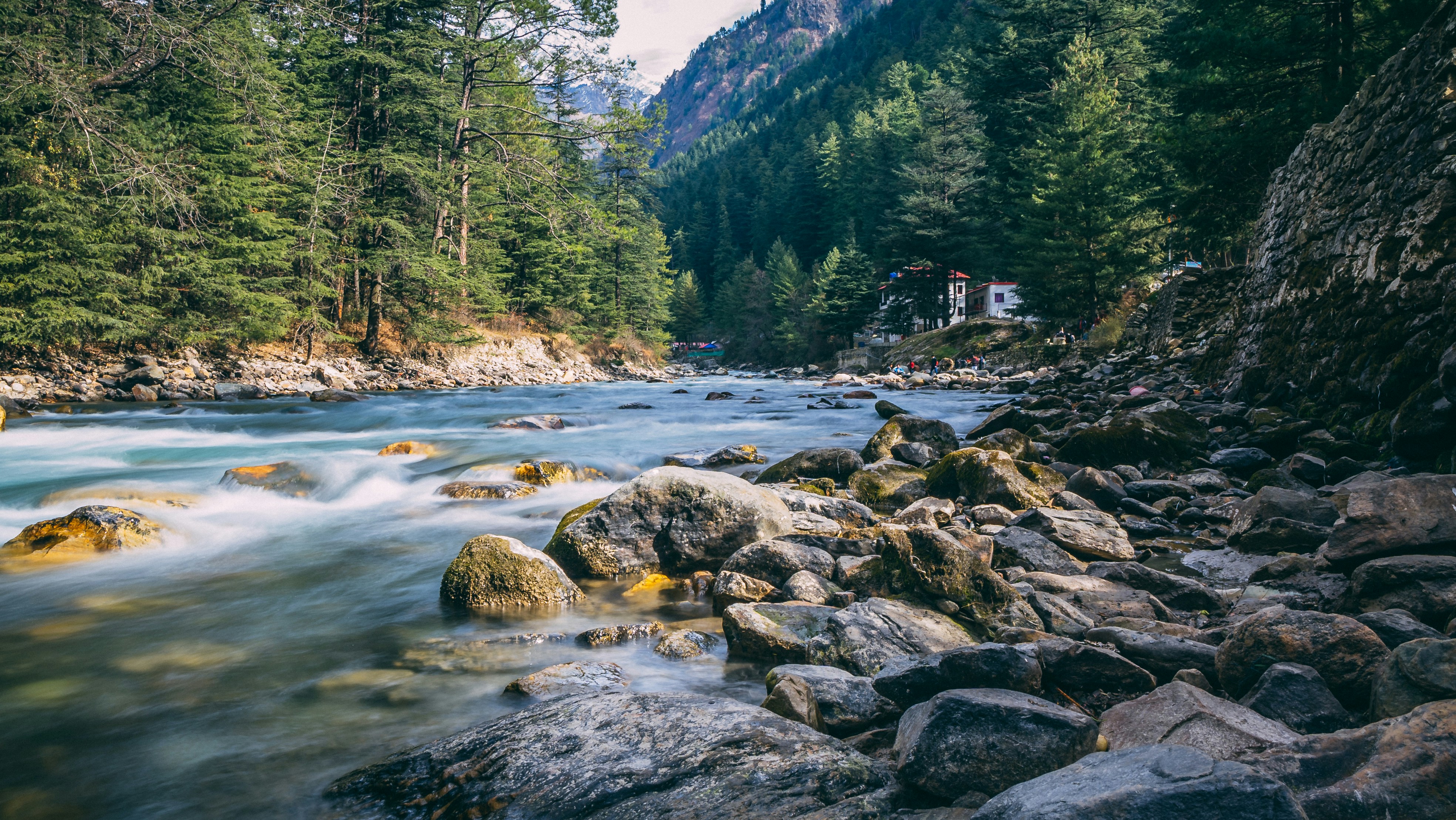
The landscape surrounding Pong Lake supports a rich variety of vegetation. Dense forest patches and woodland areas provide shelter to numerous wildlife species and contribute to the region’s ecological balance.
Common tree species found around the lake include sal, khair, shisham, sissoo, neem, jamun, eucalyptus, and acacia. The wetland environment also supports aquatic vegetation such as lotus, water lilies, duckweed, reeds, and water hyacinths, creating ideal breeding and feeding grounds for birds and fish.
During the monsoon and post-monsoon months, the surrounding landscape becomes particularly lush and vibrant, enhancing the lake’s natural beauty.
Wildlife and Aquatic Life
Apart from its bird population, Pong Lake supports a diverse aquatic ecosystem. The reservoir is rich in fish species including rohu, catla, mrigal, mahseer, and common carp. Fishing remains an important source of livelihood for many local communities living around the lake.
The sanctuary area is also home to mammals such as wild boar, barking deer, sambhar, jungle cats, and several smaller wildlife species. The combination of wetlands, forests, and grasslands creates a thriving ecosystem that supports a remarkable variety of life.
Adventure and Recreational Activities
Pong Lake offers much more than wildlife viewing. To promote eco-tourism and adventure tourism, several water-based activities are organized around the reservoir.
Visitors can enjoy boating, sailing, rowing, canoeing, kayaking, and paddling while taking in panoramic views of the surrounding hills and open waters. Photography enthusiasts often visit during sunrise and sunset when the reflections on the lake create stunning landscapes.
Nature walks, birdwatching tours, and camping experiences around selected areas of the reservoir have also become increasingly popular among travelers seeking peaceful outdoor experiences away from crowded tourist destinations.
Best Time to Visit Pong Lake
The ideal time to visit Pong Lake depends on the experience you are looking for.
For birdwatching, November to March is the best period, as migratory birds arrive in large numbers. The weather remains pleasant and visibility is excellent for photography.
For boating, sightseeing, and enjoying the natural surroundings, October to April offers comfortable temperatures. The monsoon season brings lush greenery but may affect accessibility in some areas.
How to Reach Pong Lake
By Air
The nearest airport is Kangra Airport, located approximately 55–60 km from the reservoir. Regular flights connect the airport with Delhi and other major cities. From the airport, taxis can be hired to reach Pong Lake.
By Rail
The closest major railway station is Pathankot Railway Station, about 100 km away. Pathankot is well connected to Delhi, Chandigarh, Jammu, and other important cities. Travelers can continue their journey by taxi or bus.
By Road
Pong Lake is well connected by road to Kangra, Dharamshala, Dehra Gopipur, Hamirpur, and Pathankot. The most convenient access points are through Dehra Gopipur and Nagrota Surian. Regular Himachal Road Transport buses and private taxis operate from nearby towns.
A road trip to Pong Lake is particularly scenic, offering views of rural Kangra, tea gardens, forests, and the distant Dhauladhar peaks.
Nearby Attractions
Masroor Rock Cut Temples
Located about 40 km away, these magnificent monolithic temples are often referred to as the “Ellora of Himachal Pradesh.” Carved directly into sandstone rock, they represent one of the state’s most remarkable archaeological sites.
Pragpur Heritage Village
India’s first declared heritage village, Pragpur is known for its traditional architecture, cobbled streets, and old-world charm.
Dehra Gopipur
A historic town on the banks of the Beas River that serves as a gateway to Pong Lake and offers beautiful views of the surrounding countryside.
Jwala Devi Temple
One of the revered Shakti Peethas of India, famous for its eternal natural flames that emerge from the rock.
Kangra Fort
One of India’s oldest forts, offering fascinating insights into the history of the Kangra Valley and spectacular views of the surrounding landscape.
Maps
FAQs
1. Why is Pong Lake famous?
Pong Lake is famous for its Ramsar wetland status, rich biodiversity, migratory bird population, scenic beauty, and water-based recreational activities.
2. What is the best time to visit Pong Lake?
The best time to visit is from November to March, especially for birdwatching and wildlife photography.
3. Are boating facilities available at Pong Lake?
Yes, boating, canoeing, kayaking, sailing, and other water sports activities are available during suitable seasons.
4. Which migratory birds can be seen at Pong Lake?
Visitors commonly spot Bar-headed Geese, Brahminy Ducks, Northern Pintails, Gadwalls, Common Teals, and several other migratory species.
5. Is Pong Lake a wildlife sanctuary?
Yes, the entire reservoir area was declared a wildlife sanctuary in 1983 to protect its rich biodiversity.
6. How far is Pong Lake from Dharamshala?
Pong Lake is approximately 70–80 km from Dharamshala, depending on the route taken.
7. Can photographers visit Pong Lake for bird photography?
Absolutely. Pong Lake is considered one of the best bird photography destinations in northern India, especially during the winter migration season.