Image Source: Amudha HariHaran
About Debrigarh Wildlife Sanctuary
Tucked away in the western part of Odisha, Debrigarh Wildlife Sanctuary is one of the most beautiful and ecologically rich forest reserves in eastern India. Located near the vast Hirakud Reservoir and surrounded by the rugged Barapahad hills, the sanctuary offers a striking mix of forests, hills, grasslands, and water bodies. It is a destination where nature, wildlife, history, and adventure come together in a truly memorable way.
Spread across nearly 350 square kilometers, Debrigarh is known not only for its wildlife but also for its peaceful atmosphere and scenic landscapes. The sanctuary forms part of the larger Hirakud ecosystem, making it an important habitat for many species of animals and migratory birds. Whether someone is interested in wildlife photography, birdwatching, eco-tourism, or simply escaping into nature, Debrigarh provides an enriching experience.
Natural Beauty and Landscape
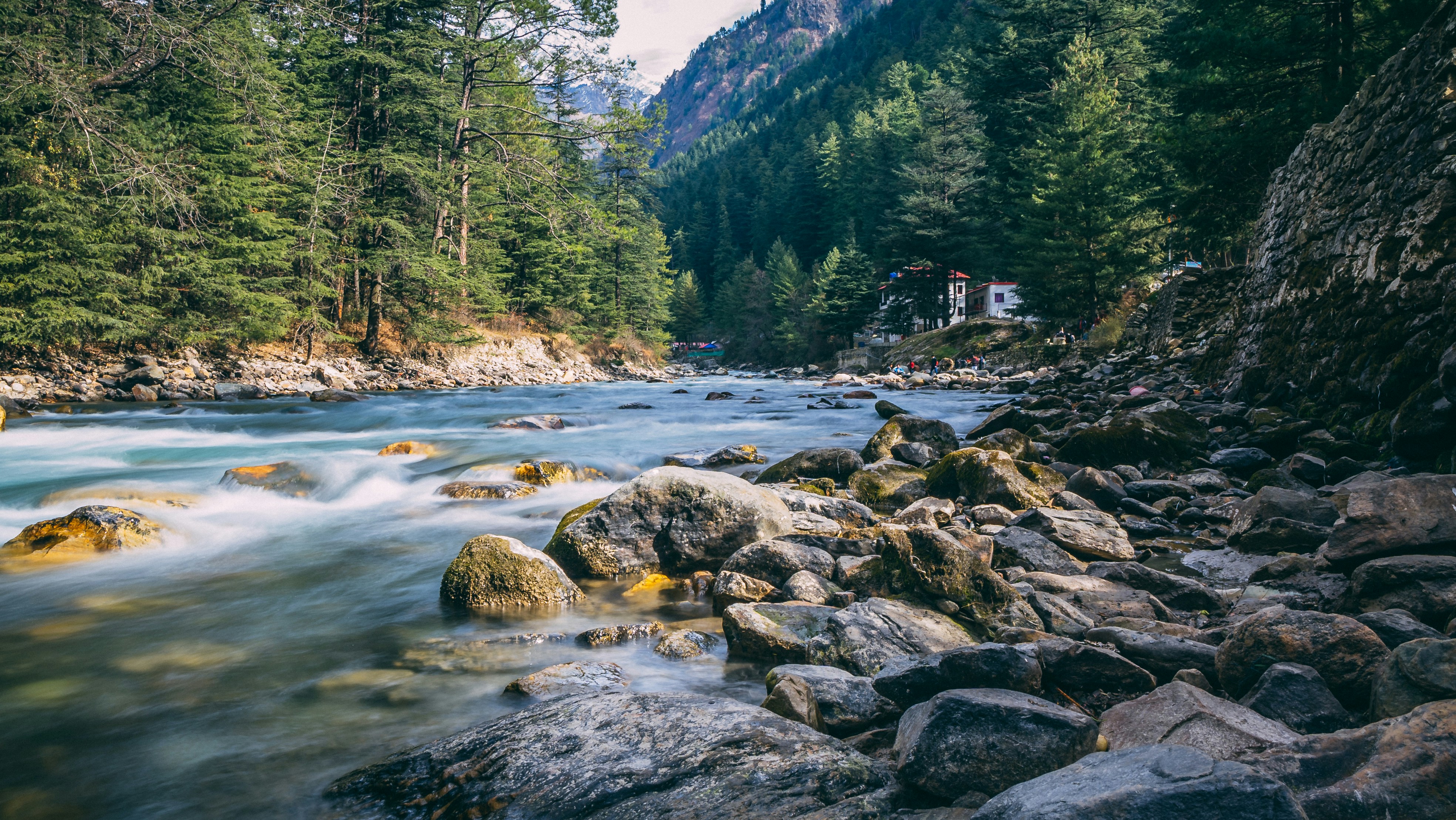
The landscape of Debrigarh Wildlife Sanctuary is incredibly diverse. Rolling hills, dry deciduous forests, open meadows, rocky terrains, and seasonal streams shape the sanctuary’s terrain. The Barapahad hill range stretches across the region, creating dramatic viewpoints and forested valleys that add to the wilderness charm.
One of the sanctuary’s biggest attractions is its proximity to the massive Hirakud Reservoir, one of the largest artificial lakes in Asia. The reservoir creates a stunning backdrop for the forest and supports a thriving ecosystem around the sanctuary. Early mornings in Debrigarh are often covered in mist, while evenings offer spectacular sunset views over the water. During the monsoon season, the forests become lush green, streams begin to flow actively, and the entire landscape looks vibrant and refreshing.
The sanctuary also contains several natural water sources that sustain wildlife throughout the year. These water bodies attract animals and birds, making them excellent spots for wildlife sightings and photography.
Flora and Forest Ecosystem
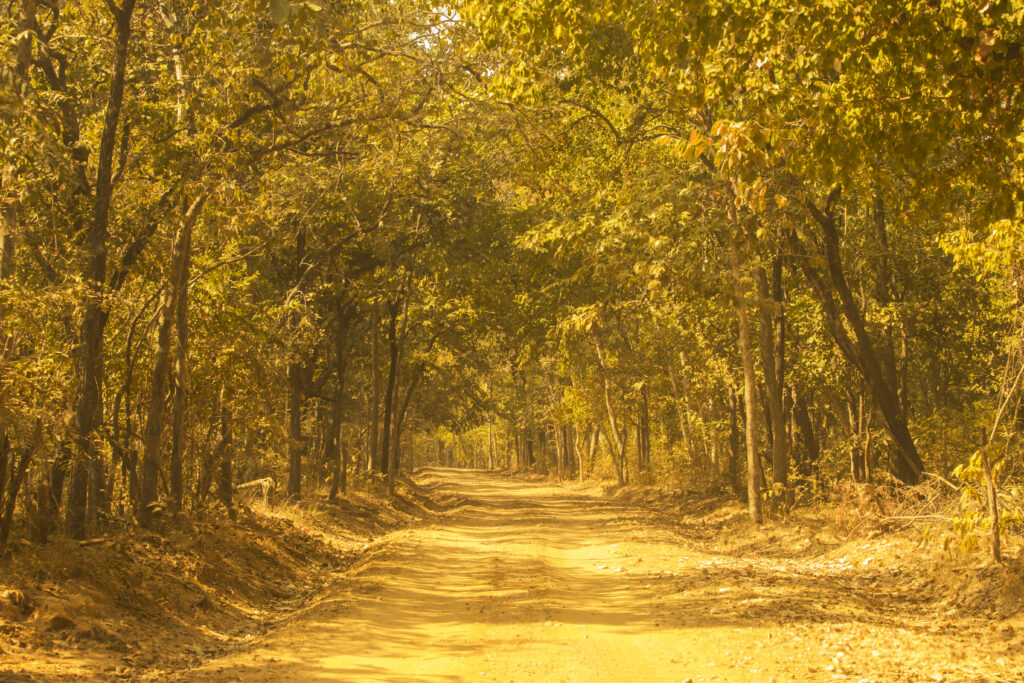
Debrigarh is dominated by dry deciduous forests, which are common in central and eastern India. The forest cover mainly consists of sal, teak, bamboo, mahua, neem, tendu, and other native tree species. During summer, many trees shed their leaves, giving the forest a golden-brown appearance, while the monsoon transforms the region into a dense green wilderness.
The vegetation plays a vital role in maintaining the ecological balance of the region. It supports herbivores, shelters predators, and provides nesting grounds for birds and smaller wildlife species. Medicinal plants and indigenous forest species found here are also important for local communities living around the sanctuary.
Wildlife in Debrigarh
Debrigarh Wildlife Sanctuary is home to a rich variety of wildlife. The sanctuary supports healthy populations of mammals, reptiles, and birds, making it one of Odisha’s important biodiversity zones.
Among the major animals found here are leopards, sloth bears, striped hyenas, wild boars, spotted deer, sambar deer, barking deer, and Indian gaurs. Herds of elephants are also occasionally seen moving through the forests. The sanctuary’s dense vegetation and water availability make it a suitable habitat for these species.
Birdwatching is another major attraction in Debrigarh. During winter, thousands of migratory birds arrive near the Hirakud Reservoir, turning the area into a paradise for bird enthusiasts. Species such as bar-headed geese, storks, herons, teals, cormorants, and ducks can often be spotted around the wetlands and reservoir edges. The combination of forests and water bodies creates an ideal environment for both resident and migratory birds.
Reptiles like monitor lizards, snakes, and turtles are also found within the sanctuary ecosystem.
Historical Importance
Apart from its natural wealth, Debrigarh also carries historical significance. The sanctuary is closely associated with the legendary freedom fighter Veer Surendra Sai, who fought against British rule during the 19th century. The forests and hills of Debrigarh served as an important hideout and strategic base during his resistance movement.
Several caves, hilltop locations, and hidden forest paths in the Barapahad region are believed to have been used by Surendra Sai and his followers. These places still hold stories of courage and rebellion, giving the sanctuary a unique cultural and historical dimension alongside its ecological value.
This blend of history and wilderness makes Debrigarh different from many other wildlife sanctuaries in India.
Tourism and Activities
Eco-tourism has become increasingly popular in Debrigarh in recent years. Visitors can explore the sanctuary through guided safari drives that pass through forest trails and wildlife zones. These safaris offer opportunities to observe animals in their natural habitat and experience the peaceful beauty of the forest.
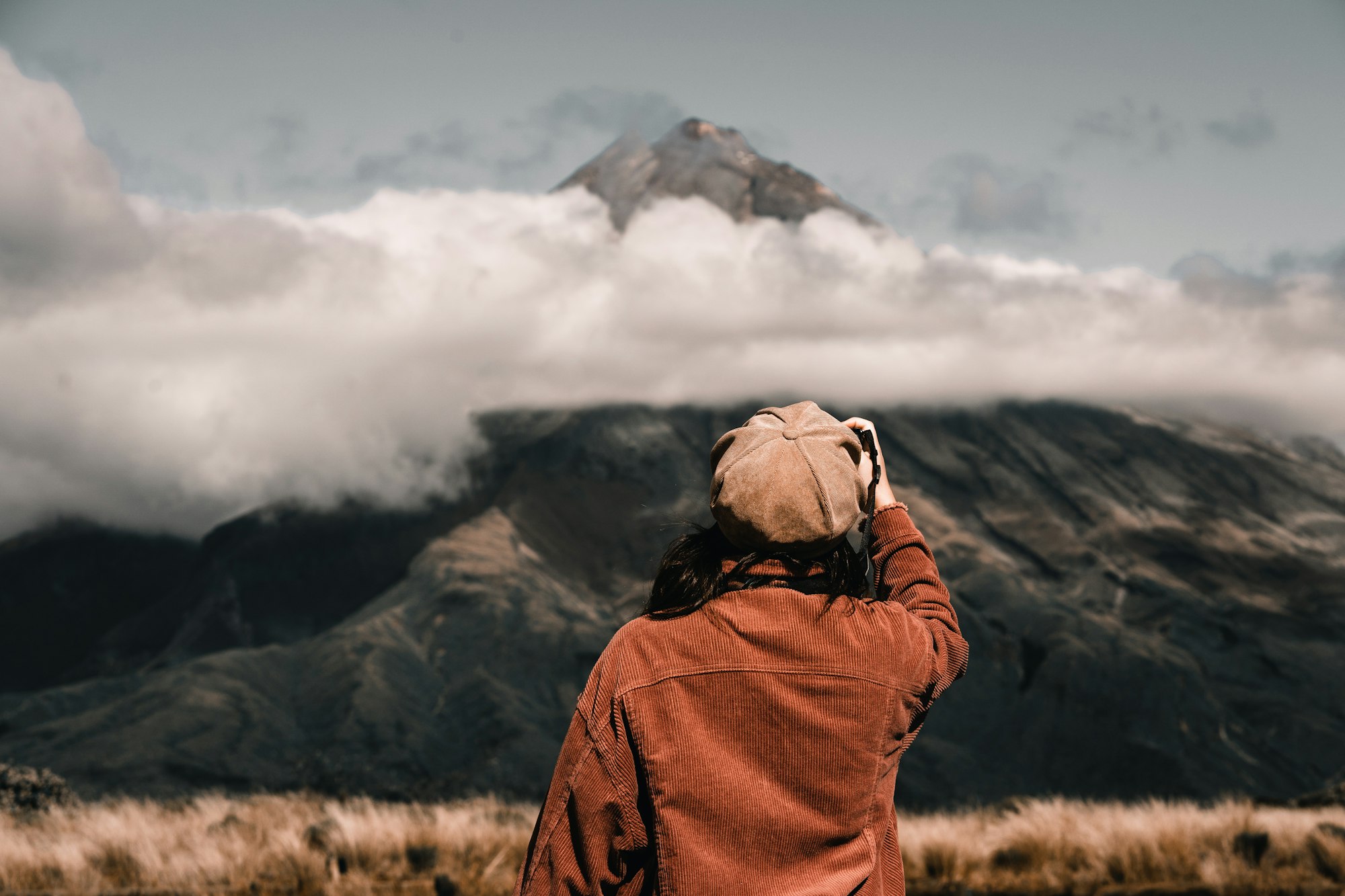
Nature walks and birdwatching tours are especially popular during winter. The sanctuary’s calm environment, combined with the scenic reservoir views, attracts photographers and nature lovers throughout the year.
Boating activities near the Hirakud Reservoir add another layer to the visitor experience. Watching birds over the water while surrounded by forested hills creates a unique and relaxing atmosphere.
The forest department has also developed eco-cottages and nature camps within the sanctuary area. These accommodations are designed to provide a comfortable stay while maintaining harmony with the natural surroundings. Staying overnight allows visitors to experience the sounds of the forest and the wilderness atmosphere more closely.
Best Time to Visit
The best time to visit Debrigarh Wildlife Sanctuary is from October to March. During this period, the weather remains cool and pleasant, making wildlife safaris and outdoor activities more enjoyable. Winter is also the ideal season for birdwatching because migratory birds arrive in large numbers near the reservoir.
The monsoon season, from July to September, brings fresh greenery and beautiful landscapes. However, some safari routes may remain closed due to heavy rainfall and slippery forest tracks.
Summer months can be quite hot, but animal sightings are sometimes easier near water sources during this period.
How to Reach
By Air
The nearest airport is Veer Surendra Sai Airport, located around 80 kilometers from the sanctuary. The airport has connections to several major Indian cities.
By Rail
The nearest railway station is Bargarh Road railway station, which is about 40 kilometers away. Sambalpur is another important railway junction located roughly 60 kilometers from Debrigarh.
By Road
The sanctuary is well connected by road to nearby cities such as Sambalpur, Bargarh, and Jharsuguda. Regular buses, taxis, and private vehicles can easily reach the sanctuary.
Nearby Attractions
- Hirakud Dam (18 km) – One of the world’s longest earthen dams, Hirakud Dam offers panoramic viewpoints, lush gardens, and boating opportunities on the vast reservoir. The Gandhi Minar and Nehru Minar provide spectacular views of the dam and surrounding landscape.
- Hirakud Reservoir (Adjacent to the sanctuary) – Spread across a vast area, the reservoir is ideal for birdwatching, boating, photography, and enjoying beautiful sunrise and sunset views. It also forms the eastern boundary of Debrigarh Wildlife Sanctuary.
- Cattle Island (Accessible by boat) – Located within the Hirakud Reservoir, this unique island is famous for its population of wild cattle that have adapted to living without human intervention. Boat trips can be arranged from nearby ghats during the tourist season.
- Leaning Temple of Huma (About 35 km) – Dedicated to Lord Shiva, this centuries-old temple is renowned for its unusual tilted architecture. Situated on the banks of the Mahanadi River, it is one of Odisha’s most intriguing religious landmarks.
- Samaleswari Temple, Sambalpur (40 km) – The presiding deity of western Odisha, Goddess Samaleswari attracts thousands of devotees throughout the year. The temple is especially vibrant during Nuakhai, the region’s most important harvest festival.
- Ghanteswari Temple (Around 38 km) – Located where the Mahanadi meets the Ib River, this riverside temple is famous for the thousands of bells offered by devotees. It is a peaceful place known for its scenic surroundings.
- Budharaja Temple (40 km) – Perched on a hill overlooking Sambalpur, this temple dedicated to Lord Shiva offers beautiful views of the city and surrounding countryside.
- Ushakothi Wildlife Sanctuary (About 80 km) – Another important wildlife destination in western Odisha, Ushakothi is home to elephants, leopards, sloth bears, gaur, and several species of birds, making it a great extension for wildlife enthusiasts.
- Cattle Breeding Centre and Eco-Tourism Zones (Within Debrigarh) – Visitors can explore designated eco-tourism trails, nature camps, watchtowers, and safari routes that offer opportunities to spot Indian bison, leopards, deer, wild boars, and numerous bird species.
- Sambalpur City (40 km) – The cultural capital of western Odisha is known for its famous Sambalpuri handloom textiles, vibrant local markets, traditional cuisine, and historical attractions, making it an excellent stop after visiting the sanctuary.
Google Maps
FAQs
1. Why is Debrigarh Wildlife Sanctuary famous?
Debrigarh is famous for its scenic forests, wildlife diversity, birdwatching opportunities, and its connection with freedom fighter Veer Surendra Sai. The sanctuary’s location near the Hirakud Reservoir also makes it visually unique.
2. Which animals can be seen in Debrigarh Wildlife Sanctuary?
Visitors may spot leopards, sloth bears, hyenas, sambar deer, spotted deer, wild boars, gaurs, elephants, and many species of birds.
3. What is the best time to visit Debrigarh?
The best time to visit is between October and March when the weather is pleasant and migratory birds are abundant.
4. Are safari facilities available in Debrigarh?
Yes, guided wildlife safaris are available and are one of the main attractions for tourists visiting the sanctuary.
5. Is Debrigarh suitable for birdwatching?
Yes, the sanctuary is considered an excellent birdwatching destination, especially during winter when migratory birds arrive around the Hirakud Reservoir.
6. Can visitors stay inside the sanctuary?
Yes, eco-cottages and forest nature camps managed by the forest department provide accommodation facilities for visitors.
7. How far is Debrigarh from Sambalpur?
Debrigarh Wildlife Sanctuary is located approximately 60 kilometers from Sambalpur by road.