Image Source: AmAnand
About Manas National Park
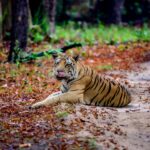
Manas National Park, located in Assam at the foothills of the Eastern Himalayas, is a UNESCO World Heritage Site renowned for its pristine wilderness, rich biodiversity, and cultural significance. It is not just a tiger reserve but also an elephant reserve and a biosphere reserve, making it one of India’s most unique natural landscapes. Known for its population of the rare golden langur, pygmy hog, and wild water buffalo, Manas offers travellers a blend of thrilling wildlife experiences and stunning scenic beauty.
Layout and Landscape
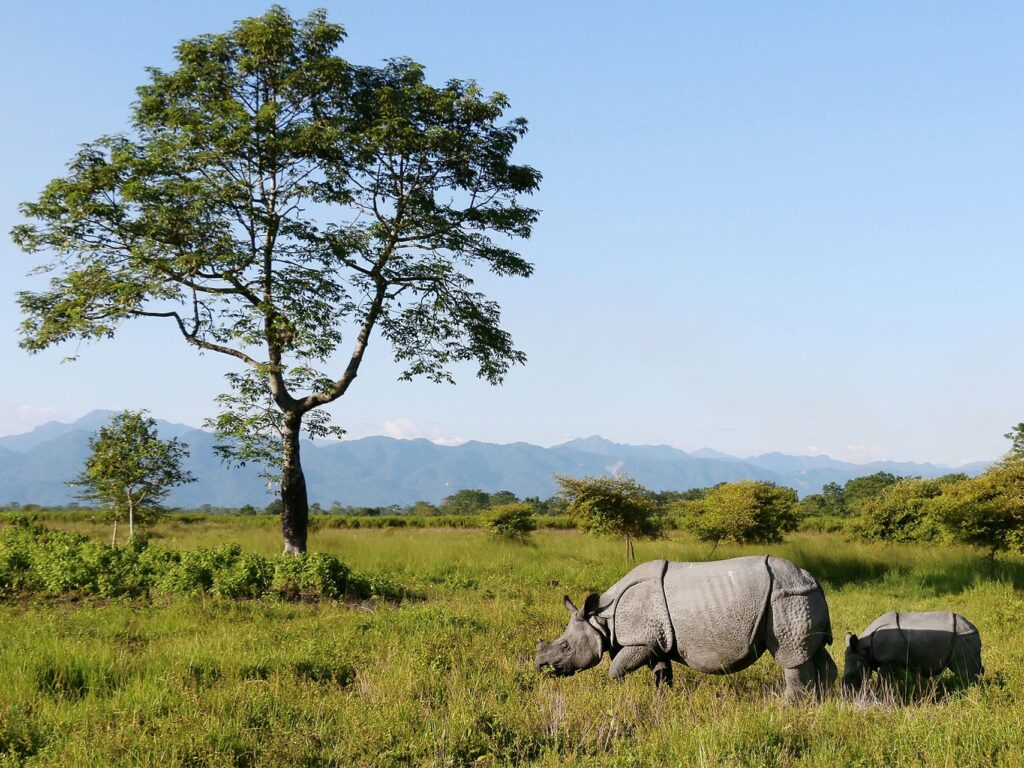
Spread across the districts of Baksa, Barpeta, Chirang, and Kokrajhar in Assam, Manas National Park covers an area of around 950 sq. km. The park is divided into three ranges – Bansbari, Panbari, and Bhuiyapara. Its terrain includes a remarkable combination of grasslands, tropical forests, riverine landscapes, and Himalayan foothills. The Manas River, a tributary of the mighty Brahmaputra, flows through the park and acts as a natural border with Bhutan, further enhancing its charm. The park’s ecosystem supports a wide variety of flora and fauna, with tall elephant grass meadows, moist deciduous forests, and riparian habitats forming the core of its landscape.
Attractions and Experiences
Manas National Park is a haven for wildlife lovers. It shelters over 20 endangered species, including the Assam roofed turtle, hispid hare, and red panda in higher reaches.
Visitors can enjoy jeep safaris and elephant rides through the Bansbari Range, which is the most accessible for tourists. The park is also famous for birdwatching, with more than 450 species recorded, such as the great hornbill, Bengal florican, and fishing eagle. Adventure seekers can also indulge in river rafting on the Manas River, which offers scenic views along with glimpses of wildlife. The cultural richness of the Bodo villages surrounding the park adds another layer to the experience, allowing travelers to explore tribal traditions and local handicrafts.
How to Reach
By Air: The nearest airport is Guwahati Airport (Lokpriya Gopinath Bordoloi International Airport), about 180 km away. From there, taxis and buses are available to the park.
By Train: The closest railway station is Barpeta Road Railway Station, located around 40 km from the Bansbari entrance. It is well connected with Guwahati and other major cities of Assam.
By Road: Manas National Park can be accessed via NH 27 from Guwahati, which takes about 4–5 hours by car. State transport buses and private vehicles also operate on this route.
Nearby Attractions of Manas National Park
1. Mathanguri
Located inside the Manas landscape near the India–Bhutan border, Mathanguri is one of the most scenic places around Manas National Park. It offers breathtaking views of the Manas River, dense forests, and the Himalayan foothills. The area is popular for birdwatching, nature photography, and wildlife sightings.
2. Royal Manas National Park
Situated across the border in Bhutan, Royal Manas National Park forms a continuous ecosystem with Manas National Park. The protected area is known for its rich biodiversity, pristine forests, and conservation importance. It is home to numerous rare and endangered species.
3. Bansbari Tea Estate
Located close to the park entrance, Bansbari Tea Estate showcases the beauty of Assam’s tea-growing region. Visitors can enjoy scenic walks through lush tea gardens, learn about tea cultivation, and capture stunning photographs of the surrounding landscape.
4. Chandubi Lake
About 95 km from Manas National Park, Chandubi Lake is a peaceful freshwater lake surrounded by forests and hills. The destination is ideal for boating, birdwatching, picnics, and enjoying the natural beauty of Assam.
5. Hajo
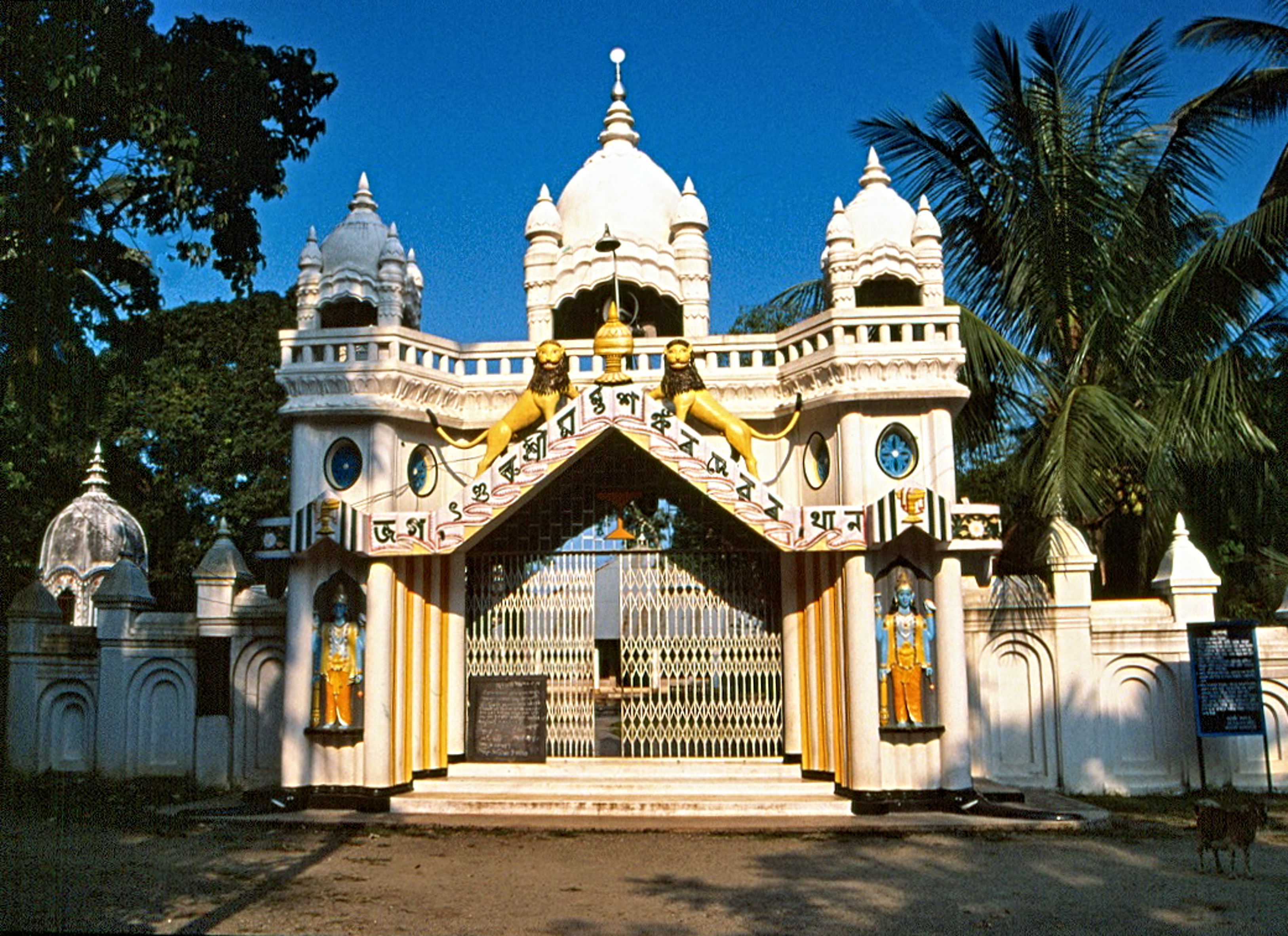
Hajo is a historic pilgrimage town known for its religious harmony. It houses important Hindu temples, Buddhist sites, and Islamic shrines, making it a fascinating destination for those interested in culture and spirituality.
6. Barpeta
Barpeta is famous for its rich Assamese heritage and Vaishnavite culture. The town is home to historic monasteries, traditional architecture, and vibrant religious festivals that provide visitors with a glimpse into Assam’s cultural traditions.
7. Kokrajhar
Kokrajhar serves as an important gateway to Manas National Park. The town offers opportunities to experience the culture of the Bodoland region, explore local markets, and enjoy the scenic countryside.
8. Bornadi Wildlife Sanctuary
Located near the Bhutan border, Bornadi Wildlife Sanctuary is known for its diverse wildlife and bird species. It is an excellent destination for nature enthusiasts seeking a quieter wildlife experience.
9. Pobitora Wildlife Sanctuary
Though farther from Manas, Pobitora Wildlife Sanctuary is worth visiting for its high population density of one-horned rhinoceroses. It offers exciting jeep safaris and birdwatching opportunities.
10. Bodoland Territorial Region
The region surrounding Manas provides a chance to experience the unique traditions, cuisine, handicrafts, and festivals of the Bodo community, adding a cultural dimension to a wildlife-focused trip.
Google Maps
FAQs
1. Where is Manas National Park located?
Manas National Park is located in the state of Assam, India, along the foothills of the Himalayas and the border with Bhutan.
2. Why is Manas National Park famous?
It is famous for its UNESCO World Heritage Site status, rich biodiversity, tiger reserve, elephant population, and rare species such as the golden langur and pygmy hog.
3. What is the best time to visit Manas National Park?
The best time to visit is from November to April when the weather is pleasant and wildlife sightings are more frequent.
4. Which animals can be seen in Manas National Park?
Visitors may spot Bengal tigers, Asian elephants, Indian rhinoceroses, wild buffaloes, golden langurs, clouded leopards, and numerous bird species.
5. Are safaris available in the park?
Yes, both jeep safaris and elephant safaris are available for visitors.
6. How many days are sufficient for visiting Manas National Park?
A stay of 2–3 days is generally sufficient to enjoy safaris, birdwatching, and nearby attractions.
7. Is Manas National Park suitable for birdwatching?
Yes, the park is one of the finest birdwatching destinations in India and is home to more than 450 species of birds.
8. What is the nearest railway station to Manas National Park?
Barpeta Road Railway Station is the nearest major railway station and serves as the primary gateway to the park.
9. Can visitors stay inside the park?
Yes, forest lodges, eco-camps, and resorts are available in and around the park, particularly near Mathanguri and Bansbari.
10. Is Manas National Park a UNESCO World Heritage Site?
Yes, Manas National Park was designated a UNESCO World Heritage Site because of its outstanding biodiversity and ecological significance.