Image Source: Shyam Kaanu
About Sivasagar
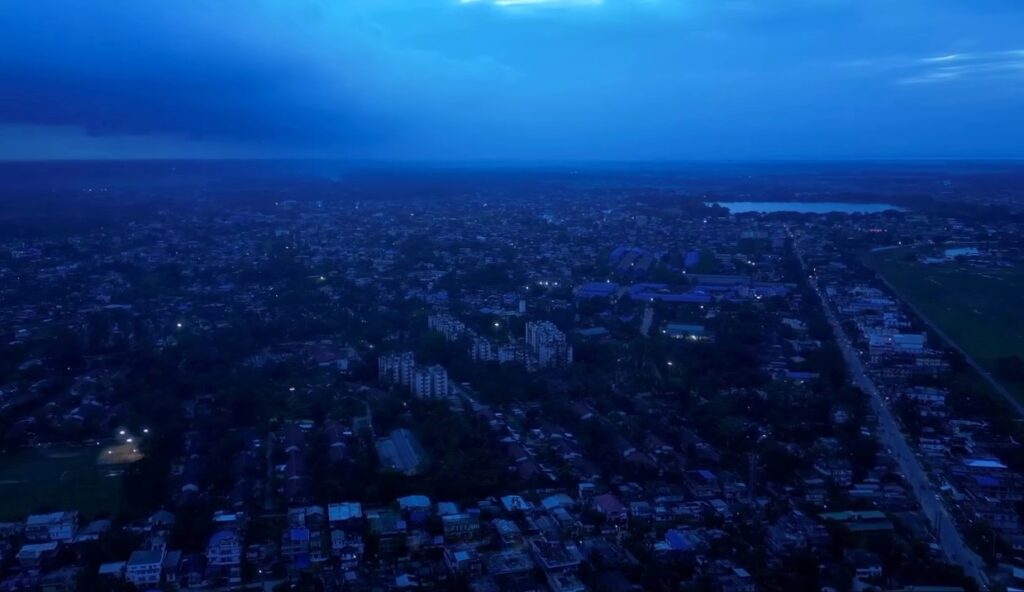
Sivasagar, formerly known as Rangpur, is a historic town in Assam that served as the capital of the Ahom dynasty for more than six centuries. Rich in heritage, culture, and architecture, Sivasagar stands as a living testimony to Assam’s glorious past. The town is renowned for its temples, palaces, tanks, and monuments built during the Ahom rule, making it one of the most important historical destinations in Northeast India.
History
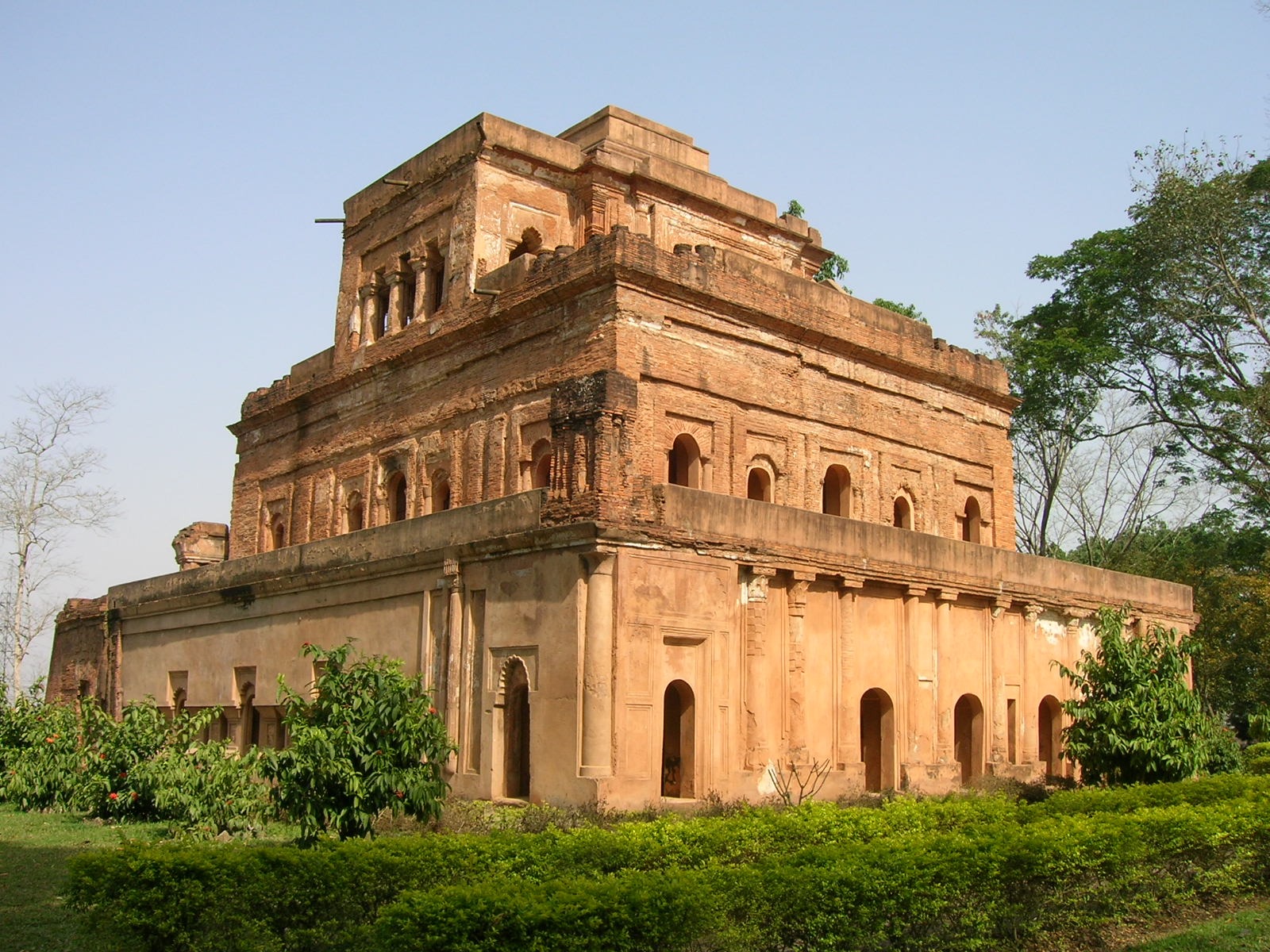
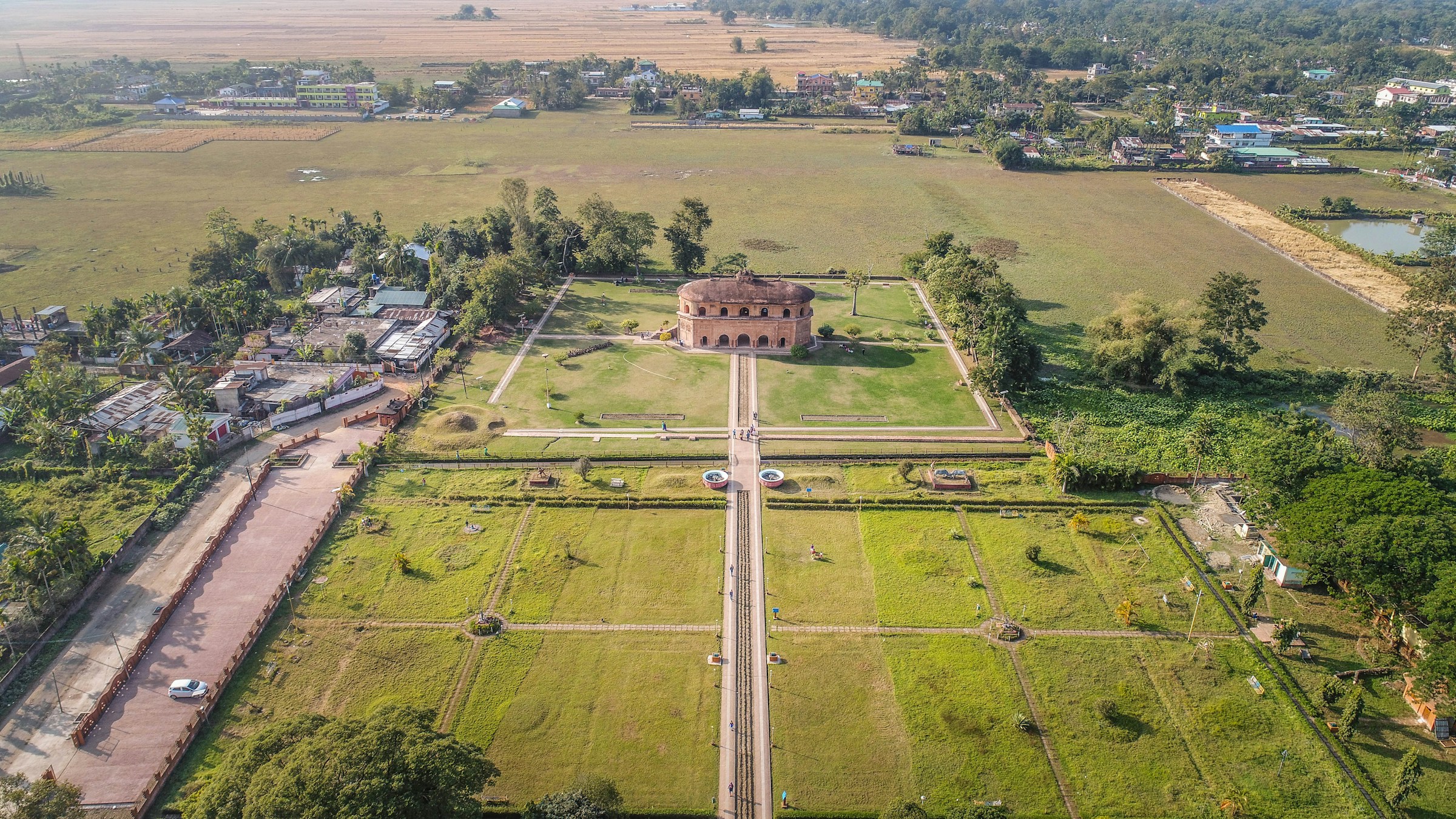
The Ahoms, who ruled Assam for nearly 600 years, left behind an impressive legacy in Sivasagar. The town is home to the famous Sivasagar Tank, built in the 18th century, which still amazes visitors with its engineering brilliance as it never dries up. The majestic Shivadol, Vishnudol, and Devidol temples located on its banks are important religious sites and architectural wonders. Sivasagar is also dotted with Ahom palaces and monuments, such as the Kareng Ghar (royal palace), Talatal Ghar (military base and palace), and Rang Ghar (one of the oldest amphitheatres in Asia), showcasing the advanced building techniques of the era.
Nearby Attractions
Shivadol Temple – One of the tallest Shiva temples in India, attracting pilgrims year-round.
Rang Ghar – An amphitheater where the Ahom kings enjoyed traditional games and festivals.
Talatal Ghar – A grand palace with underground tunnels and secret chambers.
Kareng Ghar – Another important royal palace reflecting Ahom architectural excellence.
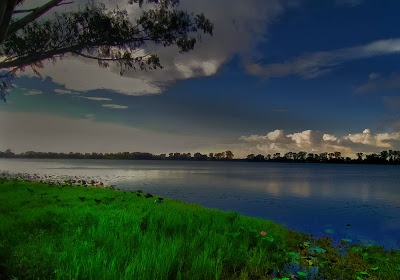
Sivasagar Tank – A massive artificial tank built in 1734, around which the town developed.
Cultural Importance
Sivasagar is not just a hub of monuments but also a centre of Assamese traditions and festivals. During Shivratri, thousands of devotees gather at Shivadol. The town also celebrates Bihu and other cultural festivals with great enthusiasm, reflecting the fusion of Ahom heritage and modern Assamese identity.
How to Reach
By Air: The nearest airport is Jorhat Airport (about 55 km away), connected to Guwahati, Kolkata, and other major cities.
By Train: Sivasagar Town railway station connects the town with Guwahati, Dibrugarh, and other parts of Assam.
By Road: Regular buses and taxis operate from Guwahati (370 km), Jorhat, and Dibrugarh, making it easily accessible.
Google Maps
FAQs
1. Where is Sivasagar located?
Sivasagar is a historic town in the state of Assam, situated in the eastern part of the state. It was once the capital of the powerful Ahom Kingdom.
2. Why is Sivasagar famous?
Sivasagar is famous for its rich Ahom heritage, historic monuments, ancient temples, royal palaces, and large man-made tanks that reflect the glory of the Ahom dynasty.
3. What is the best time to visit Sivasagar?
The best time to visit Sivasagar is from October to March when the weather is pleasant and ideal for sightseeing.
4. Which are the major tourist attractions in Sivasagar?
Popular attractions include Rang Ghar, Talatal Ghar, Kareng Ghar, Shivadol, and Joysagar Tank.
5. What is the historical significance of Sivasagar?
Sivasagar served as the capital of the Ahom Kingdom for several centuries and played a vital role in the political, cultural, and architectural development of Assam.
6. How can I reach Sivasagar?
Sivasagar is well connected by road and rail. The nearest railway station is Simaluguri Junction, while the nearest airport is Jorhat Airport.
7. What is the significance of Shivadol?
Shivadol is one of the tallest Shiva temples in India and is a major religious landmark built by the Ahom rulers on the banks of the Sivasagar Tank.
8. Is Sivasagar suitable for heritage tourism?
Yes, Sivasagar is one of the best heritage destinations in Northeast India, offering numerous historical monuments, temples, and archaeological sites.
9. How many days are enough to explore Sivasagar?
Two to three days are generally sufficient to visit the major historical sites, temples, museums, and nearby attractions.
10. What makes Sivasagar unique among Assam’s tourist destinations?
Sivasagar stands out for its exceptional concentration of Ahom-era monuments, royal palaces, temples, and water reservoirs, making it a living testament to one of India’s longest-ruling dynasties.