Image Source: Smk.afc
About Bongaigaon
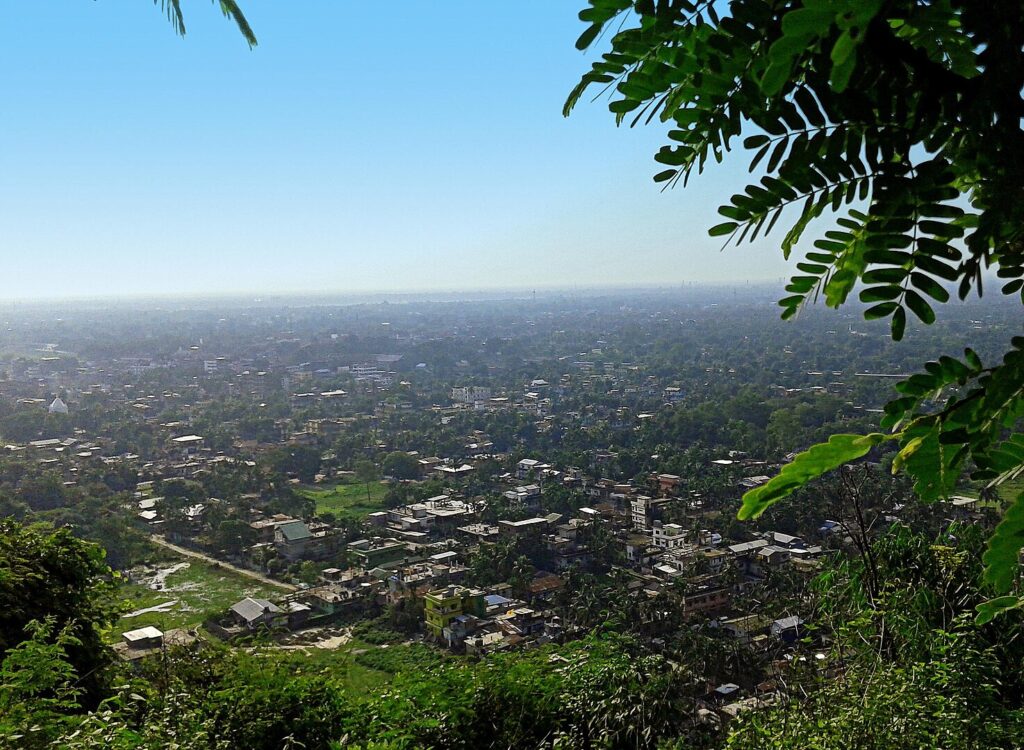
Located in the western part of Assam, Bongaigaon is a lively commercial town known for its growing economy, cultural diversity, and strategic importance. Often referred to as one of Assam’s major industrial and trading centres, the town also serves as a gateway to the Himalayan foothills and the neighbouring country of Bhutan. While Bongaigaon has rapidly modernized over the years, it still retains the warmth and simplicity of traditional Assamese life. Bustling markets, tea stalls, temples, and green landscapes together create a unique atmosphere that blends urban energy with regional charm.
Geography and Natural Setting
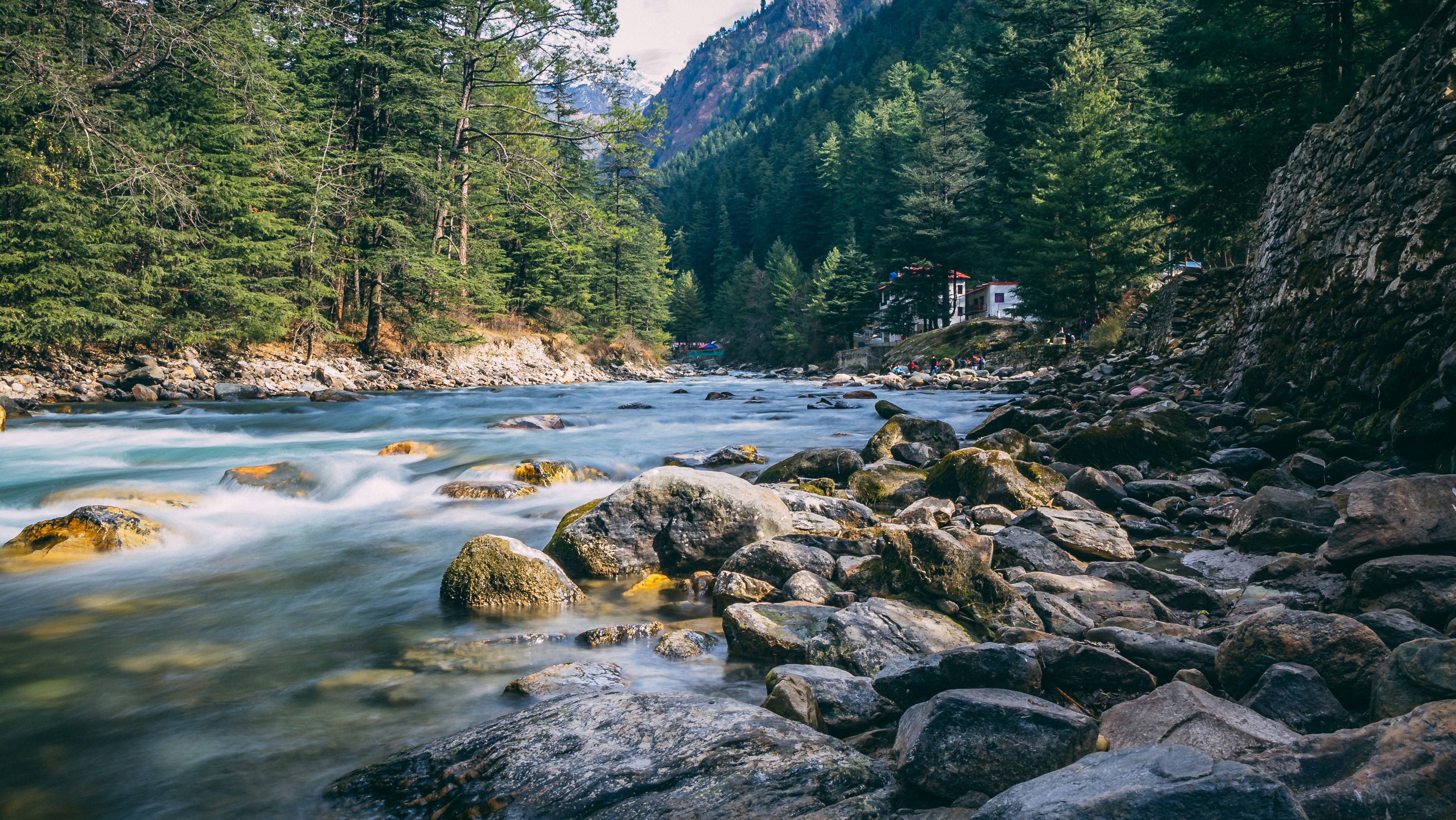
Bongaigaon lies around 180 kilometres west of Guwahati and enjoys a strategically important location in lower Assam. Surrounded by fertile plains, rivers, wetlands, and patches of greenery, the town has a naturally scenic environment. Several small streams and nearby forested areas enhance the beauty of the region, especially during the monsoon season when the landscape turns lush and vibrant.
The proximity of Bongaigaon to Bhutan makes it an important route for trade and travel. The town also acts as a convenient transit point for visitors heading toward the forests and foothills of western Assam. Tea gardens scattered around the district add to the visual appeal and reflect Assam’s long-standing connection with tea cultivation.
Historical and Cultural Heritage
Bongaigaon reflects the cultural richness of Assam through its diverse communities and traditions. People from various ethnic and cultural backgrounds, including Assamese, Bodos, Bengalis, Nepalis, and other indigenous groups, have lived here together for generations. This diversity is visible in the town’s languages, cuisine, festivals, clothing styles, and local customs.
Festivals are celebrated with great enthusiasm throughout the year. Traditional Assamese celebrations such as Bihu bring music, dance, and community gatherings to life. Folk traditions, handwoven textiles, and bamboo handicrafts are also an important part of the region’s cultural identity. The influence of tribal heritage can be seen in local art forms, musical instruments, and traditional performances that continue to thrive in nearby rural areas.
Tourist Attractions in and Around Bongaigaon
Although Bongaigaon is primarily known as a commercial town, it also has several places of religious and natural interest. One of the most prominent attractions is the revered Bagheswari Temple, an important spiritual site visited by devotees from different parts of Assam. The temple is deeply associated with local faith and traditions and becomes especially vibrant during religious festivals.
Nature lovers often visit the scenic riverbanks and nearby rural landscapes that surround the town. The picturesque Kakoi Jora Bridge is known for its peaceful surroundings and attractive views during sunrise and sunset.
Bongaigaon also serves as a convenient base for exploring the famous Manas National Park, a UNESCO World Heritage Site celebrated for its rich biodiversity, dense forests, and wildlife including elephants, rhinos, and tigers. Travelers heading toward Bhutan often pass through this region, making Bongaigaon an important stop for cross-border tourism.
Economy and Industrial Importance
Bongaigaon plays a major role in the economy of western Assam. The town is home to the well-known Bongaigaon Refinery, which has significantly contributed to the industrial growth of the region. The refinery helped transform Bongaigaon into a major commercial and employment hub over the decades.
Apart from the oil and energy sector, trade and agriculture are equally important to the local economy. Markets in the town handle products such as tea, rice, mustard, vegetables, and forest produce from surrounding areas. Due to its location near Bhutan, Bongaigaon also benefits from transportation and cross-border trade activities. Small businesses, transport services, and retail markets contribute greatly to the everyday economic life of the town.
Lifestyle and Local Food
Life in Bongaigaon moves at a balanced pace compared to larger metropolitan cities. The town offers a mix of modern facilities and traditional lifestyles. Local markets are filled with Assamese snacks, fresh produce, traditional sweets, and handcrafted items. Tea culture is deeply rooted in daily life, and small roadside tea stalls are popular gathering spots for conversation and relaxation.
The local cuisine reflects Assamese and tribal influences. Rice, fish curry, bamboo shoot preparations, smoked meat dishes, and traditional herbs are commonly enjoyed in homes and eateries. Seasonal fruits and locally grown vegetables are widely available, giving the food a fresh and authentic flavor.
Nearby Attractions Around Bongaigaon
Manas National Park
One of the most famous attractions near Bongaigaon, Manas National Park is a UNESCO World Heritage Site renowned for its rich biodiversity and scenic landscapes. The park is home to Bengal tigers, Indian rhinoceroses, wild buffaloes, golden langurs, and hundreds of bird species, making it a paradise for wildlife enthusiasts.
Kokrajhar
Located a short drive from Bongaigaon, Kokrajhar is known for its vibrant Bodo culture, local markets, and beautiful natural surroundings. The town serves as a gateway to several attractions in western Assam and the Bodoland region.
Kakoijana Reserve Forest
The lush Kakoijana Reserve Forest is a popular eco-tourism destination known for its population of the rare golden langur. Dense forests, scenic walking trails, and abundant birdlife make it an excellent destination for nature lovers and wildlife photographers.
Koya Kujia Eco Park
Situated near Abhayapuri, Koya Kujia Eco Park is a peaceful recreational area featuring wetlands, gardens, boating facilities, and migratory birds. It is an ideal destination for families and birdwatching enthusiasts.
Abhayapuri
The historic town of Abhayapuri is known for its cultural heritage, traditional festivals, and scenic environment. The town also serves as a convenient base for exploring nearby forests, wetlands, and wildlife habitats.
Rock Cut Caves
Located near Jogighopa, Jogighopa Rock Cut Caves are among the earliest examples of rock-cut architecture in Assam. Dating back to the 5th and 6th centuries, these caves attract history enthusiasts and archaeology lovers.
Jogighopa
The riverside town of Jogighopa lies on the banks of the Brahmaputra and is known for its historical importance and scenic river views. It also serves as a gateway to several cultural and archaeological sites in western Assam.
Brahmaputra River
The mighty Brahmaputra River flows near the region and offers beautiful riverside landscapes, opportunities for photography, birdwatching, and experiencing the natural beauty that defines much of Assam’s geography.
Chakrashila Wildlife Sanctuary
Located within driving distance of Bongaigaon, Chakrashila Wildlife Sanctuary is famous for being one of the best places in India to spot the endangered golden langur. The sanctuary’s hills, forests, and viewpoints make it a rewarding destination for wildlife lovers and trekkers.
Connectivity and Transportation
Bongaigaon is one of the best-connected towns in western Assam. The town has two important railway stations — New Bongaigaon Junction and Bongaigaon Railway Station — which connect it to major cities across Assam and other parts of India. Several long-distance trains pass through the town, making rail travel highly convenient.
The town is also connected through national highways, allowing smooth road access to Guwahati and neighbouring districts. Regular buses and private taxis operate throughout the region. The nearest major airport is in Guwahati, from where travelers can continue their journey to Bongaigaon by road or rail.
Best Time to Visit
The ideal time to visit Bongaigaon is between October and March when the weather remains pleasant and comfortable for sightseeing and travel. Winters are mild, and the surrounding greenery looks especially beautiful after the monsoon season. Summers can be warm and humid, while heavy rainfall during monsoon months occasionally affects travel conditions.
Google Maps
FAQs
Where is Bongaigaon located?
Bongaigaon is located in western Assam in northeastern India. It lies around 180 kilometres west of Guwahati and close to the border with Bhutan.
Why is Bongaigaon important?
Bongaigaon is an important industrial and commercial centre in Assam. It is known for its refinery, trade activities, railway connectivity, and proximity to Bhutan and Manas National Park.
Which is the most famous temple in Bongaigaon?
The most well-known religious site in the town is the Bagheswari Temple, which attracts devotees from across the region.
Is Bongaigaon a good base for visiting Manas National Park?
Yes, Bongaigaon is considered a convenient transit point for travelers visiting Manas National Park and nearby foothill regions.
What languages are spoken in Bongaigaon?
People in Bongaigaon commonly speak Assamese, Bodo, Bengali, Hindi, and Nepali, reflecting the town’s cultural diversity.
How can I reach Bongaigaon?
Bongaigaon can be reached easily by train and road. New Bongaigaon Junction is a major railway hub, and the town is well connected to Guwahati and other cities through highways.
What is the best time to visit Bongaigaon?
The best time to visit is from October to March when the weather is cooler and more comfortable for travel and sightseeing.