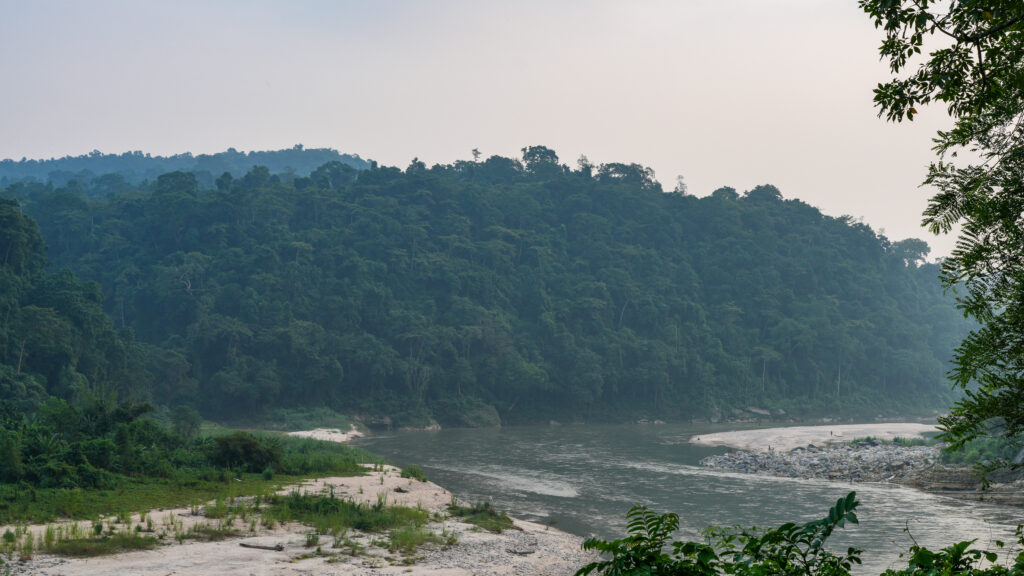
Image Source: Timothy A. Gonsalves
About Siju Wildlife Sanctuary
Hidden in the lush landscapes of the South Garo Hills of Meghalaya, Siju Wildlife Sanctuary is one of the most unique and ecologically rich wildlife reserves in northeastern India. Often referred to as the “Bat Sanctuary of India,” this remarkable sanctuary is famous for its enormous bat colonies that inhabit the nearby Siju Cave, one of the longest and most important limestone caves in the region.
Surrounded by dense subtropical forests, rolling hills, rivers, and limestone formations, the sanctuary offers a raw and untouched wilderness experience. It is a paradise for wildlife lovers, birdwatchers, researchers, trekkers, and photographers who wish to explore Meghalaya beyond its popular tourist destinations. The peaceful environment, combined with rich biodiversity, makes Siju Wildlife Sanctuary an unforgettable destination for nature enthusiasts.
Rich Biodiversity and Wildlife
Siju Wildlife Sanctuary is home to a remarkable variety of flora and fauna. The forest ecosystem supports several mammals, reptiles, birds, and rare nocturnal species. One of the sanctuary’s greatest attractions is its population of bats. Zoologists and wildlife researchers from different parts of the world visit this area to study the cave-dwelling bat colonies found around Siju Cave. The cave provides an ideal humid habitat for these winged mammals, making the region internationally significant for bat conservation.
Apart from bats, the sanctuary shelters Asian elephants, leopards, barking deer, wild cats, hoolock gibbons, langurs, and the elusive slow loris. The forests also support numerous butterflies, insects, and amphibians that thrive in the humid environment of the Garo Hills.
Birdlife here is equally impressive. Colorful hornbills, peafowls, kingfishers, drongos, eagles, and migratory birds can often be spotted among the forest canopy and riverbanks. Early mornings are especially rewarding for birdwatchers, as the sanctuary comes alive with calls echoing through the forest.
Natural Beauty and Landscape
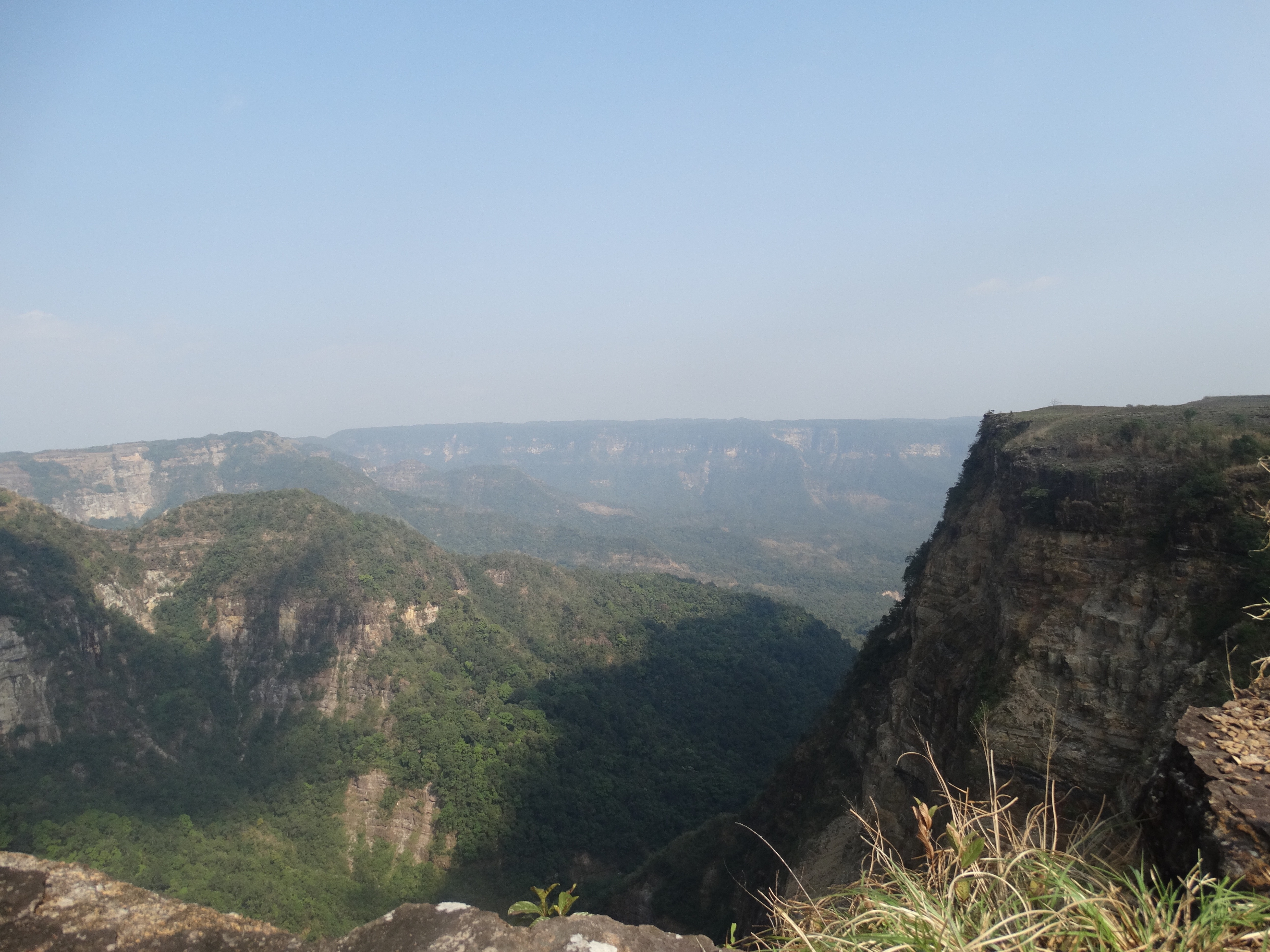
The landscape of Siju Wildlife Sanctuary is a beautiful mix of evergreen forests, bamboo groves, rocky terrain, streams, and caves. The nearby Simsang River adds immense ecological value to the sanctuary by supporting aquatic life and maintaining the moisture-rich forest environment.
The sanctuary’s rugged terrain and thick vegetation create a truly wild atmosphere. During misty mornings, the forest appears almost magical, with sunlight filtering through tall trees and birds flying above the river valleys. The untouched beauty of the region gives visitors a sense of isolation and calm rarely found in crowded tourist destinations.
Another striking feature of the sanctuary is its limestone geography. The cave systems and rock formations found here have developed naturally over thousands of years, creating dramatic underground chambers and passages.
Trekking and Adventure
Exploring Siju Wildlife Sanctuary is an adventure in itself. Trekking trails pass through thick forests, riverbanks, bamboo patches, and hilly terrain, offering travelers an immersive jungle experience. The trails are ideal for nature walks and wildlife observation, especially for those interested in photography and birdwatching.
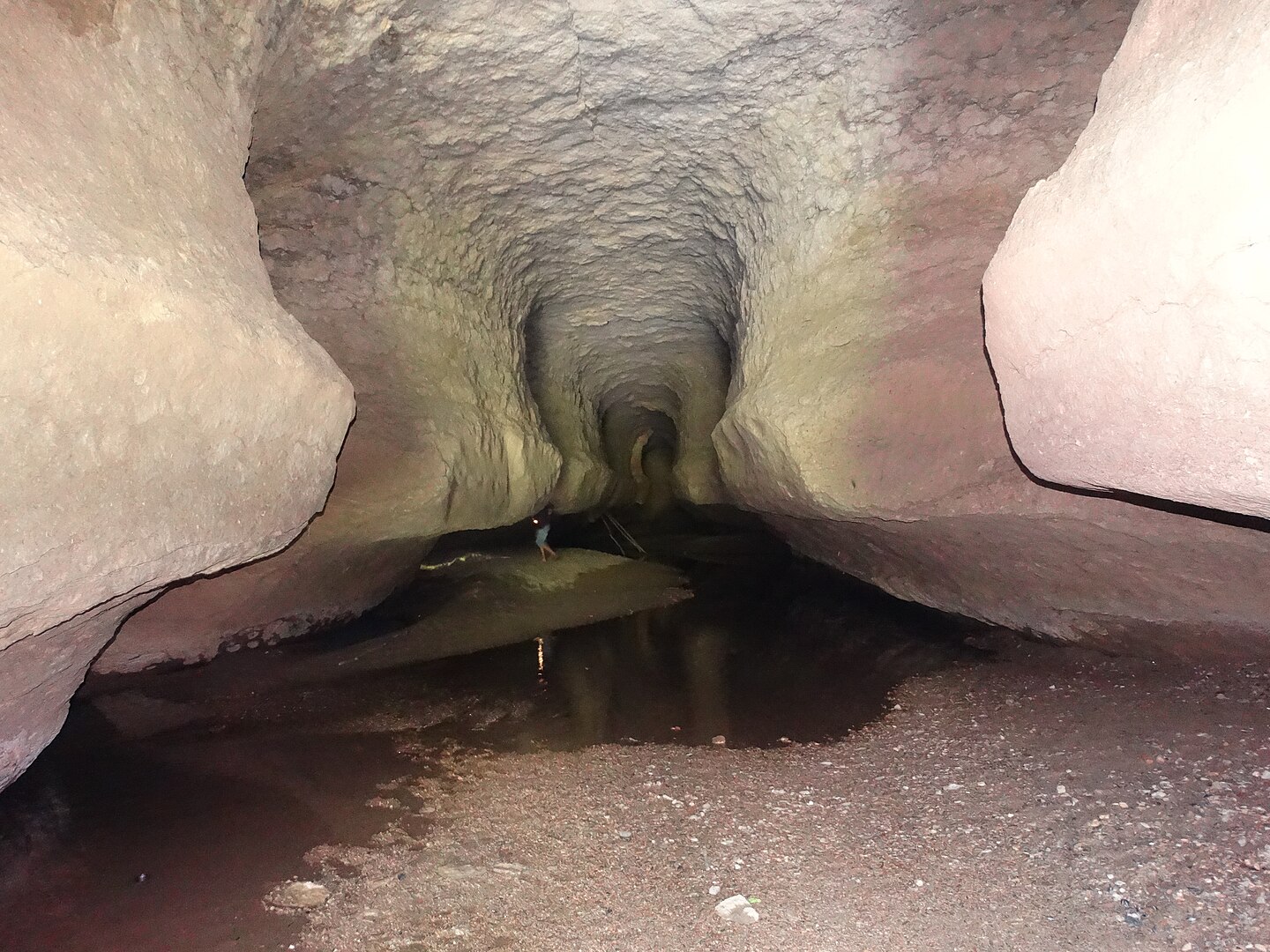
Many visitors combine their sanctuary trip with a visit to Siju Cave, where thousands of bats can be seen emerging at dusk. The cave’s mysterious atmosphere, filled with stalactites and limestone formations, adds an exciting element to the journey.
Guided treks are highly recommended because the forest is dense and wildlife movement is common in the area. Local guides not only help visitors navigate the terrain safely but also share valuable insights into the ecology, tribal culture, and wildlife behavior of the region.
Cultural Importance of the Region
The area surrounding Siju Wildlife Sanctuary is inhabited largely by the Garo tribal communities, who have lived in harmony with nature for generations. Their traditional lifestyle, folklore, and forest knowledge contribute significantly to the preservation of the region’s biodiversity.
Visitors traveling through nearby villages often experience the warm hospitality of the local communities. Traditional bamboo houses, local cuisine, and indigenous customs offer a deeper cultural experience alongside the natural exploration.
Best Time to Visit
The best time to visit Siju Wildlife Sanctuary is between November and April. During these months, the weather remains pleasant, and the forest trails are relatively dry, making trekking and wildlife spotting easier.
Winter mornings are particularly beautiful, with cool temperatures and clear skies enhancing the scenic beauty of the forest. Bird activity is also higher during this period.
The monsoon season, from June to September, transforms the sanctuary into a lush green paradise. However, heavy rainfall makes roads slippery and trekking difficult. Wildlife sightings also become less frequent due to dense vegetation and continuous rain.
How to Reach
By Road
Siju Wildlife Sanctuary is well connected by road to major towns in Meghalaya. It lies approximately 130 kilometers from Tura and around 220 kilometers from Shillong. Shared taxis and local buses operate in the region, although hiring a private vehicle is usually more comfortable and convenient for travelers.
By Air
The nearest airport is Shillong Airport, located roughly 240 kilometers away. However, most travelers prefer flying to Lokpriya Gopinath Bordoloi International Airport because of its better flight connectivity with major Indian cities.
By Rail
The nearest major railway station is Guwahati Railway Station, situated about 270 kilometers from the sanctuary. From Guwahati, travelers must continue the journey by road.
Things to Keep in Mind
Visitors should carry comfortable trekking shoes, light rain protection, drinking water, insect repellent, and basic medicines while exploring the sanctuary. Since the area remains relatively untouched and remote, mobile connectivity may be limited in some sections.
It is also important to respect the fragile ecosystem by avoiding littering, loud noises, and disturbing wildlife habitats. Responsible tourism helps preserve the sanctuary’s biodiversity for future generations.
Nearby Attractions of Siju Wildlife Sanctuary
Located in the South Garo Hills of Meghalaya, Siju Wildlife Sanctuary (also known as Siju Bird Sanctuary) is surrounded by caves, rivers, waterfalls, and unique geological formations, making it an excellent destination for nature lovers and adventure seekers. The sanctuary is Meghalaya’s oldest wildlife sanctuary and is famous for its rich birdlife, limestone landscapes, and proximity to several natural attractions.
1. Siju caves
One of the longest limestone cave systems in India, Siju Cave is renowned for its spectacular stalactites, stalagmites, underground chambers, and large bat colonies. It is the most popular attraction near the sanctuary.
2. Siju Hanging Bridge
This suspension bridge across the Simsang River offers beautiful views of the surrounding forests and serves as a gateway to the sanctuary trails and nearby villages.
3. Rongchang Rock Formation
A fascinating limestone rock formation near Siju, known for its unusual geological structures and scenic surroundings. It is a favorite stop for photographers and geology enthusiasts.
4. Rongdong Falls
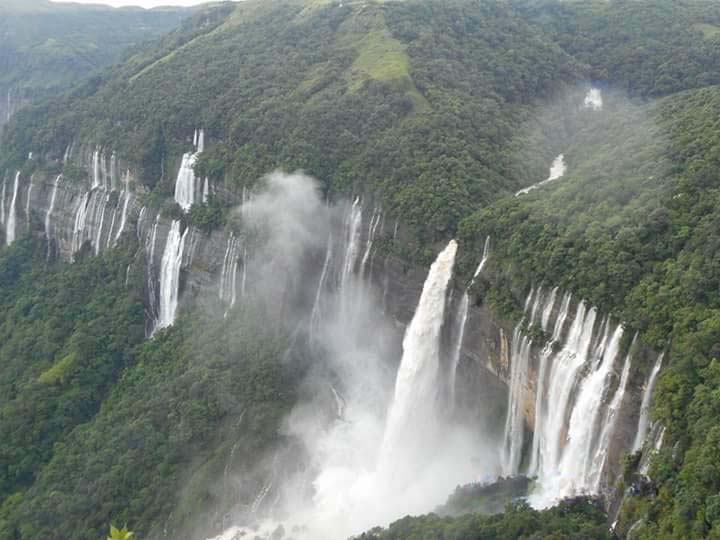
A picturesque waterfall nestled amidst lush greenery. The falls are particularly impressive during and after the monsoon season.
5. Wari Chora
One of Meghalaya’s emerging eco-tourism destinations, Wari Chora features a stunning river gorge with crystal-clear waters, boating opportunities, and dramatic canyon-like landscapes.
6. Aginma Wari Fish Sanctuary
A community-managed conservation area where visitors can observe protected fish species and learn about local conservation initiatives.
7. Chitmang Chaiwat Lake, Badri Rongdong
A tranquil lake surrounded by forests, ideal for picnics, nature walks, and photography.
8. Jadisil Fish Sanctuary
A peaceful natural site known for its clean waters and fish conservation efforts, offering a glimpse into community-based eco-tourism in the Garo Hills.
9. Siju simsang beach camp site
A scenic riverside camping location along the Simsang River where visitors can enjoy nature, birdwatching, and overnight stays under the stars.
10. Balpakram National Park
Located adjacent to the sanctuary, Balpakram National Park is famous for its dramatic gorges, rare wildlife, and spiritual significance in Garo folklore. The sanctuary forms part of an important wildlife corridor connecting the park with surrounding forests.
Google Maps
FAQs
1. Why is Siju Wildlife Sanctuary called the “Bat Sanctuary of India”?
The sanctuary is famous for its massive bat colonies living inside and around Siju Cave. Several rare species of cave-dwelling bats are found here, making it one of India’s most important bat habitats.
2. Is Siju Wildlife Sanctuary suitable for trekking?
Yes, the sanctuary offers beautiful trekking opportunities through forests, riverside trails, and hilly terrain. Guided treks are recommended for safety and better wildlife exploration.
3. What animals can be seen in Siju Wildlife Sanctuary?
Visitors may spot elephants, langurs, slow loris, leopards, barking deer, hornbills, and many species of bats and birds.
4. What is the best season to visit Siju Wildlife Sanctuary?
The best time to visit is from November to April when the weather remains pleasant and forest trails are easier to access.
5. Can Siju Cave be visited along with the sanctuary?
Yes, most visitors combine both destinations during the same trip because Siju Cave is located nearby and forms an important part of the sanctuary’s ecosystem.