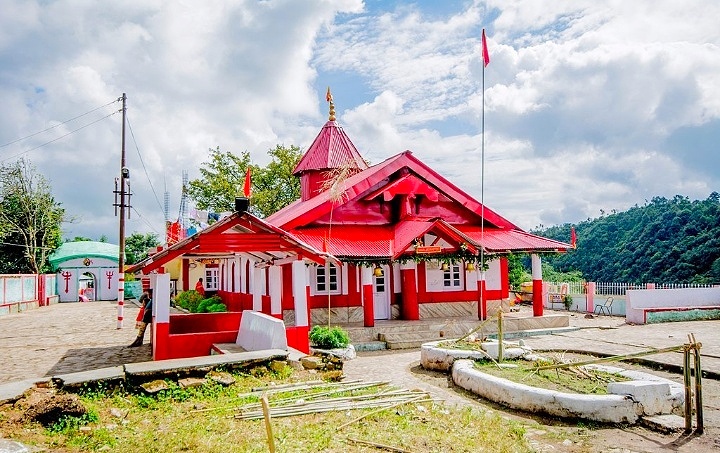
Image Source: Oliver walsher
About Nartiang Temple
The Nartiang Durga Temple, located in the Jaintia Hills of Meghalaya, is one of the most important Shakti Peethas in India. Dedicated to Goddess Durga, it is believed to be the site where Sati’s left thigh fell, making it a sacred pilgrimage destination.
The temple, over 600 years old, was constructed during the rule of the Jaintia kings and continues to be a vibrant center of worship. Its historical, spiritual, and cultural significance makes it a must-visit for devotees and travelers alike.
Historical and Cultural Significance
The temple’s roots lie deep in the Shakti cult of the Jaintia kingdom. It is said that King Jaso Manik of the Jaintia dynasty was a devout worshipper of Goddess Durga and established the temple to enshrine her idol. The site became one of the 51 Shakti Peethas, revered across India and Nepal.
What makes this temple unique is its blend of Hindu rituals and indigenous Jaintia traditions, reflecting the cultural fusion of the region. During Durga Puja, the temple comes alive with grand celebrations, traditional sacrifices, and vibrant festivities that attract thousands of pilgrims.
Temple Architecture
Unlike typical Hindu temples, Nartiang Temple has a unique Khasi-style architecture with sloping roofs and wooden structures adapted to Meghalaya’s climate.
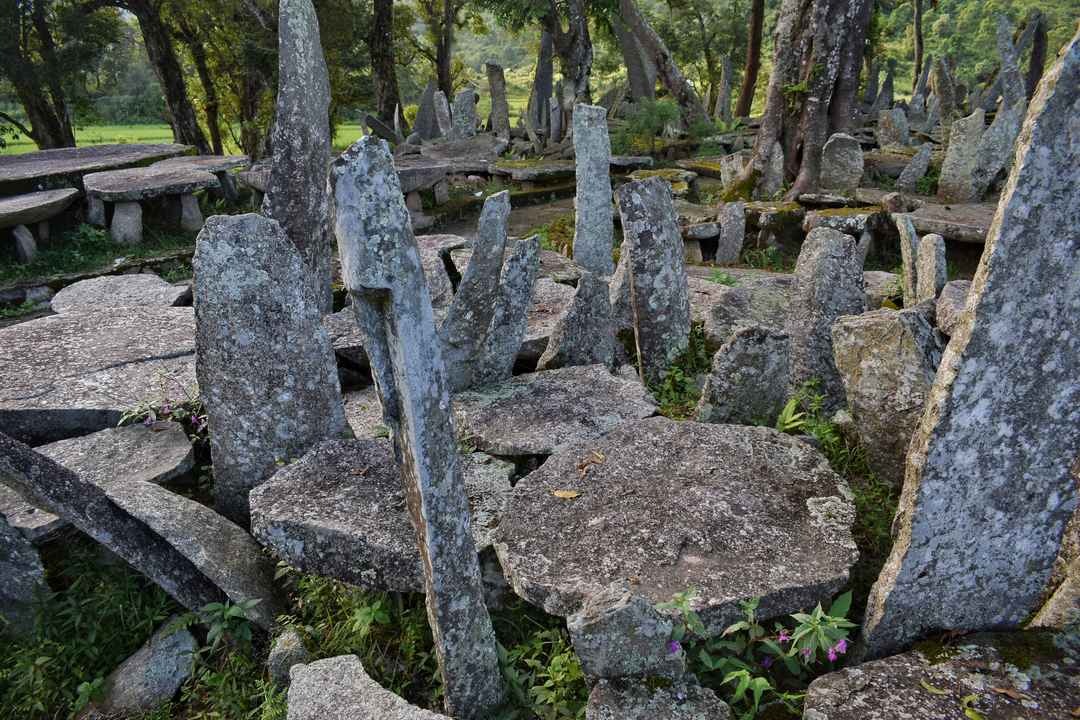
The sanctum houses the idol of Goddess Durga, while the surrounding premises preserve stone monoliths, which are markers of the Jaintia royal dynasty. These monoliths add to the temple’s mystique and make it a historical treasure as well.
Pilgrimage and Visitor Experience
For pilgrims, a visit to the temple is an act of spiritual cleansing and divine blessings. Devotees perform rituals and offer prayers, often accompanied by local customs such as animal sacrifices, which continue as part of age-old traditions.
Visitors are also captivated by the serene environment around the temple, surrounded by lush greenery and hills, creating a perfect balance between spirituality and natural beauty.
How to Reach
By Road: Nartiang Temple is about 65 km from Shillong and 15 km from Jowai, accessible via well-connected roadways. Regular taxis and shared cabs operate between Shillong, Jowai, and Nartiang.
By Air: The nearest airport is Shillong Airport (Umroi), around 75 km away, while Guwahati Airport (160 km) offers better connectivity.
By Rail: The closest railway station is Guwahati Railway Station, from where one can take a taxi or bus to reach Shillong and onward to Nartiang.
Nearby Attractions
The Nartiang Temple, also known as the Nartiang Durga Temple or Maa Jayanti Shakti Peeth, is one of the most important Hindu pilgrimage sites in Meghalaya. Believed to be over 500–600 years old, the temple is regarded as one of the 51 Shakti Peethas and attracts devotees from across Northeast India, especially during Durga Puja. The temple is known for its unique blend of Hindu and Jaintia traditions.
1. Nartiang Monoliths
Located within walking distance of the temple, this historic site features one of India’s largest collections of megalithic stones erected by the Jaintia kings. It is among Meghalaya’s most significant archaeological attractions.
2. Monolith Garden, Nartiang
A beautifully maintained garden showcasing ancient monoliths, offering insights into the rich cultural heritage of the Jaintia Kingdom.
3. Bhairav Mandir Nartiang
Dedicated to Lord Bhairava (Kamadishwar), this temple is closely associated with the Shakti Peeth and is often visited alongside the Durga Temple.
4. Enterance of Jayanti shaktipeeth
The ceremonial entrance to the sacred temple complex offers beautiful views and serves as an important landmark for pilgrims.
5. TYRSHI WATER FALL
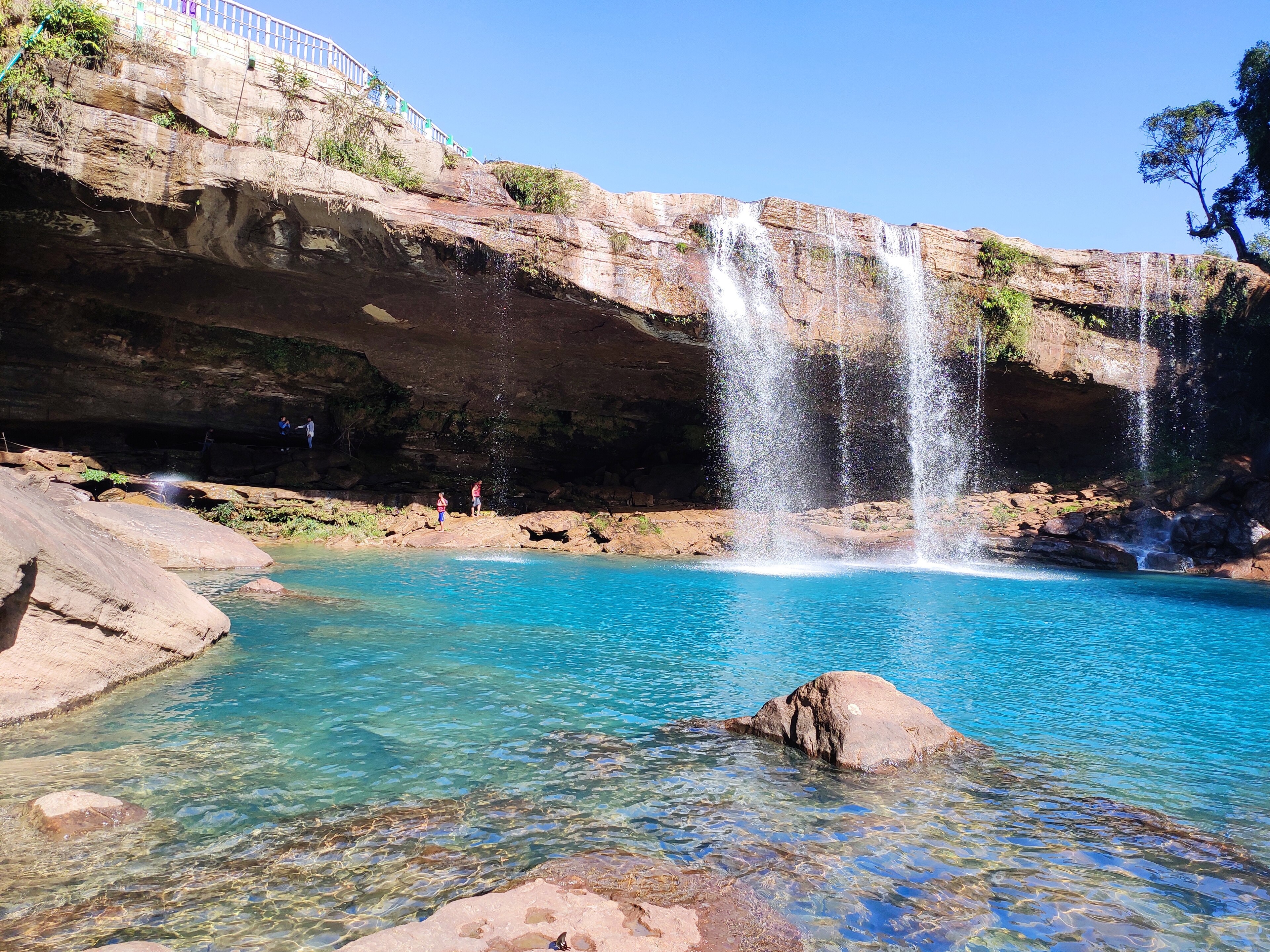
Located near Jowai, this picturesque waterfall is famous for its lush surroundings, hanging bridge, and scenic viewpoints, making it a popular day-trip destination from Nartiang.
6. Thadlaskein Lake
A serene lake associated with Jaintia folklore, ideal for boating, picnics, and enjoying the peaceful natural surroundings.
7. Thwailaroit Fish Sanctuary, Wahiajer-Nartiang
A community-managed conservation area where visitors can observe protected fish species and enjoy the tranquil riverside environment.
8. Kaikada Waterfall, Mupliang Village
A lesser-known waterfall surrounded by greenery, perfect for travelers seeking offbeat natural attractions near Nartiang.
9. Jowai
The headquarters of West Jaintia Hills, Jowai offers local markets, traditional cuisine, cultural sites, and easy access to several waterfalls and lakes.
10. Ialong and Syntu Ksiar
These scenic riverside locations are known for their historical significance, open landscapes, and cultural importance to the Jaintia people.
Google Maps
FAQs
1. Why is Nartiang Temple famous?
Nartiang Temple is famous as one of the 51 Shakti Peethas, where it is believed that the left thigh of Goddess Sati fell. It is one of Meghalaya’s most revered Hindu pilgrimage sites.
2. What deity is worshipped at Nartiang Temple?
The temple is dedicated to Goddess Durga, worshipped locally as Maa Jayanti or Jainteshwari.
3. Where is Nartiang Temple located?
The temple is located in Nartiang village in West Jaintia Hills district, about 27 km from Jowai and around 64 km from Shillong.
4. How old is the temple?
The temple is believed to be approximately 500–600 years old and dates back to the era of the Jaintia Kingdom.
5. What is the best time to visit?
October to April is the best time to visit due to pleasant weather. Durga Puja is the most important festival celebrated here.
6. Is there an entry fee?
No, entry to the temple is generally free for devotees and tourists.
7. What makes the temple unique?
The temple follows a unique blend of Hindu and Khasi-Jaintia traditions. During Durga Puja, a banana plant is worshipped as the Goddess instead of a conventional idol.
8. Can photography be done inside the temple?
Photography is usually allowed in the outer premises, but visitors should seek permission before taking photographs inside sacred areas.
9. How much time is required for a visit?
Most visitors spend 1–2 hours exploring the temple complex, nearby Bhairav Temple, and the Nartiang Monoliths.
10. Can Nartiang Temple be combined with other attractions in a day trip?
Yes. Visitors often combine Nartiang Temple with Nartiang Monoliths, Thadlaskein Lake, Tyrshi Falls, Jowai, and nearby cultural sites for a full-day excursion.