Image Source: Sudiptorana
About Loktak Lake
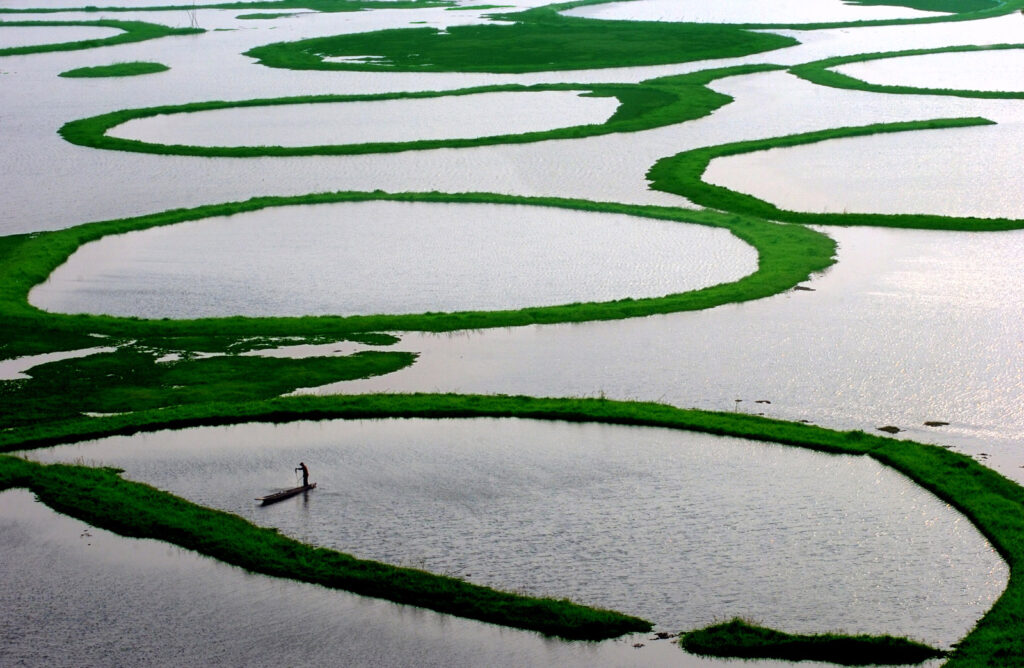
Nestled amidst the serene hills of Manipur, Loktak Lake is one of the most extraordinary natural attractions in Northeast India. Spread across a vast area in the Bishnupur district, this beautiful freshwater lake is famous for its floating islands known as phumdis. These floating masses of vegetation, soil, and organic matter drift across the lake, creating a landscape that feels almost surreal. Because of these unique floating formations, Loktak Lake is often called the “Floating Lake of India.”
The lake is much more than a scenic destination. For centuries, it has been closely connected to the lives, traditions, and livelihoods of the local communities living around its shores. Fishermen depend on its waters for their daily income, while many families continue traditional fishing practices that have been passed down through generations. The calm waters, floating huts, and mist-covered hills surrounding the lake make it one of the most peaceful and visually stunning places in Manipur.
Location and How to Reach
Loktak Lake lies around 53 kilometers southwest of Imphal, the capital city of Manipur. The lake spreads across several districts, including Bishnupur, Thoubal, and Imphal West. The nearest major town is Moirang, which acts as the main gateway to the lake.
Travelers can easily reach Loktak Lake by road from Imphal. The drive usually takes around 1.5 to 2 hours and passes through scenic countryside landscapes, small villages, and paddy fields. Taxis and shared cabs are commonly available from Imphal city.
The nearest airport is Bir Tikendrajit International Airport in Imphal, which is connected to major Indian cities such as Delhi, Kolkata, and Guwahati. From the airport, visitors can hire a taxi directly to Loktak Lake.
The Fascinating Phumdis
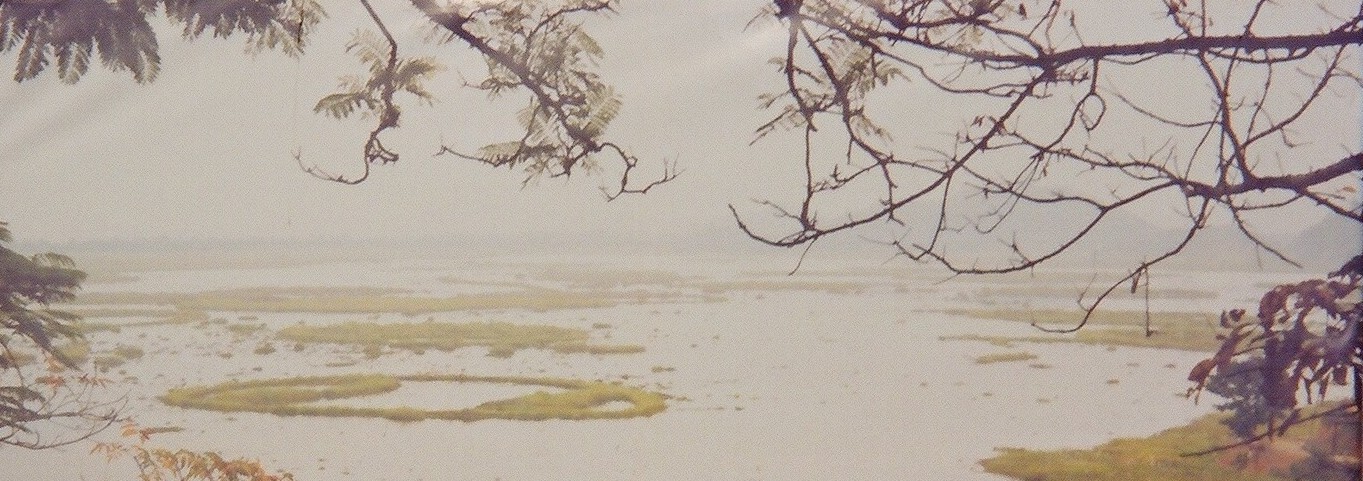
The most unique feature of Loktak Lake is undoubtedly its phumdis. These floating islands vary in size, with some large enough to support huts, fishing areas, and even vegetation. Locals use these floating masses for fishing and small-scale farming, making them an important part of daily life around the lake.
The phumdis constantly move and change shape depending on the water level and season. Seen from a distance, they appear like green patches floating peacefully on the water surface. During sunrise and sunset, the reflection of the sky on the lake creates an unforgettable view.
What makes Loktak even more special is that one of these large phumdis houses the famous Keibul Lamjao National Park, the world’s only floating national park.
Keibul Lamjao National Park and the Sangai Deer
Located on the southern side of Loktak Lake, Keibul Lamjao National Park is one of Manipur’s greatest ecological treasures. The park is globally known as the last natural habitat of the endangered Sangai deer, also called the “dancing deer” because of its delicate movements across the floating wetlands.
The park is rich in biodiversity and supports several species of birds, reptiles, and aquatic life. Birdwatchers often visit the area during winter when migratory birds arrive from colder regions. The watchtower inside the park offers excellent views of the floating grasslands and wildlife.
Nature lovers visiting Loktak Lake usually combine their trip with a visit to Keibul Lamjao National Park for a complete experience of Manipur’s wetland ecosystem.
Cultural Importance of Loktak Lake
Loktak Lake holds a deep emotional and cultural significance for the people of Manipur, especially the Meitei community. Many local legends and folk tales are associated with the lake, and it is often considered sacred by nearby communities.
Traditional fishing techniques are still practiced here, and many fishermen live in floating huts locally known as phumsangs. Life around the lake moves at a slower pace, giving visitors a glimpse into the traditional lifestyle of Manipur.
Festivals and local gatherings near the lake often include folk music, dance, and rituals connected to nature and water. Travelers visiting nearby villages can also experience Manipuri cuisine, which includes smoked fish dishes, bamboo shoot preparations, and traditional herbal flavors unique to the region.
Things to Do at Loktak Lake
Boat Rides on the Lake
A boat ride is one of the best ways to experience Loktak Lake. Gliding through the calm waters allows visitors to closely observe the floating islands, fishermen at work, and floating homes. Early morning rides are especially magical when fog covers parts of the lake.
Visit Sendra Island
Sendra Island is one of the most popular viewpoints overlooking Loktak Lake. The hilltop tourist lodge here provides panoramic views of the floating phumdis and surrounding hills. Sunset views from Sendra are particularly breathtaking.
Explore Moirang
The nearby town of Moirang is historically important and culturally rich. It is famous for the INA Memorial, dedicated to the Indian National Army led by Subhas Chandra Bose. The town also has local markets and museums showcasing Manipuri traditions and folklore.
Birdwatching
During winter, Loktak Lake becomes a paradise for bird enthusiasts. Several migratory birds visit the wetlands, making it an ideal destination for wildlife photography and birdwatching.
Experience Local Food
Small eateries around Moirang and Sendra offer authentic Manipuri dishes. Fresh fish curry, fermented bamboo shoot delicacies, and black rice desserts are some local specialties worth trying.
Best Time to Visit
The best time to visit Loktak Lake is from October to March when the weather remains pleasant and comfortable. Winter also brings migratory birds to the lake, making it an excellent season for nature lovers and photographers.
During the monsoon months from June to September, the lake looks incredibly lush and vibrant. However, heavy rainfall may sometimes affect travel plans and boat rides.
Local Travel Tips
- Start early from Imphal to enjoy the lake during sunrise hours.
- Carry light woolens in winter, especially for morning boat rides.
- Respect local customs and avoid disturbing fishing areas.
- Avoid littering to help preserve the fragile ecosystem of the lake.
- Hiring a local boatman can provide a more authentic and informative experience.
Environmental Challenges and Conservation
Despite its beauty, Loktak Lake faces several environmental threats. Pollution, excessive fishing practices, and changes caused by hydropower projects have affected the lake’s natural balance. The shrinking and degradation of phumdis are major concerns for conservationists.
Government agencies and local communities are working together to protect the lake through conservation programs, eco-tourism initiatives, and awareness campaigns. Responsible tourism plays an important role in preserving this unique wetland ecosystem for future generations.
Google Maps
FAQs
1. Why is Loktak Lake famous?
Loktak Lake is famous for its floating islands called phumdis and for housing Keibul Lamjao National Park, the world’s only floating national park.
2. What is the best time to visit Loktak Lake?
The ideal time to visit is between October and March when the weather is cool and migratory birds arrive at the lake.
3. How far is Loktak Lake from Imphal?
Loktak Lake is located around 53 kilometers from Imphal and can be reached by road in approximately 1.5 to 2 hours.
4. Can tourists stay near Loktak Lake?
Yes, visitors can find hotels, guesthouses, and tourist lodges in areas like Sendra and Moirang, many of which offer beautiful lake views.
5. What animals can be seen at Loktak Lake?
The lake region is home to the endangered Sangai deer, migratory birds, fish species, reptiles, and various wetland animals.
6. Are boat rides available at Loktak Lake?
Yes, local boat rides are available and are one of the best ways to explore the floating islands and surrounding scenery.
7. What is special about Keibul Lamjao National Park?
Keibul Lamjao is the world’s only floating national park and the last natural habitat of the rare Sangai deer.
8. Is Loktak Lake suitable for photography?
Absolutely. The floating phumdis, misty hills, traditional fishing scenes, and sunsets make it one of the most photogenic places in Northeast India.