Image Source: ANURAG VISHWAKARMA
About D’Ering Memorial Wildlife Sanctuary
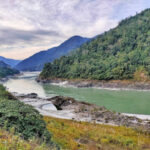
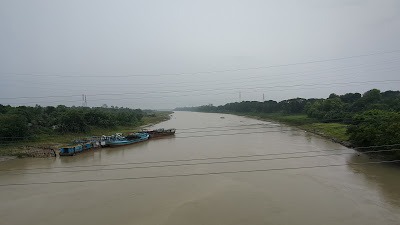
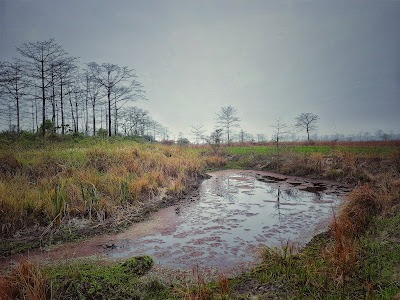
Tucked away in the scenic landscapes of Arunachal Pradesh, D’Ering Memorial Wildlife Sanctuary is one of Northeast India’s most fascinating yet lesser-explored wildlife destinations. Spread across nearly 190 square kilometres in the East Siang district, the sanctuary lies along the mighty Siang River, around 13 kilometres from the town of Pasighat. Unlike the thick evergreen forests commonly associated with Arunachal Pradesh, D’Ering presents a strikingly different landscape dominated by expansive grasslands, riverine forests, marshes, and seasonal floodplains.
Named in honor of Late Dr. Daying Ering, a respected political leader and social reformer from the region, the sanctuary is known for its rich biodiversity and unique ecosystem. The vast stretches of elephant grass swaying beside braided river channels create an almost savannah-like atmosphere, making the area ecologically distinct within the Eastern Himalayas. The sanctuary’s constantly shifting terrain, shaped by annual flooding from the Siang River, supports an incredible variety of wildlife and migratory birds.
Landscape and Natural Beauty
One of the most captivating aspects of D’Ering Memorial Wildlife Sanctuary is its ever-changing scenery. During the monsoon season, the floodplains become lush and vibrant as the river replenishes the wetlands and grasslands. In winter, the landscape transforms into golden meadows covered in mist during the early morning hours, creating spectacular views for photographers and nature lovers.
The sanctuary consists of several river islands and sandy stretches formed by the Siang River. Dense patches of cane forests and riverine woodland break the monotony of open grasslands, offering shelter to numerous species of birds and mammals. The untouched wilderness, combined with the sound of flowing water and migratory bird calls, gives the sanctuary a peaceful and remote atmosphere rarely found in more commercial wildlife parks.
Wildlife and Biodiversity
D’Ering Memorial Wildlife Sanctuary is especially famous among birdwatchers. More than 200 species of birds have been recorded here, including several migratory species that arrive during the winter months. Bird enthusiasts often visit the sanctuary hoping to spot rare and endangered birds such as the Bengal florican, black-necked stork, bar-headed goose, and various species of hornbills and fishing eagles.
The wetlands and grasslands also support a wide variety of mammals. Visitors may encounter hog deer, swamp deer, wild buffaloes, civets, jackals, and occasionally elephants moving through the grasslands. Otters are sometimes seen along the riverbanks, while the waters of the Siang River are known to host the elusive Gangetic river dolphin in certain stretches.
Because the sanctuary remains relatively undisturbed compared to many famous national parks in India, wildlife sightings often feel more authentic and intimate. The open terrain also makes animal spotting easier than in dense forest habitats.
Unique Experiences and Things to Do
Birdwatching
Birdwatching is undoubtedly the biggest attraction of the sanctuary. Winter mornings are especially rewarding, as migratory birds gather near wetlands and riverbanks. The combination of open skies, floodplains, and grasslands creates excellent opportunities for observing birds in their natural habitat.
Boat Safari on the Siang River
Reaching parts of the sanctuary often involves an exciting boat ride across the Siang River. These river safaris are not only adventurous but also provide beautiful views of the surrounding landscape. During the journey, visitors may spot otters, raptors hovering above the river, and occasionally river dolphins surfacing in the water.
Grassland Trekking and Wildlife Spotting
Exploring the grasslands on foot offers a completely different experience from traditional jungle safaris. Walking through towering elephant grass while hearing distant bird calls and spotting grazing deer creates a raw connection with nature.
Photography Expeditions
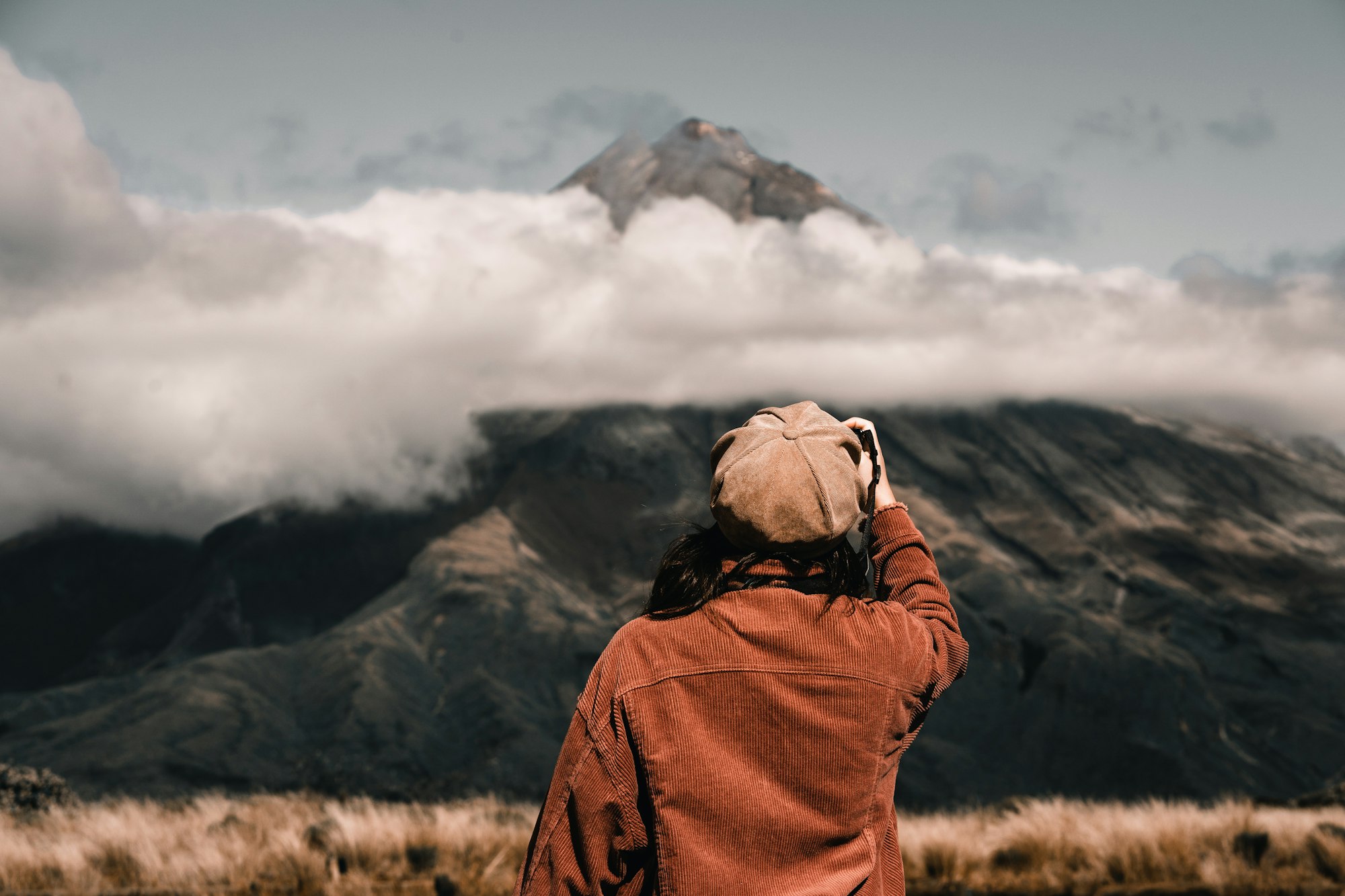
The sanctuary is a dream destination for wildlife and landscape photographers. Sunrise over the mist-covered floodplains, birds flying against glowing skies, and reflections along calm river channels make every corner photogenic.
Cultural Interaction with Tribal Communities
The nearby villages inhabited by the Adi and Mishing communities add a cultural dimension to the journey. Travelers can learn about traditional fishing techniques, bamboo craftsmanship, indigenous farming practices, and local cuisine deeply connected to the river ecosystem.
Ecological and Cultural Importance
D’Ering Memorial Wildlife Sanctuary plays a crucial role in protecting one of the last major riverine grassland ecosystems in Arunachal Pradesh. Such habitats are rapidly disappearing across India due to urbanization, agriculture, and changing river systems. The sanctuary serves as an important refuge for migratory birds and grassland-dependent wildlife species.
The Siang River itself holds immense cultural significance for local tribal communities. For generations, the river and its fertile islands have sustained livelihoods through fishing, farming, and transportation. Many local legends and traditional stories are also closely tied to the river and surrounding forests.
How to Reach
By Air
The nearest major airport is Dibrugarh Airport in Assam, located approximately 150 kilometres away. From Dibrugarh, travelers can reach Pasighat by road and ferry services.
By Rail
The closest railway station is Murkongselek Railway Station, situated around 35 kilometres from Pasighat. Taxis and local transport are available from the station.
By Road
Pasighat is well connected by road to Itanagar, Guwahati, and Dibrugarh through buses and shared taxis. From Pasighat, visitors usually take boats across the Siang River to access different parts of the sanctuary.
Nearby Attractions
1. Daying Ering wildlife sanctuary
The sanctuary itself is the region’s primary attraction, known for vast grasslands, wetlands, migratory birds from Siberia and Mongolia, and diverse wildlife. Winter is particularly rewarding for birdwatchers.
2. Pasighat
Located about 13 km from the sanctuary, Pasighat is the oldest town in Arunachal Pradesh. It serves as the main gateway to the sanctuary and offers riverfront views, local markets, and cultural experiences.
3. Siang River
The mighty Siang River surrounds much of the sanctuary and provides opportunities for boating, photography, birdwatching, and enjoying spectacular river landscapes.
4. Pangin
Pangin is famous for the confluence of the Siang and Siyom rivers. The contrasting colors of the two rivers create one of the most beautiful natural sights in Arunachal Pradesh.
5. Borguli
Borguli serves as one of the main entry points to the sanctuary and is known for its grasslands, wetlands, and excellent birdwatching opportunities.
6. Namsing
Namsing is a scenic area near the sanctuary featuring river channels, floodplain ecosystems, and rich biodiversity. It is particularly popular among nature photographers.
7. Sibya River
Flowing along the sanctuary boundary, the Sibya River contributes to the formation of islands and wetlands that support the area’s unique ecosystem.
8. Komsing
This historic Adi village offers visitors an opportunity to experience traditional tribal culture, local architecture, and rural life in the Siang Valley.
9. Yingkiong
A scenic hill town upstream along the Siang River, Yingkiong is known for its mountain landscapes, tribal culture, and trekking opportunities.
10. Mouling National Park
Located north of the Siang Valley, Mouling National Park is a biodiversity hotspot featuring dense forests, rare wildlife, and spectacular Himalayan scenery.
11. Sille-Oyan Circle
This scenic region near Pasighat is known for agricultural landscapes, traditional villages, and beautiful views of the Siang basin.
12. Brahmaputra River Basin
The sanctuary forms part of the greater Brahmaputra floodplain ecosystem, making it one of the most ecologically significant wetland regions in Northeast India.
Best Time to Visit
November to March
This is considered the ideal time to visit the sanctuary. The weather remains cool and pleasant, migratory birds arrive in large numbers, and the grasslands become perfect for photography and wildlife observation.
April to June
These months are suitable for wildlife sightings and river activities, although temperatures can become slightly warm during the daytime.
July to September
The monsoon season is generally avoided due to heavy rainfall and flooding. River crossings may become difficult, and certain parts of the sanctuary can remain inaccessible.
Google Maps
FAQs
Why is D’Ering Memorial Wildlife Sanctuary famous?
The sanctuary is famous for its unique riverine grassland ecosystem, rich birdlife, migratory species, and scenic floodplain landscapes along the Siang River.
Which animals can be spotted in the sanctuary?
Visitors may spot hog deer, swamp deer, wild buffaloes, elephants, otters, jackals, and numerous bird species including hornbills and black-necked storks.
Is D’Ering Memorial Wildlife Sanctuary good for birdwatching?
Yes, it is considered one of the best birdwatching destinations in Arunachal Pradesh, especially during winter when migratory birds arrive.
How far is the sanctuary from Pasighat?
The sanctuary is located approximately 13 kilometres from Pasighat.
Are boat safaris available in the sanctuary?
Yes, boat rides across the Siang River are one of the most popular ways to explore the sanctuary and nearby river islands.
What is the best season for photography?
Winter, particularly between November and February, is the best season for photography due to misty mornings, migratory birds, and clear weather.
Do tourists need permits to visit Arunachal Pradesh?
Yes, Indian tourists generally require an Inner Line Permit (ILP), while foreign tourists need a Protected Area Permit (PAP) to visit Arunachal Pradesh.