Image Source: Rohit Naniwadekar
About Kane Wildlife Sanctuary
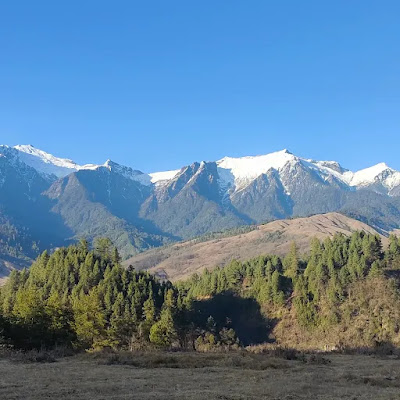
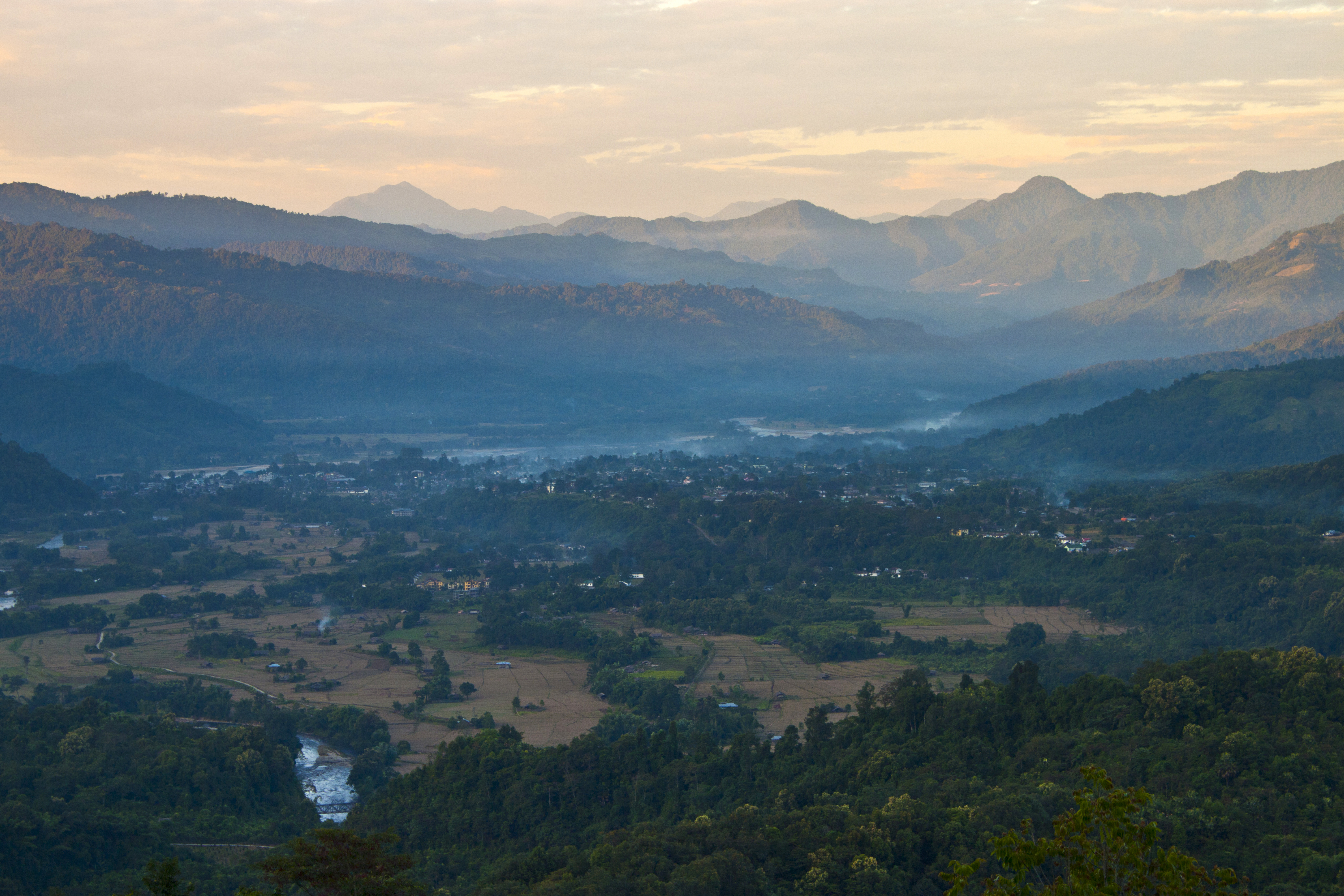
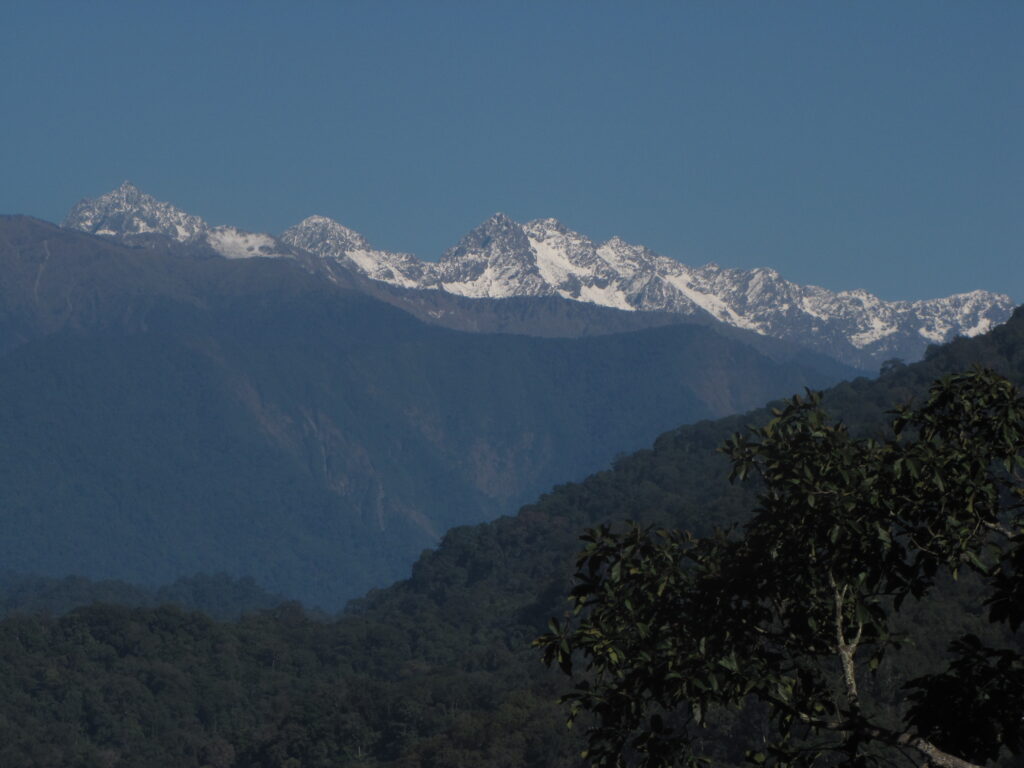
Nestled in the West Siang district of Arunachal Pradesh, Kane Wildlife Sanctuary is a compact but ecologically rich reserve spread over 55 square kilometres near the Arunachal–Assam border.
It lies along the Along (Aalo)–Likabali road, making it an accessible stop for travellers entering Arunachal from the plains of Assam. The sanctuary is a blend of tropical evergreen forests, bamboo groves, and riverine belts, providing a safe haven for rare Himalayan and Indo-Burmese wildlife. Despite its small size, Kane is a biodiversity hotspot and an important corridor for elephants and other large mammals moving between forested tracts of Arunachal and Assam.
Unique Experiences & Things to Do
Wildlife Spotting – The sanctuary is home to elephants, barking deer, leopard cats, wild boars, and smaller mammals like civets and pangolins.
Birding Paradise – Spot species like hornbills, barbets, drongos, minivets, and seasonal migratory birds.
Nature Walks & Bamboo Trails – The dense bamboo and cane forests create beautiful walking paths ideal for slow exploration.
Cultural Stopover – Visit nearby Galo tribal villages to experience bamboo weaving, traditional houses, and millet-based cuisine.
Scenic River Views – The Yomcha and Kane rivers skirt the sanctuary, adding serene picnic spots and fishing opportunities.
Ecological & Cultural Significance
Kane Wildlife Sanctuary plays a critical role as a buffer zone for wildlife moving between Assam’s grasslands and Arunachal’s hill forests. The Galo tribes, who inhabit the surrounding areas, have deep traditional ties to the forest — using bamboo, cane, and medicinal plants sustainably for centuries. This coexistence of people and wildlife makes Kane a model for community-driven conservation.
How to Reach
By Air: The nearest airport is Dibrugarh (Assam), about 150 km away.
By Rail: The closest railway station is at Silapathar (Assam), ~45 km from Likabali.
By Road: From Likabali, the sanctuary is just 12 km along the road to Aalo. Regular taxis and shared vehicles are available.
Nearby Attractions
Located in the West Siang district of Arunachal Pradesh, Kane Wildlife Sanctuary is a lesser-explored biodiversity hotspot known for its tropical evergreen forests, rich birdlife, and diverse wildlife. Established in 1991, the sanctuary spans approximately 55 sq km and serves as an important habitat for elephants, gaur, Asiatic black bears, hornbills, white-winged ducks, and numerous other species.
1. Aalo
Aalo (formerly Along) is the nearest major town to Kane Wildlife Sanctuary. Nestled amidst hills and rivers, it is known for its scenic beauty, hanging bridges, local markets, and vibrant Galo tribal culture. Aalo serves as the primary gateway for visitors heading to the sanctuary.
2. Mouling National Park
One of Arunachal Pradesh’s most important protected areas, Mouling National Park is renowned for its dense forests, diverse wildlife, and spectacular mountain landscapes. The park forms part of the larger Dihang-Dibang Biosphere Reserve.
3. Siyom River
Flowing through West Siang district, the Siyom River offers breathtaking views, riverside walks, fishing opportunities, and photography spots amidst pristine Himalayan scenery.
4. Patum Bridge
One of the oldest hanging bridges in the region, Patum Bridge is an engineering and cultural landmark. The bridge provides beautiful views of the surrounding river valleys and hills.
5. Ramakrishna Mission
This well-known institution in Aalo contributes to education and social development in the region. The peaceful campus attracts visitors interested in local culture and community initiatives.
6. Kabu Village
A traditional Galo tribal village where visitors can experience indigenous customs, architecture, local cuisine, and the unique cultural heritage of the region.
7. Mithun and Jersey Cross Breeding Farm
This farm provides insights into the breeding and conservation of mithun, the iconic bovine species of Northeast India that holds immense cultural significance.
8. Megalithic Sites of Aalo
These ancient stone monuments reflect the rich history and traditions of the Galo community and offer a glimpse into the region’s archaeological heritage.
9. Likabali
Situated near the Arunachal-Assam border, Likabali serves as an important entry point into West Siang district and is surrounded by scenic hills and forests.
10. Mechuka Valley
Known for its snow-clad mountains, traditional villages, and breathtaking landscapes, Mechuka Valley is one of the most beautiful destinations in western Arunachal Pradesh and can be combined with a West Siang itinerary.
Best Time to Visit
October–April – Pleasant weather, good for wildlife sightings and outdoor activities.
May–September – Monsoon brings lush greenery but some trails may be slippery.
Google Maps
FAQs
- Where is Kane Wildlife Sanctuary located?
Kane Wildlife Sanctuary is located in West Siang district of Arunachal Pradesh, near the Arunachal-Assam border.
- What is Kane Wildlife Sanctuary famous for?
The sanctuary is known for its rich biodiversity, dense forests, rare birds, and wildlife including elephants, gaur, Asiatic black bears, hornbills, and white-winged ducks.
- When was Kane Wildlife Sanctuary established?
The sanctuary was declared a protected wildlife area in 1991.
- What is the best time to visit Kane Wildlife Sanctuary?
The best time to visit is from October to April when the weather is pleasant and wildlife sightings are more favorable.
- How large is Kane Wildlife Sanctuary?
The sanctuary covers approximately 55 square kilometers of forested terrain.
- Which animals can be seen in the sanctuary?
Visitors may spot elephants, Bengal tigers, gaur, Asiatic black bears, deer, capped langurs, Himalayan serow, and several species of small mammals.
- Is Kane Wildlife Sanctuary good for birdwatching?
Yes. More than 70 bird species have been recorded here, including the white-winged duck, rufous-necked hornbill, and white-bellied heron.
- What type of vegetation is found in the sanctuary?
The sanctuary contains tropical evergreen forests, semi-evergreen forests, bamboo groves, and subtropical broadleaf forests.
- Which is the nearest town to Kane Wildlife Sanctuary?
Aalo is the nearest major town and serves as the primary base for travelers visiting the sanctuary.
- Do visitors need permits to visit Kane Wildlife Sanctuary?
Yes. Visitors to Arunachal Pradesh generally require an Inner Line Permit (ILP) for Indian citizens, while foreign nationals require the appropriate Protected Area Permit (PAP).