Image Source: Anu007bora
About Aalo
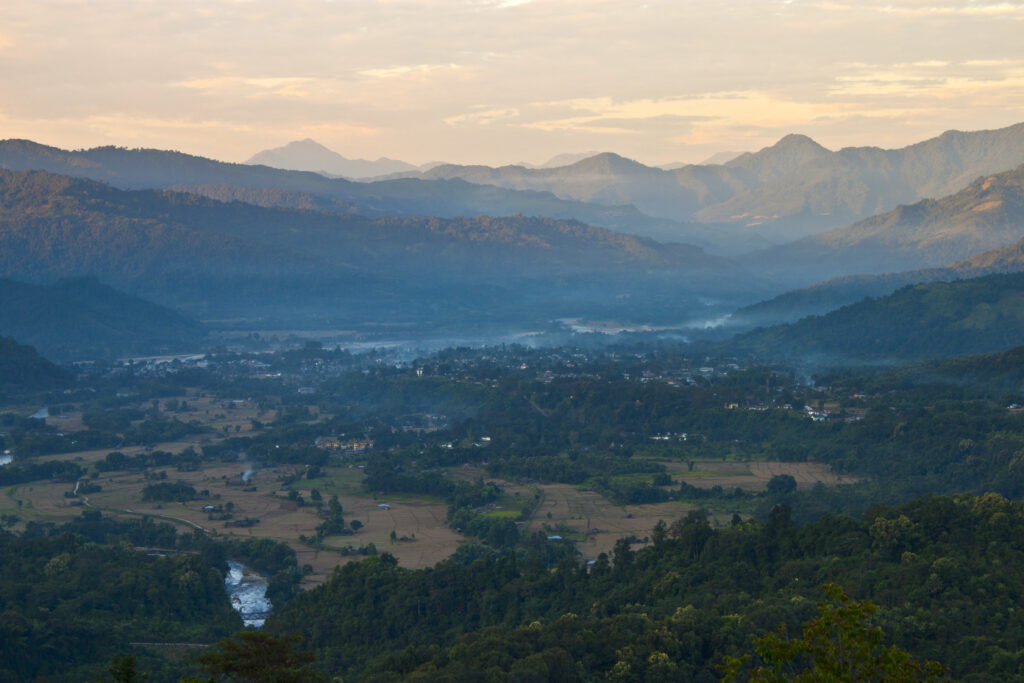
Tucked away in the scenic hills of West Siang district in Arunachal Pradesh, the charming town of Aalo — formerly known as Along — is one of Northeast India’s most underrated travel destinations. Surrounded by dense forests, rolling green hills, and fast-flowing rivers, Aalo offers a refreshing escape into nature while preserving the rich traditions of tribal life. Unlike crowded tourist hotspots, the beauty of Aalo lies in its simplicity: quiet villages, friendly locals, breathtaking landscapes, and experiences that feel deeply authentic.
What makes Aalo truly memorable are its traditional hanging bamboo bridges and the serene river islands scattered across the waters of the Siyom and Sipu rivers. Together, they create a landscape that feels almost untouched by time, where adventure and culture exist side by side.
The Famous Hanging Bamboo Bridges
One of the most iconic sights in Aalo is its network of hanging bamboo bridges stretched across roaring rivers and deep valleys. Built using bamboo, cane, wood, and strong jute ropes sourced locally, these bridges are remarkable examples of indigenous engineering and craftsmanship. Long before modern concrete structures reached these remote hills, local tribal communities relied on these handmade bridges for daily travel and trade.
Walking across one of these bridges is an unforgettable experience. The bridge sways gently beneath your feet as the river rushes below, while cool mountain air and the sound of flowing water surround you. Every step offers panoramic views of emerald hills, terraced farms, and thick forests alive with birdsong. During sunrise and sunset, the scenery becomes especially magical as golden light reflects off the river and surrounding landscape.
These bridges are not tourist attractions created for display — they are a living part of everyday life in Aalo. Villagers use them daily to travel between settlements, carry agricultural produce, reach local markets, and access schools. It is common to see farmers crossing with baskets on their backs, children laughing on their way to class, or locals guiding mithun, the traditional bovine animal of Arunachal, across the narrow paths. Watching this daily rhythm gives visitors a deeper understanding of the region’s culture and resilience.
For photographers and adventure lovers, the hanging bridges provide some of the most picturesque spots in the region. Their rustic texture against the dramatic river valleys creates a visual experience unlike anywhere else in India.
The Beauty of Aalo’s River Islands
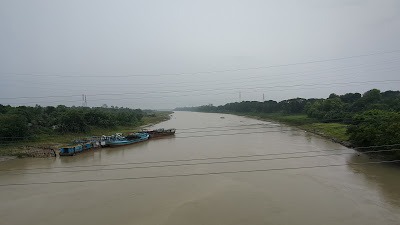
Another unique attraction in Aalo is its peaceful river islands, formed seasonally along the Siyom River as the water levels change. During the dry months, patches of sandbanks and fertile green land emerge from the river, creating temporary islands that locals use for farming, fishing, and recreation.
These islands are calm, quiet spaces where life moves at a slower pace. Many locals visit them for picnics, while others cultivate seasonal crops such as mustard, maize, and vegetables. Sitting beside the river here feels incredibly peaceful — the sound of flowing water, distant conversations from nearby villages, and the occasional call of birds create an atmosphere that is both relaxing and deeply immersive.
Some of these islands can only be reached by narrow wooden canoes, adding a sense of adventure to the experience. Gliding across the river in a traditional dugout canoe allows travellers to appreciate the untouched beauty of the landscape from a completely different perspective.
Nature enthusiasts visiting the islands may spot kingfishers, river birds, freshwater fish, and occasionally even otters along the quieter riverbanks. Early mornings are especially beautiful, with mist rising gently over the river, while evenings bring dramatic skies and shimmering reflections on the water.
Culture and Tribal Life
A visit to Aalo is not just about scenery — it is also an opportunity to experience the vibrant tribal culture of the region. The town is primarily inhabited by the Galo tribe, known for their warm hospitality, colorful traditions, and strong connection to nature. Traditional bamboo houses, handwoven clothing, folk music, and local festivals continue to play an important role in everyday life.
Visitors who spend time in nearby villages often discover a way of life centered around community, agriculture, and harmony with the environment. Local cuisine is another highlight, featuring smoked meats, bamboo shoot preparations, rice beer, and fresh river fish cooked using traditional methods.
Festivals celebrated in and around Aalo bring the town to life with dance, music, and rituals. These celebrations offer travellers a chance to witness the cultural richness of Arunachal Pradesh beyond its landscapes.
Adventure and Outdoor Activities
Beyond the bridges and river islands, Aalo is also becoming increasingly popular among adventure travellers. Trekking through nearby hills and forests offers spectacular viewpoints and encounters with untouched wilderness. The surrounding rivers attract anglers and rafting enthusiasts during suitable seasons, while nature walks around the villages provide excellent opportunities for birdwatching and photography.
Because tourism in Aalo is still relatively low-key, the experience feels far more intimate and personal compared to commercial hill stations. Travellers looking for peace, authenticity, and raw natural beauty often find Aalo deeply rewarding.
How to Reach Aalo
By Air
The nearest airport is Pasighat Airport, located approximately 150 kilometers away. Flights from Guwahati connect travelers to Pasighat, from where taxis and shared vehicles are available for the onward journey to Aalo.
By Rail
The closest railway station is Murkongselek Railway Station, around 130 kilometers from Aalo. Travelers arriving by train can hire taxis or shared sumos to reach the town.
By Road
Aalo is well connected by road to Itanagar, Pasighat, and Dibrugarh via the famous Bogibeel Bridge. The drive itself is one of the highlights of the trip, taking travellers through winding mountain roads, lush bamboo forests, waterfalls, and stunning views of the Siang valley.
Best Time to Visit
The ideal time to visit Aalo is between October and March. During these months, the weather remains cool and pleasant, making it perfect for sightseeing, photography, trekking, and exploring the hanging bridges and river islands comfortably.
The post-monsoon season transforms the hills into vibrant shades of green, while winter mornings bring crisp mountain air and clear skies. River levels are also calmer during this period, making canoe rides and island visits safer and more enjoyable.
Monsoon months, although incredibly scenic, can bring heavy rainfall and challenging road conditions. Travelers planning a monsoon trip should check weather and transport conditions in advance.
Google Maps
FAQs
Why is Aalo famous?
Aalo is best known for its traditional hanging bamboo bridges, scenic river islands, rich tribal culture, and breathtaking landscapes in West Siang district of Arunachal Pradesh.
Are the hanging bridges in Aalo safe?
Yes, most of the bridges used regularly by locals are maintained and safe for crossing. However, visitors should walk carefully, especially during rainy weather, as the bridges can sway and become slippery.
Which river flows through Aalo?
The Siyom River and Sipu River are the major rivers flowing through and around Aalo, contributing greatly to the region’s scenic beauty.
What activities can tourists enjoy in Aalo?
Visitors can explore bamboo bridges, visit river islands, go trekking, enjoy canoe rides, experience tribal culture, photograph landscapes, and try local Arunachali cuisine.
How many days are enough to explore Aalo?
A 3 to 4-day trip is usually ideal for exploring Aalo comfortably, including nearby villages, bridges, river islands, and nature spots.
Is an Inner Line Permit (ILP) required to visit Aalo?
Yes, Indian tourists need an Inner Line Permit to enter Arunachal Pradesh. Foreign nationals require a Protected Area Permit (PAP).
What kind of accommodation is available in Aalo?
Aalo offers a mix of budget hotels, guesthouses, homestays, and a few mid-range accommodations. Homestays are especially recommended for experiencing local culture and hospitality.
Is Aalo suitable for family travel?
Yes, Aalo is a peaceful and family-friendly destination ideal for nature lovers, photographers, and travelers looking for a quiet cultural experience away from crowded tourist areas.
What local food should visitors try in Aalo?
Visitors should try bamboo shoot dishes, smoked pork, local fish preparations, rice beer, and traditional tribal meals prepared using fresh organic ingredients.
Can river islands in Aalo be visited throughout the year?
No, many of the river islands are seasonal and become more visible during the dry months when river water levels recede, especially from October to March.