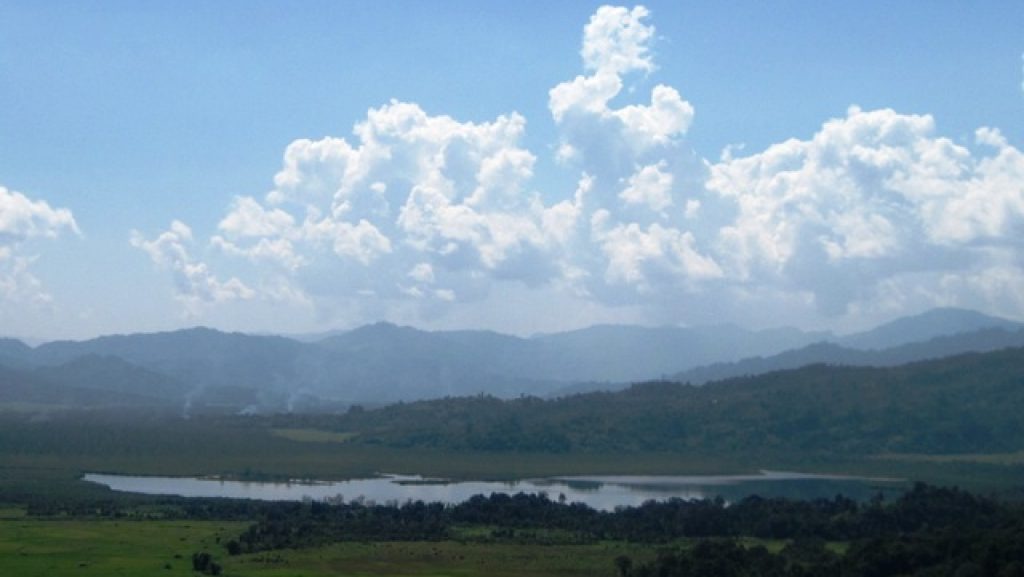
Image Source: changlang.nic.in
About Pangsau Lake
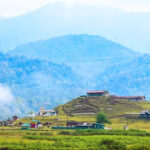
Hidden among the mist-covered folds of the Patkai Hills, Pangsau Lake is one of the most fascinating and lesser-known destinations in Arunachal Pradesh. Located near the Indo–Myanmar border in the Changlang district, this tranquil lake combines natural beauty, wartime history, tribal culture, and local folklore in a way few places can. Surrounded by dense forests and rolling hills, the lake feels almost untouched by time, offering travellers a peaceful retreat far from crowded tourist circuits.
What makes Pangsau Lake especially unique is its location right at the edge of India and Myanmar. From the lakeside, visitors can see landscapes stretching seamlessly across the border, reminding travellers that nature exists beyond political boundaries. The calm atmosphere, cool mountain breeze, and remote surroundings make it a memorable stop for anyone exploring eastern Arunachal Pradesh.
The Historic Journey Along Stilwell Road
Reaching Pangsau Lake is an experience in itself. Most travellers begin their journey from Nampong, the last major Indian settlement before the Myanmar border. From there, the route follows the historic Stilwell Road, one of the most important wartime roads built during World War II. Constructed under the leadership of American General Joseph Stilwell, this road once connected India to China through Myanmar and played a crucial role in military logistics during the war.
Today, travelling along this route feels like stepping into a forgotten chapter of history. The road winds through thick forests, misty valleys, and remote tribal villages. Bamboo homes line the roadside, often decorated with traditional patterns, drying herbs, and handmade crafts. Along the way, travellers may encounter members of the Tangsa tribe, one of the prominent indigenous communities of the region, known for their warm hospitality and rich cultural traditions.
The combination of historical significance and dramatic mountain scenery makes the drive to Pangsau Lake as rewarding as the destination itself.
The Peaceful Beauty of the Lake
At an altitude of around 370 metres above sea level, Pangsau Lake appears almost unexpectedly amid the hills. Its still waters reflect the surrounding greenery and cloudy skies so perfectly that the lake often resembles a giant natural mirror. Early mornings are particularly magical, with fog slowly drifting across the water while the surrounding hills emerge through the mist.
The opposite side of the lake lies in Myanmar, giving the place a rare cross-border character. Even though international boundaries divide the region politically, the landscape remains visually continuous, creating a sense of shared geography and culture.
Unlike commercial tourist lakes filled with boating activities and crowds, Pangsau Lake retains a quiet, untouched charm. Visitors usually spend their time walking along the lakeside, enjoying photography, birdwatching, or simply sitting in silence and absorbing the scenery.
Legends, Mystery, and Tribal Folklore
Pangsau Lake is deeply woven into the oral traditions of local communities. Among the Tangsa people, several stories and myths are associated with the lake, adding a mysterious atmosphere to the already secluded location.
One of the most widely shared legends claims that the lake is bottomless and inhabited by spirits. Because of these beliefs, many locals traditionally avoided swimming in its waters. Whether viewed as folklore or spiritual belief, such stories continue to shape the identity of the lake and contribute to its mystical reputation.
The misty surroundings, dense forests, and near-silent environment often make these legends feel believable, especially during dawn and dusk when the lake is wrapped in fog. Older residents also recall times when people from both sides of the border could move more freely through the region before stricter border controls were introduced.
Pangsau Pass Winter Festival
Every January, the peaceful border region transforms into a lively cultural hub during the famous Pangsau Pass Winter Festival. This annual celebration attracts visitors from Arunachal Pradesh, Assam, and neighbouring Myanmar, creating a vibrant showcase of cultural exchange and regional unity.
The festival highlights the traditions of local tribes through folk music, dance performances, handicraft exhibitions, and food stalls. Visitors can explore displays of Tangsa bead jewellery, handwoven shawls, bamboo products, and traditional tribal ornaments. The aroma of smoked meat, local rice dishes, and freshly brewed black tea fills the air, adding to the festive atmosphere.
Traditional drum performances and colourful dances become the heart of the celebration, while cultural groups from Myanmar also participate, making the festival a rare example of cross-border cultural harmony in Northeast India.
Rich Biodiversity and Birdlife
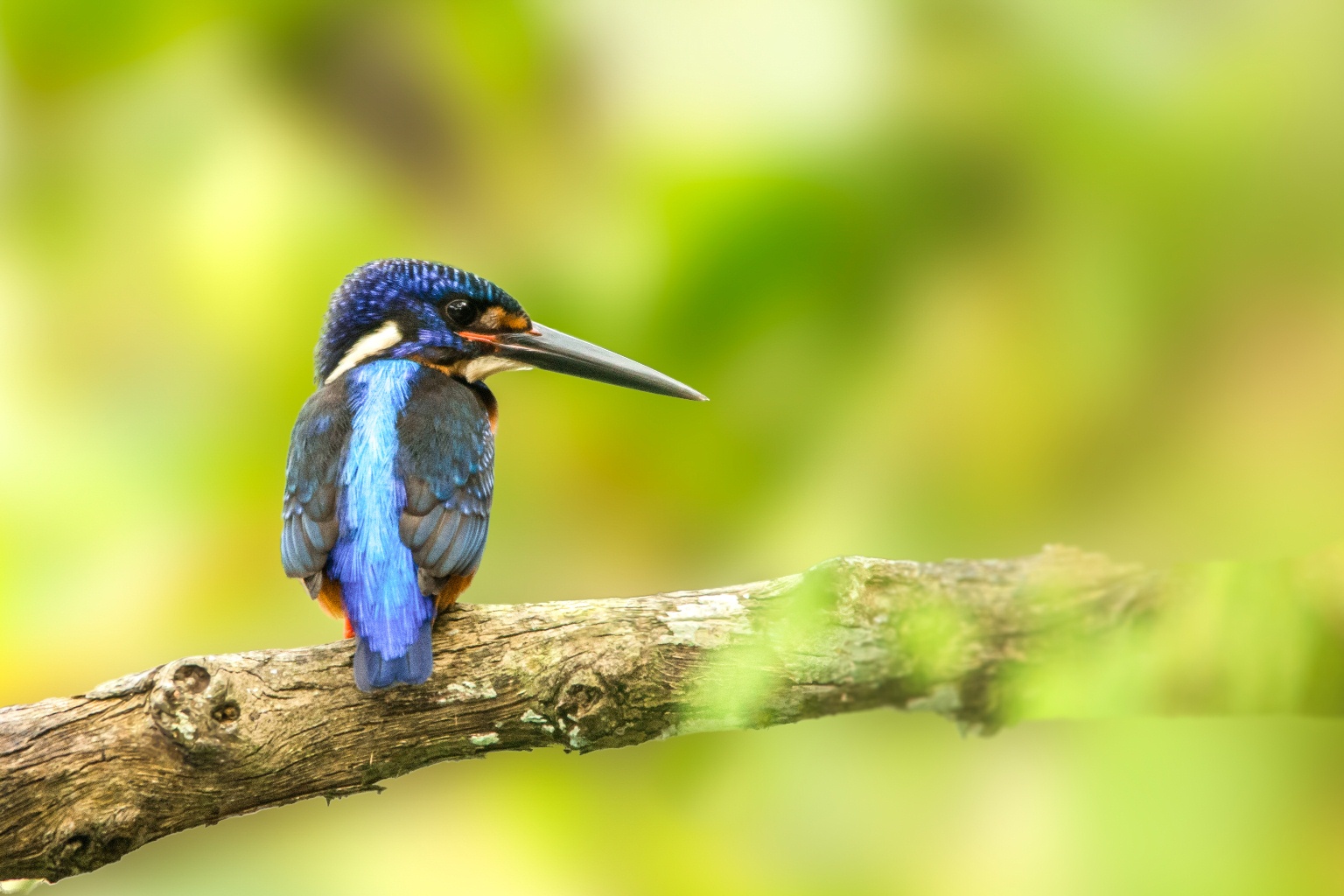
The forests and wetlands surrounding Pangsau Lake are rich in biodiversity. Nature lovers and birdwatchers often visit the area to observe migratory and native bird species that thrive in the region’s peaceful environment.
The Patkai Hills are home to evergreen forests filled with orchids, wild banana plants, ferns, and tall hollong trees, which are considered among the most important timber trees of Northeast India. The cool climate and dense vegetation also support butterflies, small mammals, and numerous forest birds.
Because tourism in the area is still limited, the ecosystem remains relatively undisturbed compared to more commercial destinations. Scenic walking paths around the lake allow visitors to experience the natural beauty up close while enjoying the fresh mountain air.
History and Strategic Importance
Beyond its beauty, Pangsau Lake and the surrounding region hold strategic and historical significance. During World War II, the nearby Pangsau Pass served as a crucial gateway between India and Burma (now Myanmar). Soldiers, engineers, and workers passed through these hills while constructing the Stilwell Road under extremely difficult conditions.
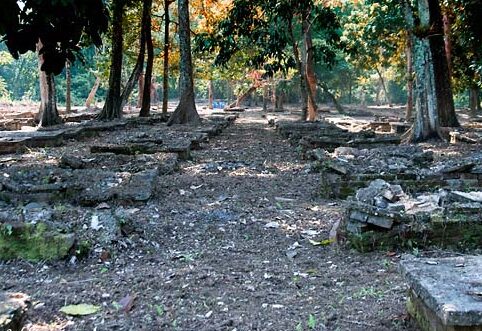
Even today, remnants of wartime activity can occasionally be found along the route, including abandoned structures and historical markers. For history enthusiasts, the region offers a fascinating glimpse into one of the lesser-known theatres of World War II in Asia.
The border location also gives the area geopolitical importance, making it a culturally sensitive yet historically rich destination.
Best Time to Visit Pangsau Lake
The ideal time to visit Pangsau Lake is between November and February, when the weather remains cool and pleasant. During winter, the skies are generally clearer, making the mountain views and reflections on the lake especially beautiful.
January is particularly popular because of the Pangsau Pass Winter Festival. Travellers who visit during this period get to experience both the scenic beauty and the cultural vibrancy of the region.
The monsoon season, from June to September, brings heavy rainfall to the Patkai Hills. While the forests become lush and green, landslides and slippery roads can make travel difficult.
How to Reach Pangsau Lake
The nearest major town is Tinsukia in Assam, which has railway connectivity and access to nearby airports such as Dibrugarh Airport. From Tinsukia, travellers usually continue by road toward Nampong and then onward to Pangsau Lake.
The journey from Assam into Arunachal Pradesh passes through beautiful forested landscapes and small tribal settlements. Visitors typically require an Inner Line Permit (ILP) to enter Arunachal Pradesh, which should be arranged before travel.
Road conditions in the region may vary depending on weather, so planning the trip carefully is recommended.
Accommodation and Local Experiences
Accommodation options near Pangsau Lake are simple but authentic. Small guesthouses in Nampong and homestays run by local families provide visitors with a chance to experience the region’s culture more closely.
Staying with Tangsa families often includes traditional meals, local stories, and insight into tribal customs and daily life. These experiences offer a more meaningful connection to the region than standard hotel stays.
Because the area is remote, travellers should carry essential supplies, warm clothing during winter, and sufficient cash, as digital payment facilities may be limited in some places.
Nearby Attractions
Travellers visiting Pangsau Lake can also explore several nearby attractions:
- Nampong Village – A scenic border settlement known for its tribal culture and historical importance.
- Stilwell Road Relics – Wartime remains and historical points connected to World War II.
- Pangsau Pass – A historically significant mountain pass near the India–Myanmar border.
- Patkai Hills Trekking Routes – Ideal for trekking, photography, and nature exploration.
- Tribal Villages – Opportunities to experience the traditions and lifestyles of local communities.
Why Pangsau Lake Leaves a Lasting Impression
Pangsau Lake is more than just a scenic destination. It is a place where history, culture, mystery, and nature come together in a remarkable way. The quiet waters, misty hills, wartime legacy, and tribal folklore create an atmosphere that feels both peaceful and deeply evocative.
For travellers seeking unexplored destinations in Northeast India, Pangsau Lake offers something rare — a genuine sense of discovery. Standing beside the lake, surrounded by forests and mountains stretching across two nations, visitors often feel connected not only to nature but also to the layered history and culture of the region.
Google Maps
FAQs
Where is Pangsau Lake located?
Pangsau Lake is located in the Changlang district of Arunachal Pradesh near the Indo–Myanmar border, close to the town of Nampong.
Why is Pangsau Lake famous?
The lake is known for its scenic beauty, historical connection to the Stilwell Road, tribal folklore, and the annual Pangsau Pass Winter Festival.
What is the best time to visit Pangsau Lake?
The best time to visit is from November to February, especially during January when the Pangsau Pass Winter Festival takes place.
Is an Inner Line Permit required to visit Pangsau Lake?
Yes, Indian citizens generally require an Inner Line Permit (ILP) to enter Arunachal Pradesh.
How can I reach Pangsau Lake?
Travellers usually reach Tinsukia in Assam by train or air and then continue by road through Nampong to Pangsau Lake.
Can tourists stay near the lake?
Yes, guesthouses and local homestays are available in and around Nampong, offering simple but comfortable accommodation.
What is the significance of the Stilwell Road?
The Stilwell Road was built during World War II to connect India with China through Myanmar and played an important military role during the war.
Is Pangsau Lake suitable for birdwatching?
Yes, the wetlands and forests surrounding the lake attract several migratory and native bird species, making it a good spot for birdwatching.
Are there any local legends associated with the lake?
Yes, local Tangsa folklore describes the lake as mysterious and spiritually significant, with stories claiming it is bottomless and inhabited by spirits.
What should travellers carry while visiting Pangsau Lake?
Visitors should carry warm clothing during winter, essential medicines, valid permits, cash, and basic travel supplies because the region is remote and facilities may be limited.