Image Source: Amar Thapa
About Namchik River
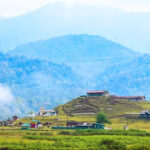
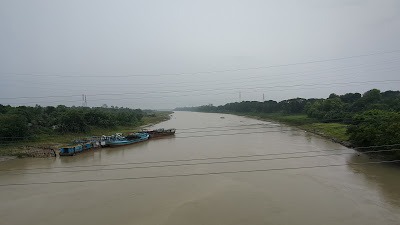
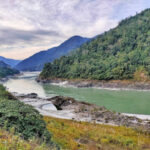
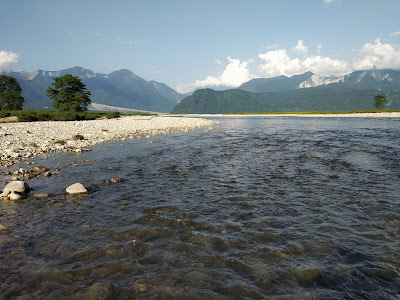
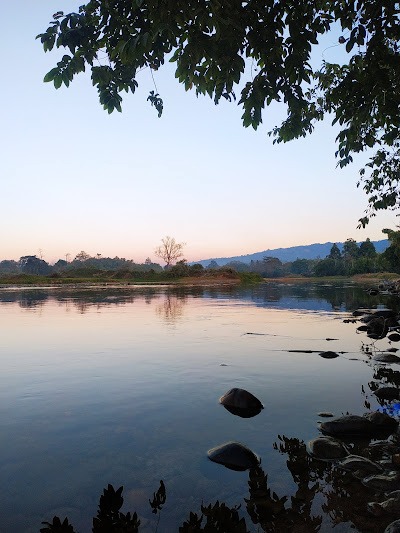
The Namchik River winds its way through the lush valleys of Changlang district in southeastern Arunachal Pradesh, close to the Indo-Myanmar border. Known for its emerald-green waters, fertile banks, and tranquil surroundings, the Namchik flows through tea gardens, tribal villages, and dense evergreen forests before joining the Noa-Dihing River. While not as wild as the Dibang or Siang, the Namchik is rich in cultural, agricultural, and ecological importance, making it a hidden gem for travellers seeking slow-paced exploration.
Unique Experiences & Activities
Tea Estate Trails – The Namchik basin is dotted with Namchik–Namphuk tea gardens, where visitors can walk through aromatic plantations, learn about tea processing, and sip fresh brews overlooking the river.
Fishing & Riverside Picnics – Its calmer stretches are ideal for traditional bamboo fishing and lazy riverside afternoons.
Tribal Village Tours – The river flows past Tangsa and Singpho villages, where visitors can experience indigenous weaving, woodcraft, and herbal medicine traditions.
Nature Walks & Birdwatching – The surrounding forests host hornbills, kingfishers, and migratory birds.
Cross-Border Cultural Influence – Proximity to Myanmar adds unique culinary flavors and architectural touches to local settlements.
Cultural & Historical Significance
The Singpho tribe, historically known for introducing tea cultivation to Assam and Arunachal, revere the Namchik for sustaining their farmlands. Ancient trading routes once followed its course toward Myanmar, and oral histories speak of forest spirits and guardian deities who ensure the river’s balance. The Namchik–Namphuk tea estates, established during the colonial era, remain a proud cultural heritage of the region.
How to Reach
Nearest Town: Jairampur (about 6–8 km from Namchik River areas).
By Air: Dibrugarh Airport (Assam) is the nearest major airport, followed by a drive via Tinsukia–Namsai–Jairampur.
By Rail: Tinsukia railway station, then road trip via NH-315A.
By Road: Accessible via the Trans-Arunachal Highway; Changlang is well-connected to Dibrugarh and Tinsukia.
Best Time to Visit
October to March – Pleasant weather for tea garden visits, fishing, and cultural exploration.
April to September – Monsoon swells the river, creating a lush, misty landscape but limiting access to some rural areas.
Nearby Attractions of Namchik River
The Namchik River is one of the important rivers flowing through the Changlang district of Arunachal Pradesh. Originating in the Patkai Hills near the India–Myanmar border, the river flows through lush valleys, dense forests, and tribal settlements before joining the Buri Dihing River in Assam. The river and its surrounding landscapes are known for their scenic beauty, biodiversity, and cultural significance to local communities.
1. Pangsau Pass
Located near the India–Myanmar border, Pangsau Pass is one of the most famous attractions in the region. Surrounded by the Patkai Hills, the pass offers spectacular mountain views and historical importance as part of the World War II-era Stilwell Road.
2. Nampong
Nampong is a scenic border town situated close to the Namchik River basin. The town is known for its beautiful valley landscapes, cross-border cultural heritage, and as the gateway to Pangsau Pass.
3. Jairampur World War II Cemetery
This historic cemetery contains the graves of Allied soldiers who lost their lives during World War II. Located along the historic Stilwell Road, it is one of the most significant wartime heritage sites in Northeast India.
4. Stilwell Road
Also known as the Ledo Road, this historic route was constructed during World War II to connect India with China through Myanmar. Travelers can explore several historical landmarks and scenic viewpoints along this legendary road.
5. Lake of No Return
Visible from the Pangsau Pass region, this mysterious lake is associated with numerous wartime legends and local folklore. It remains one of the most intriguing attractions near the Namchik River valley.
6. Miao
Miao is a picturesque town surrounded by forests and hills. It serves as a gateway to many eco-tourism destinations and offers visitors a glimpse into the diverse cultures of Changlang district.
7. Namdapha National Park
One of India’s largest national parks, Namdapha is famous for its tropical rainforests, rare wildlife, birdwatching opportunities, and trekking trails. Nature lovers often combine a visit to the Namchik region with an exploration of this biodiversity hotspot.
8. Deban Forest Camp
Located within Namdapha National Park, Deban is a beautiful riverside forest camp overlooking the Noa-Dihing River. It is a popular base for trekking, wildlife observation, camping, and photography.
9. Patkai Hills
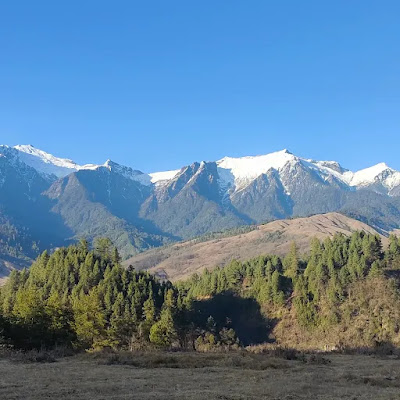
The Patkai mountain range surrounding the Namchik River valley offers breathtaking landscapes, dense forests, and numerous trekking opportunities. The hills are among the most scenic natural features of eastern Arunachal Pradesh.
10. Changlang Town
The district headquarters of Changlang is known for its tribal culture, handicrafts, museums, and scenic river landscapes. It provides a good introduction to the heritage and traditions of the region.
Google Maps
FAQs
1. Where is the Namchik River located?
The Namchik River flows through the Changlang district of Arunachal Pradesh near the India–Myanmar border before joining the Buri Dihing River system.
2. Why is the Namchik River famous?
The river is known for its scenic beauty, lush valleys, rich biodiversity, and its proximity to historical sites such as the Stilwell Road and Pangsau Pass.
3. What is the best time to visit the Namchik River region?
The best time to visit is from October to April when the weather is pleasant and road conditions are generally favorable for sightseeing and outdoor activities.
4. How can I reach the Namchik River?
Travelers can reach the region via Dibrugarh, Tinsukia, Ledo, and Jairampur. From there, road networks connect visitors to Nampong and nearby river valleys.
5. Is an Inner Line Permit (ILP) required?
Yes. Indian citizens need an Inner Line Permit (ILP) to visit Arunachal Pradesh. Foreign nationals require the appropriate permits issued by the authorities.
6. Can tourists visit Pangsau Pass from the Namchik River region?
Yes. Pangsau Pass is one of the most popular excursions from the Namchik River area and offers beautiful views of the India–Myanmar border region.
7. What activities can visitors enjoy near the Namchik River?
Visitors can enjoy sightseeing, photography, birdwatching, trekking, nature walks, cultural experiences, and exploring World War II historical sites.
8. Is the Namchik River suitable for wildlife enthusiasts?
Yes. The surrounding forests and nearby Namdapha National Park support a wide variety of wildlife, birds, and plant species.
9. Are accommodation facilities available nearby?
Yes. Basic hotels, guesthouses, forest lodges, and homestays are available in Miao, Jairampur, Nampong, and Changlang. Advance booking is recommended during peak tourist seasons.
10. What makes the Namchik River unique?
The river’s combination of pristine natural beauty, proximity to the Indo-Myanmar border, historical World War II landmarks, tribal culture, and access to Namdapha National Park makes it one of the most fascinating river valleys in eastern Arunachal Pradesh.